Hi Travellers,
We checked out of our little resort and went for breakfast around 9AM. We were at the Artash Restaurant to get one last bacon wrap and an Internet connection to catch up my posts before we left El Valle.
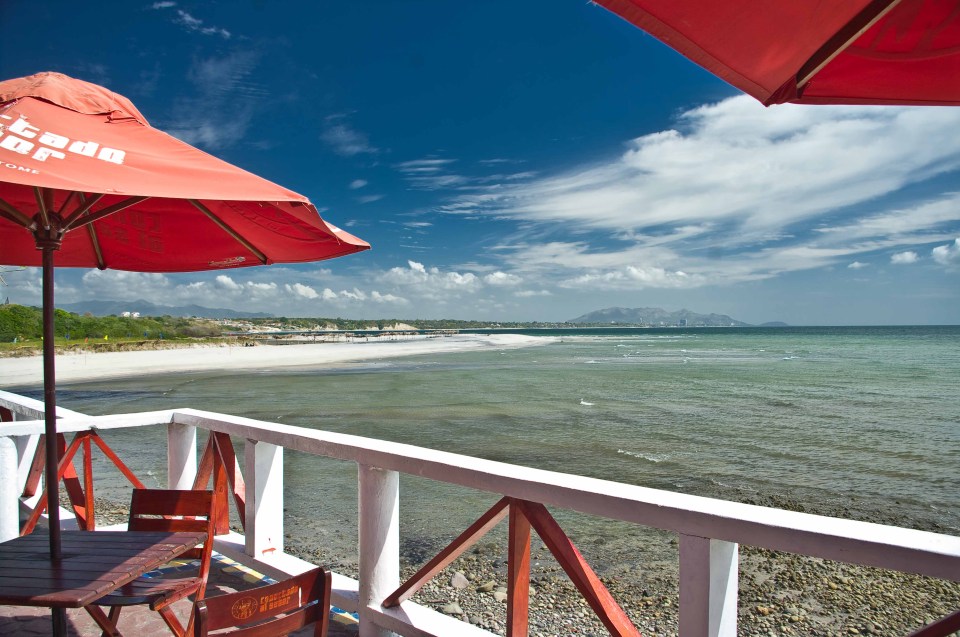
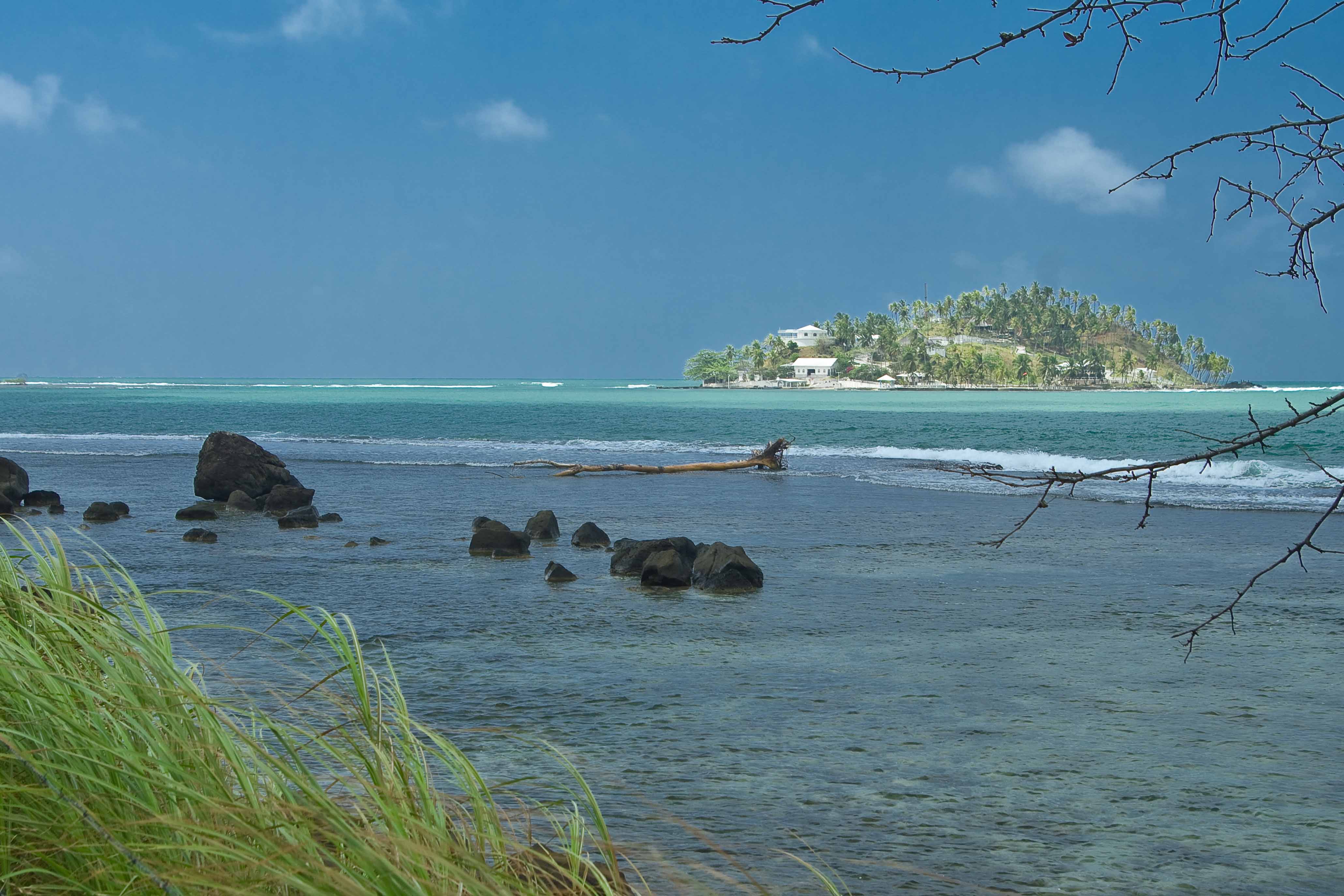
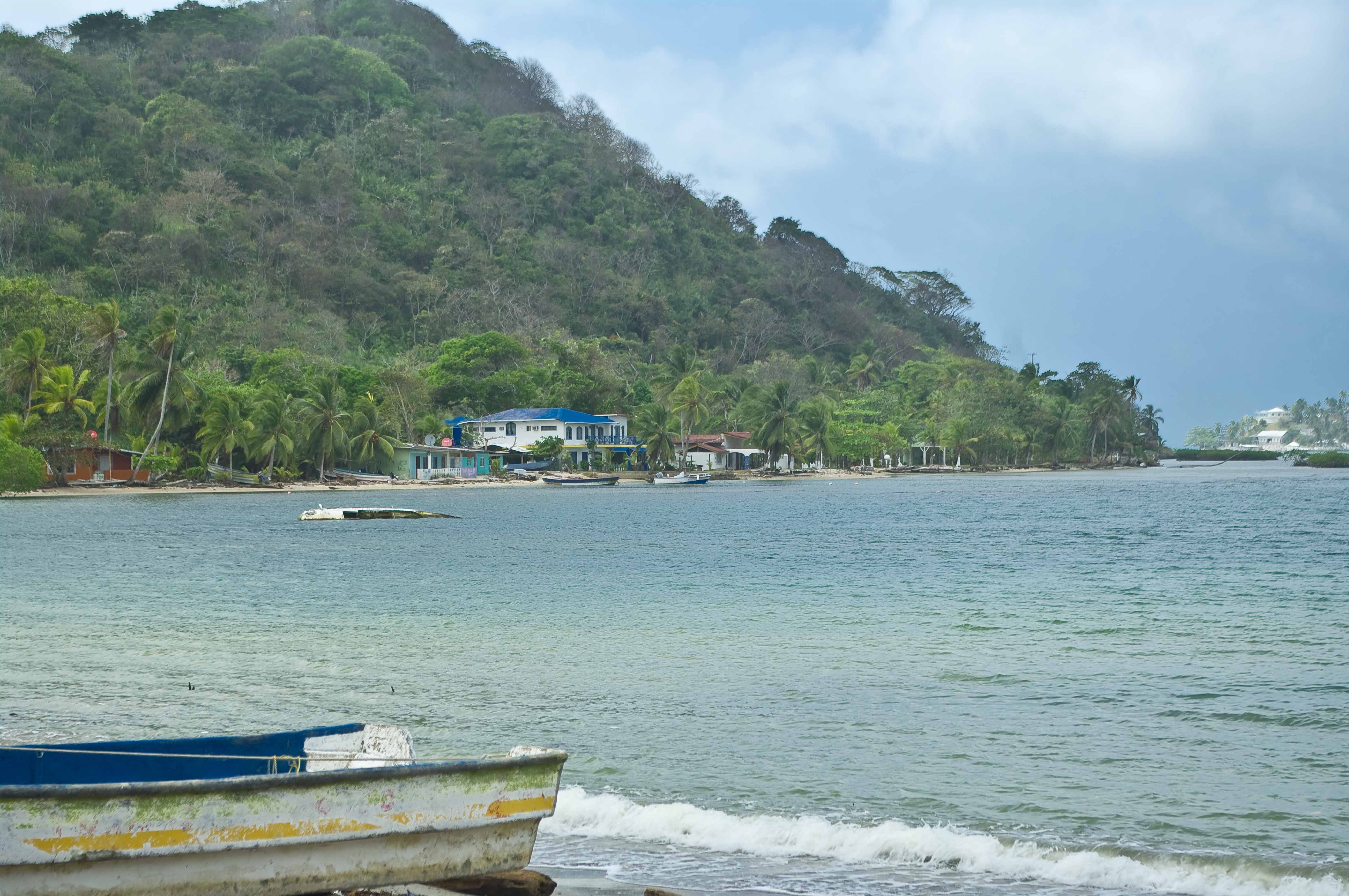
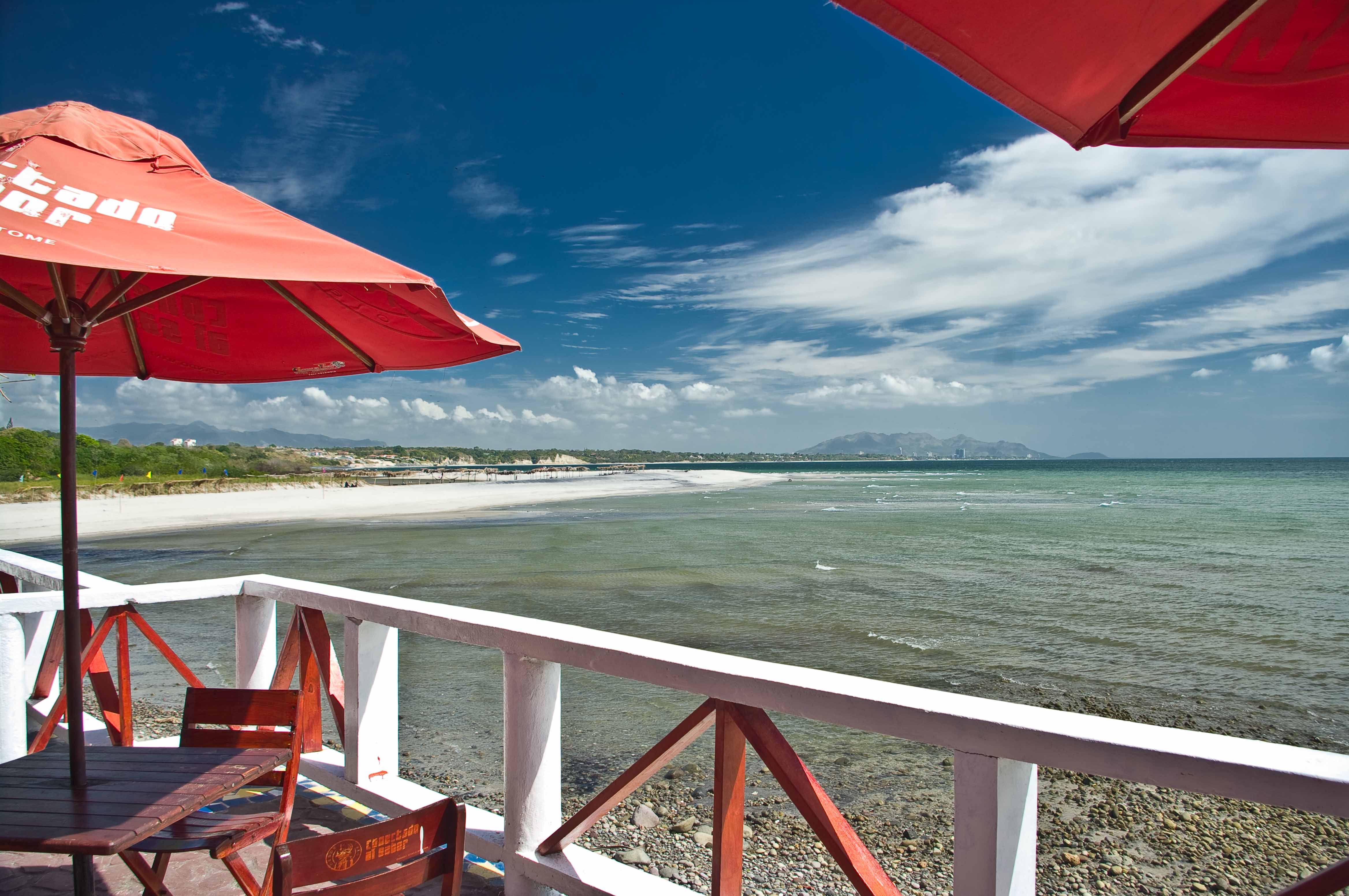
We had agreed to pick up Octav from the Bayview Hotel on the beach in San Carlos at around 11AM to give him a ride to Santa Fé. Its only a couple of kilometers out of our way just off the Pan-American Highway. We have been here before. It has a restaurant right on the beach with a magnificent view from the deck.
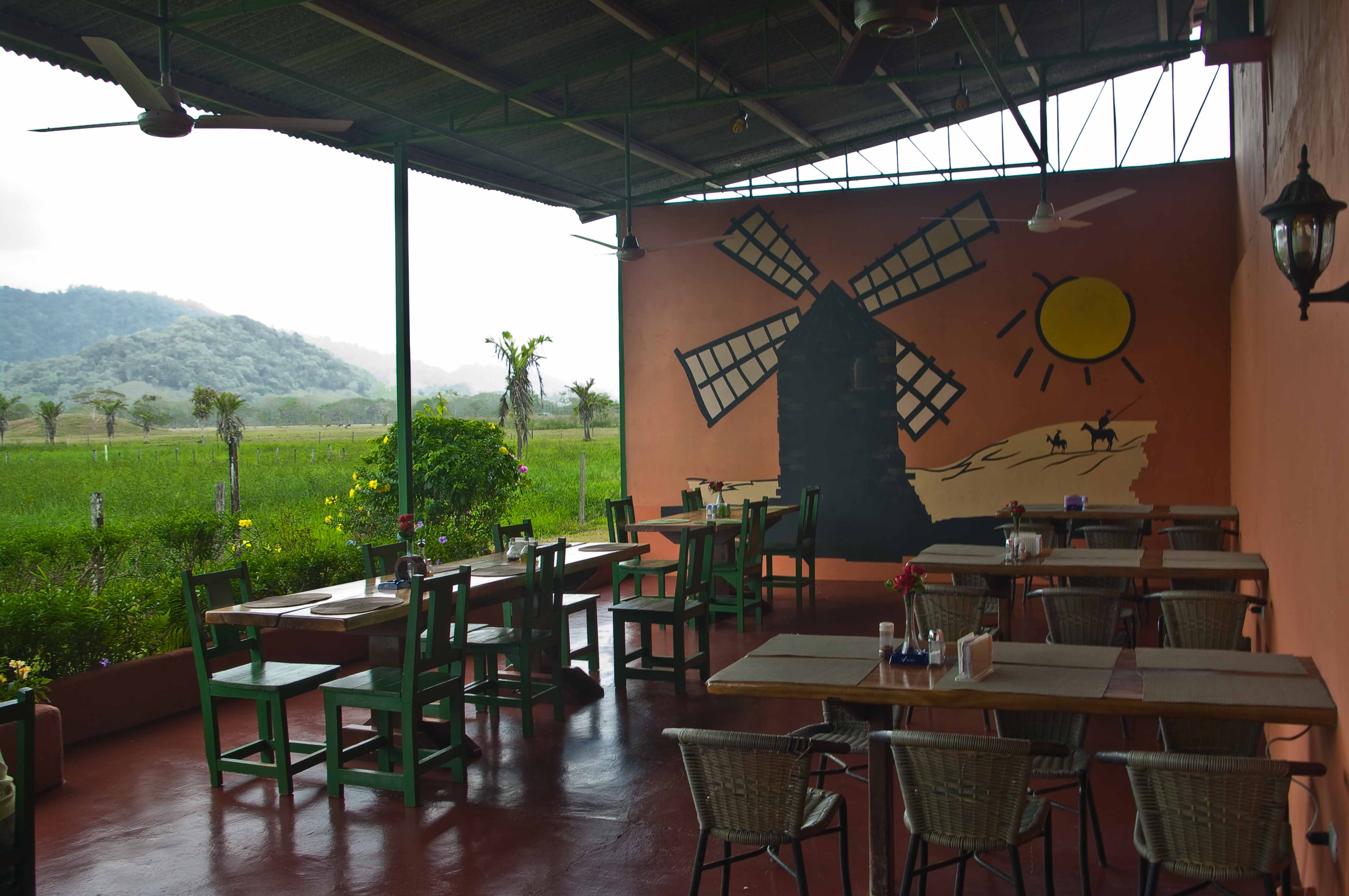
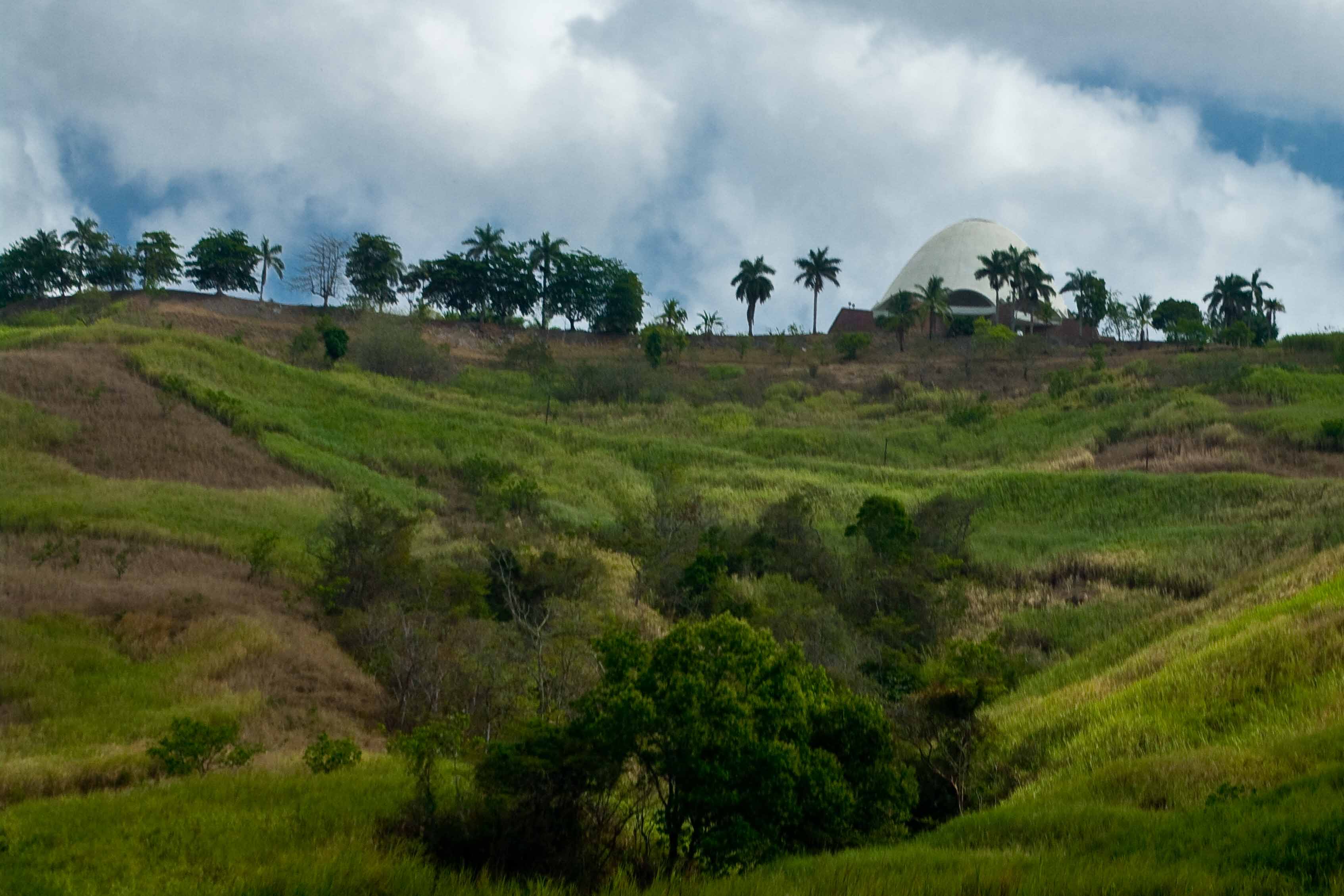
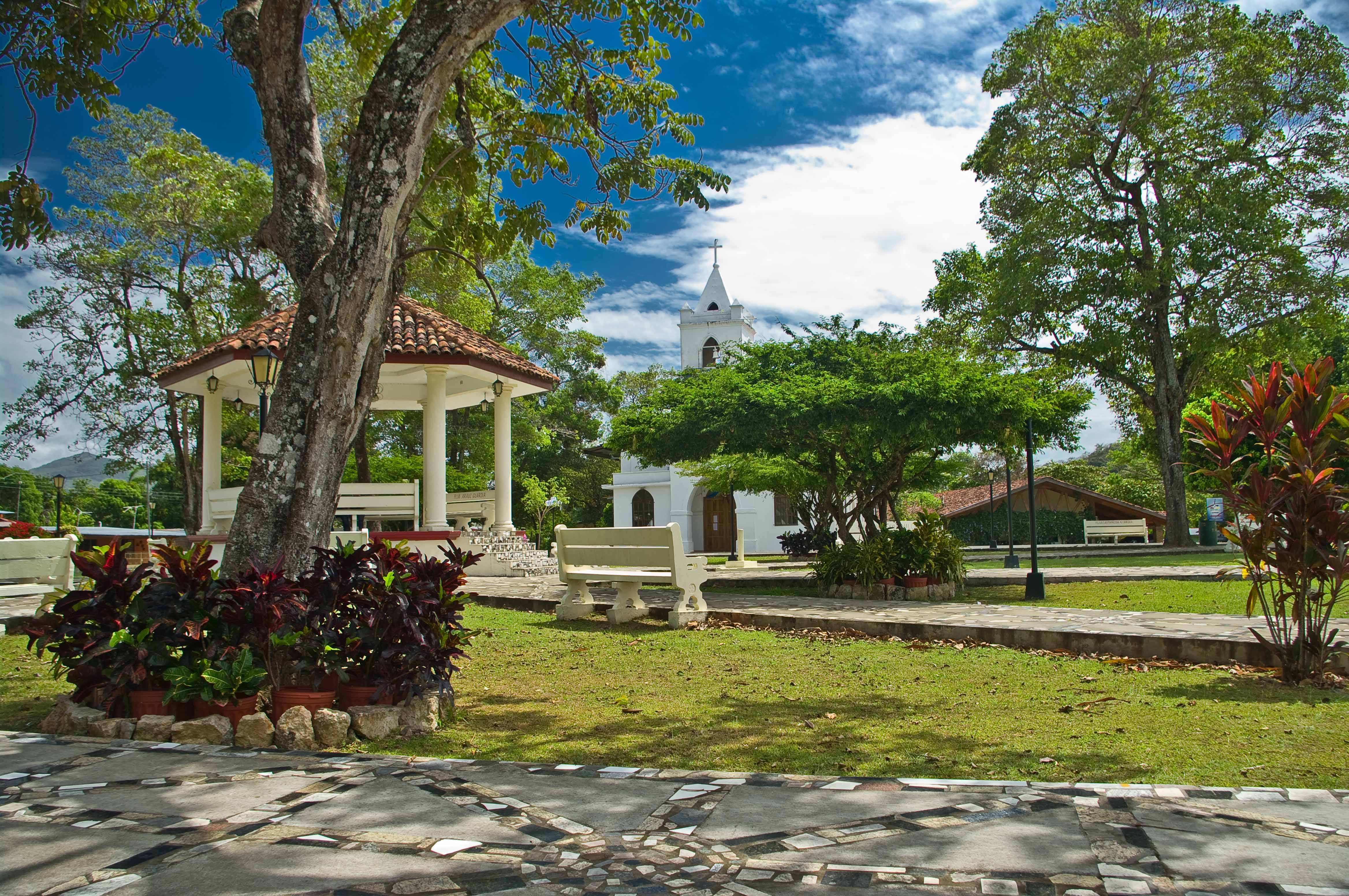
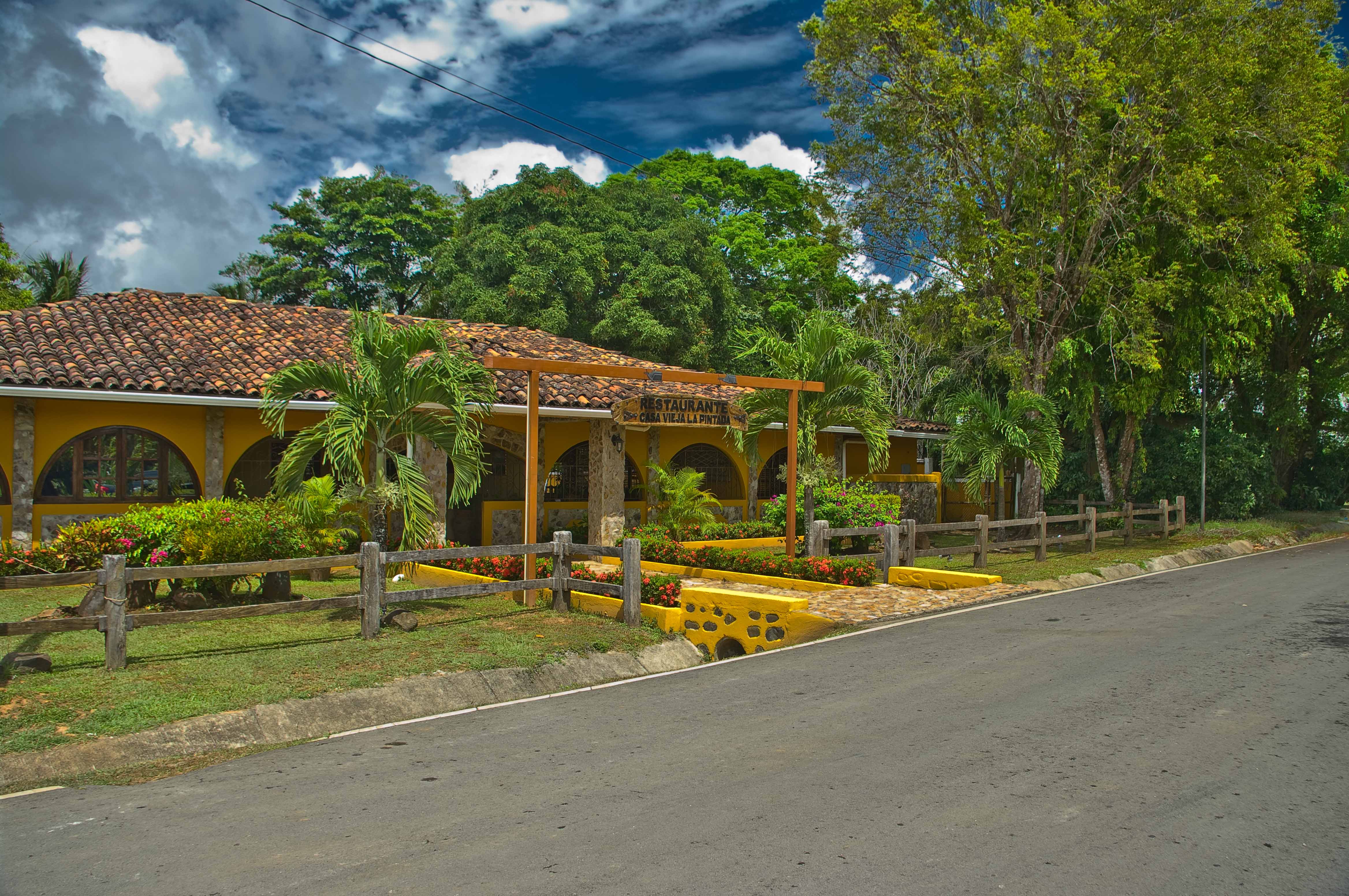
On our way to Santa Fé, we decided to check out a little restaurant in a place called La Pintada (pronounced La Pin Tada) that we really enjoyed the first time we were here. When we were here the second time, we drove up to find it closed and out of business. Now, I read that it is open again so we want to check it out for a potential day trip with our friends who are coming in mid February. La Pintada is 13Km north of Penonome (pronounced Pen a no me), which is on the Pan-American. La Pintada is a beautiful small town with really nothing much to draw people but the restaurant. We arrived to find the beautiful little town was once again equipped with a great little restaurant. Restaurant Casa Vieja La Pintada! If you are in Panama, this place is well worth the little scenic detour you will take to get here. There is a beautiful small recently painted white church on one side of the well-kept square with this restaurant on the other side facing the church. The restaurant appears to have fresh paint and our server was a little Panamanian girl who was attentive, had a big smile and spoke enough English for us to get by. We just had a cool drink, snapped a few shots and were on our way.
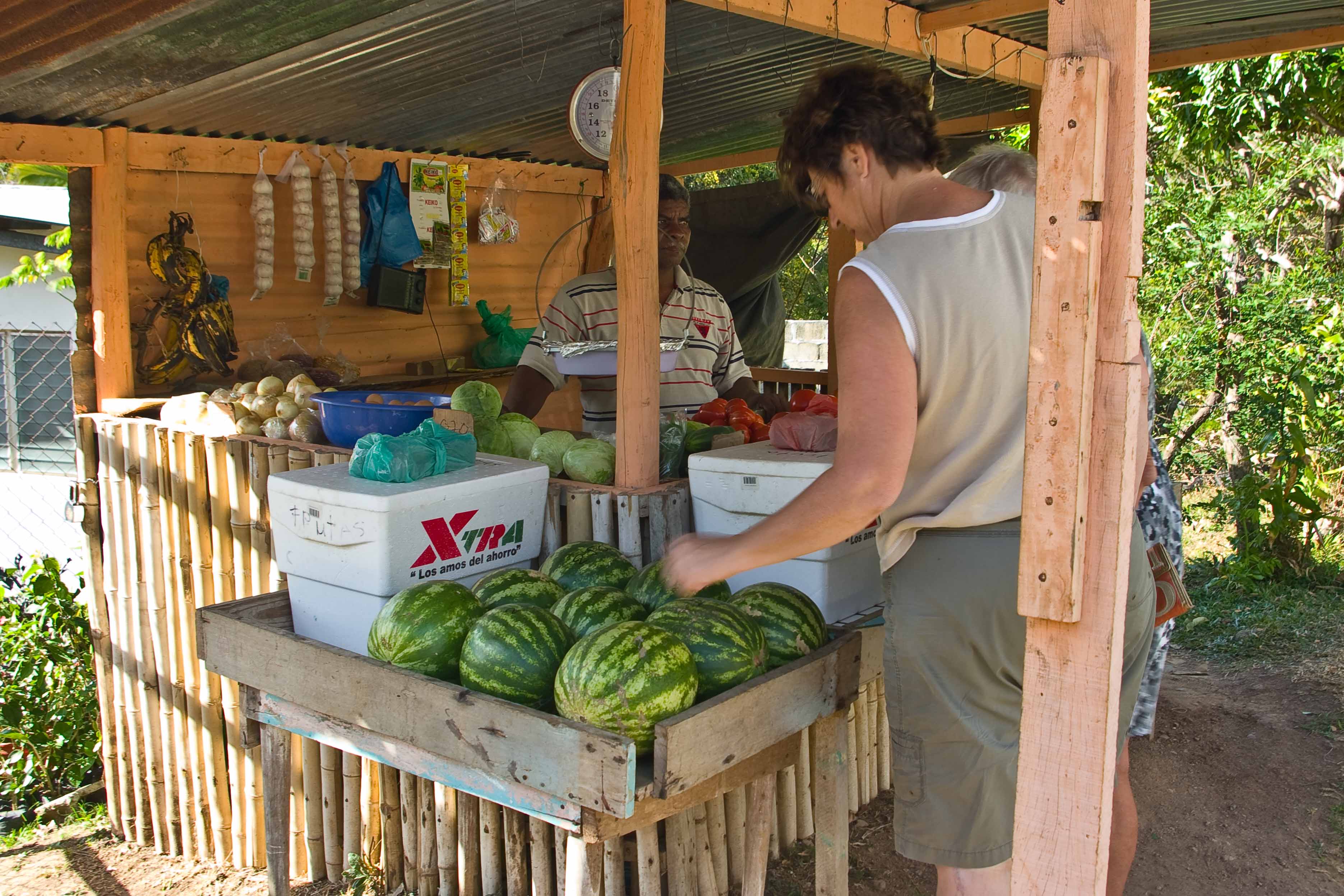
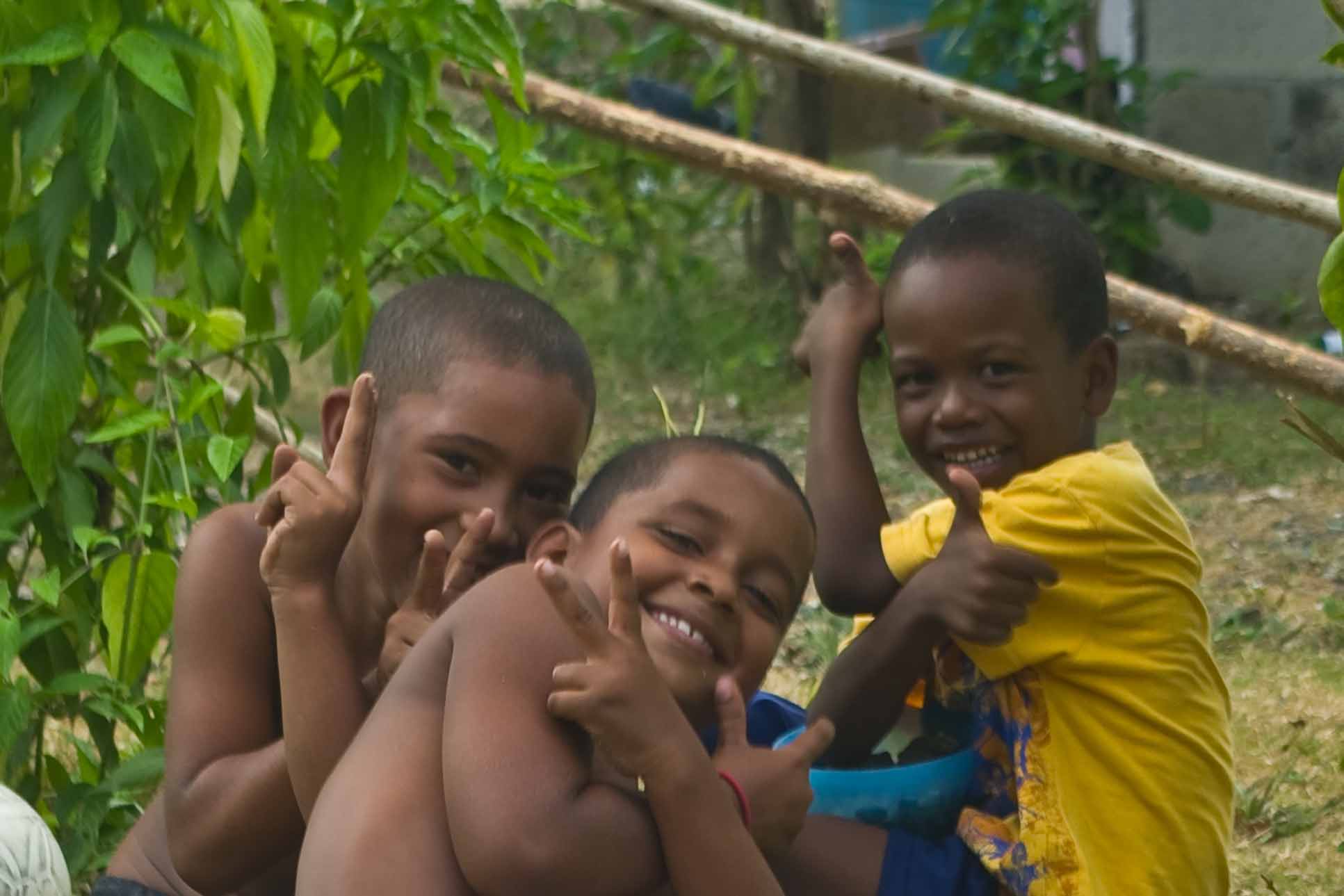
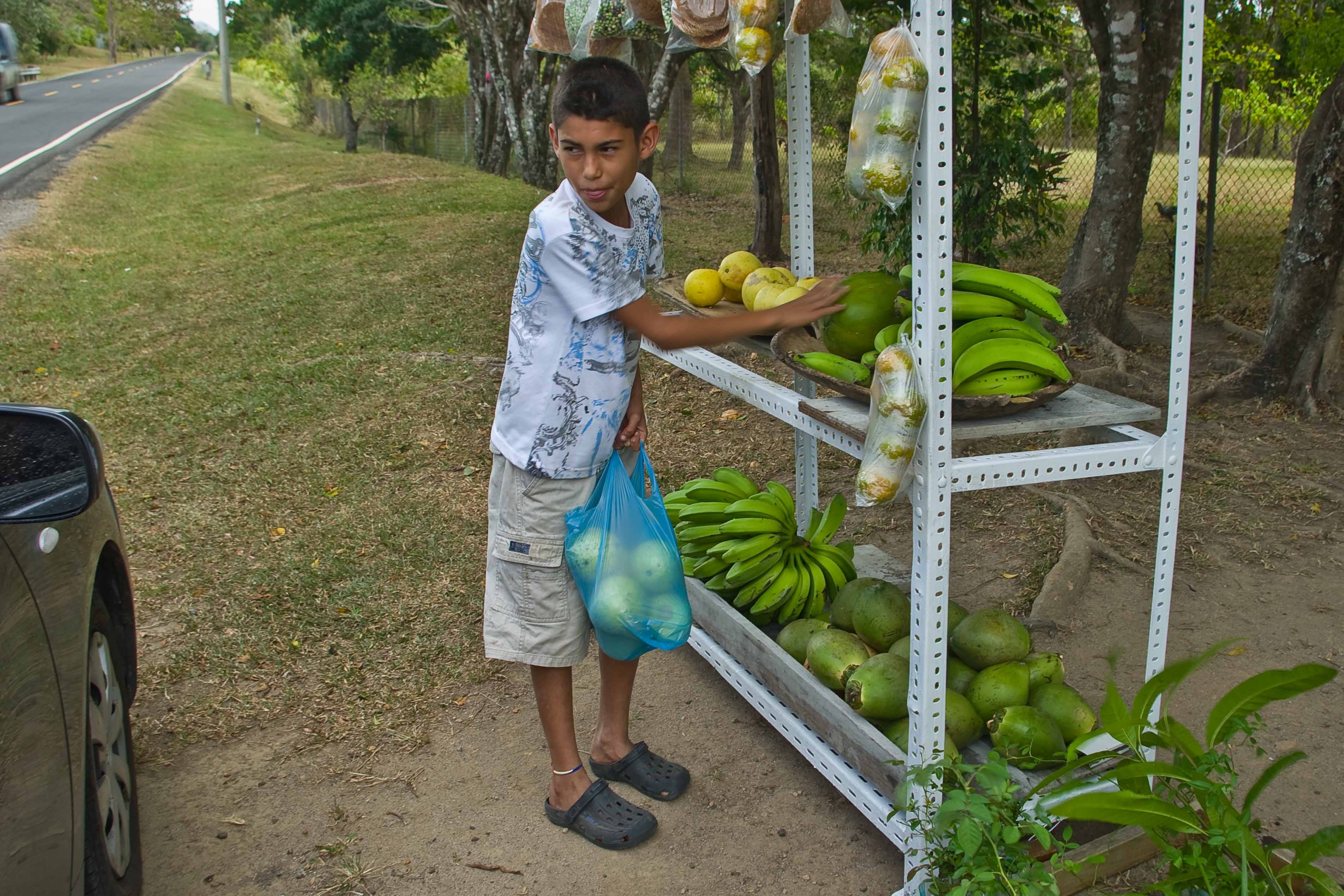
On our way back to the Pan-American, Andrea spotted a small fruit stand in front of a house at the side of the road with a supply of grapefruit stacked on the shelf. We stopped and this little guy sold us six beautiful big grapefruit for $0.50, (total, not each) once he had his mother’s permission.

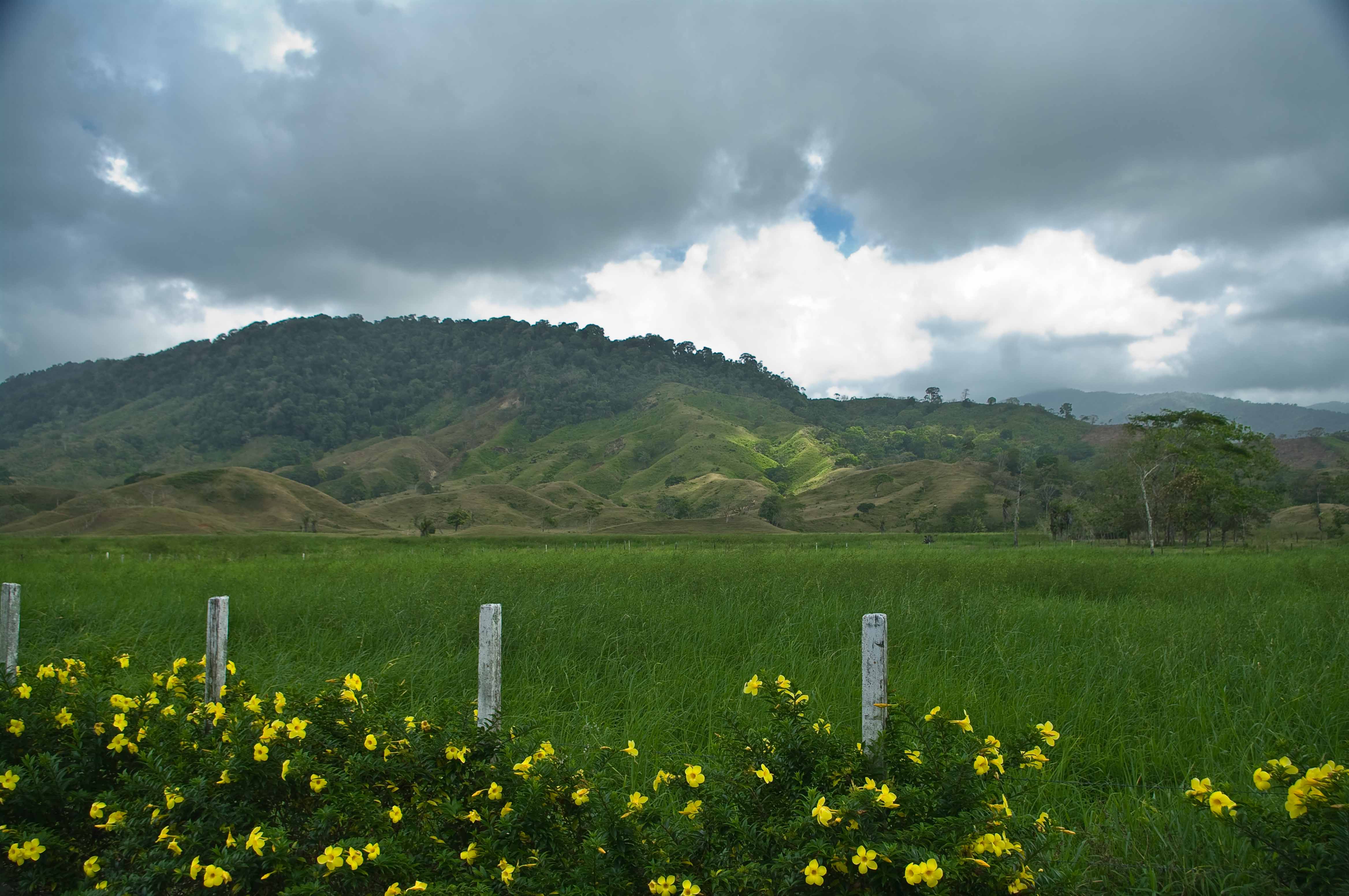
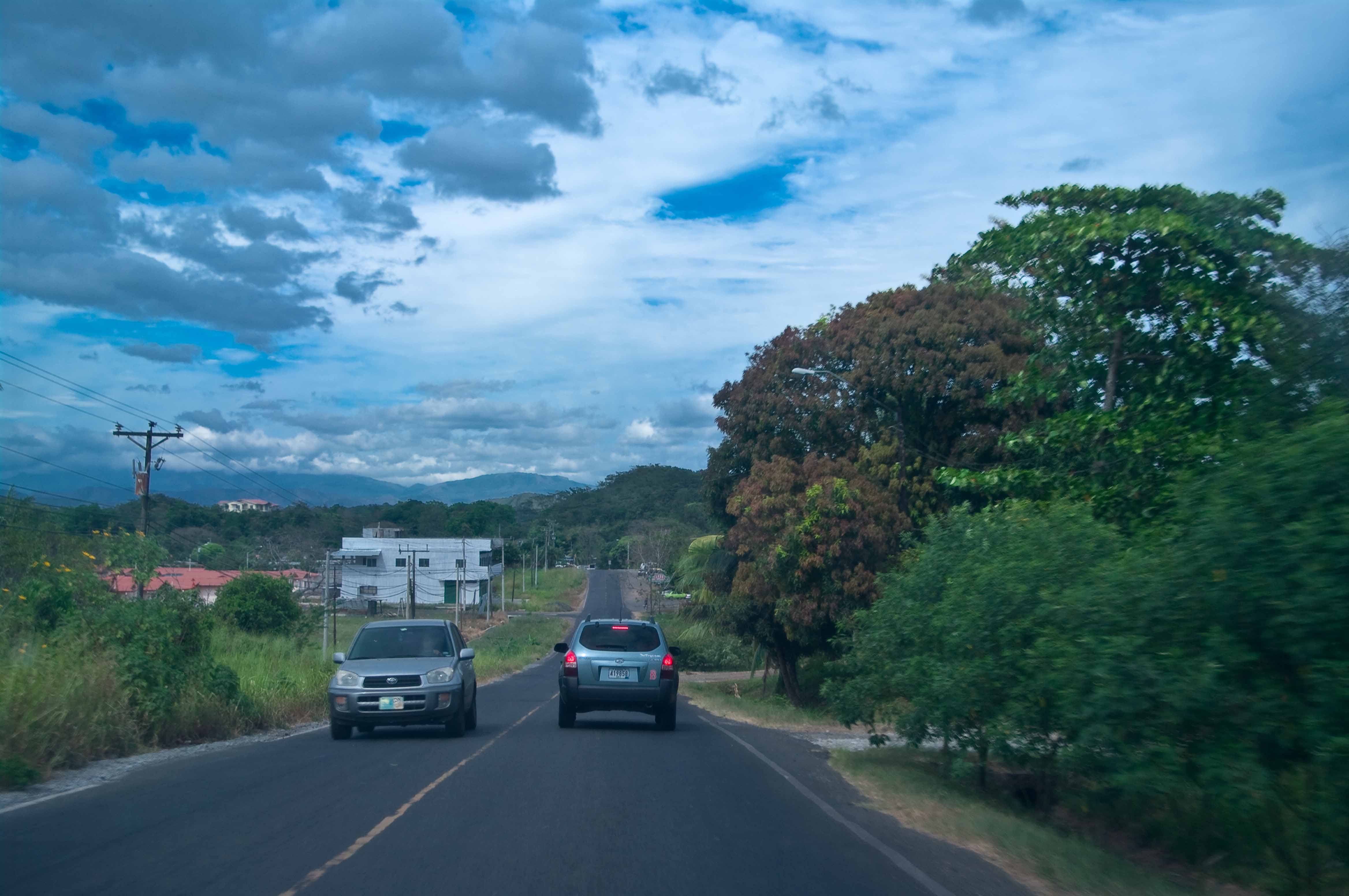
We continued back toward Penonome but in a few minutes our GPS wanted us to turn west. We looked at the road and found it wide and paved but with no lines. Now normally, Andrea won’t take advice from the GPS but this time, with two of us encouraging her, she agreed to follow it. It turned out to be a nicely paved secondary road that our GPS called “Road”. It basically, just cut off the need for us to go back through Penonome. It brought us out on the Pan-American 20 or 30 minutes west of Penonome after taking us through beautiful rolling hills and past lots of fields of cattle and horses. Out in the back country I might have thought we would find unkempt properties and homes but that was not the case. Homes were neat, tidy, artfully landscaped and painted bright colors. There was no junk lying around. Then I remembered, we were in Panama not Mexico and this is the norm here! There is a pride of ownership that shows everywhere.
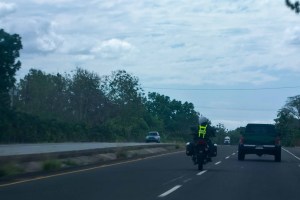
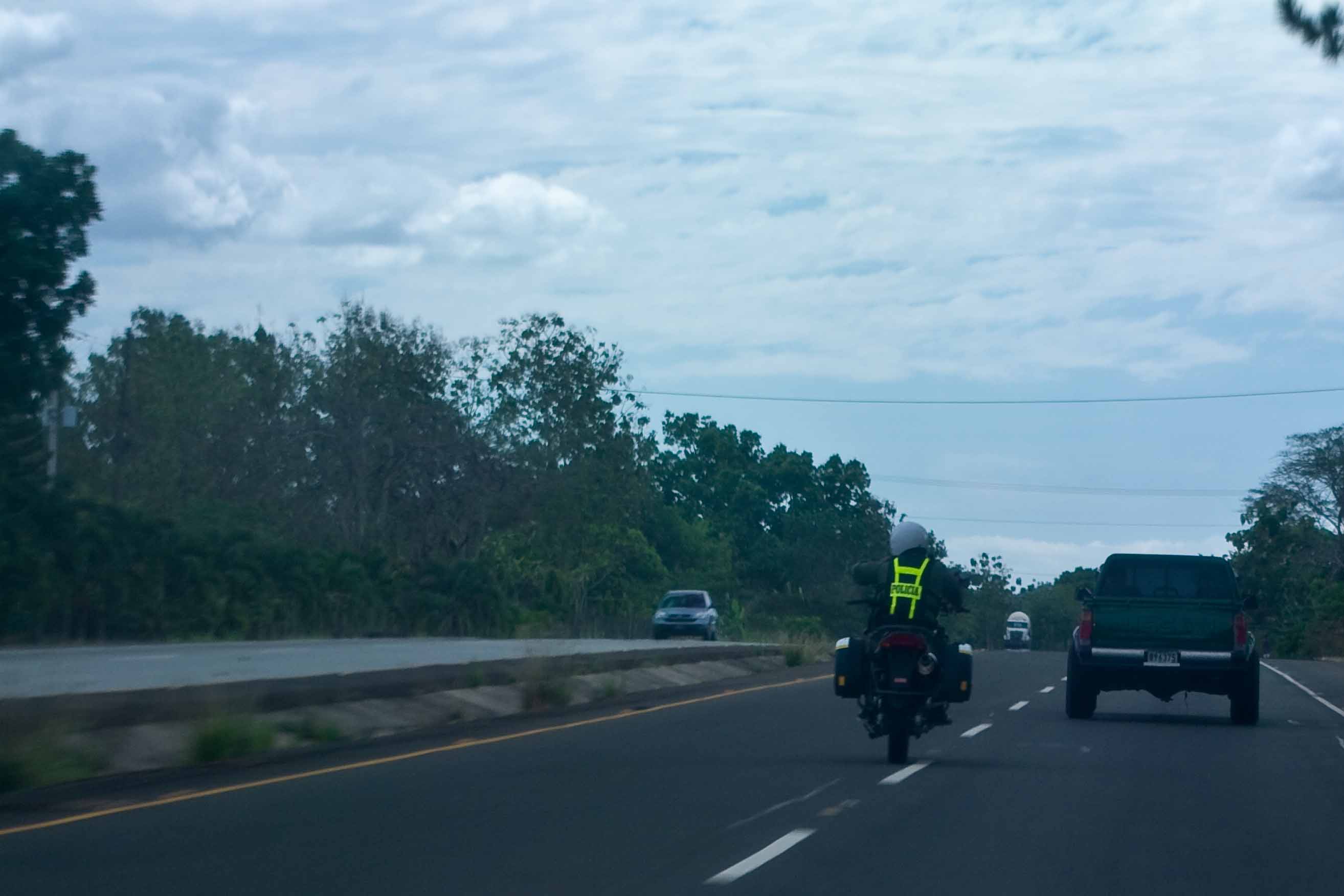
 Shortly after getting back on the Pan-American, a motorcycle carrying a police man passed us at a high speed. In a few minutes we came around a bit of a gentle curve and saw a little white car of some kind on its side in the middle of the median. The shot is a bit blurry but I think you can get the idea. There was shattered plastic everywhere. We wonder what actually happened because the road was flat and almost straight. In a few minutes we saw an ambulance approaching from the other direction. It was not in a hurry and the emergency lights were not on.
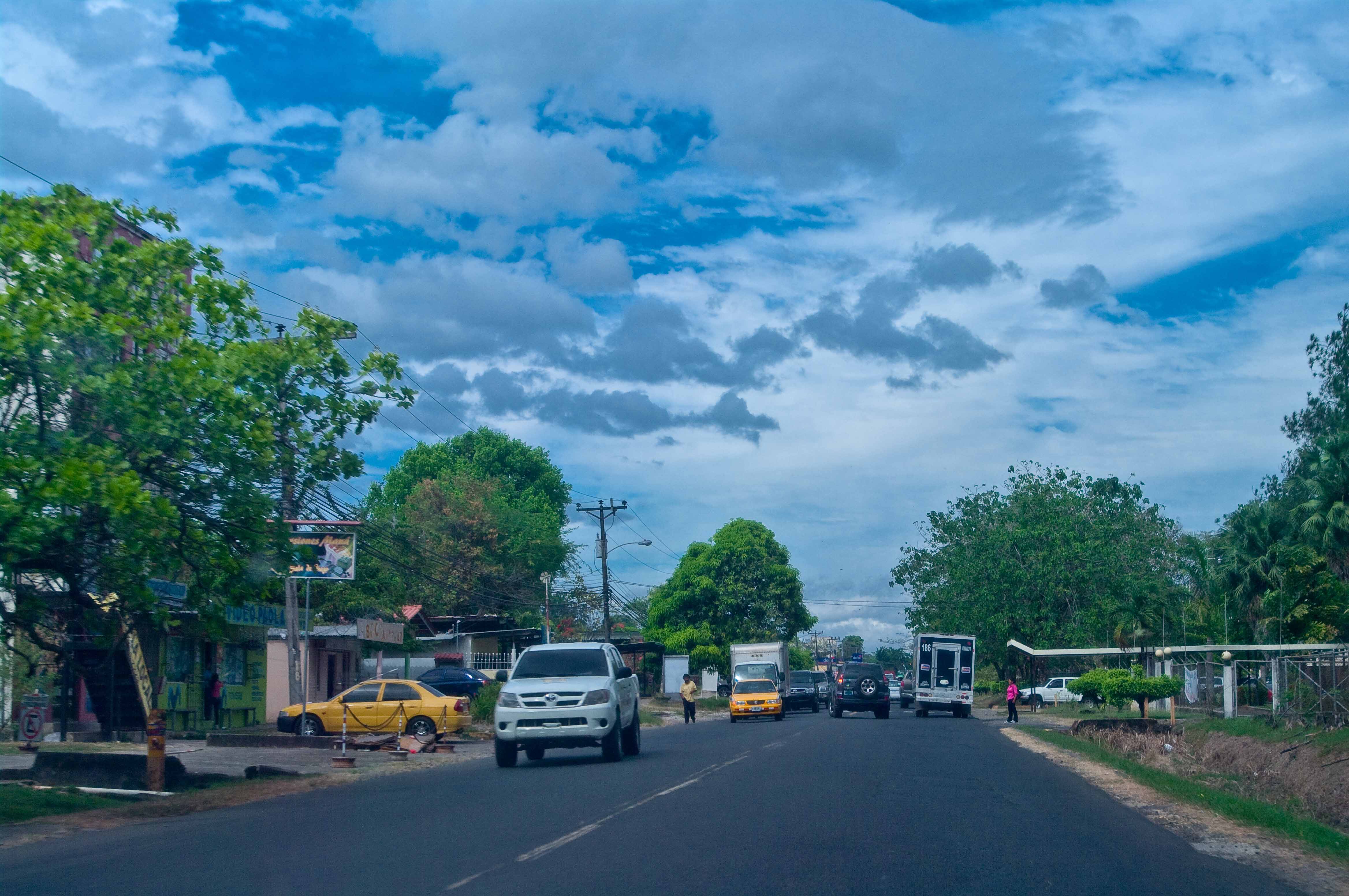
 We arrived in Santiago on the Pan-American which is where we turn north for Santa Fé. We joined a line of mostly little yellow taxi cabs at a service station to load up our trusty Toyota with fuel before leaving Santiago which, we were warned, is the last place we can get gas. Strange! This busy little fuel stop was the first service station we have found that takes credit cards. We left Santiago, heading north along a nicely paved two lane road with yellow center line and white lines at both edges of the road. The hills are rolling and every now and again you get a chance to see the beautiful hilly vistas from the road.

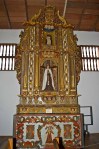
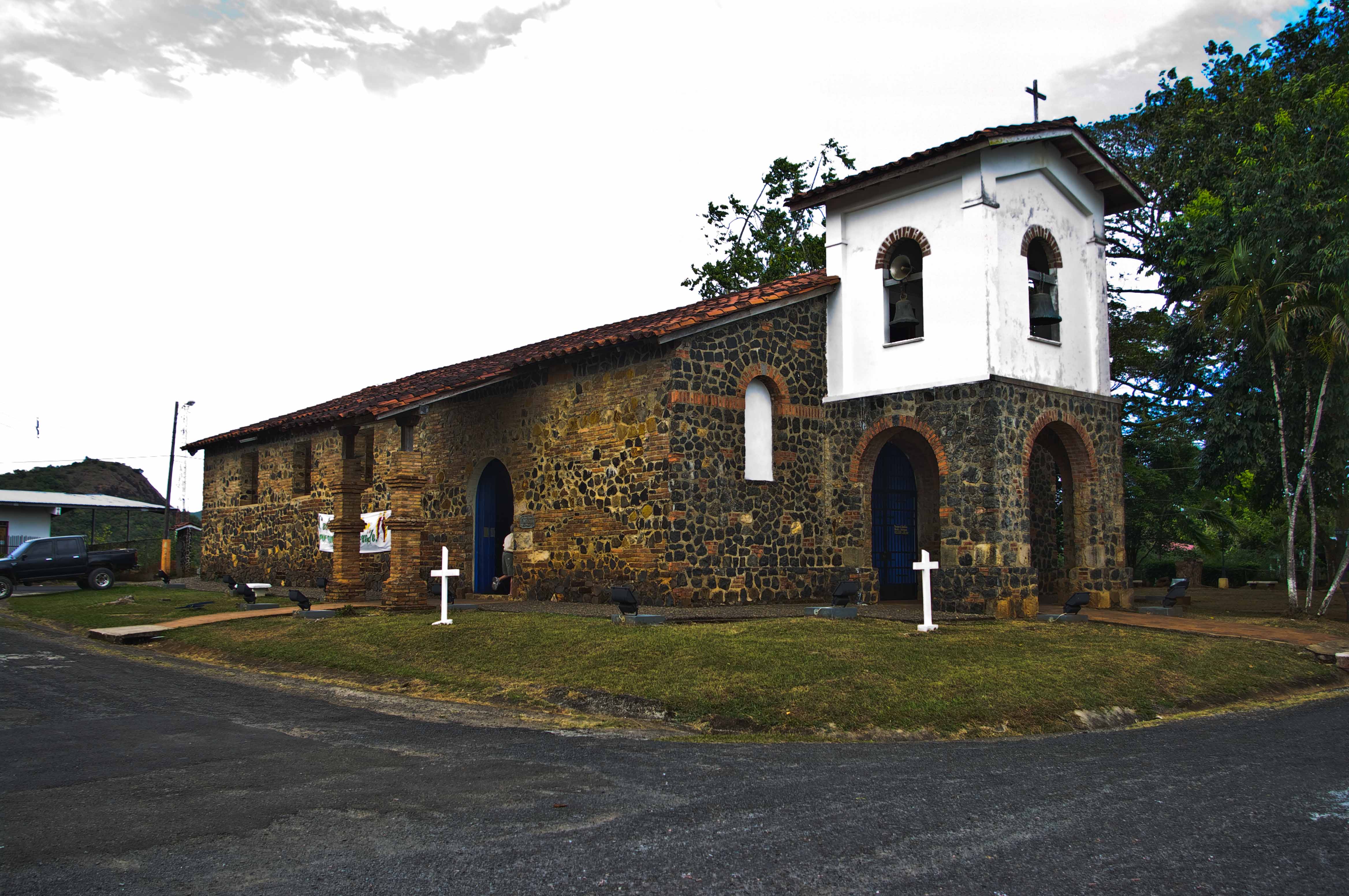
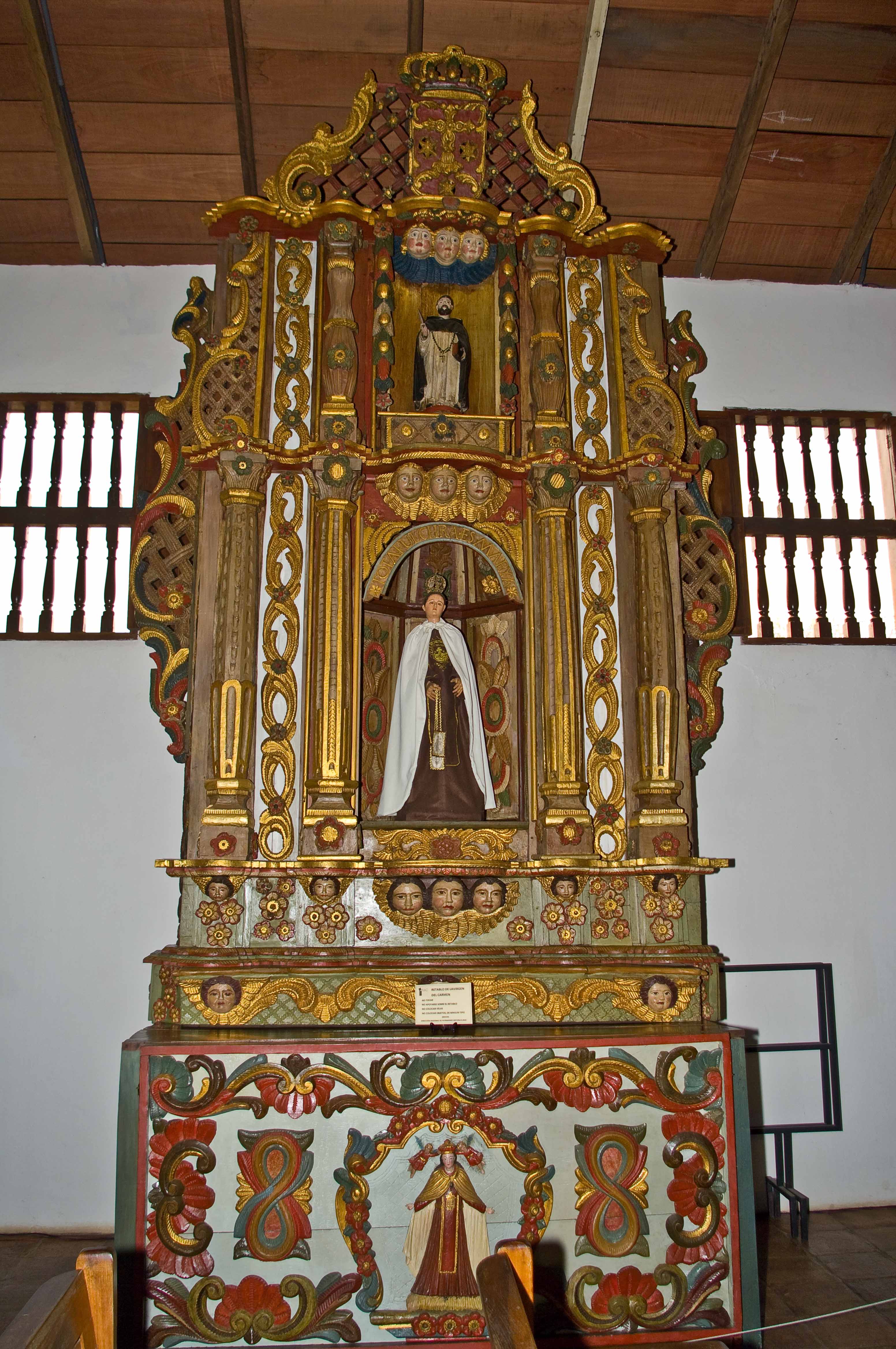
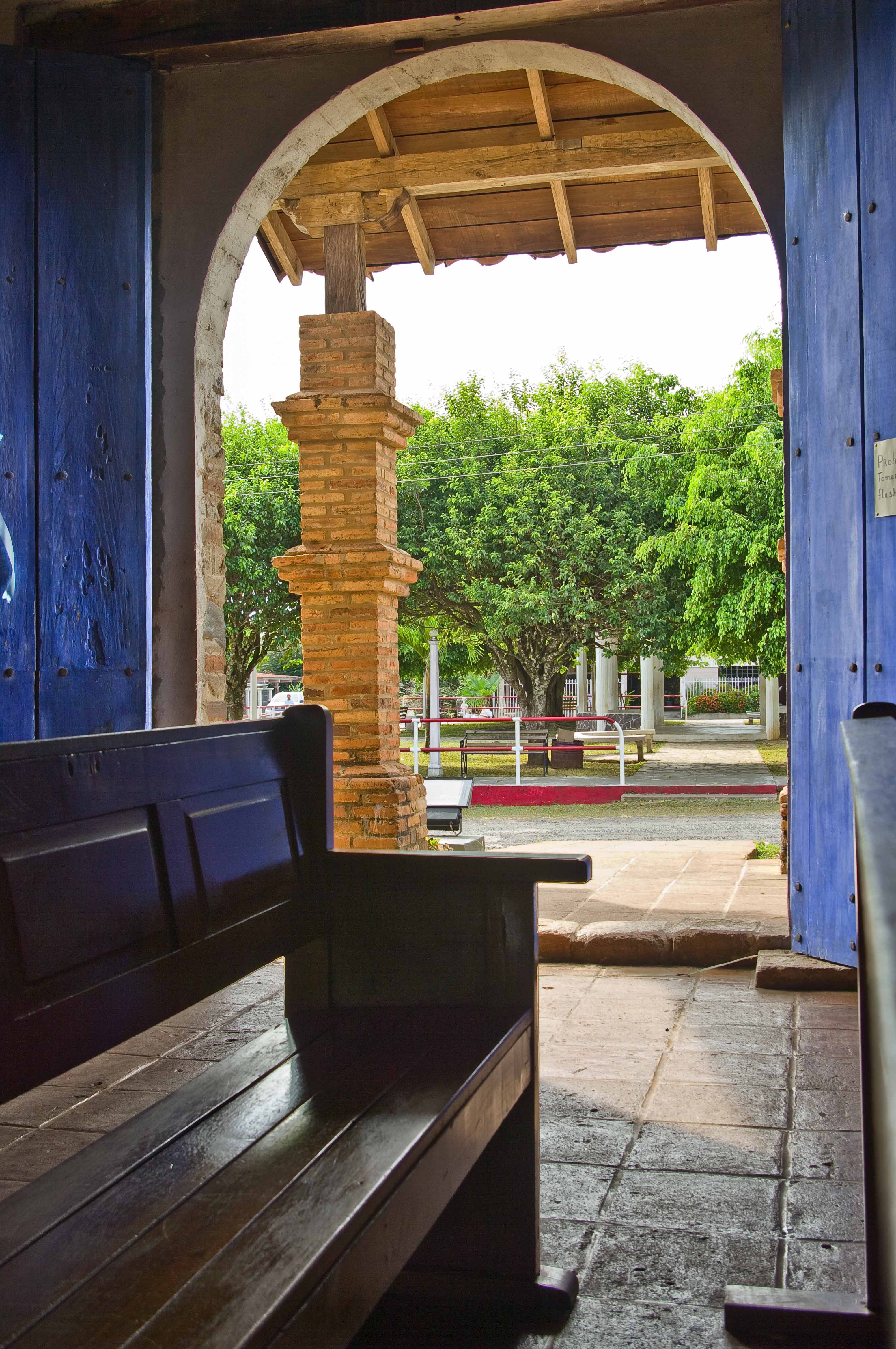
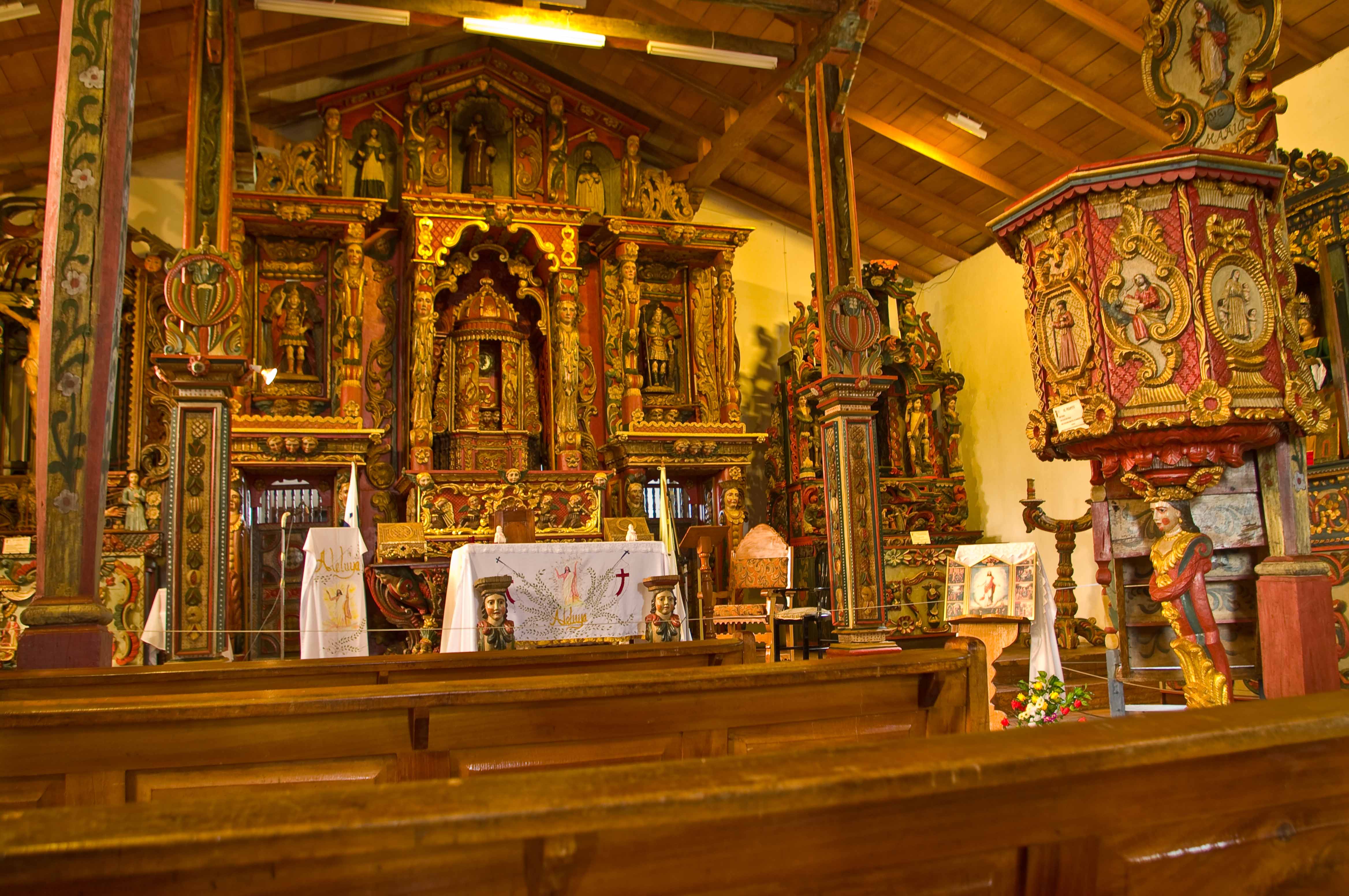
We had planned to stop in a place called San Francisco which is 17 Km along the road from Santiago, to see a very important historical church that dates back to 1621. Restoration work has been recently completed. San Francisco is a tidy small village with narrow roads. The whole place looks recently paved and again we find the homes all beautifully landscaped and well-kept. Here are a few shots of the church. The interior is amazing. It is full of beautiful intricately carved pieces that show so well because of the fresh restoration work that has been done.


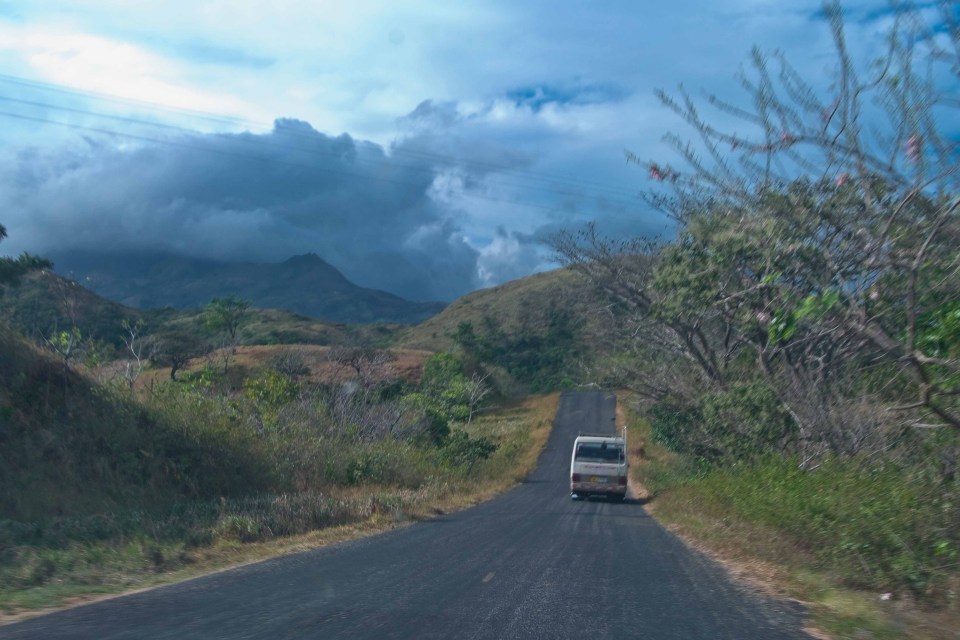
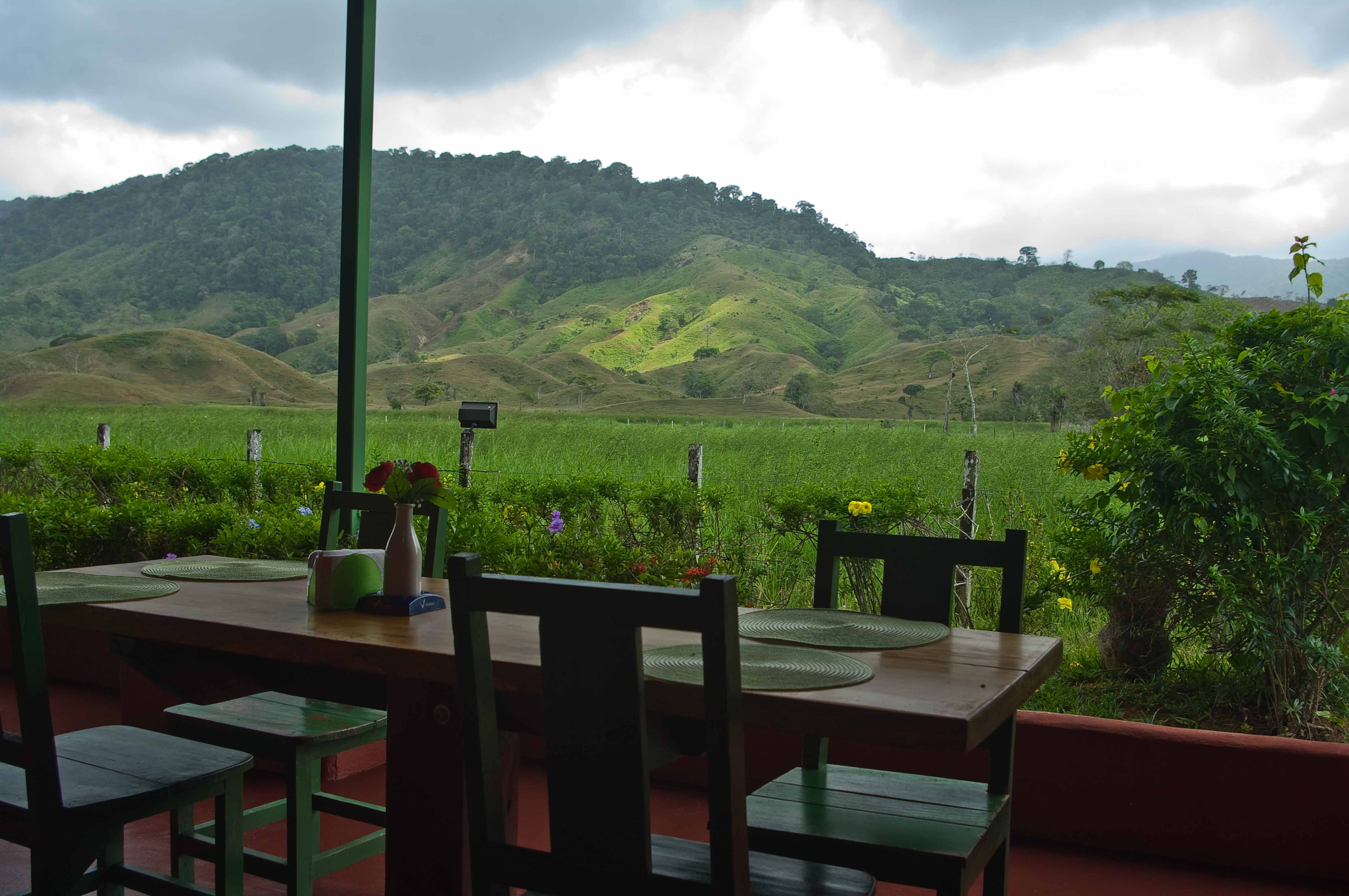
We continued north on the little hilly road for the remaining 35 Km to Santa Fé. The GPS is not up to date with the roadway. It looks like the road has been modernized somewhat and the map has not! It showed us travelling in the general area of the road but not on it. We eventually met one of the little Toyota Coaster busses that runs from Santiago to Santa Fé and followed it part of the way. There is very little on this road. No houses, no cows, no people, just tall grass, fields of nothing, lots of vegetation, beautiful distant hills and one small Toyota.

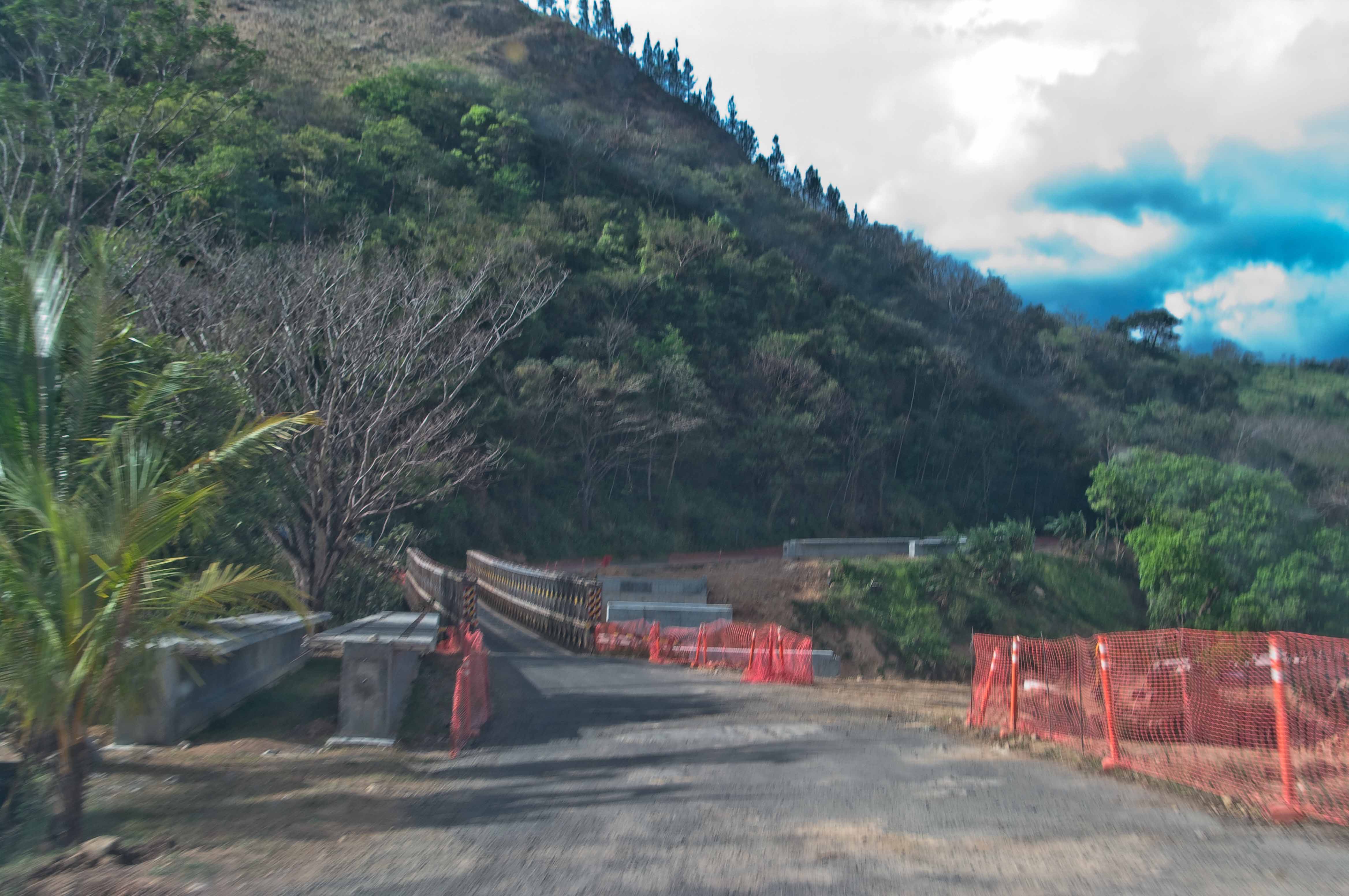
Our resort had provided us a map to get us from Santa Fé to their property, which is just a little over two kilometers. We got to within a couple of hundred meters from the main gate and, following the map, turned off the paved road onto a dirt one with a hill on it. Now a dirt road here means slippery red clay with no gravel and lots of deep ruts. When you add an incline and water from a recent rain to this recipe, you need four-wheel drive, which our little Toyota doesn’t have. Andrea managed to get us almost up the hill before we lost traction and could not go forward. I hope no one from Budget is reading this! We were probably 20 meters from the resort gate. I got out and walked to the resort to get help and she backed the Toyota back down the hill.
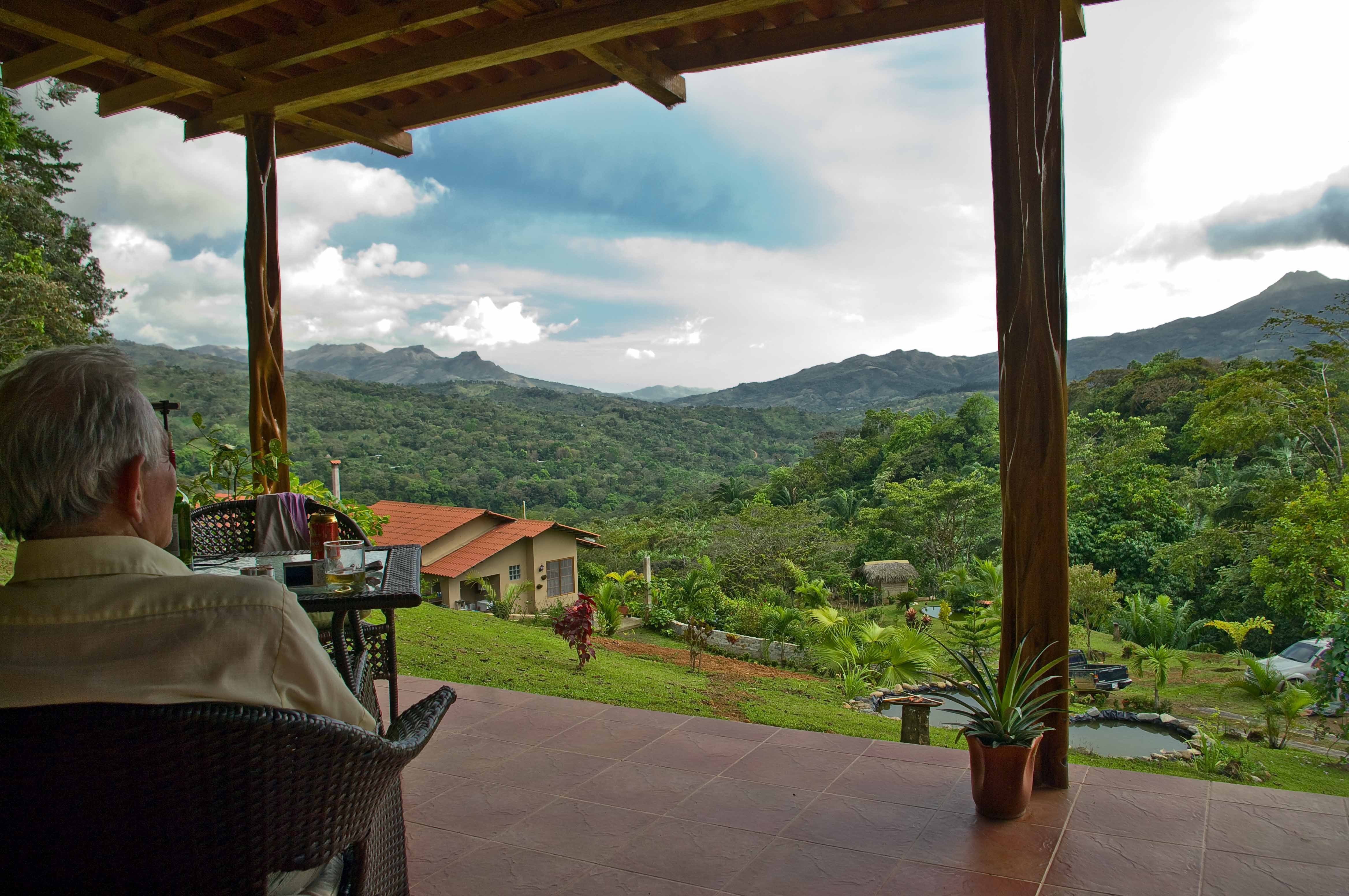
As I walked through the front gate of Casa Mariposa, I was immediately faced with terrain sloping off into the distance and an amazing view of hills, mountains, and jungle that unfolded at my feet. First impression? I was mindful of Shangrala! It was stunning!
I met one of the owners, Kevin, who said to take the car back to the intersection with the pavement, and that he would meet us there with his four-wheel drive to bring us and our luggage to the resort.


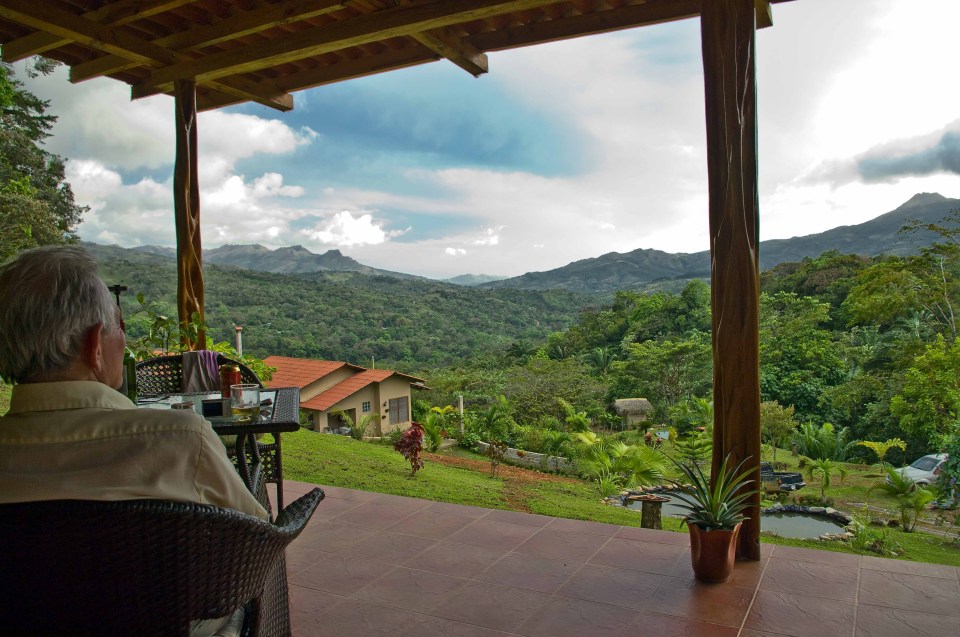
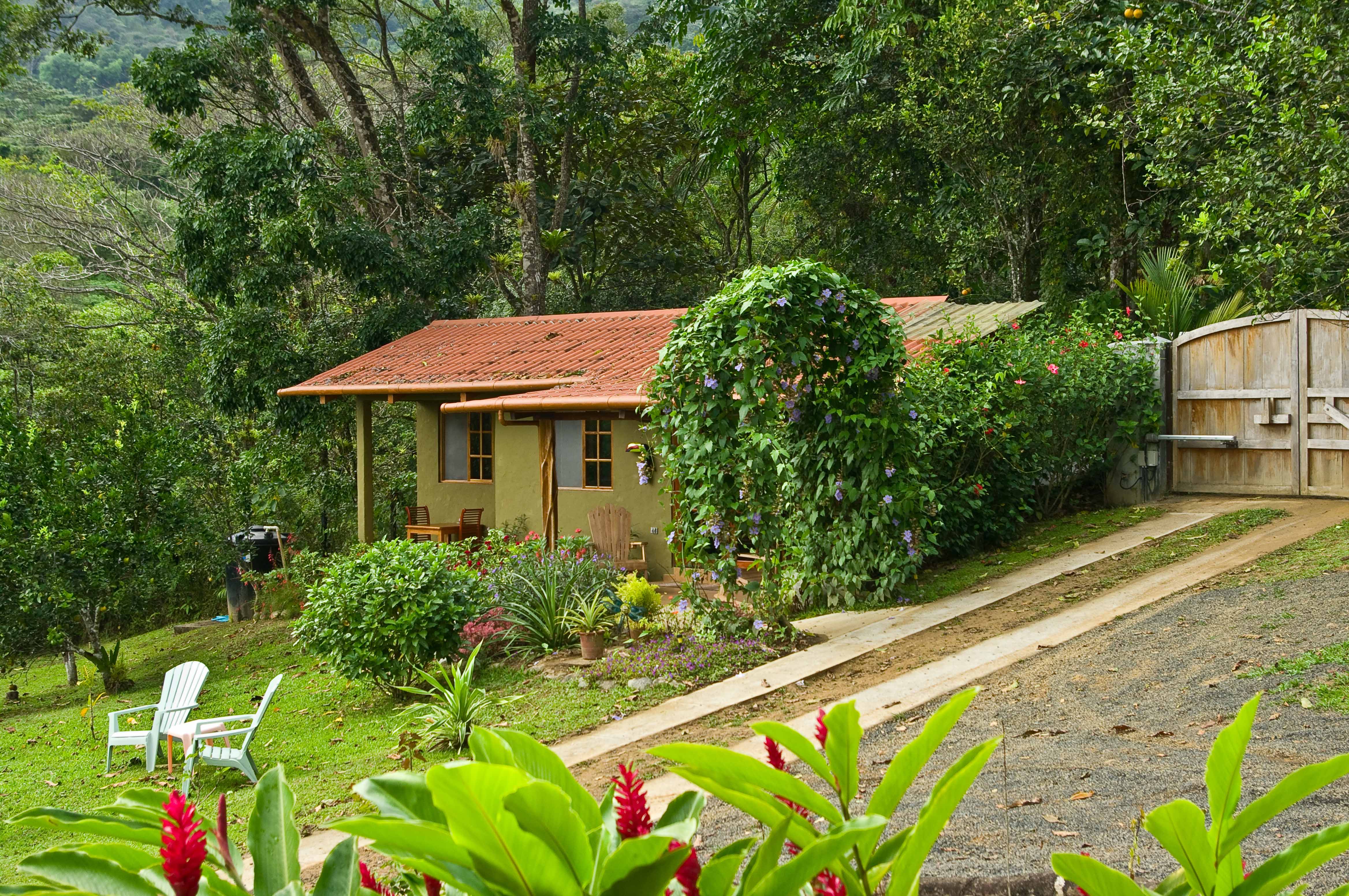
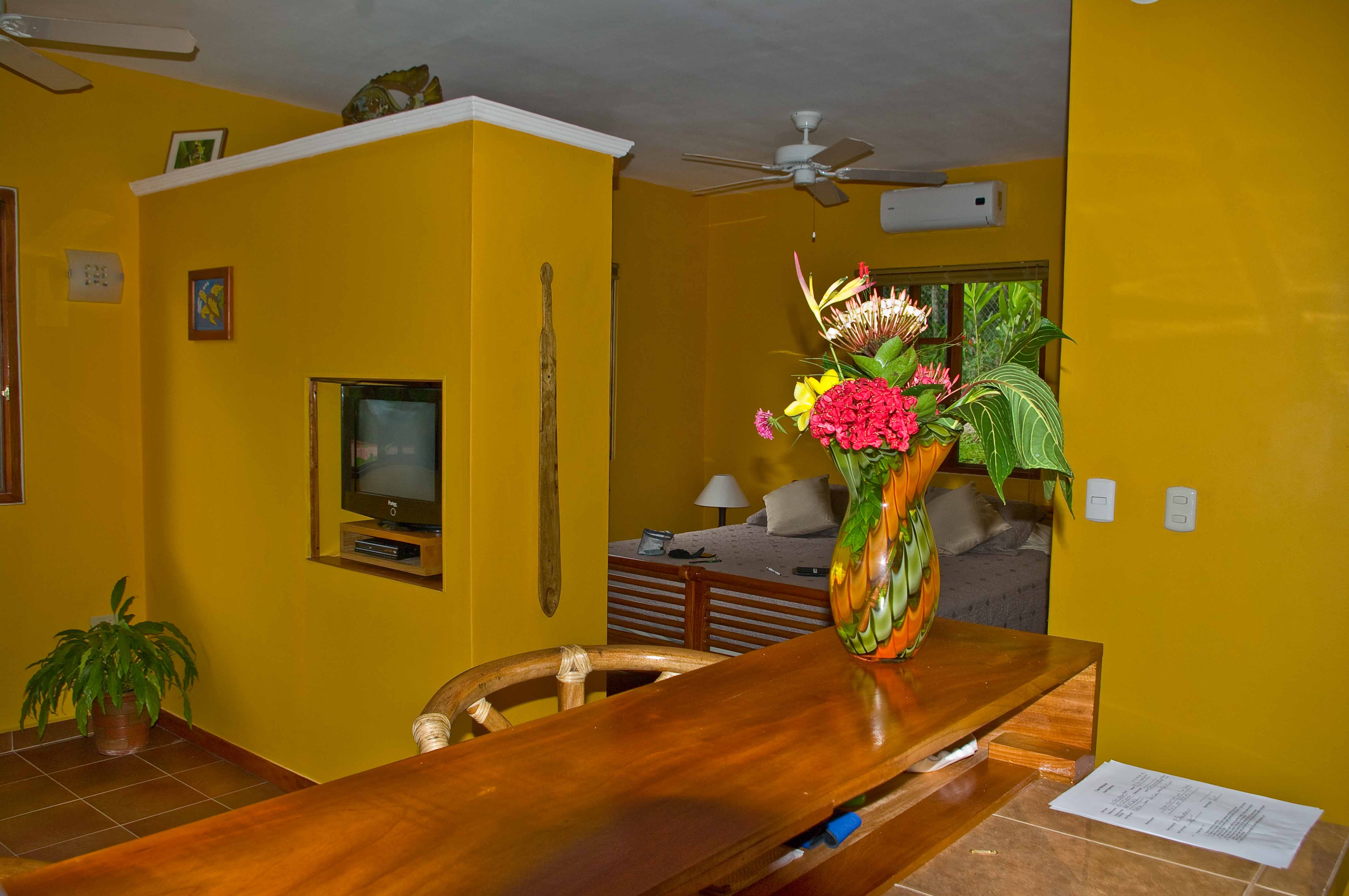
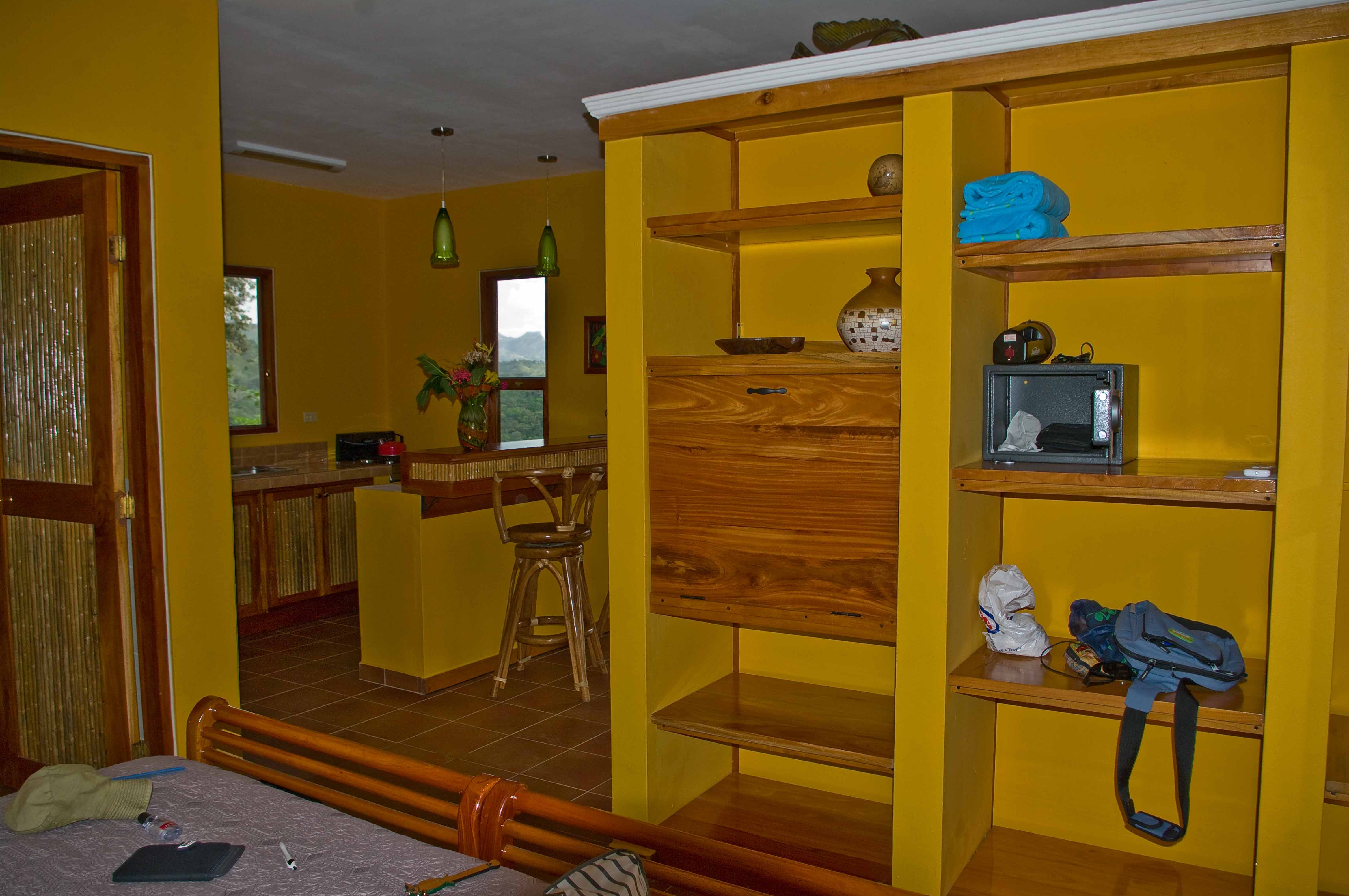
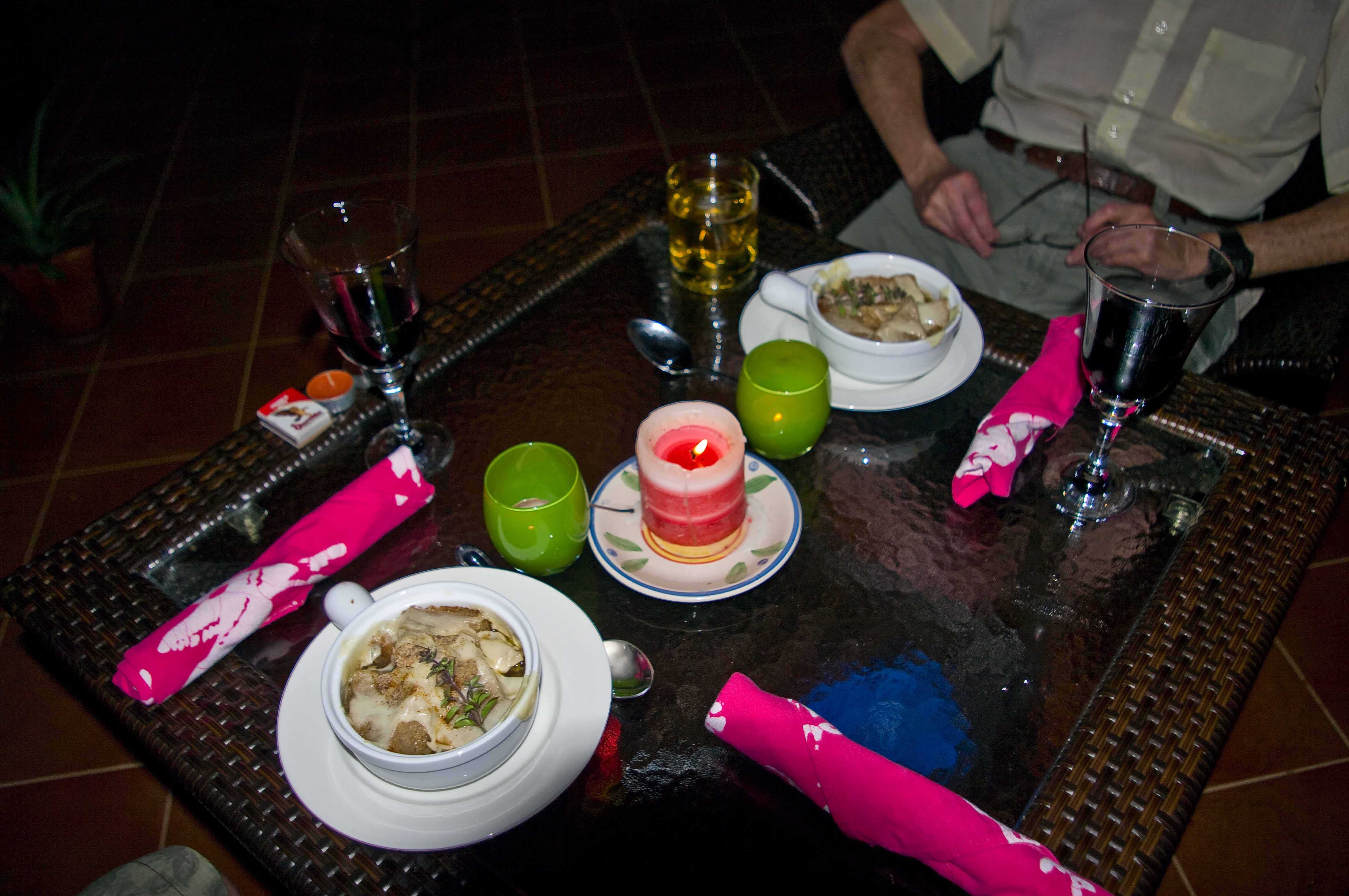
There are two new villas right inside the gate at the top of the hill. Each is beautifully landscaped to maximize the privacy between them. Our villa is called Toucan and the larger one is called Motmot, after the bird. I will show you a couple of pictures of the Motmot in the next post. We were warmly greeted and oriented to the ways of the Casa Mariposa by the owners Kevin and Erica, who are from Ontario. The routine here in this brand new resort is like in a five-star resort. We sat and visited with Octav on the large deck of the Motmot, where he is staying, trying desperately to take in all the amazing view. Rachel came to explain the dinner specials and to take our order. They have a menu of around a dozen items or so. Graham, the chef will prepare the meals and he and Rachel will them serve them to us on the Motmot deck. So far we have experienced friendly helpful owners, who are attentive and follow-up on every small detail as well as a wonderful gourmet dinner capably served in the most beautiful restaurant, the deck of the Motmot!
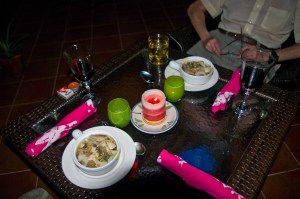
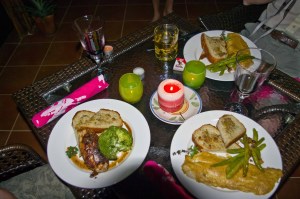
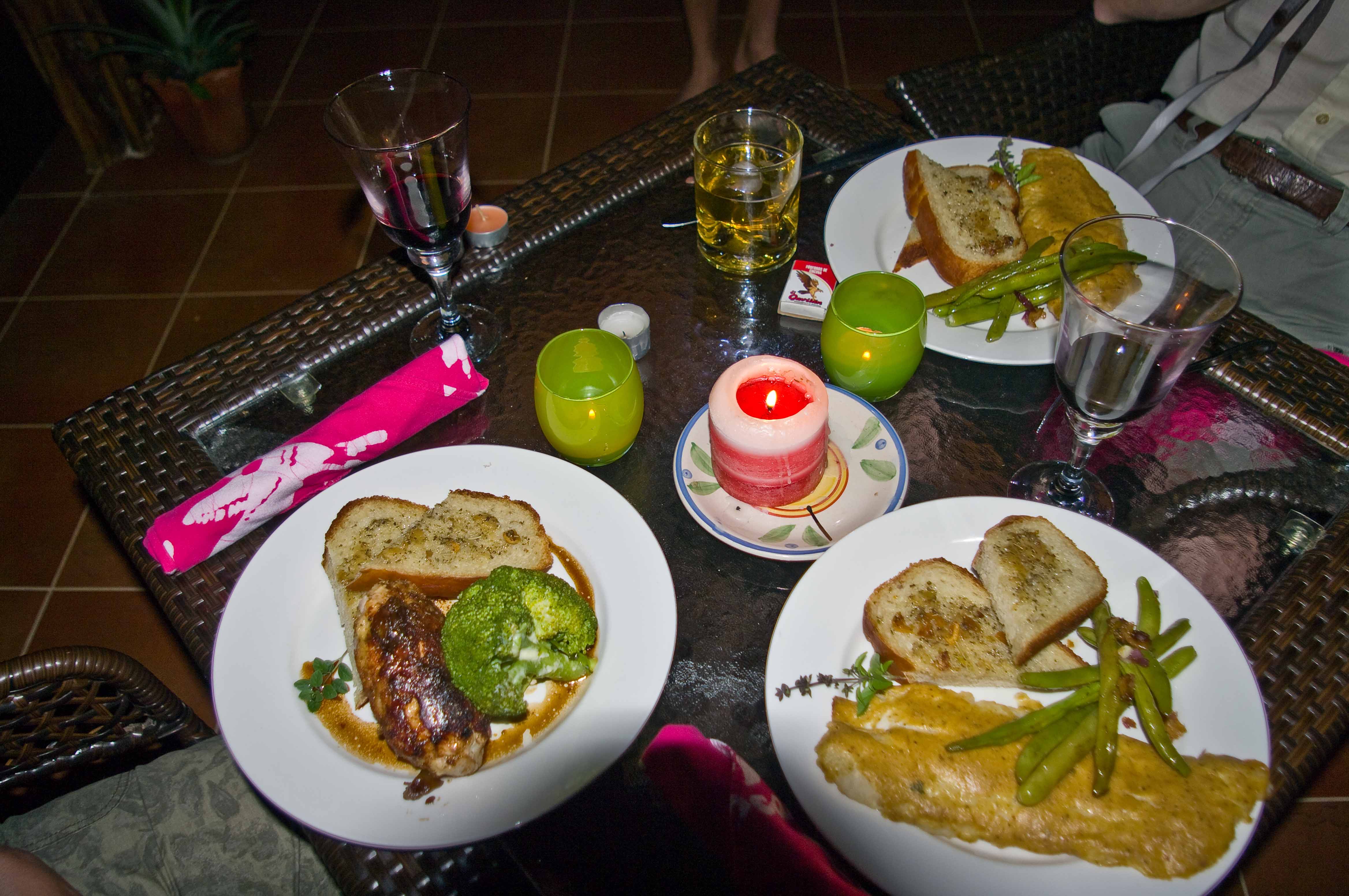
The dinner selection I chose was horseradish and parmesan encrusted red snapper filet with home-made rye garlic bread and braised green beans. Andrea chose the homemade french onion soup featuring Erica’s homemade bread, then the stuffed chicken with mozzarella, shiitake mushrooms, olives and bacon served with a shiitake mushroom white wine sauce along with purple nayami (a local root vegetable something like potato)and braised green beans. For dessert we chose the pineapple upside down cake with a ginger sauce. Amazing! Now tell me! What other jungle can you think of that serves gourmet food like this with such a view from the dining room?

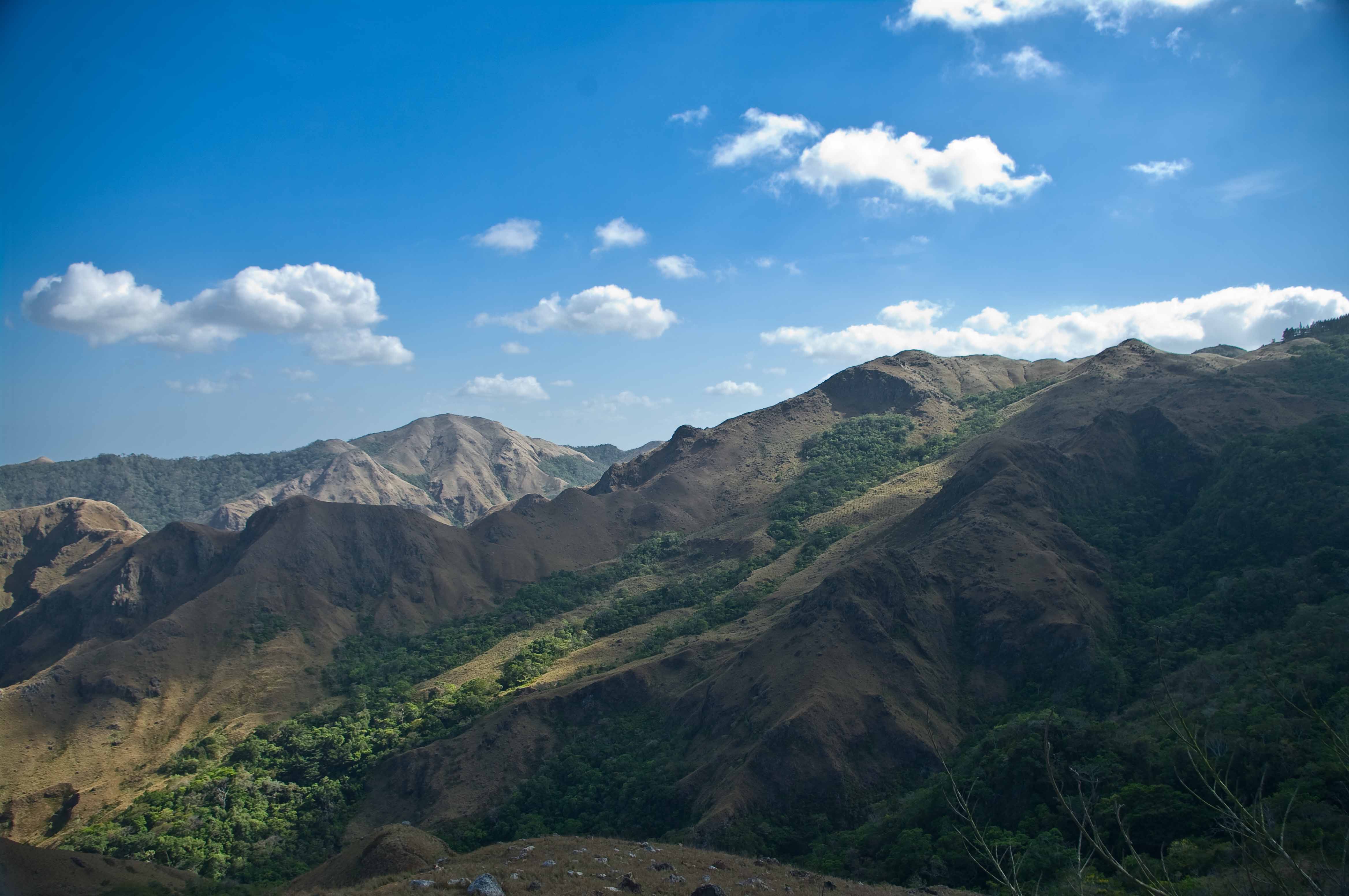

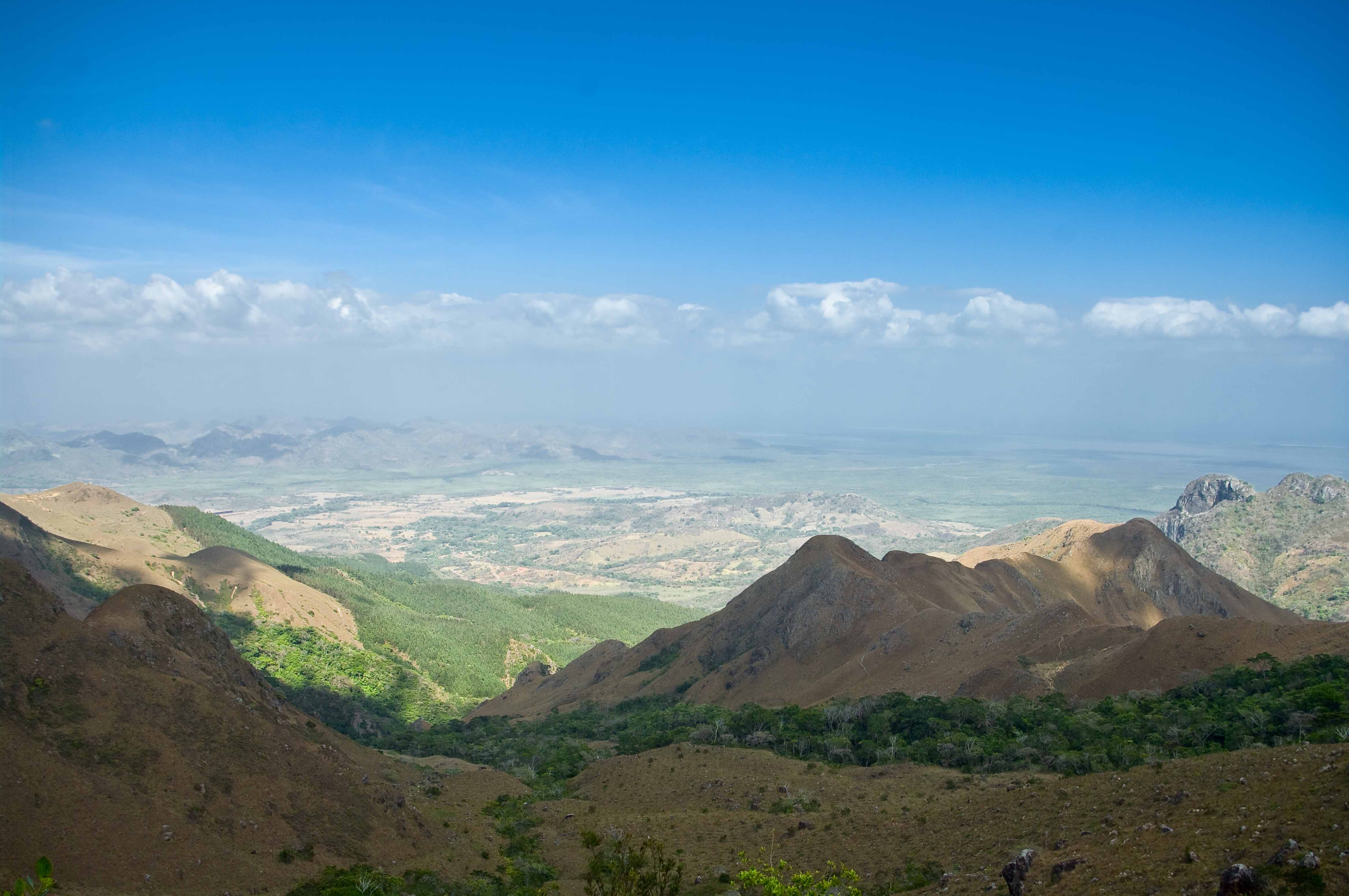
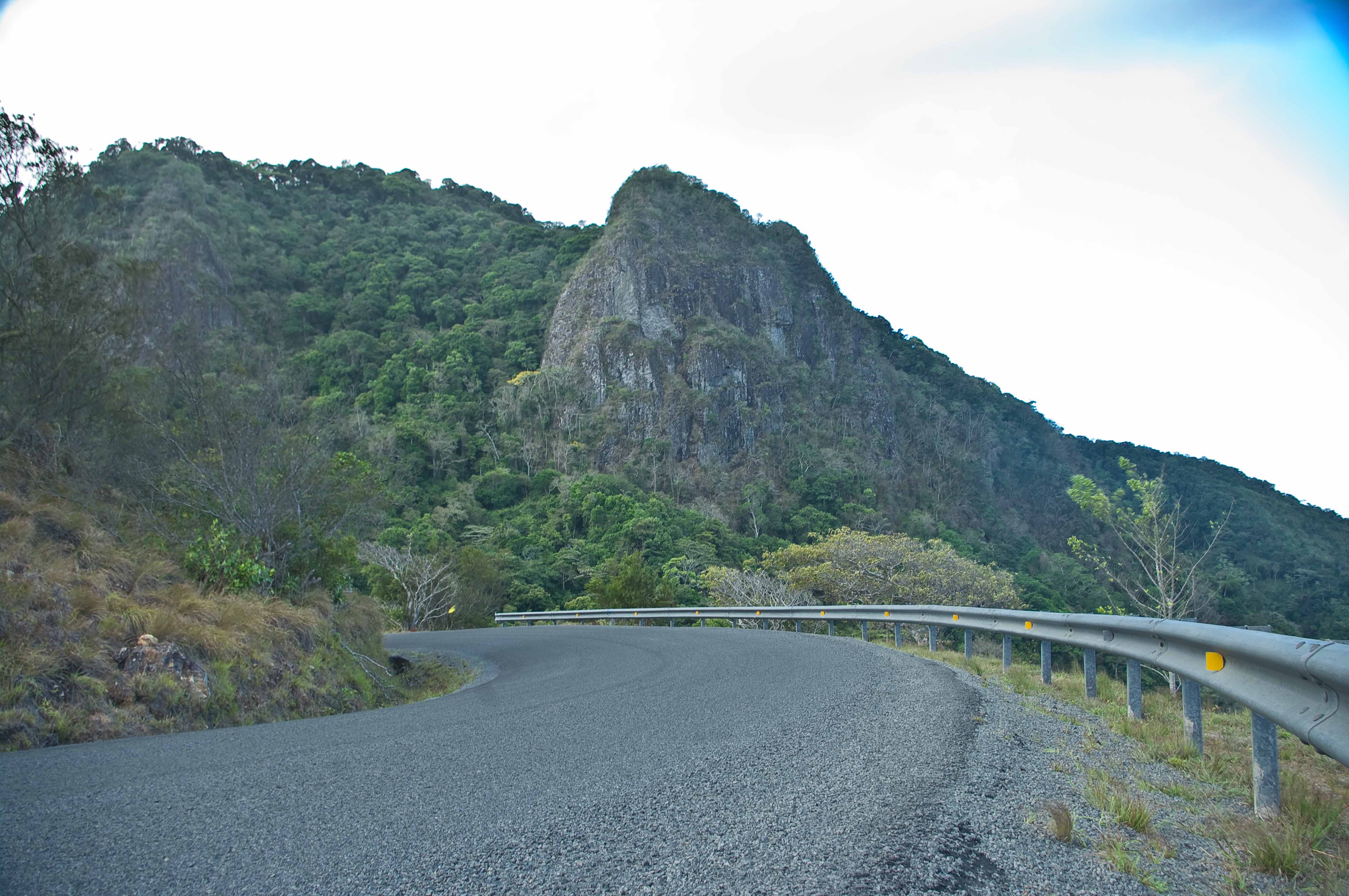
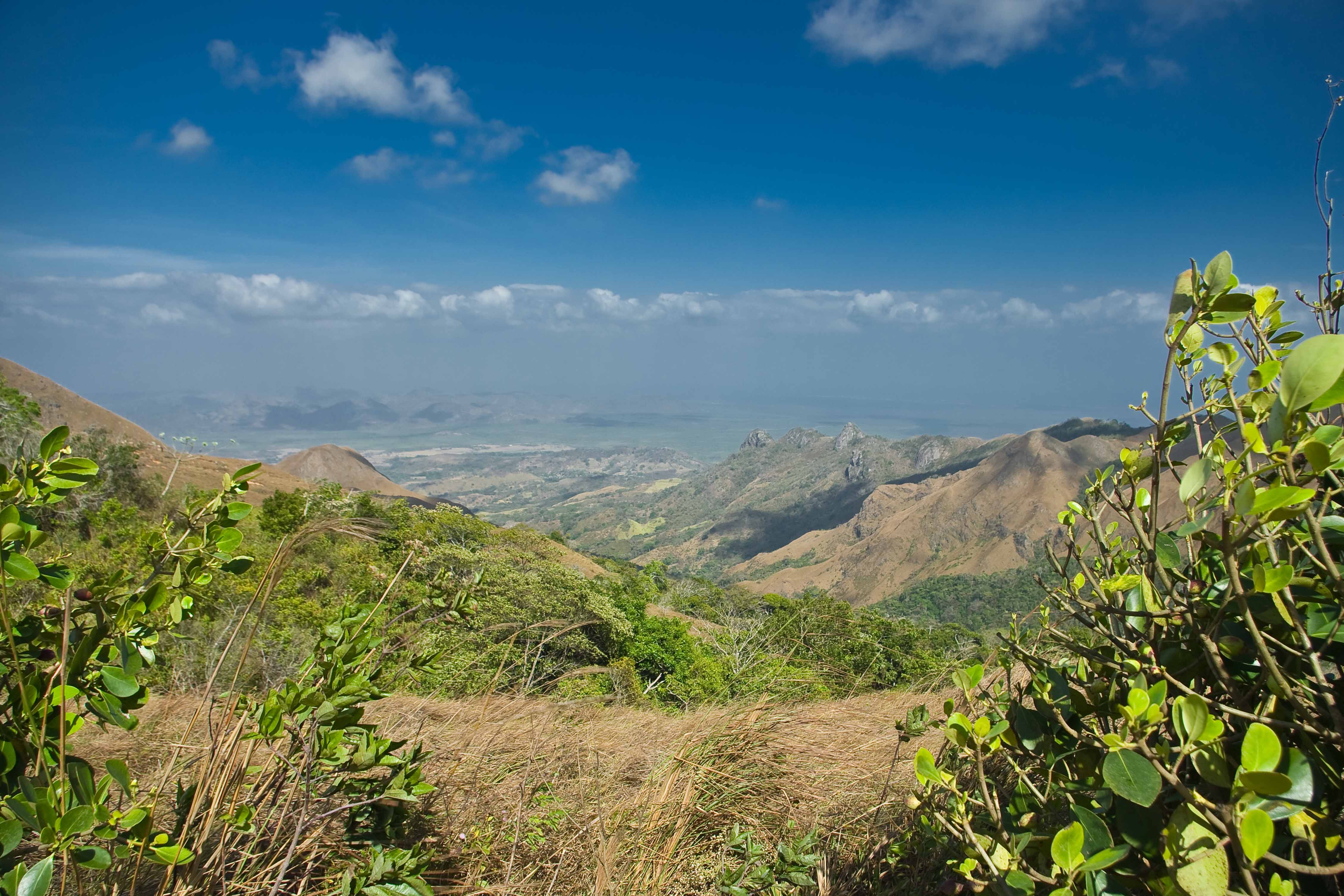
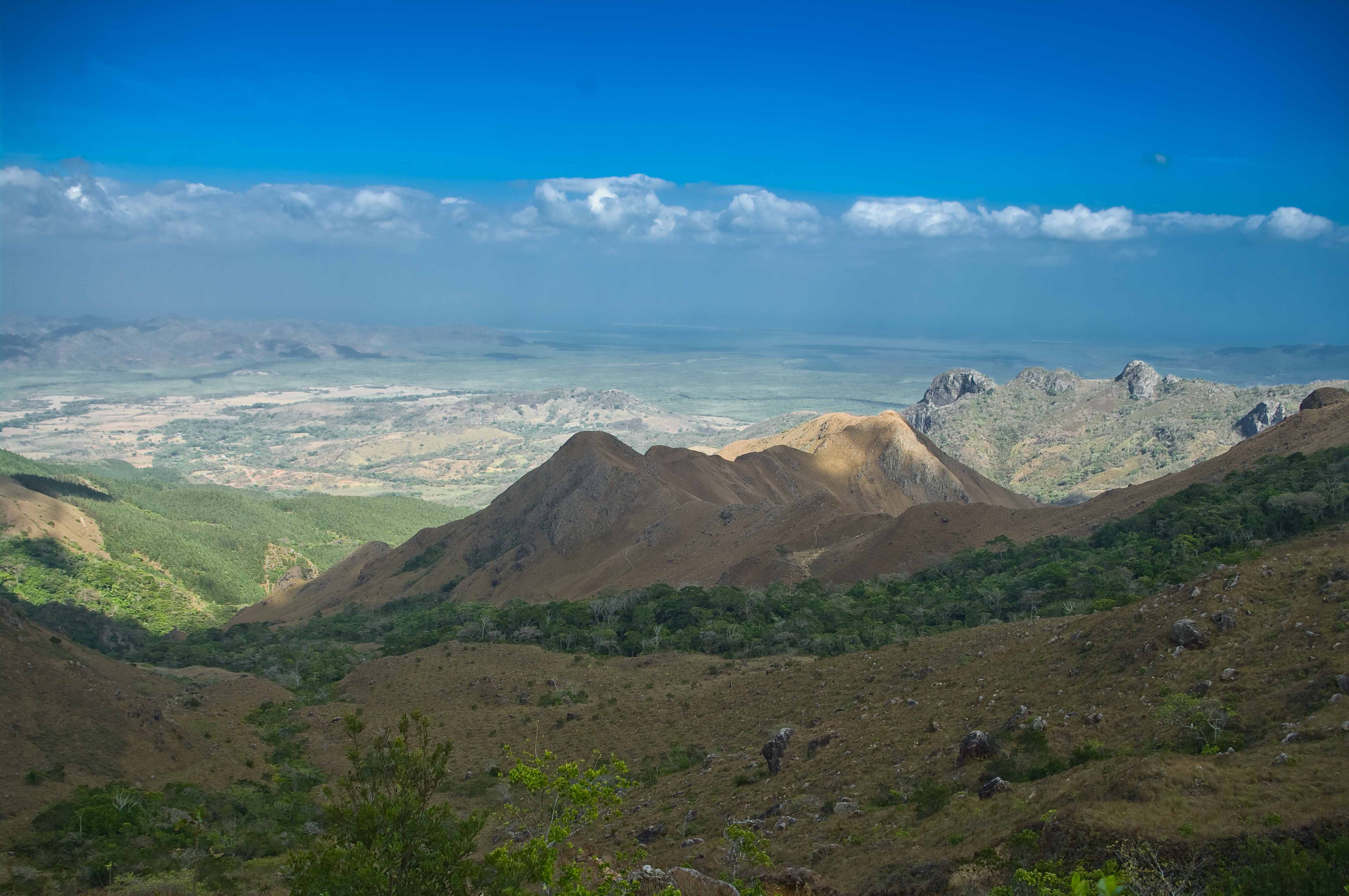
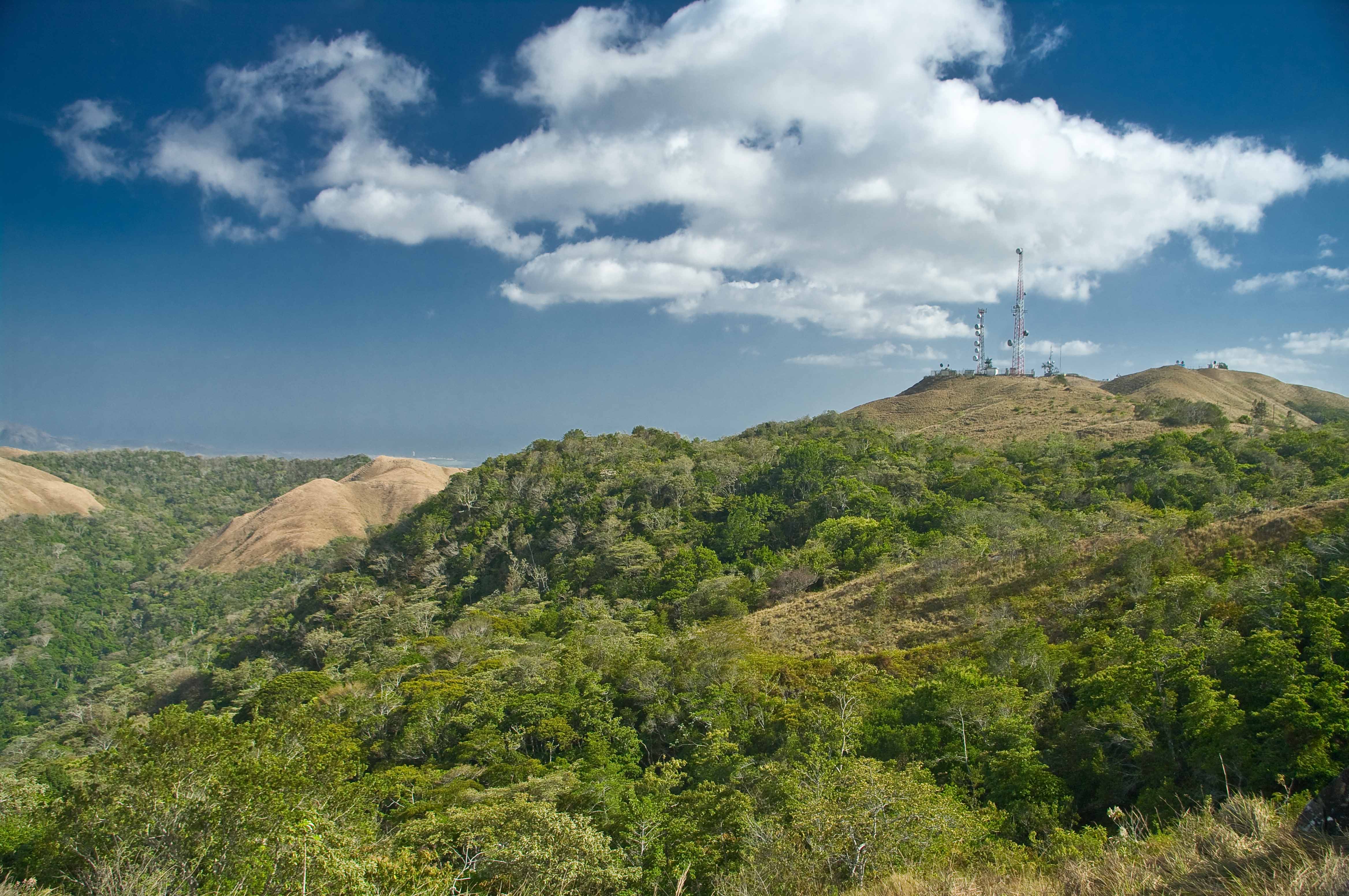
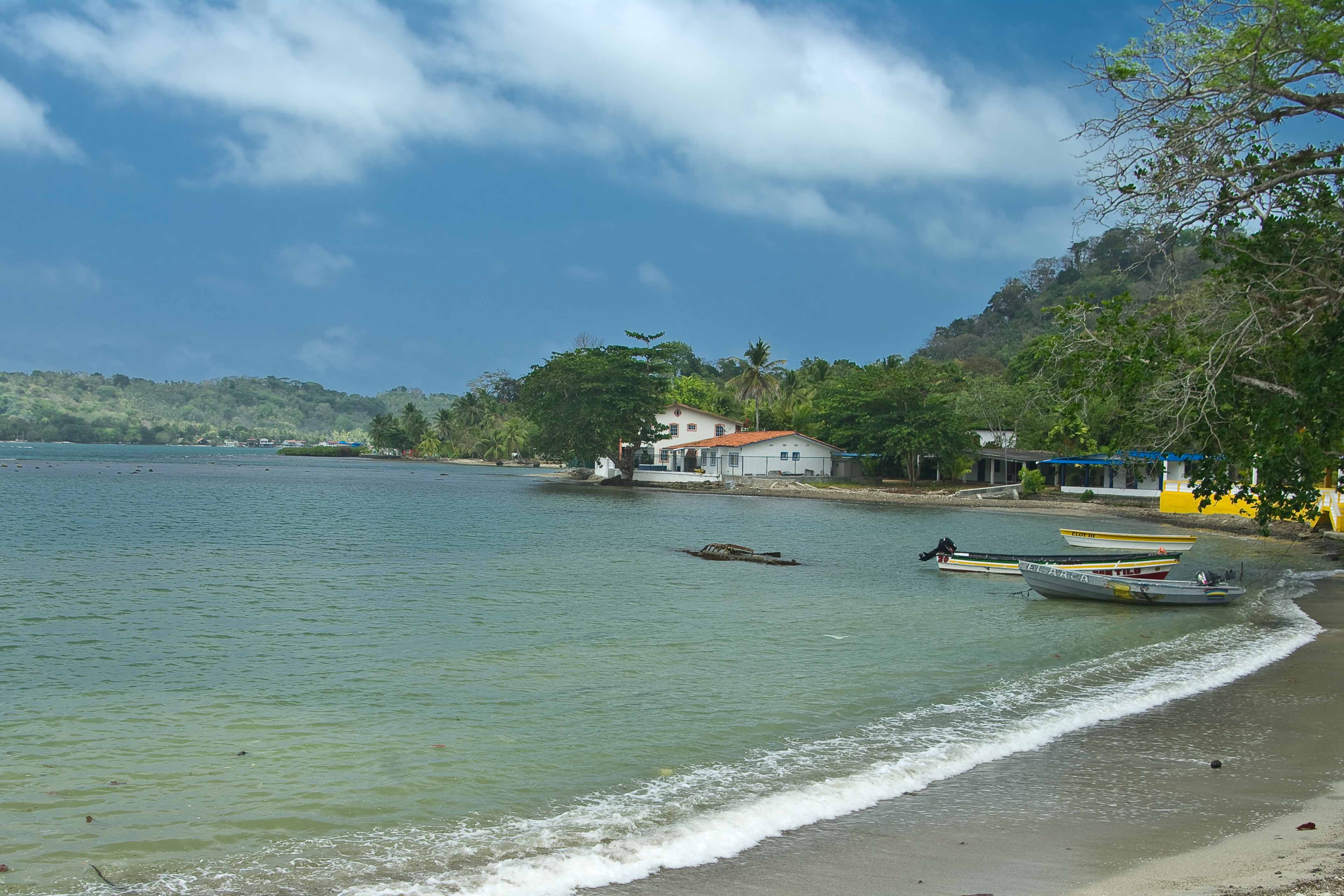
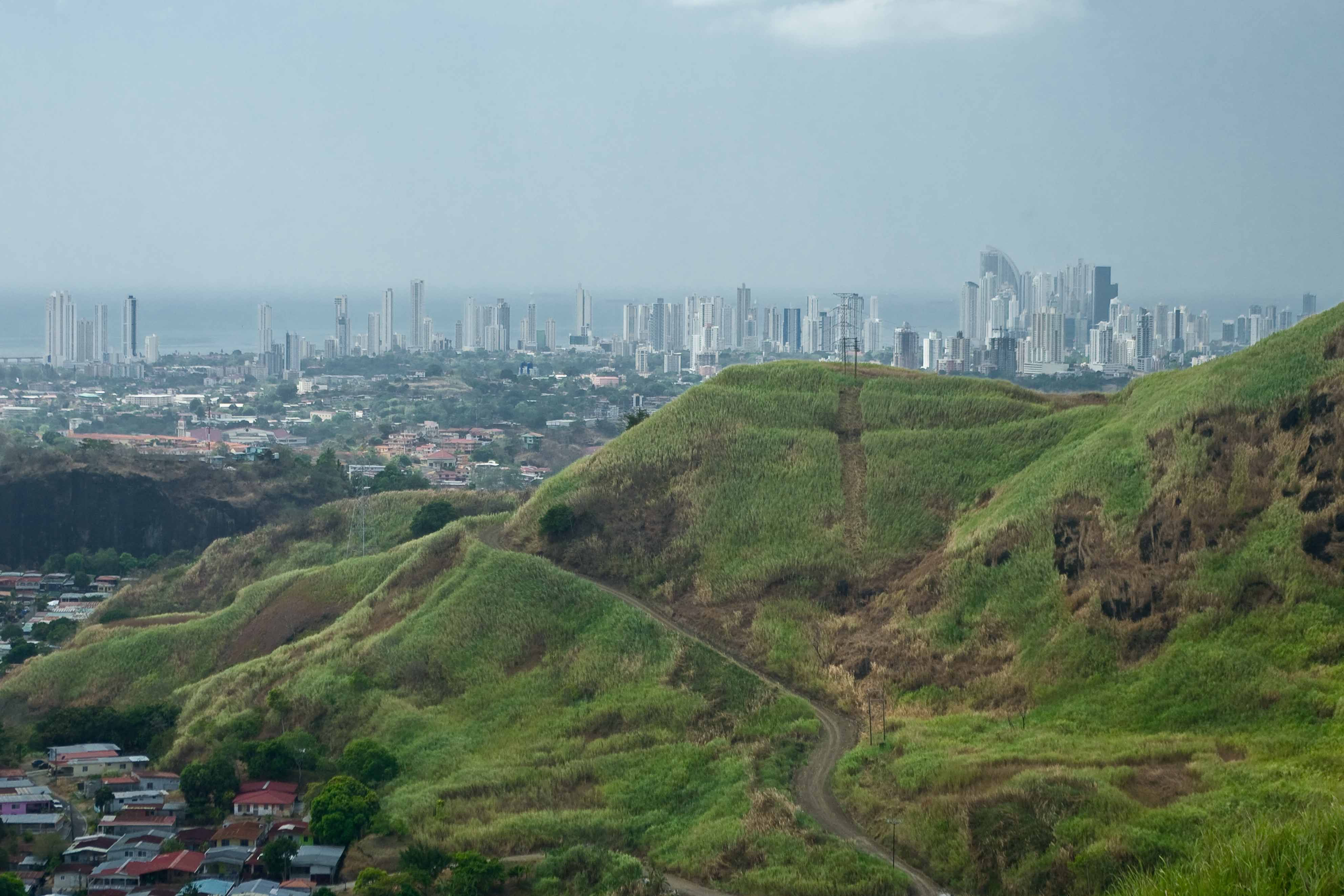
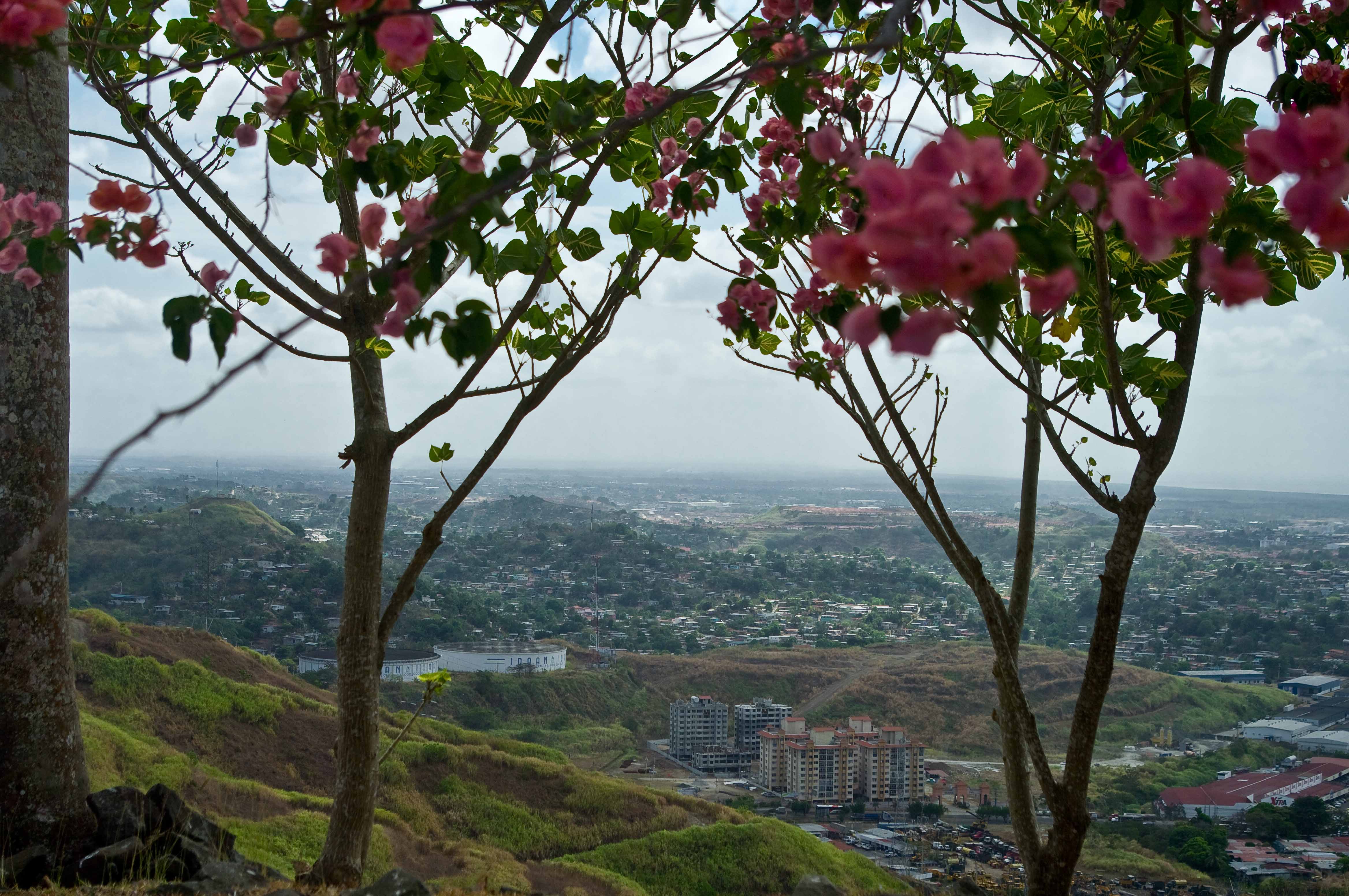
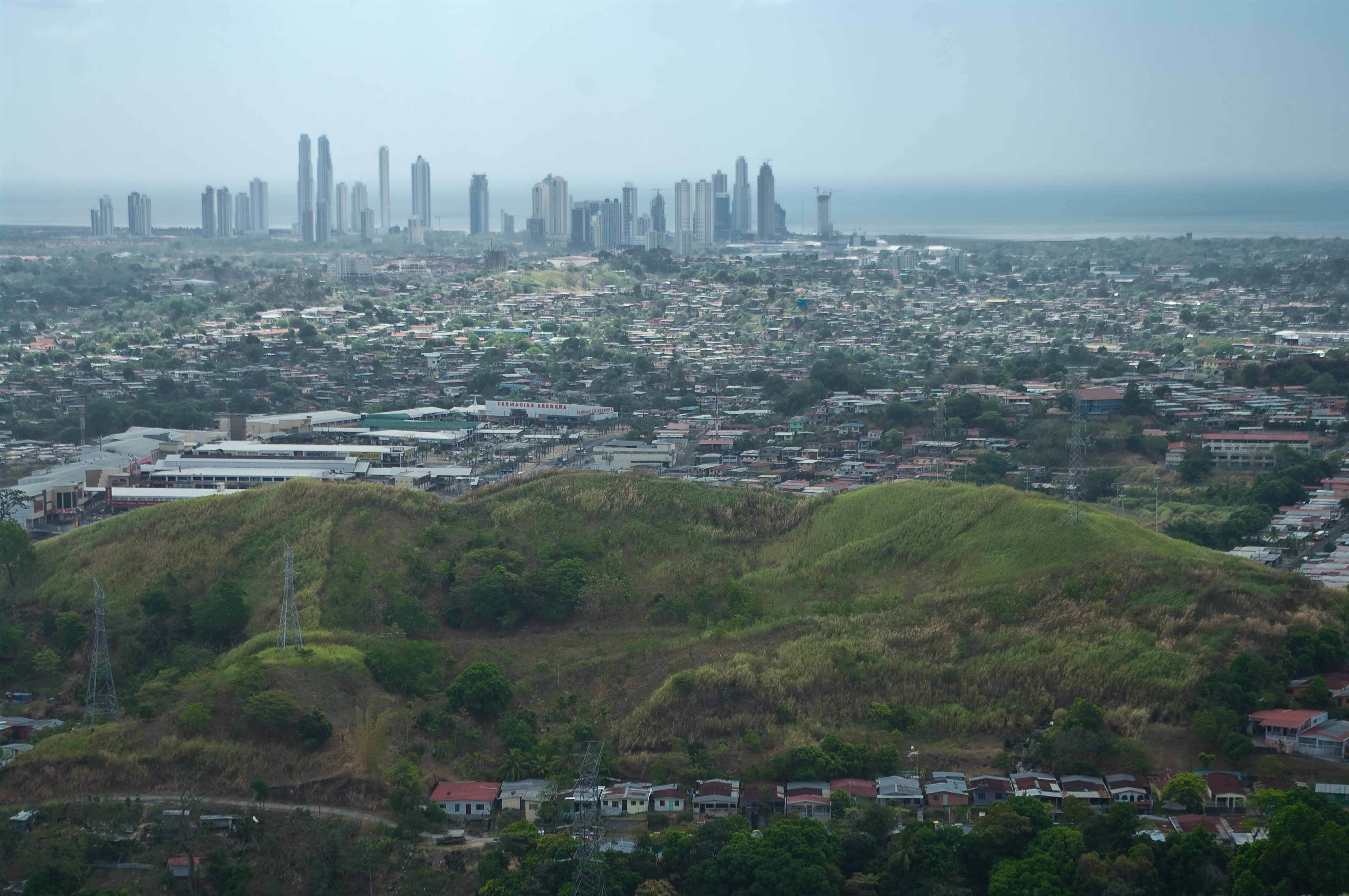
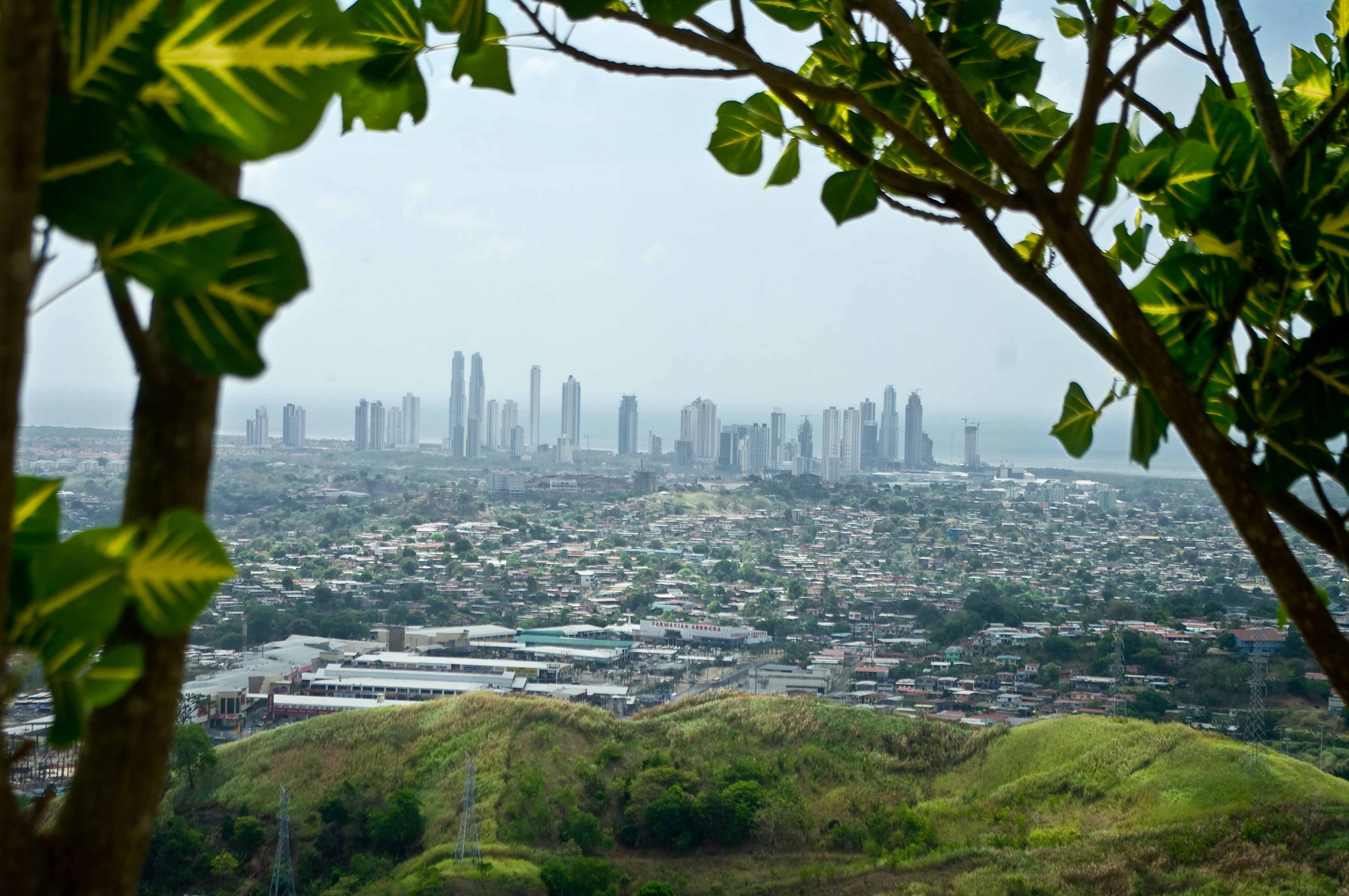
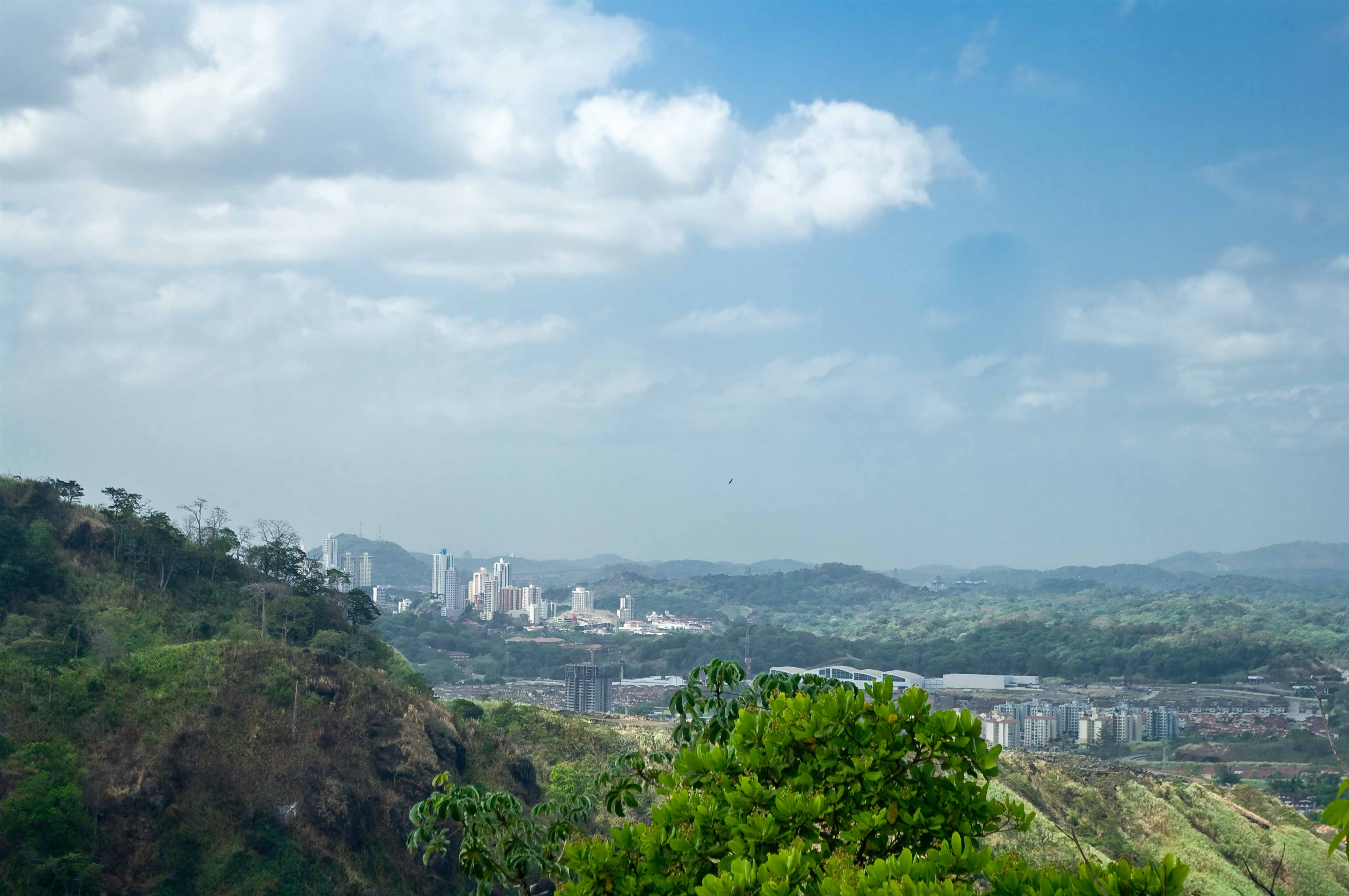
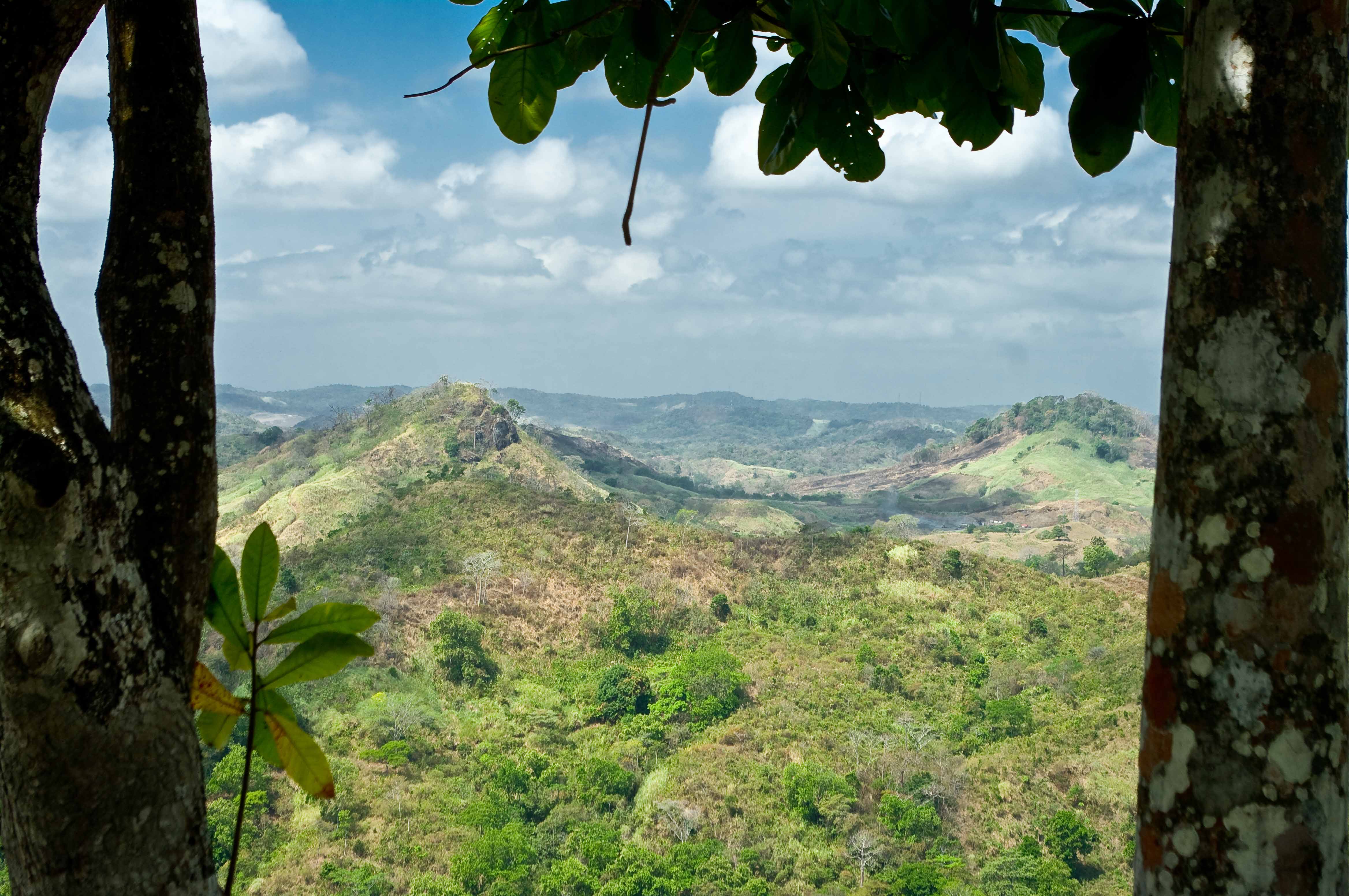
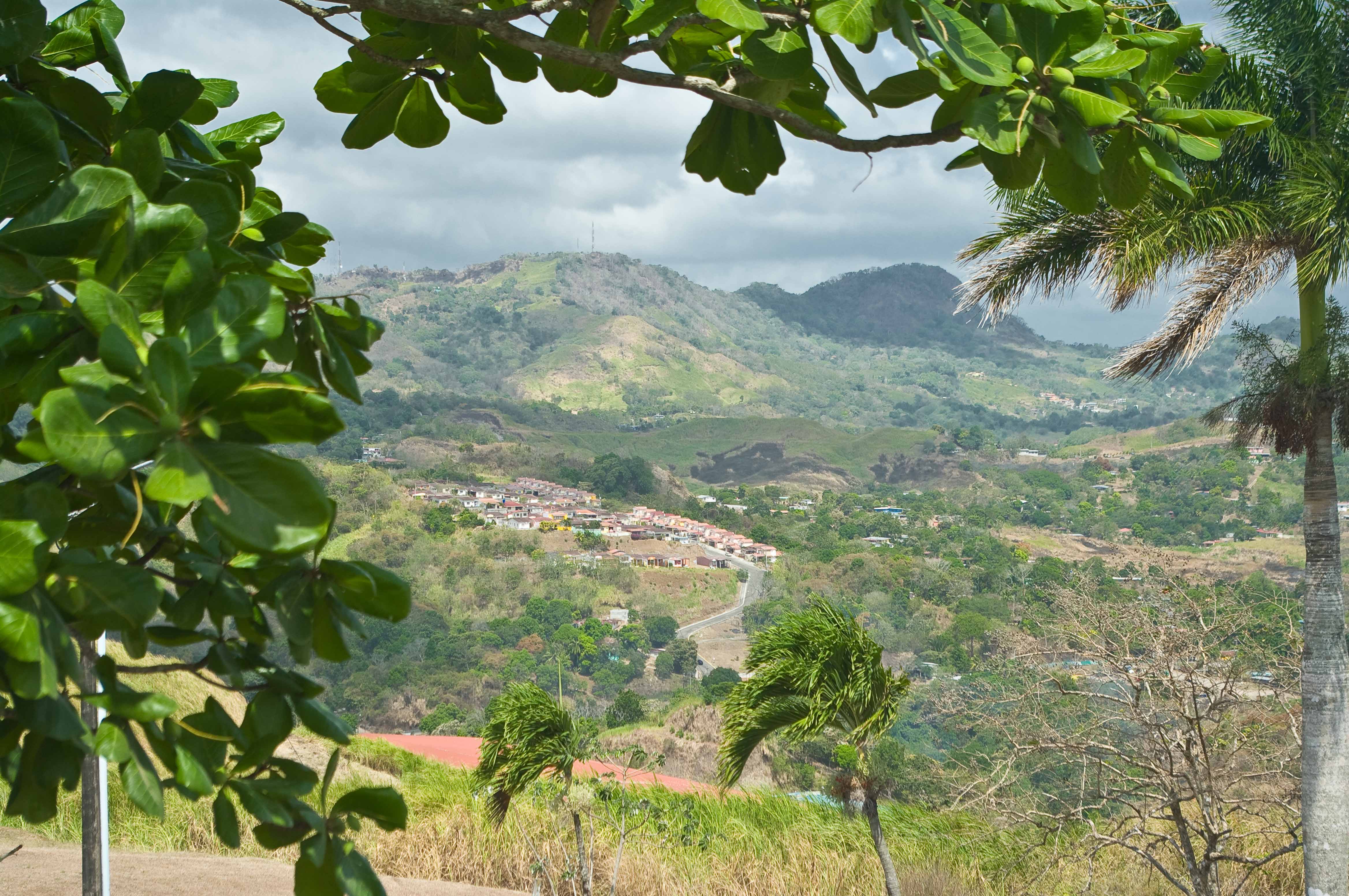
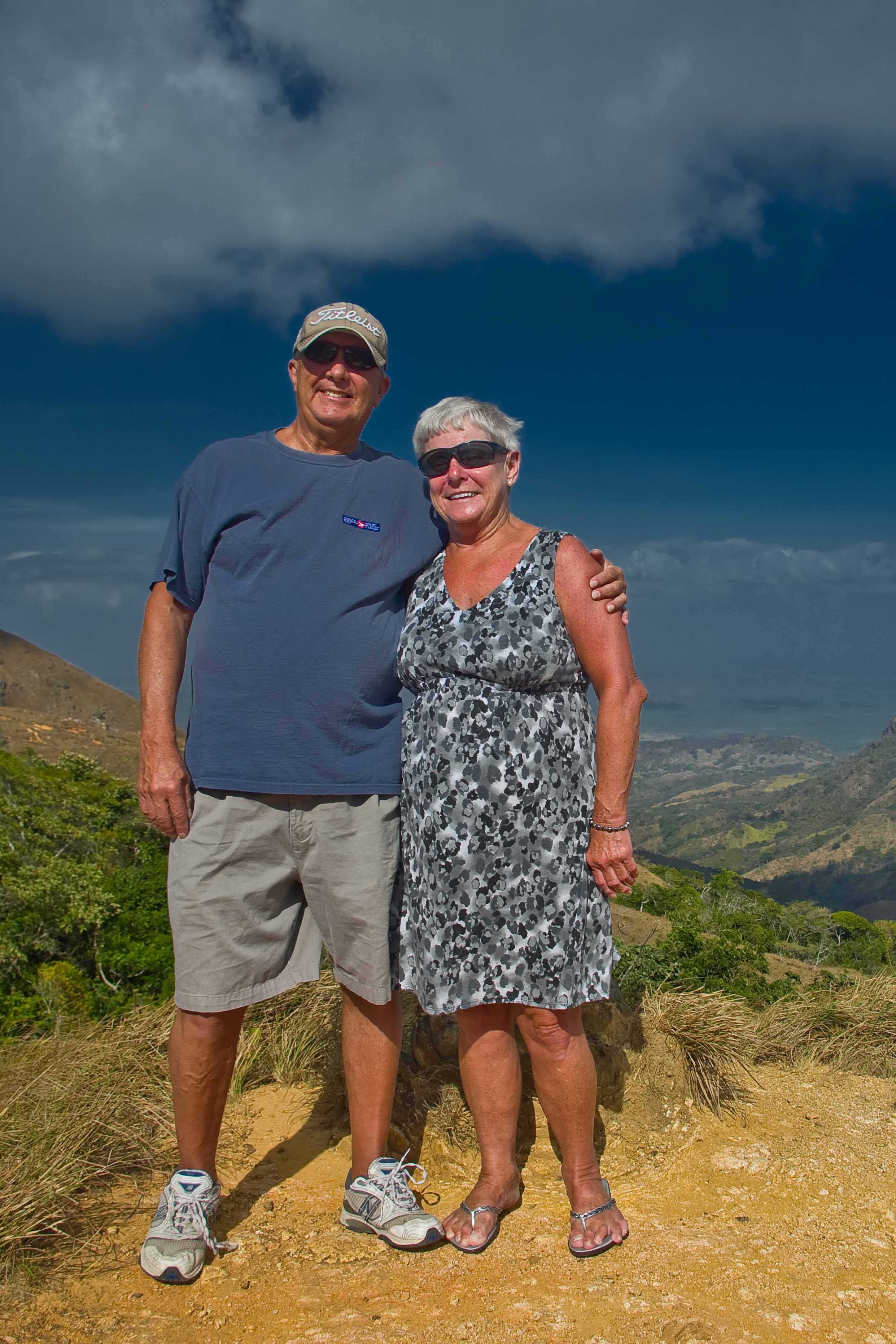 Once in the park, we drove up the steep well paved road in search of views. There are supposed to be good views of the canal basin and the mangroves at the tip of the mouth of the Chame River at Chame Point from the lookouts in the park but today is quite misty and there is a lot of burning going on in the area to get rid of dead vegetation. As we continue our climb there are some spectacular views of the coast available. Unfortunately my filters were not able to remove all the haze from the pictures but I think you can get the idea.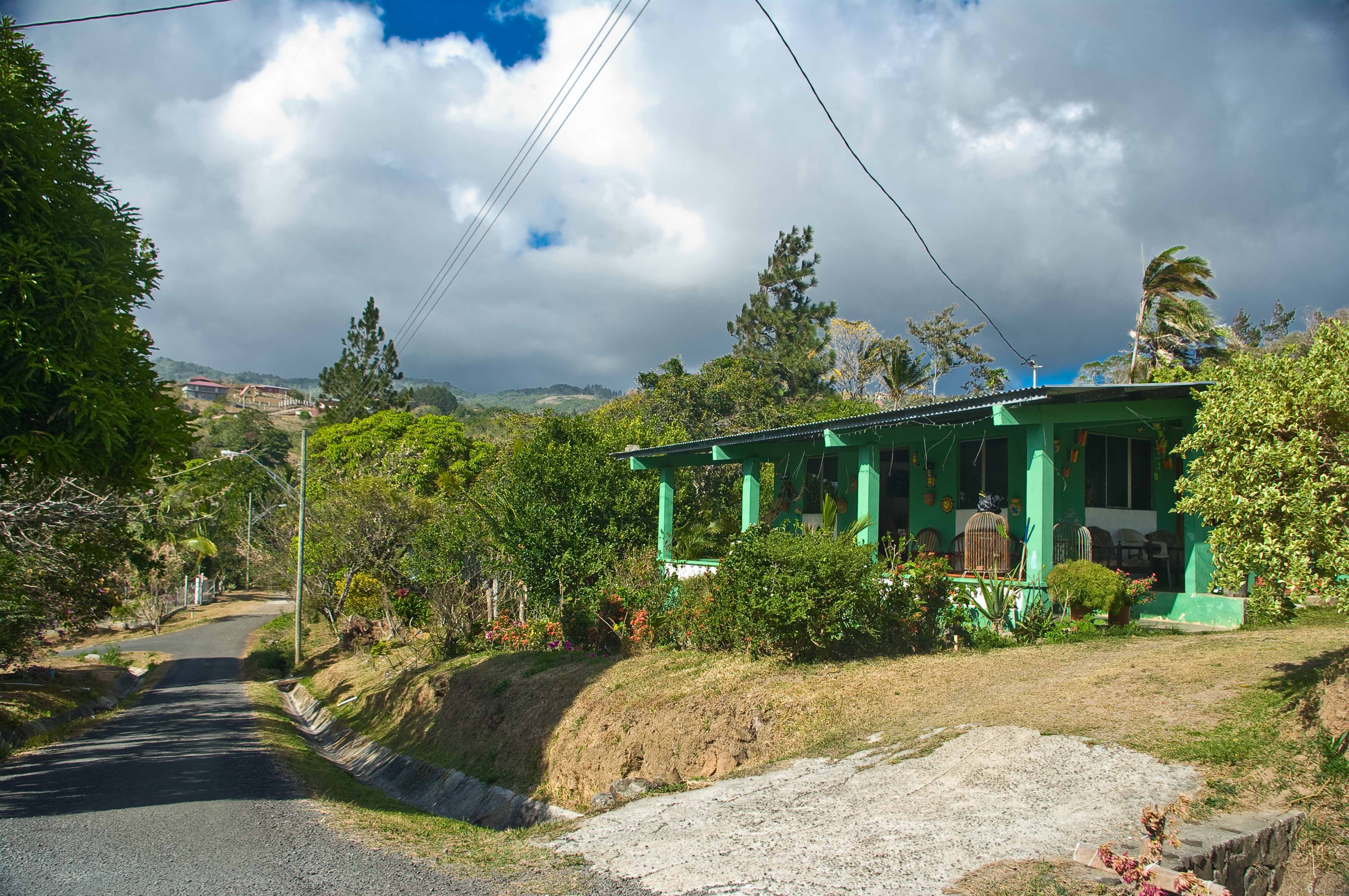







 Keith's Panamanian Travel Ramble