Keith's Panamanian Travel Ramble

The wanderings of Andrea and Keith around Panama

In Search of Furniture


One of the priorities for us this visit to Panama is to secure some furniture. We need a bed and some patio furniture that can be set up in a flexible way depending on the occasion. Also, it would be nice to have something that will look good enough that it can be brought into the house for use should the need arise.

The beauty of our location in Panama is not without some challenges. We live in the jungle and we have extreme humidity, particularly in the rainy season which encompasses May through November. Why is this a problem? Well, most furniture here is built out of press board. Press board looks nice when it is new but bring it into a 90% humidity environment and in no time it will soak up enough moisture that the doors no longer close, drawers stop sliding, seams pop, and it takes on a strong rotting smell. Not good! The other problem is that termites and ants seem to be able to find furniture made from press board and other soft woods, even inside the house.

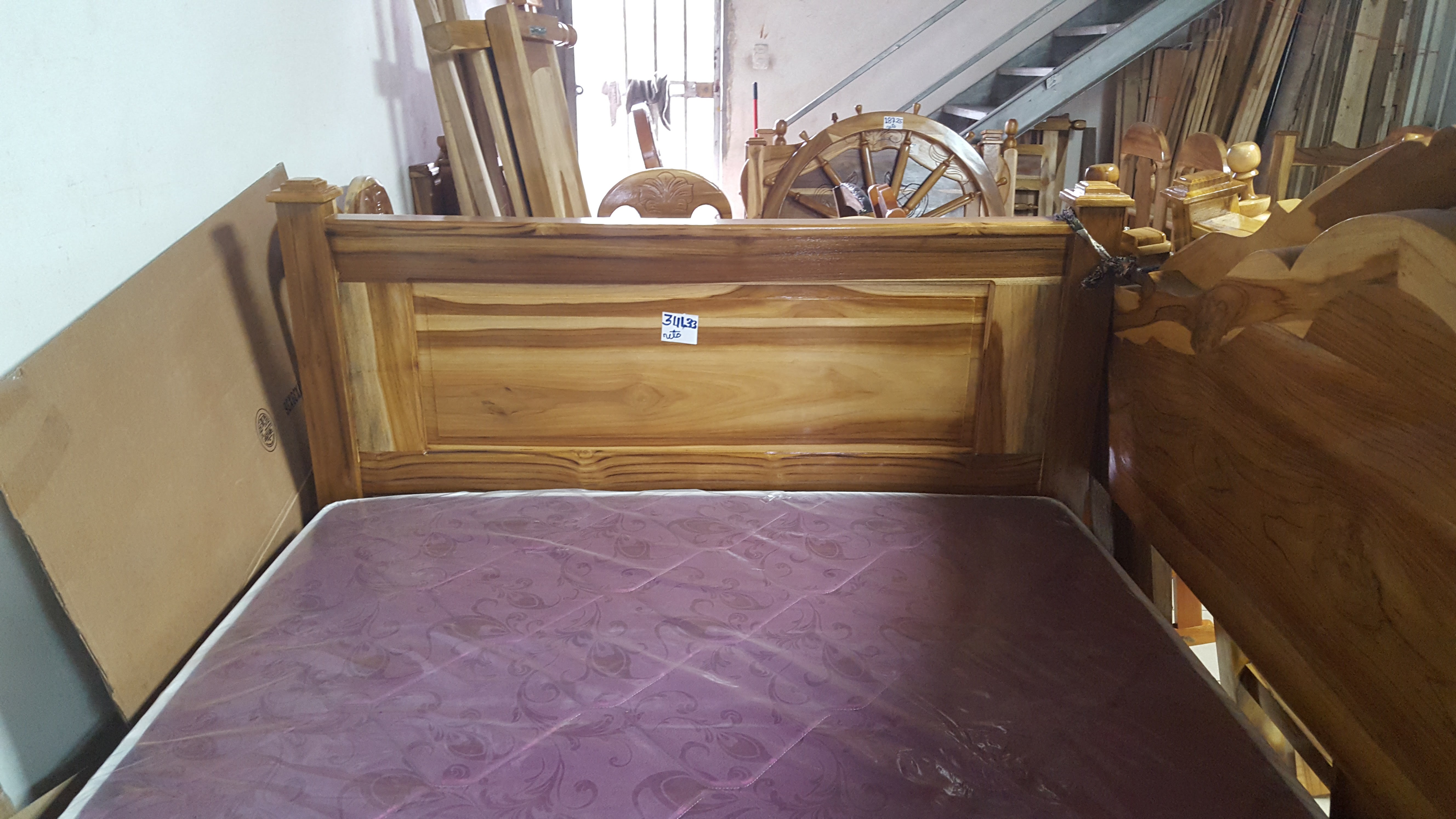
There are two hard woods that the bugs will leave alone. They are Sour Cedar, a hard wood relation to the Cedar soft wood we are familiar with at home and Teca (Teak) which you see here with a highly decorative grain. The Sour Cedar tends to have a tight monotone grain which is quite plain while the Teca can have a dramatic multi colored grain. We had decided that we would try to find a bed made from Teca.
20161026_141359

Most furniture stores have furniture made from Teca but the styles are not very creative and the finish is usually rough and poorly done. The designs are all similar and none of them appealed to us. High end stores have furniture with nice designs but nobody seems to know what it is made from and there are lots of press board.

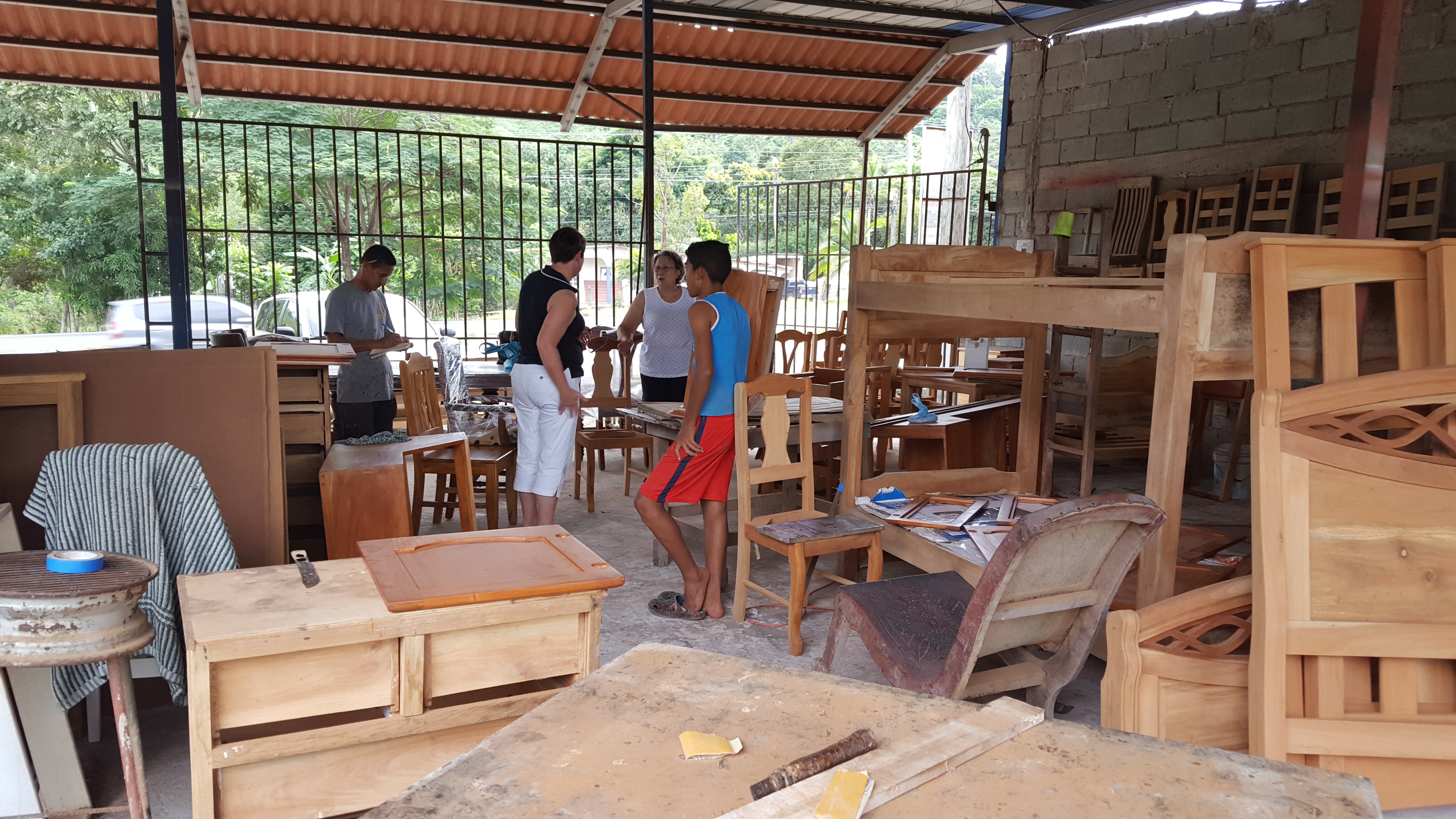
Our usual approach to this kind of problem is to talk to local people who have experience with the problem. Through a friend of a friend, this led us to a recommended furniture building shop in Capira, a small town about 100 kilometers inland.
20161031_10422520161031_10421120161031_104302

20161031_113524

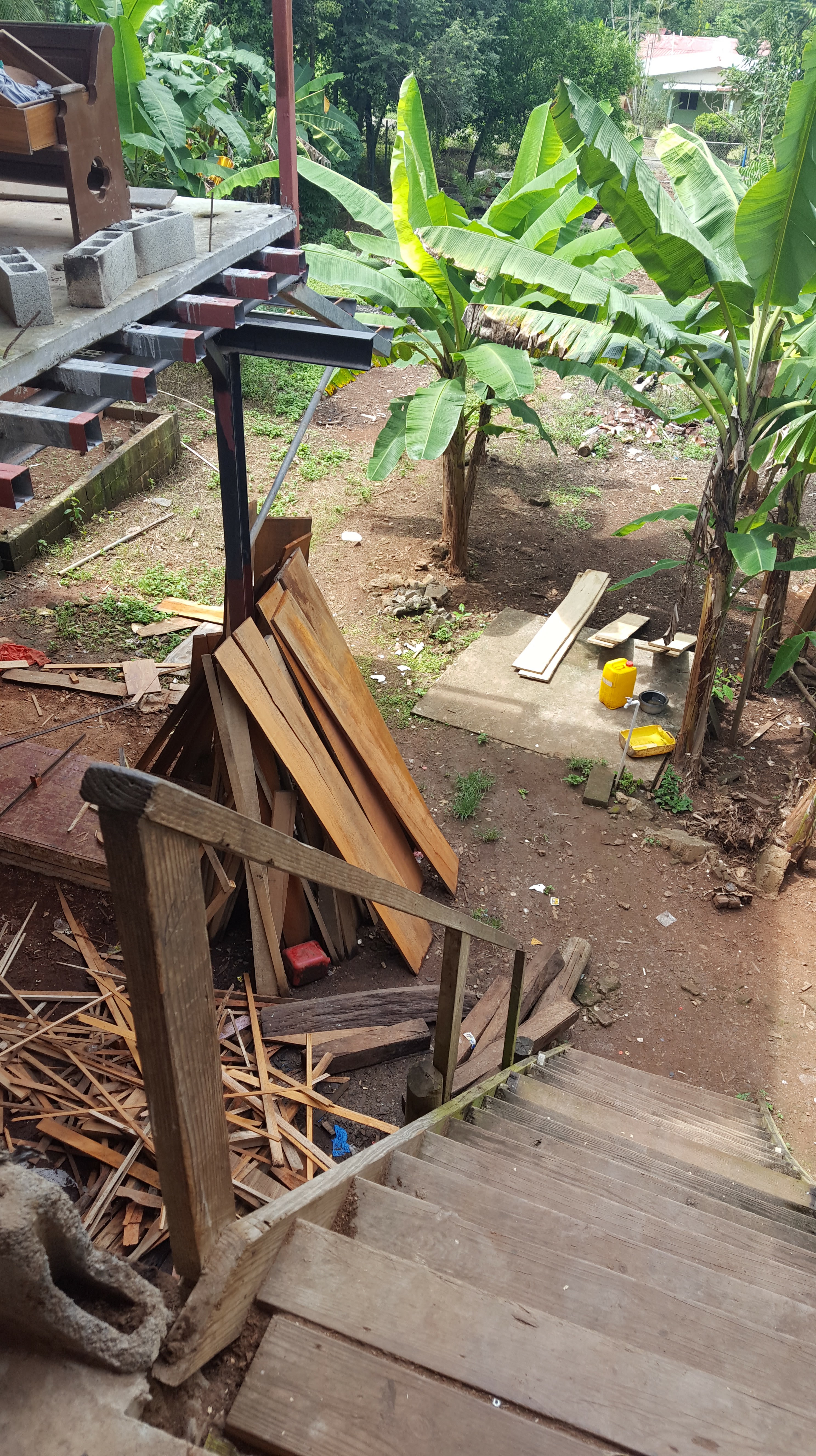
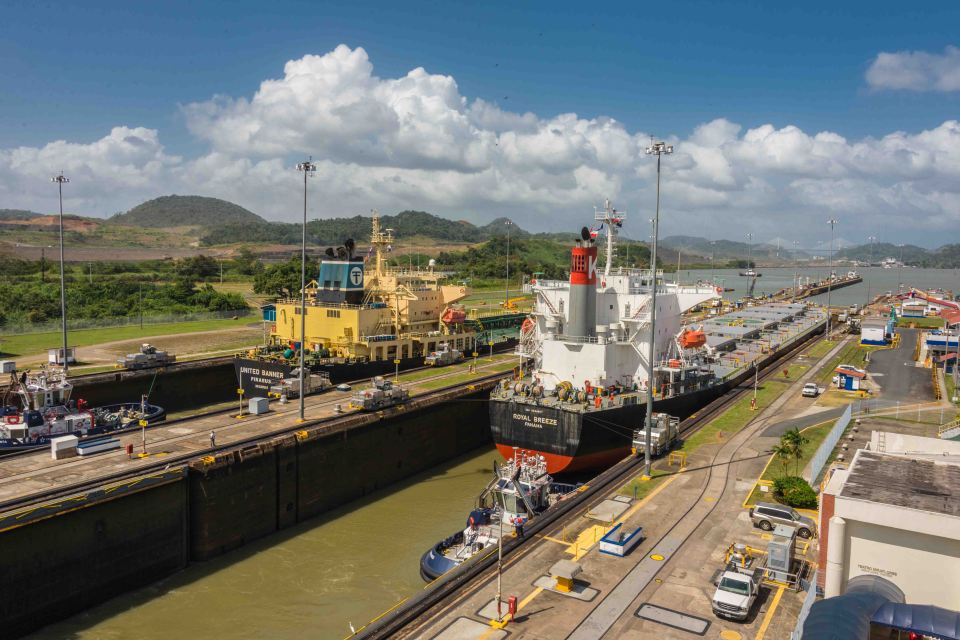
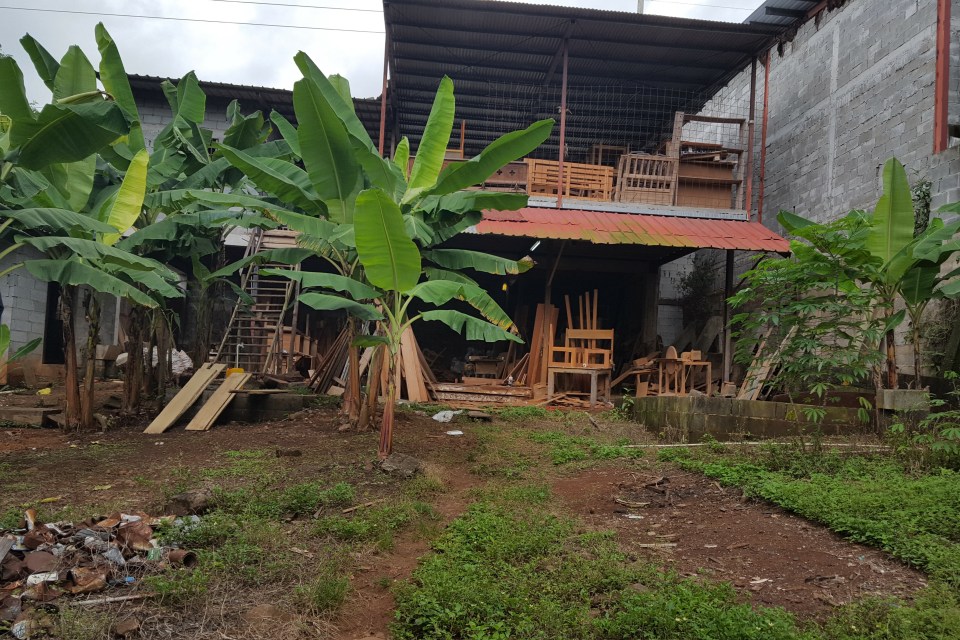
Our two-hour drive took us down the mountain to Corredor Norte and over the Centennial Bridge. When we arrived we found a small store front with a show room, of sorts, upstairs and the shop below. Alejandro, the proprietor, ascended from below via a most unsafe staircase to greet us. I wondered about a highly regarded carpenter who builds furniture not having much of a staircase, but this is Panama and that is often how it is.
20161031_104115

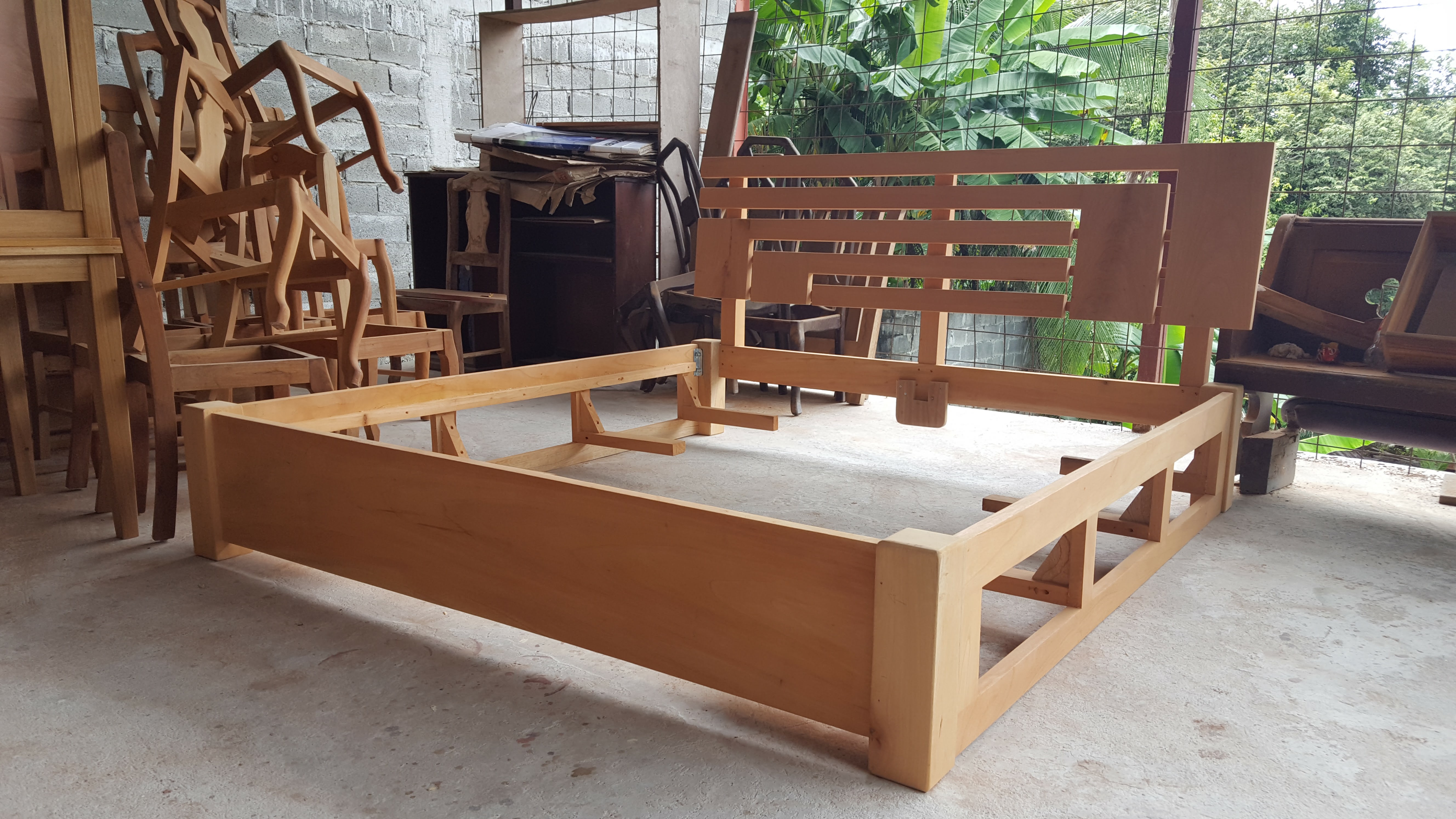
We looked around the show room, of sorts, and found many examples of his work. The quality was exceptional and the finishes smooth. At the rear of the show room, of sorts, there was an unfinished king size bed. The design was perfect but needed a couple of small adjustments. I asked the proprietor if it was his design and he told us that it was a design brought to him by people from North America. He would have no difficulty duplicating it and making the changes we asked for.
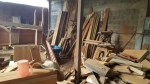
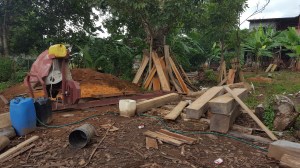
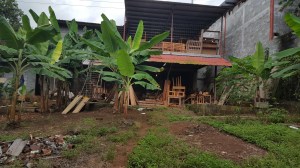
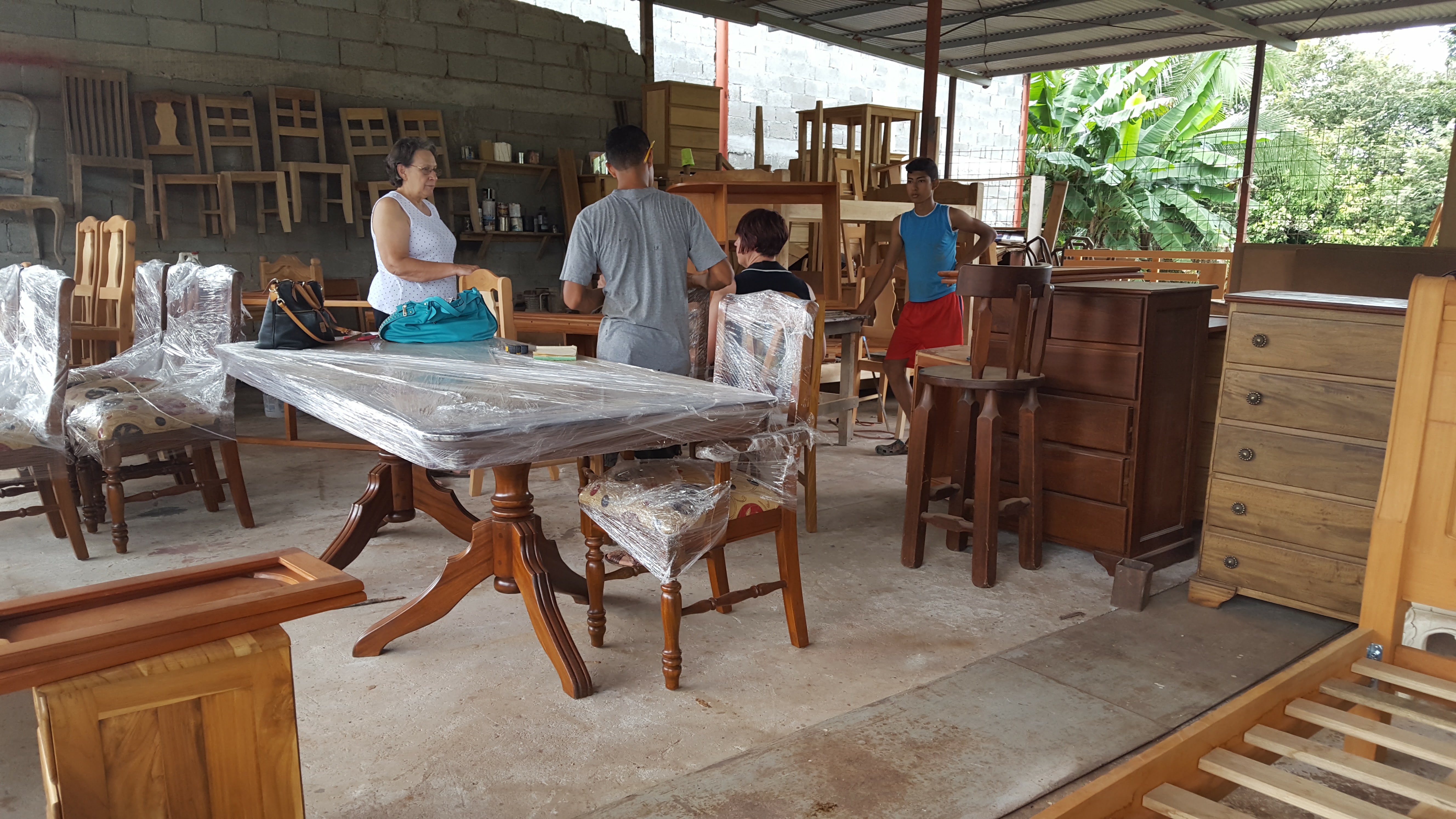
I had to see the shop! I carefully descended the unsafe staircase to the back yard where I was greeted by two dogs who would not leave me until I returned to the upper level. The yard was full of cut lumber and a crude sawmill of sorts. Under one of the banana trees there was a stack of uncut timber, waiting for custom sawing to size for a specific project. The other direction led me to the shop. A number of electric tools were spread about the large space. The pungent aroma of freshly cut wood permeated the air and the floor was covered in sawdust and wood shavings. The machines were covered in sawdust suggesting that they had been is service, creating furniture, for years. Pieces of wood were piled in disarray throughout the shop. Housekeeping is definitely not a priority.
20161030_123943

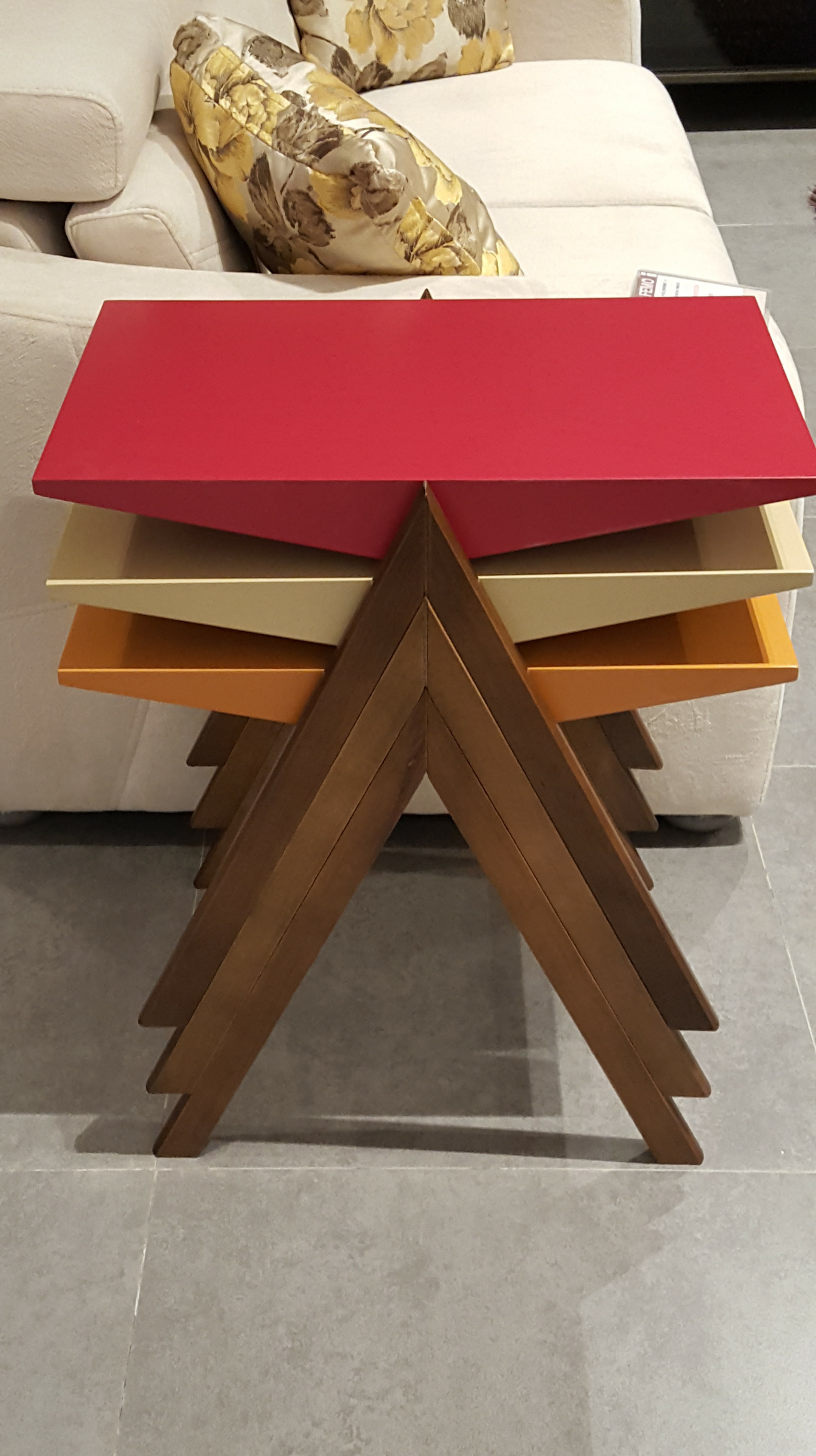
Eventually, we gave him an order for the king bed, four chairs to be used on our patio and three stacking tables that will be built from a design we found in a high end furniture store. The chairs and stools will be flexible enough to be used outside on the patio or inside the house.
Mangos, Money and More – Chapter 3


This is the third in a series of posts following our involvement in Simply Natural, an agricultural investment located here  in Panama.  The earlier posts are found here:

Mangos, Money and Morehttps://jkeithhowie.com/2015/03/02/mangos-money-and-more/

Mangos, Money and More – Chapter 2 – https://jkeithhowie.com/2016/03/17/the-simply-natural-lady-victoria-mango/

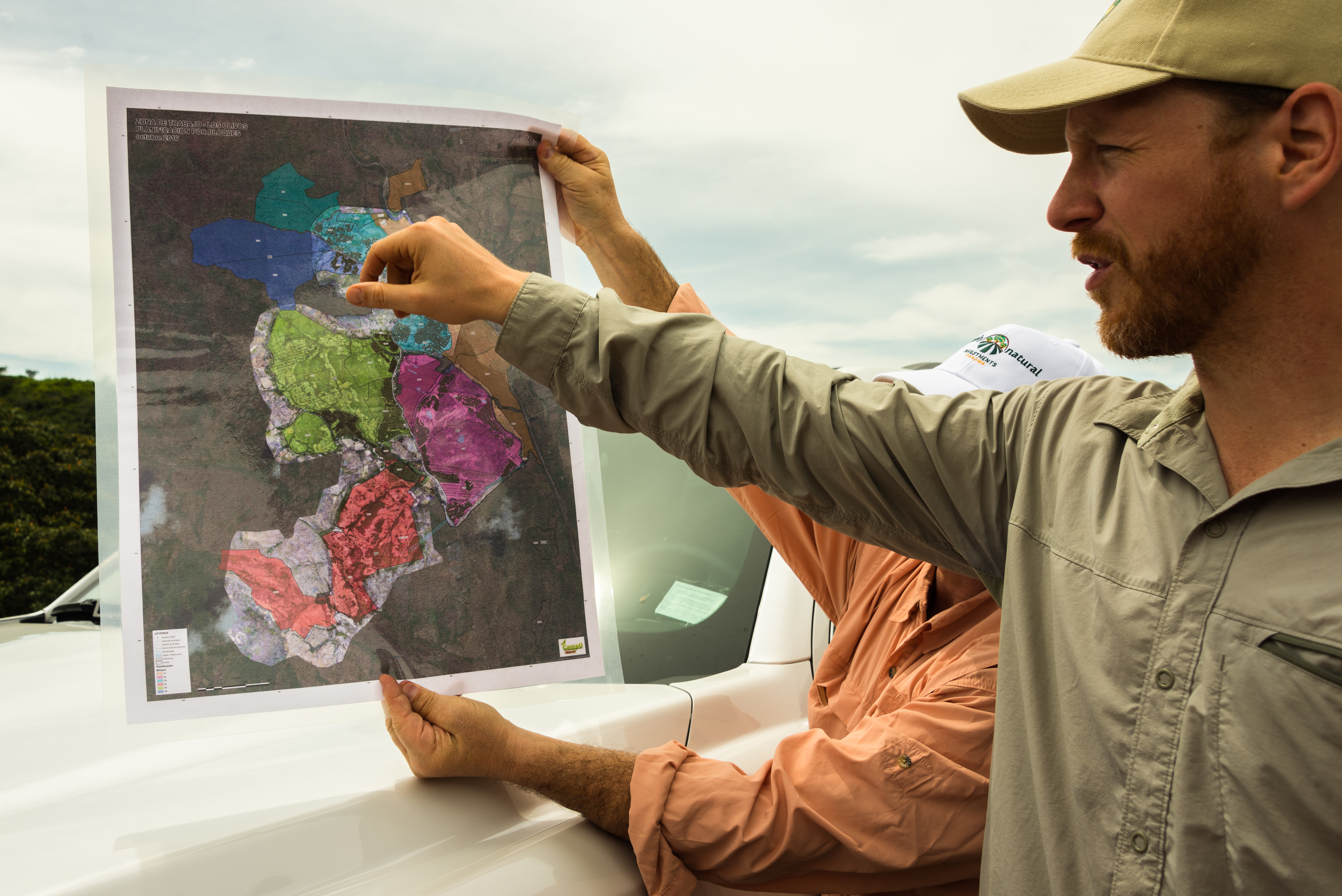
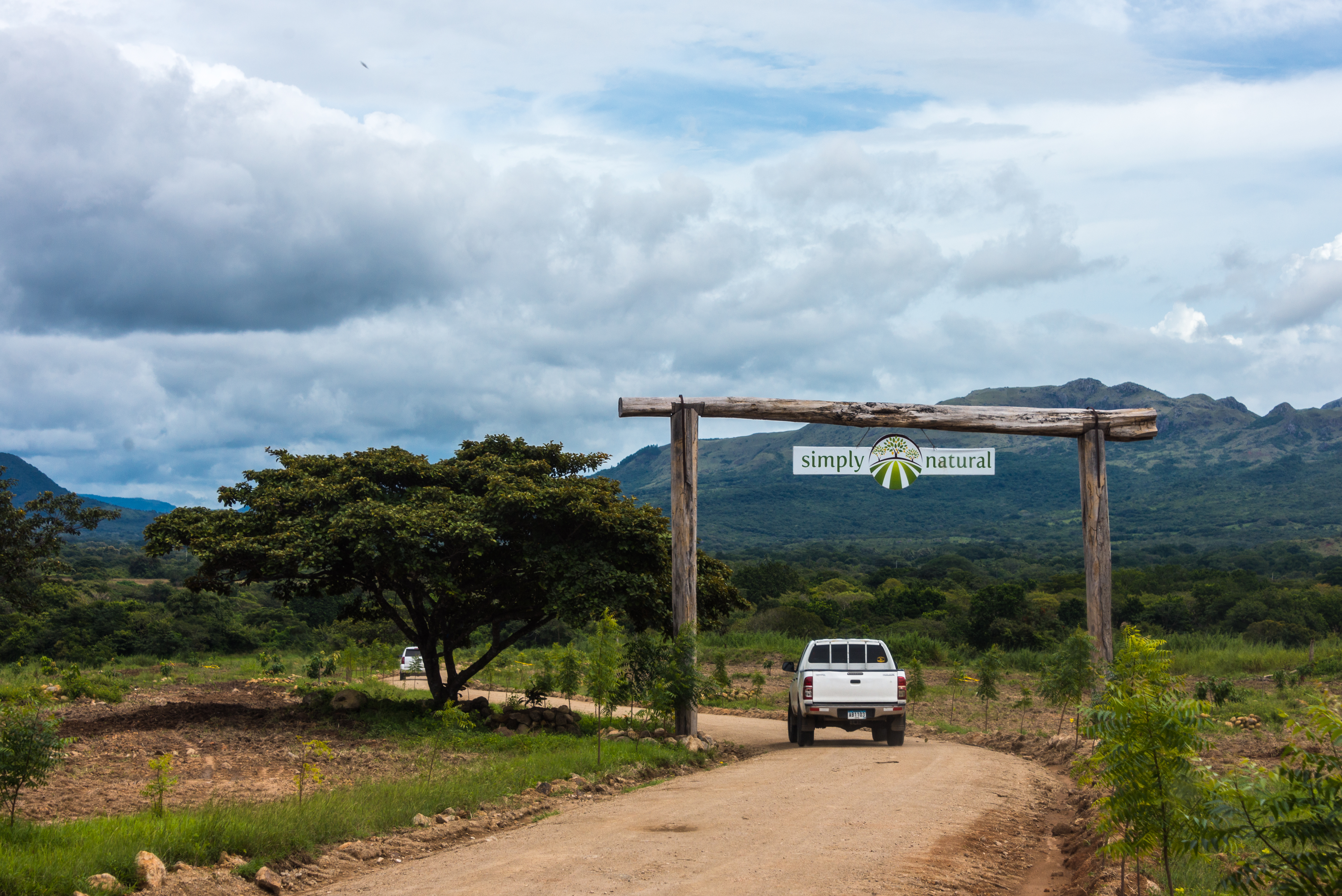
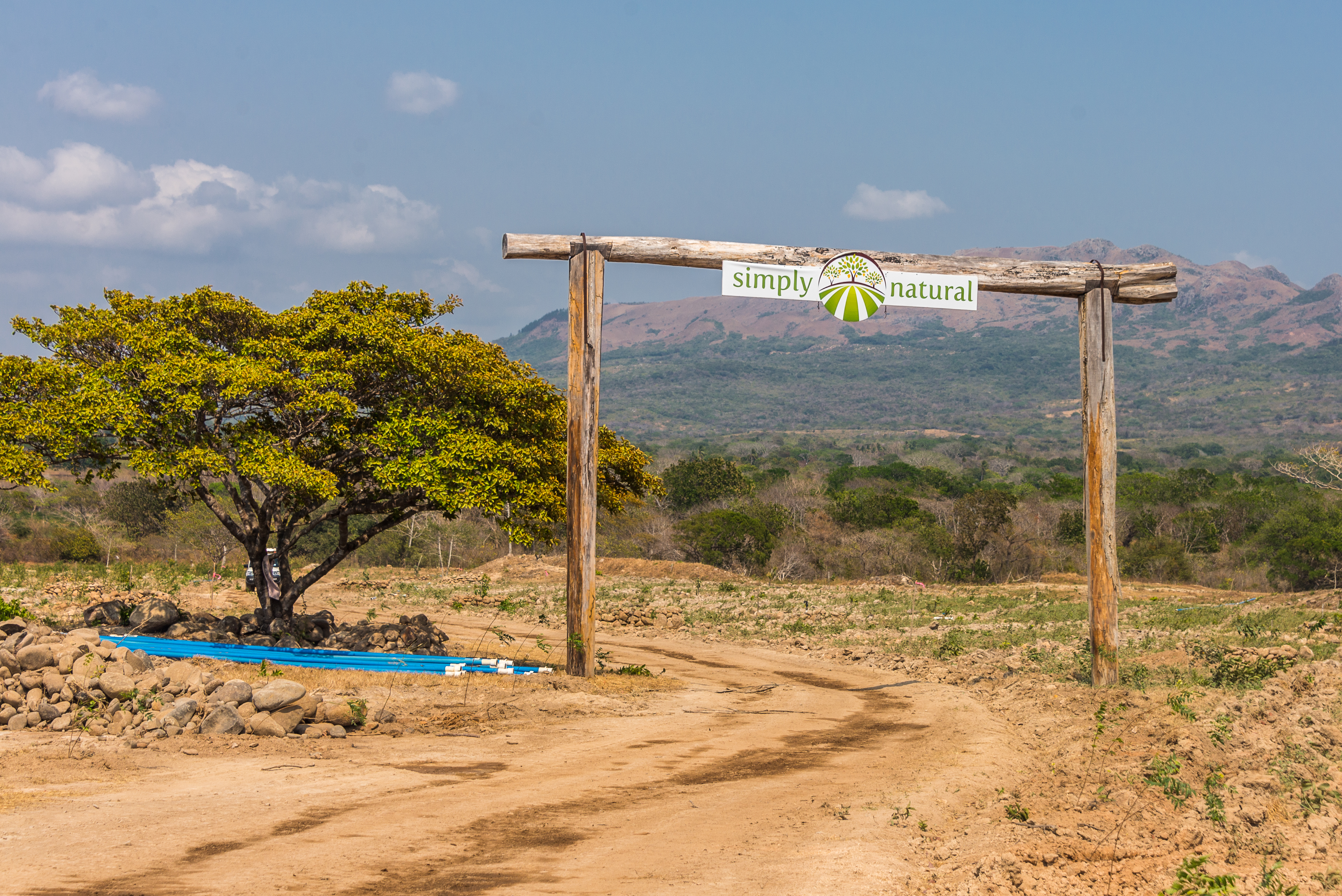
Today is Sunday, 23 October 2016 and we are back in Panama. Today I am shooting the Simply Natural organic Plantation once again. I last was there in March of this year, only eight months ago and I am curious to see what changes are in place. The one thing that is constant about this organization is that they are always moving forward. This time I am shooting for Simply Natural Investments.

When we first found out about this opportunity to buy into an Organic Mango Plantation, there were only a couple of hundred hectares available to investors. The whole plantation was only 525 hectares when we started. In March of this year, this had grown to about 1,800 hectares in Panama. The largest organic plantation in Panama is around 2,200 hectares. Today, the Simply Natural footprint covers almost 4,000 hectares in six countries.

After our three-hour westbound bus ride over the Interamerican Highway, we arrived at the plantation site in an agricultural area just a few minutes west of Penonome, the geographic center of Panama.

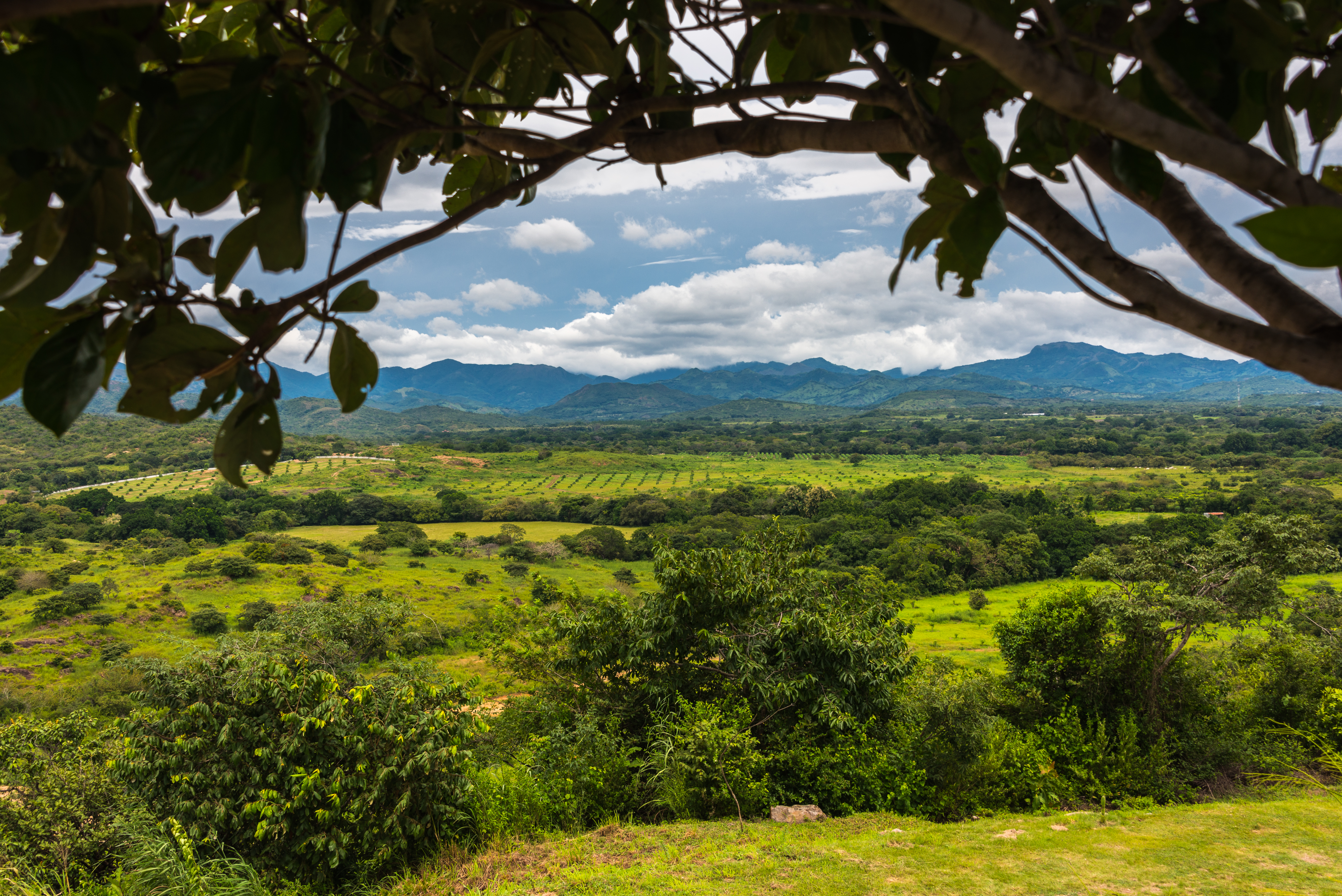
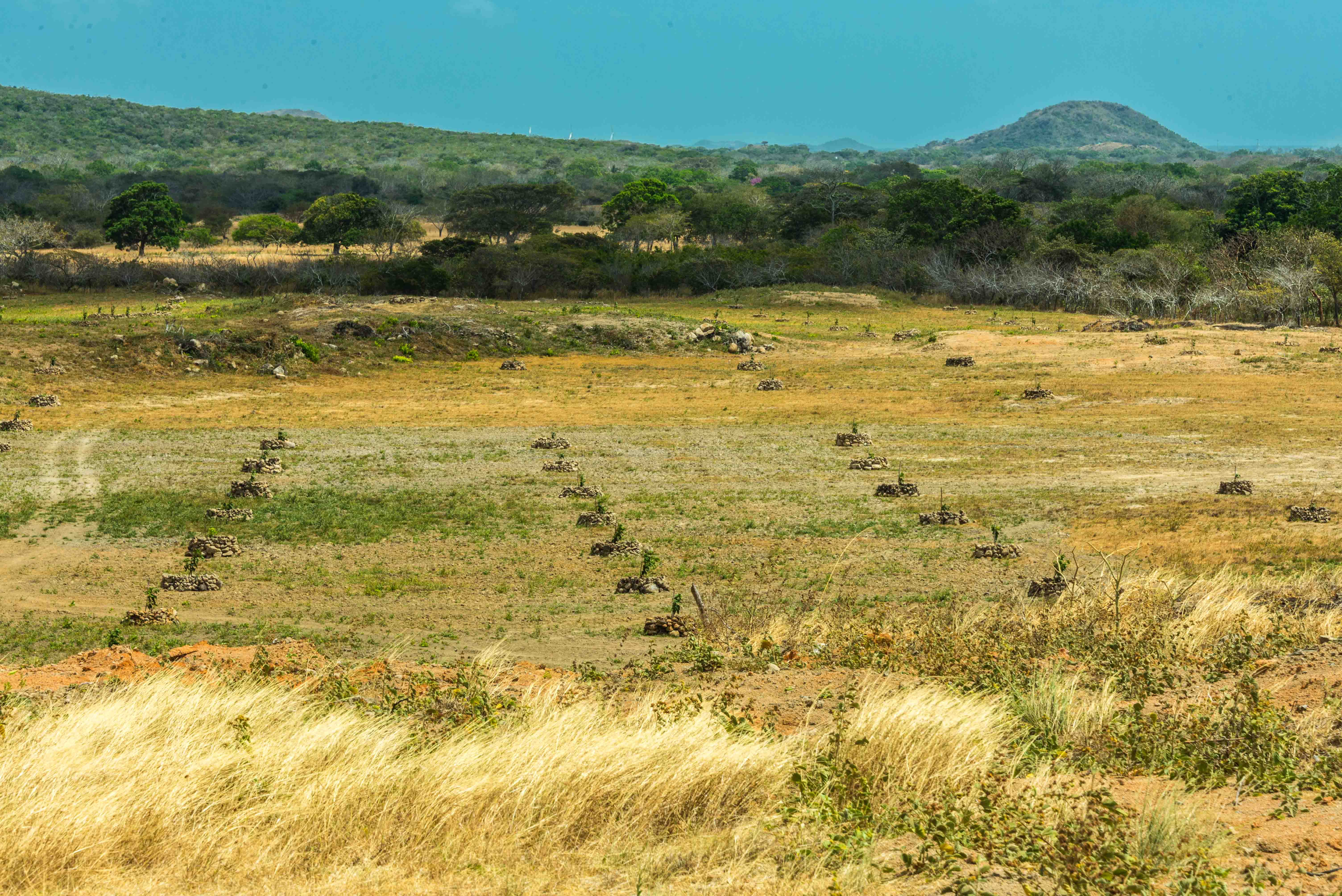
On arrival, once again, I am surprised by the growth progress of the trees, both Mango and Neem, even since March. The tour covered familiar ground. As in other tours, investors listened intently to the explanations of what they were seeing and asked many questions. Here are three shots, from a similar angle, of the plantation in March of 2015, March 2016, and October 2016.

2014-JKH-Panama-D610-LR-30822016-LIO-Panama Mango Plantation Tour2016-SNI-Plantation Tour

While we were primarily interested in the Lady Victoria Mango, note that there are other Organic fruits being produced by Simply Natural at this site.

2016-SNI-Plantation Tour2016-SNI-Plantation Tour

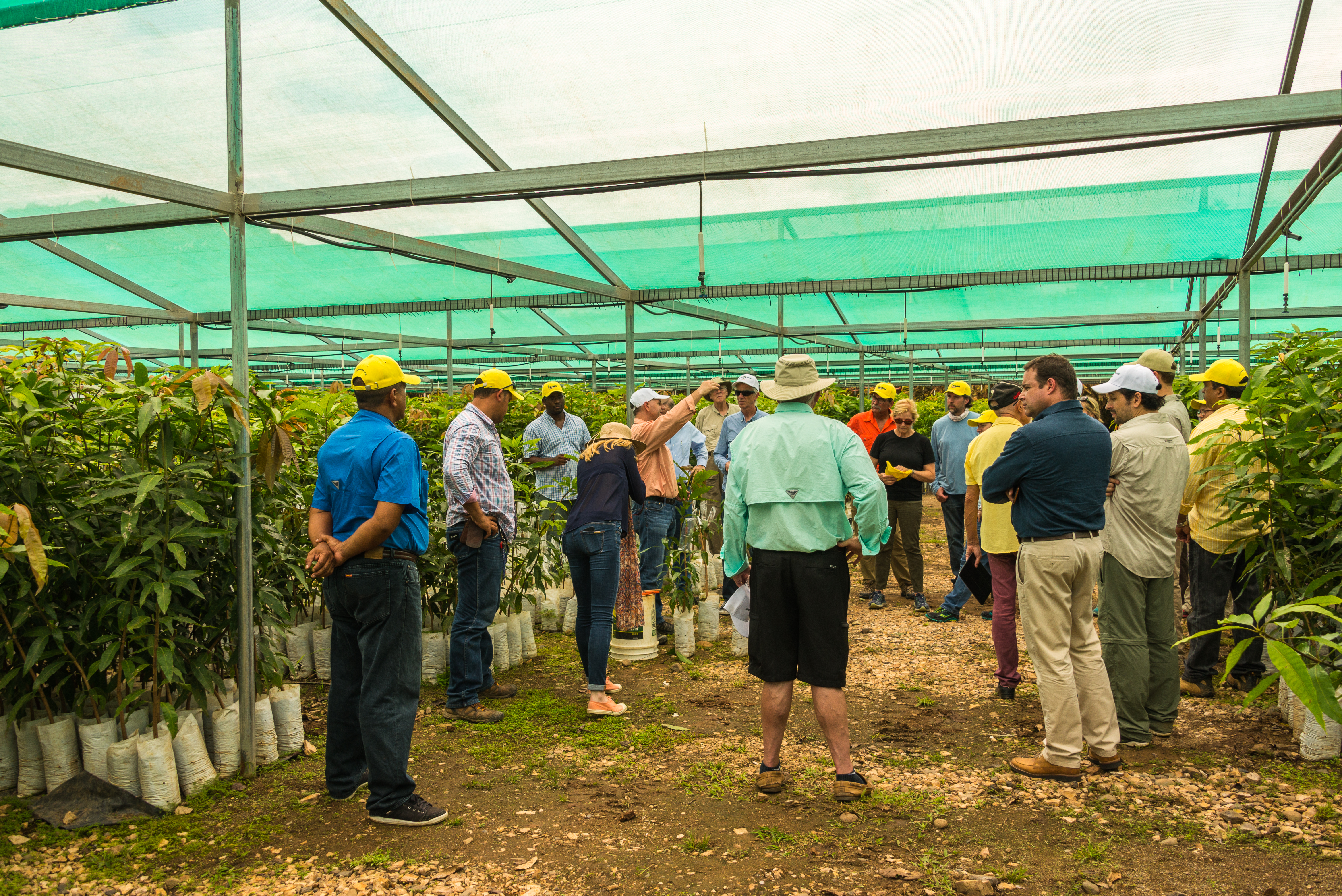
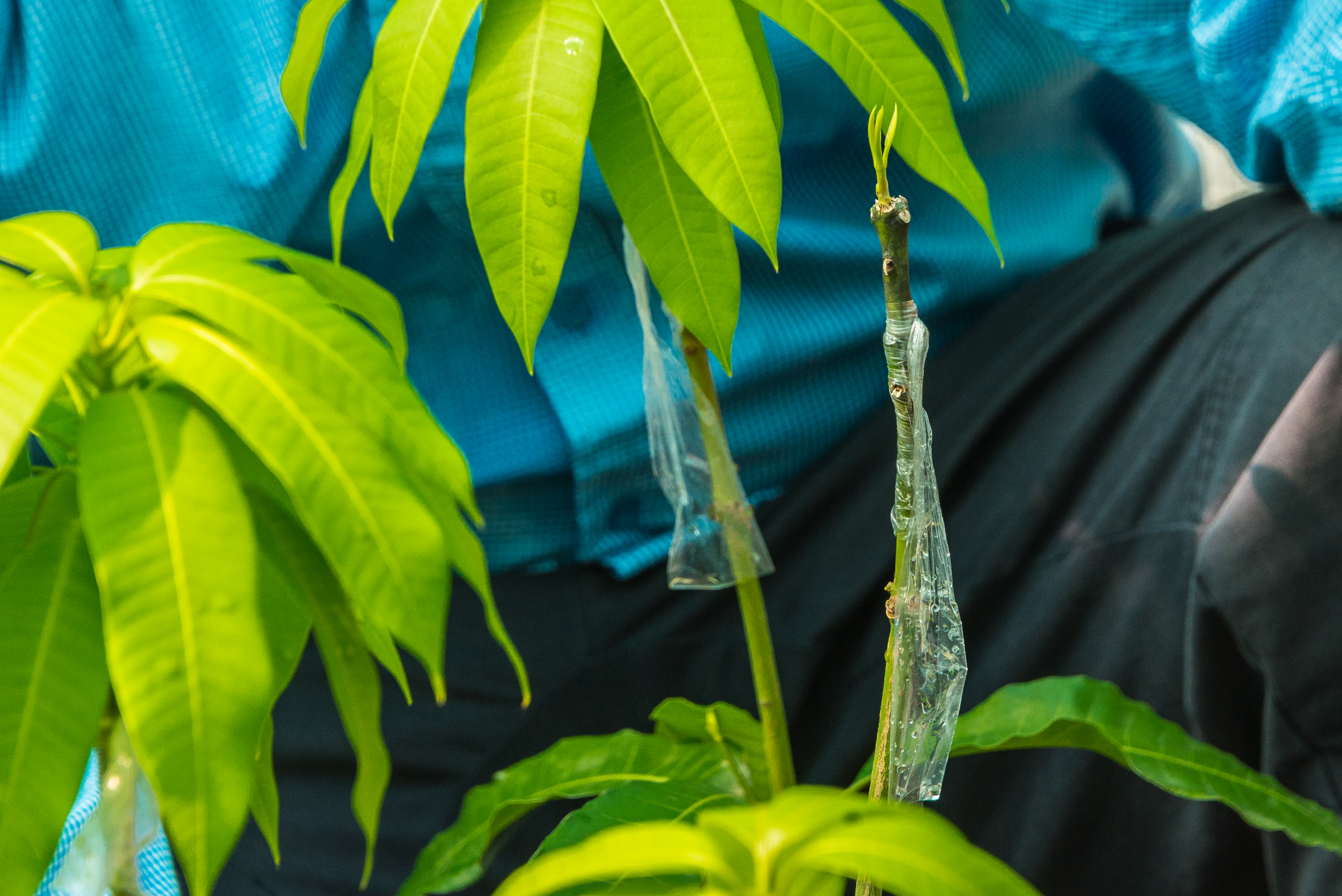
When we arrived at the newly expanded on site nursery, we found that there were around 500,000 plants in the facility. This is a substantial increase since our last visit in March. All the fruit trees are grafted and spend around 18 months in the nursery, where they are fed and tended to more efficiently than if they were planted directly in their permanent locations. We received an example of how grafting is performed. Here are some shots of the grafting process.

Mango trees need around 50 feet of space between them. As a result, there is lots of room to grow other complementary products. This intercropping contributes specific nutrients to the soil that the Mangos need . Choice of the intercropping plants is based on many things, like the size of the plant compared to the current size of the Mangos. As the Mangos get larger, intercropping uses materials that are larger as well. We saw intercropping in place using Plantains, a relative of the Banana.

2016-SNI-Plantation Tour

2016-SNI-Plantation Tour

As this plantation matures, its beauty grows. Our investment was in February of 2015 and we will be expecting our first payment, for intercrop sales, in January of 2017.

2016-SNI-Plantation Tour

Mangos, Money and More! – Chapter 2


In early March 2015, I wrote about my first trip to the Simply Natural Mango Plantation in my blog, Keith’s Panamanian Travel Ramble.  (https://jkeithhowie.com/2015/03/02/mangos-money-and-more/). The plantation is just west of Penonome in Panama.  Today, just about a year later, I am going back to see what is happening with my investment in organic mangos.

It is late in the tropical dry season. The harsh sun and never-ending wind have transformed much of the lush green terrain to dusty dried out vegetation where growth struggles. This is typical of the conditions this time of year along the Inter-American Highway as we drive about three-hours west from Panama City. Our two busloads of existing and potential investors want to see this opportunity or, as in my case, see what has happened to it since last year.

One thing we are aware of is the tremendous growth and diversification of the plantation. Last year the property was about 525 hectares in size. Since that time, the total land encompassed by the plantation has grown to about 1,800 hectares making it the largest organic plantation in Panama. The largest organic plantation in Central America is only about 2,200 hectares. Other organic fruits are now part of the Simply Natural lineup. Now, instead of just Mangos, there are two varietals of Mango, Avocados, Limes, and Guava which are all organic. The development continues with the first Lady Victoria Mango investment property sold out but the remaining 1,800 hectares are in various stages of development with some planted, some building infrastructure, and some undergoing land clearing.

Last year Simply Natural was exploring the North American market for sales of the organic Lady Victoria Mango. These organic markets say that they can take all the existing product as well as any more production made available. The investment numbers are calculated based on the sale of fruit to the local Panamanian juice market. This is a worst case scenario, giving the smallest financial yield for the product. By selling the fruit into the organic North American market, returns would be improved substantially. It gets even better if some primary processing occurs at source before export. Freeze drying or dehydrating the fruit allows for premium pricing as well as a reduction in the shipping risk and the labor spike that would be experienced for the sale of fresh fruit.


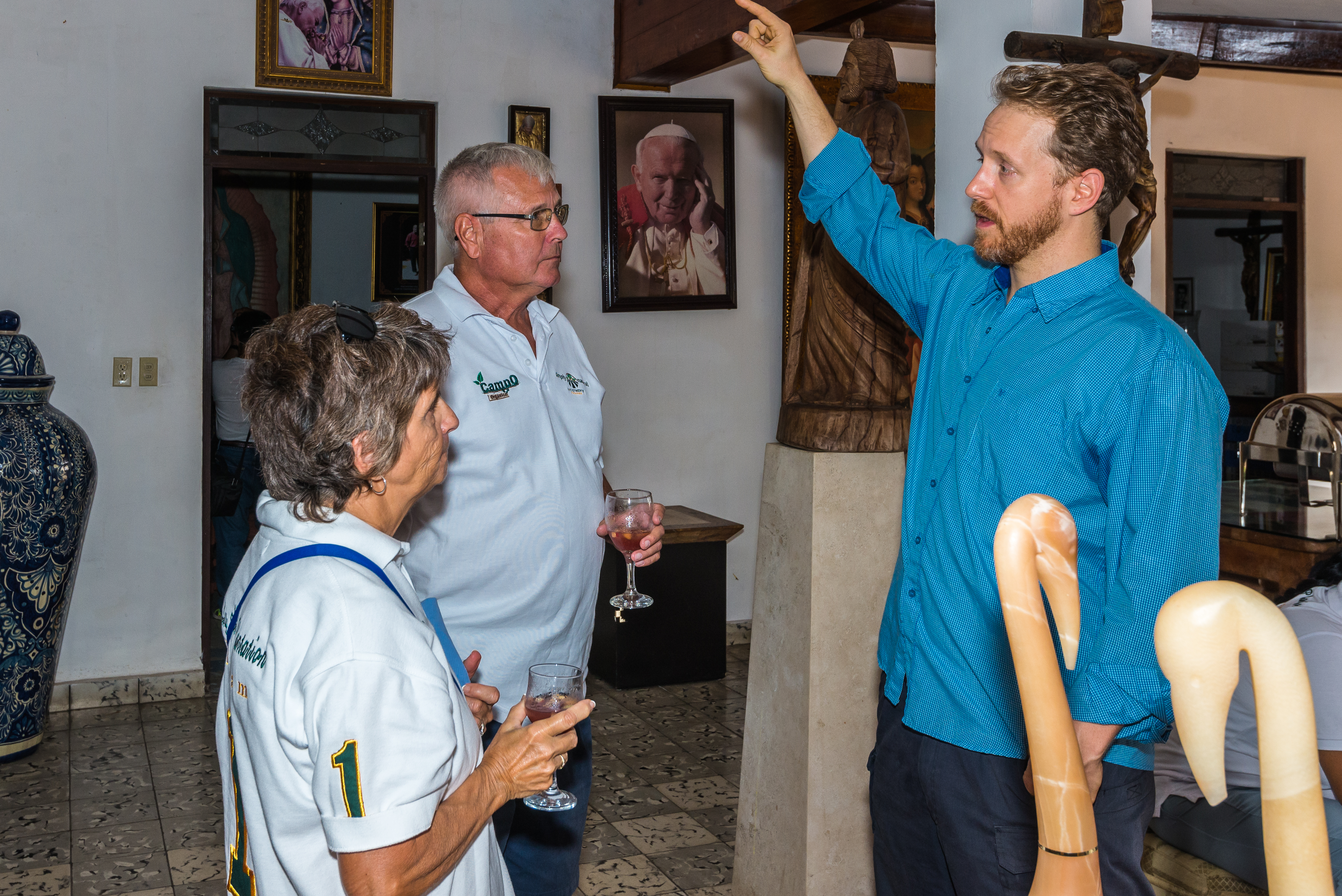
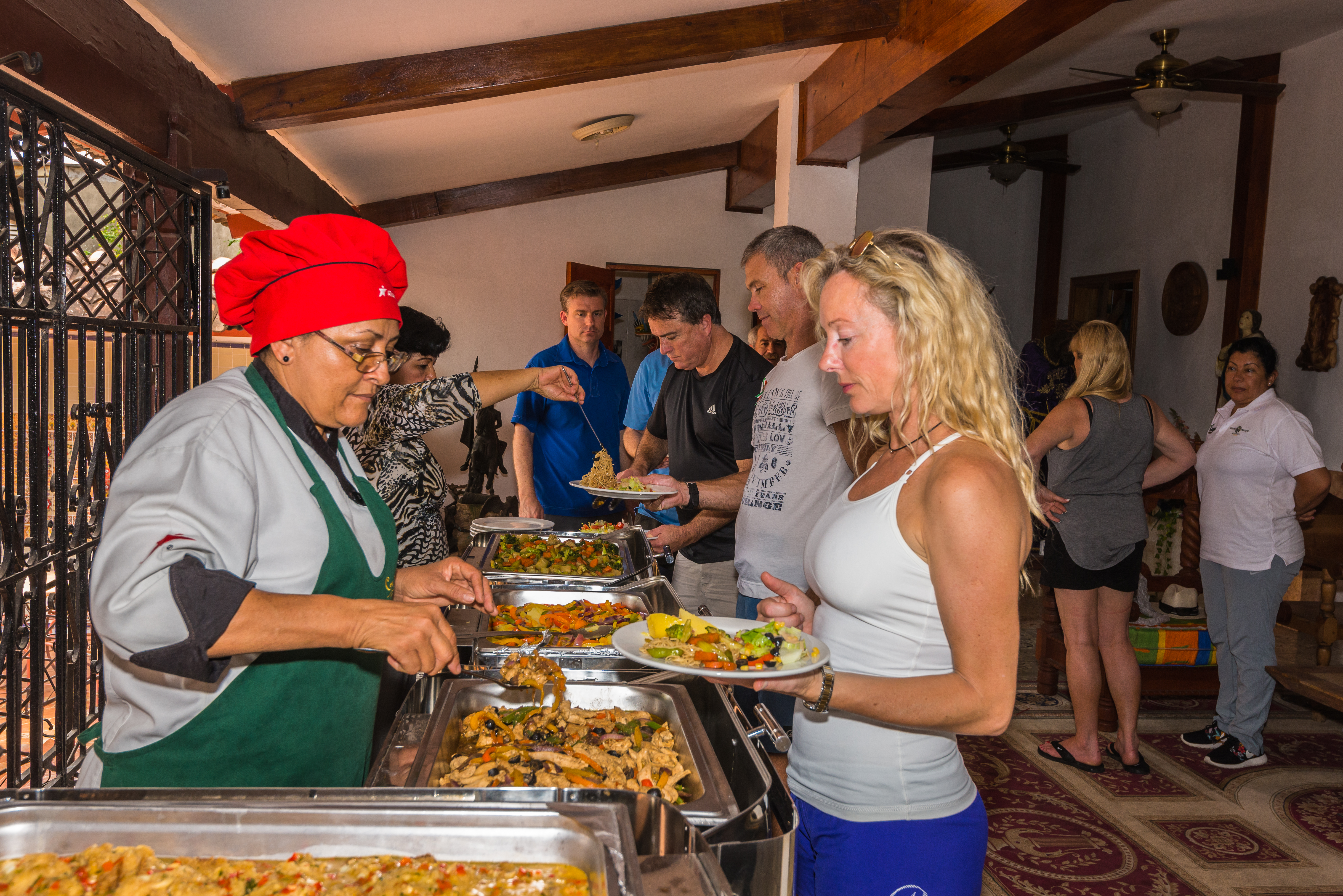
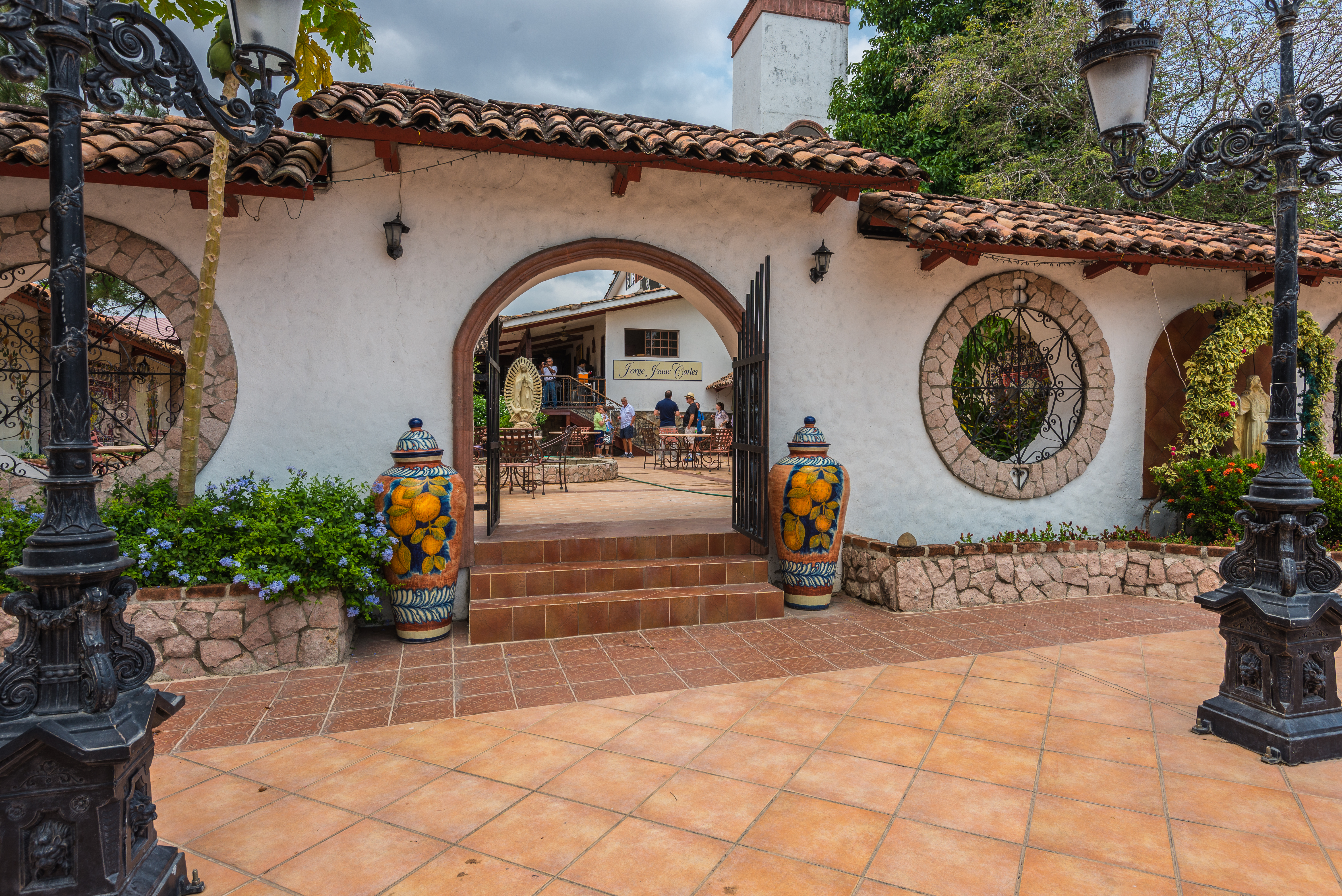
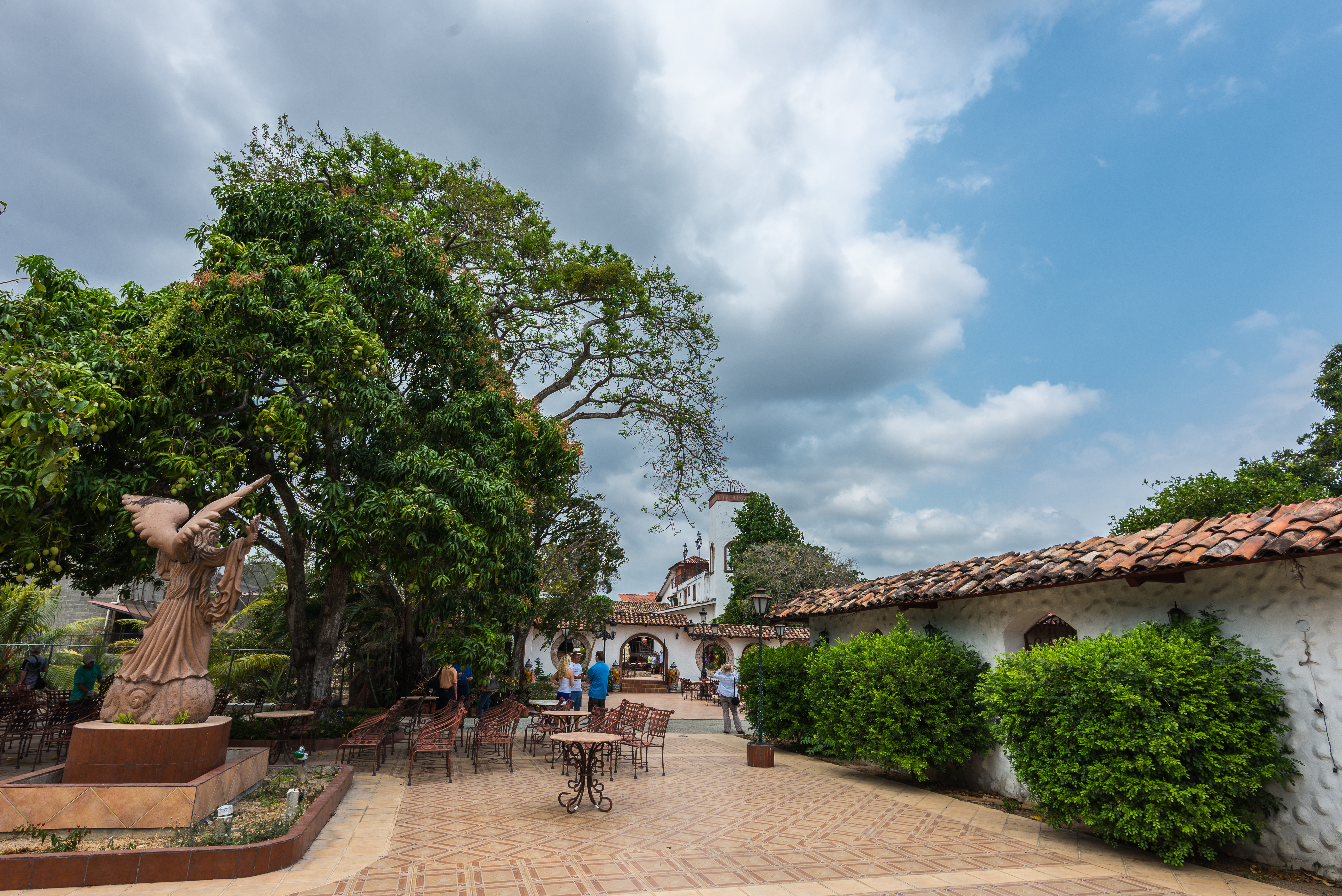
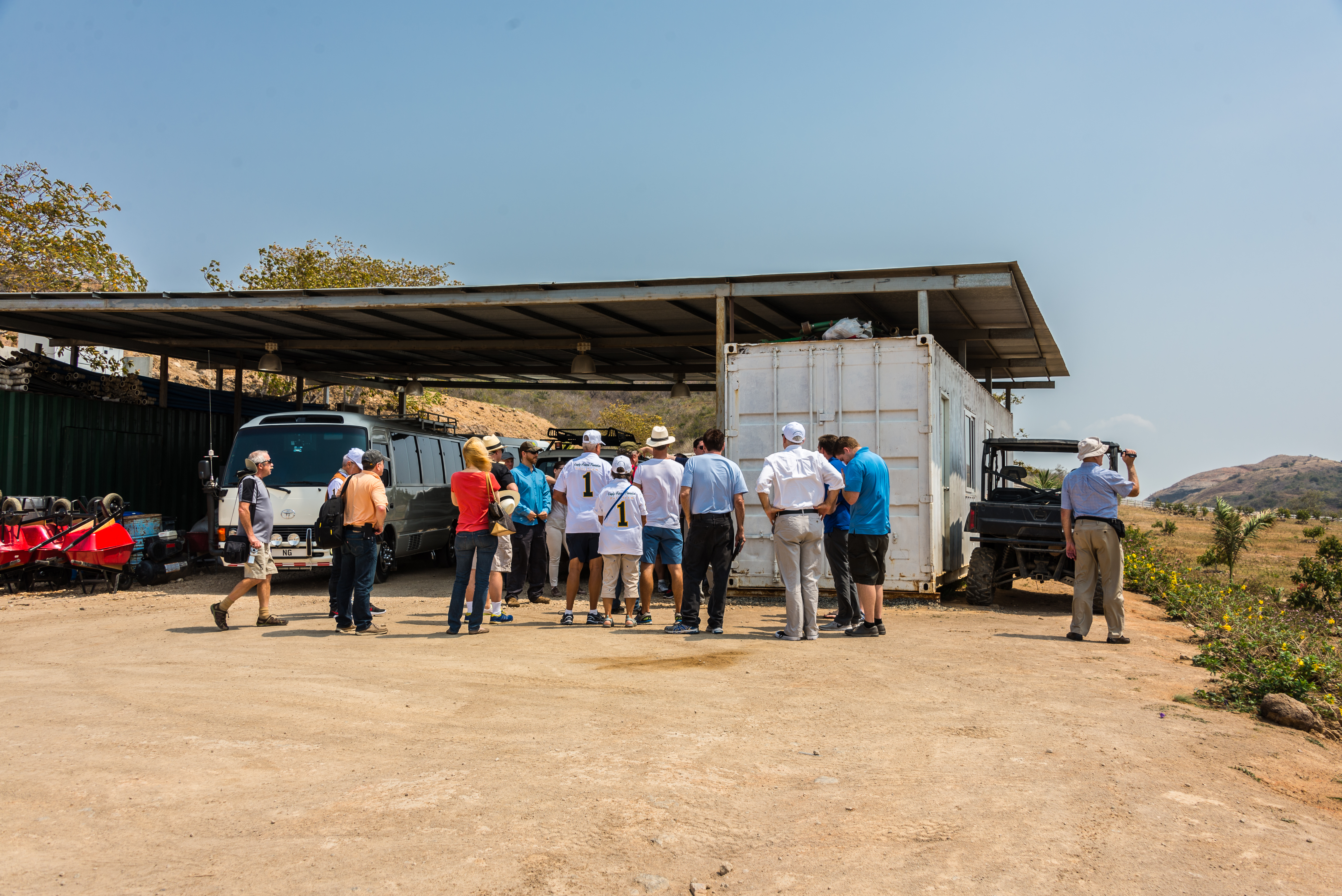
Tours always include a stop at the fourth generation farming family’s beautiful ancestral home in Penonome, which operates as a restaurant.  Due to the timing of this trip, this is where we started.  The participants all were able to stretch their legs, visit with the hosts, and have a great lunch.

2016-LIO-Panama Mango Plantation Tour2016-LIO-Panama Mango Plantation Tour

2016-LIO-Panama Mango Plantation Tour2016-LIO-Panama Mango Plantation Tour

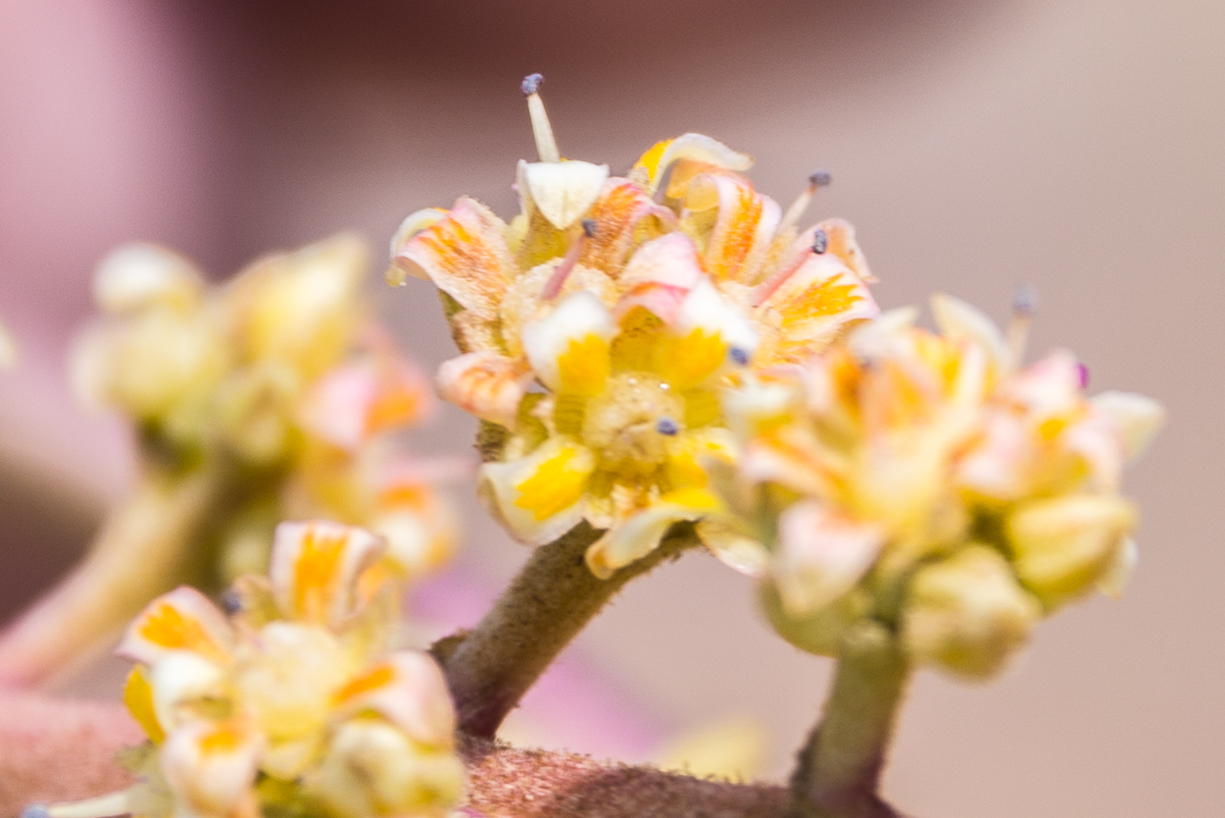
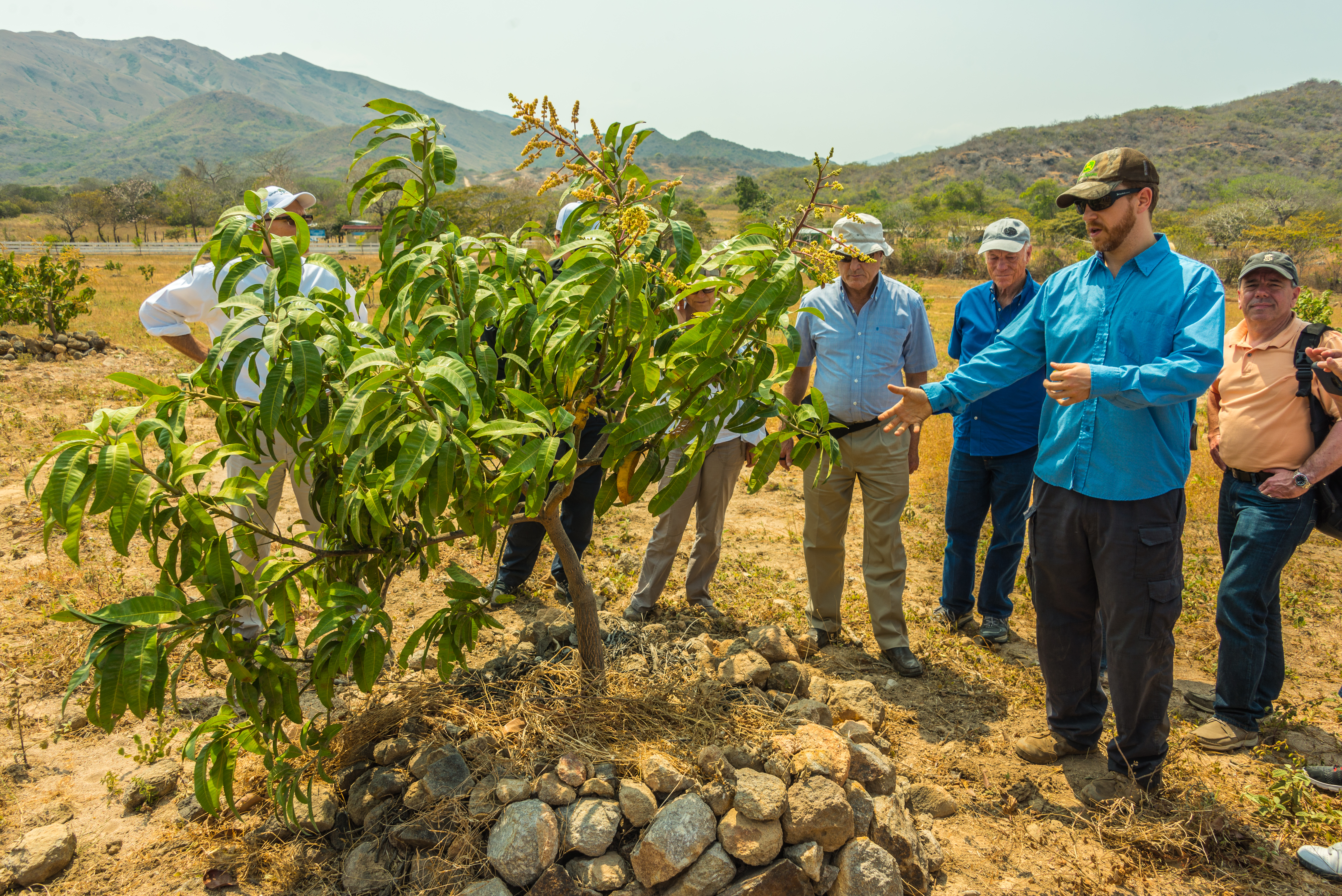
On our arrival at the plantation, we can see post nursery plants that have been in the ground for about 18 months. Last year these plants came up to your waist or so but now they are taller than most adults. They have also branched out substantially and are flowering.  Removal of flowers for the first three years forces energy redirection to the root system. If the flowers were left on the plant it would result in around 100 mangos for each plant. They also receive their first pruning which is to set up the structure of the tree.

2016-LIO-Panama Mango Plantation Tour2016-LIO-Panama Mango Plantation Tour

2016-LIO-Panama Mango Plantation Tour

2016-LIO-Panama Mango Plantation Tour

There are about 45 trees per hectare as the mango trees are planted some 50 feet from their neighbor. Between the trees, various cash generating intercrops grow. What is grown for an intercrop varies depending on the location within the plantation. The criteria for intercrop choice includes the ability to give nitrogen to the soil to help the mango trees, and of course cash generation. The mango tree only requires water for the first two years after which its roots are deep enough to get their own water. From then on, irrigation only provides fertilizer. Intercrops are different and most need irrigation to survive the hot windy dry season. Irrigation was working throughout the property during our visit.

2016-LIO-Panama Mango Plantation Tour2016-LIO-Panama Mango Plantation Tour2016-LIO-Panama Mango Plantation Tour

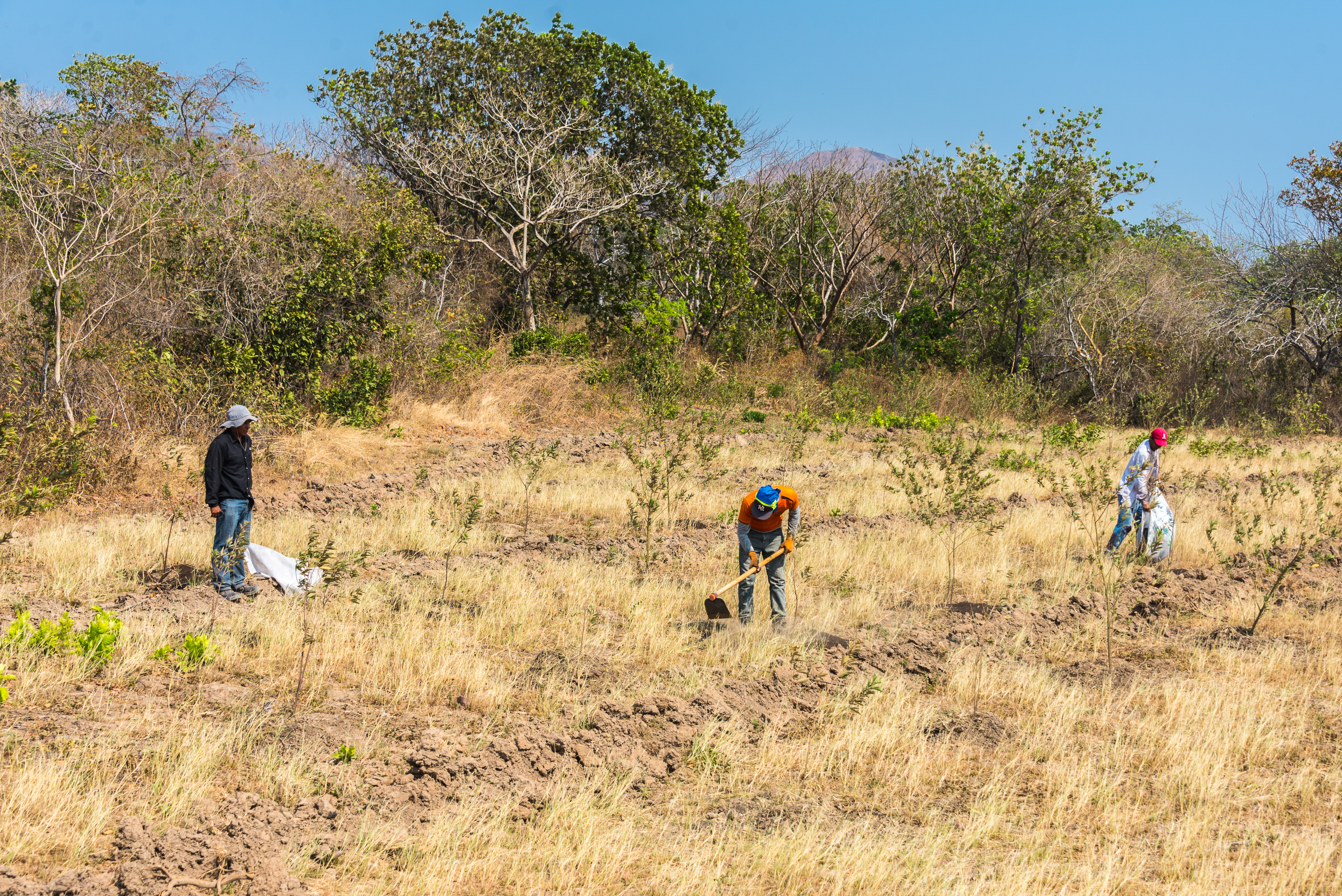
How many people does it take to run a plantation this size? Well, there are now about 50 full-time local workers. One of the most interesting jobs is that of the Ant Seeker. Two employees have the job of walking the property to find ant nests. When they find a nest they kill the queen to stop growth of the colony. The young trees at this stage are vulnerable to damage by leaf cutter ants.

2016-LIO-Panama Mango Plantation Tour2016-LIO-Panama Mango Plantation Tour

Simply Natural is a respected employer in the local area and has little difficulty in getting workers when needed. They also practice giving back to the community by providing school buildings, houses for workers, and water as required.

2016-LIO-Panama Mango Plantation Tour

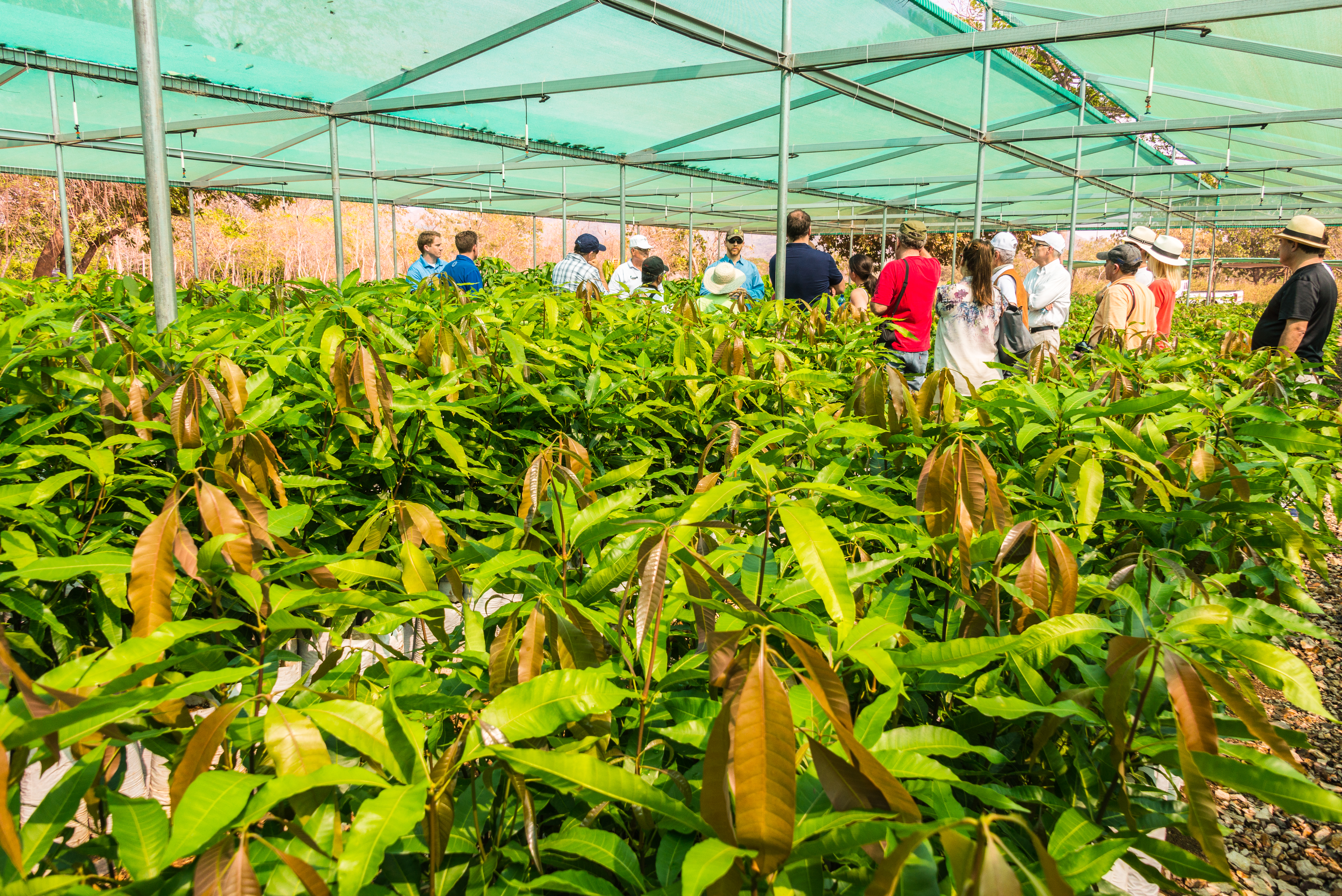
There is a new nursery on site at the plantation. The old nursery provided many logistical difficulties due to its small size and remote location. Simply Natural operates four different nurseries. The current plantation has neem, mango, avocado, guava, and lime saplings, around 80,000 plants, which are growing in an automated nursery that has overhead sprinklers for delivering water and proper nutrition to the seedlings during their nursery stay. Grafted plants spend around 18 months in the nursery and are not moved to their end location until the graft has been successful. The nursery size will be doubled as many of the plants need more room.

2016-LIO-Panama Mango Plantation Tour

Well, what is happening with my Simply Natural investment continues to impress me. I did not expect to see the growth or diversification that is in progress. The new nursery is an amazing size and it is full of rigorously growing well-tended plants. John Deere of Panama is now contracted to look after equipment maintenance.  They respond quickly and appropriately based on the size of the customer that Simply Natural has become. I have to admit that when I first chose to get involved with this project my Project Management background was heavily influenced by the on time and on/under budget completion of the various tasks on the timeline. Impressive performance!

2016-LIO-Panama Mango Plantation Tour2016-LIO-Panama Mango Plantation Tour

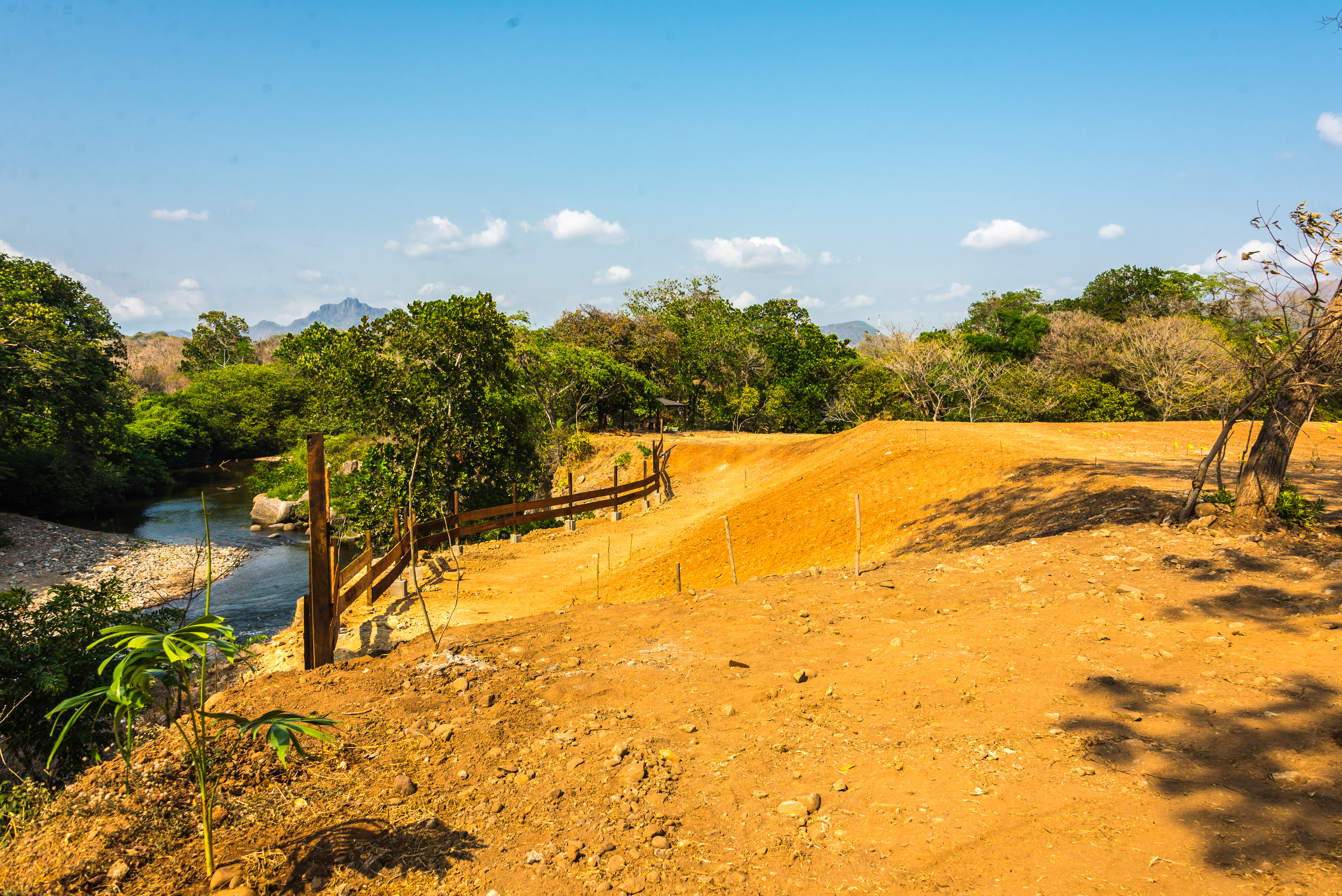
There was one thing that I thought might fall between the cracks in such a project.  This was the investors lodge. This is a lodge built along the shore of the beautiful Rio Grande River, where investors can come to stay when they wanted to view their investment. Well, work was underway on the lodge with an estimated completion of about four months. I look forward to using it!

2016-LIO-Panama Mango Plantation Tour

The ANAM Kids

Panama, like many other developing countries, is fighting trash. Here we find streets lined with garbage tossed out the window of passing, cars and busses. The exception seems to be in tourist areas where the “Gringo” presence has a bit of a disappearing effect on trash.

The current government has staffed a whole new department of people dressed in bright green and reflective uniforms whose job it is to collect roadside trash. From time to time you see these folks along the side of the roadway using their spiked sticks and stuffing trash into garbage bags that are left by the roadside for a truck to collect later. Although the effort is to be applauded, if you pass by the same spot in two weeks, there will often be as much trash as was picked up.

Solving this problem will not be easy or quick. Like at home when things like recycling needed to become second nature, the kids in school are the catalyst to making it happen. They are taught the how and why and they hold their parents to task to make sure it happens. As that generation matures, the trash problem will become less as today’s kids become tomorrow’s parents.

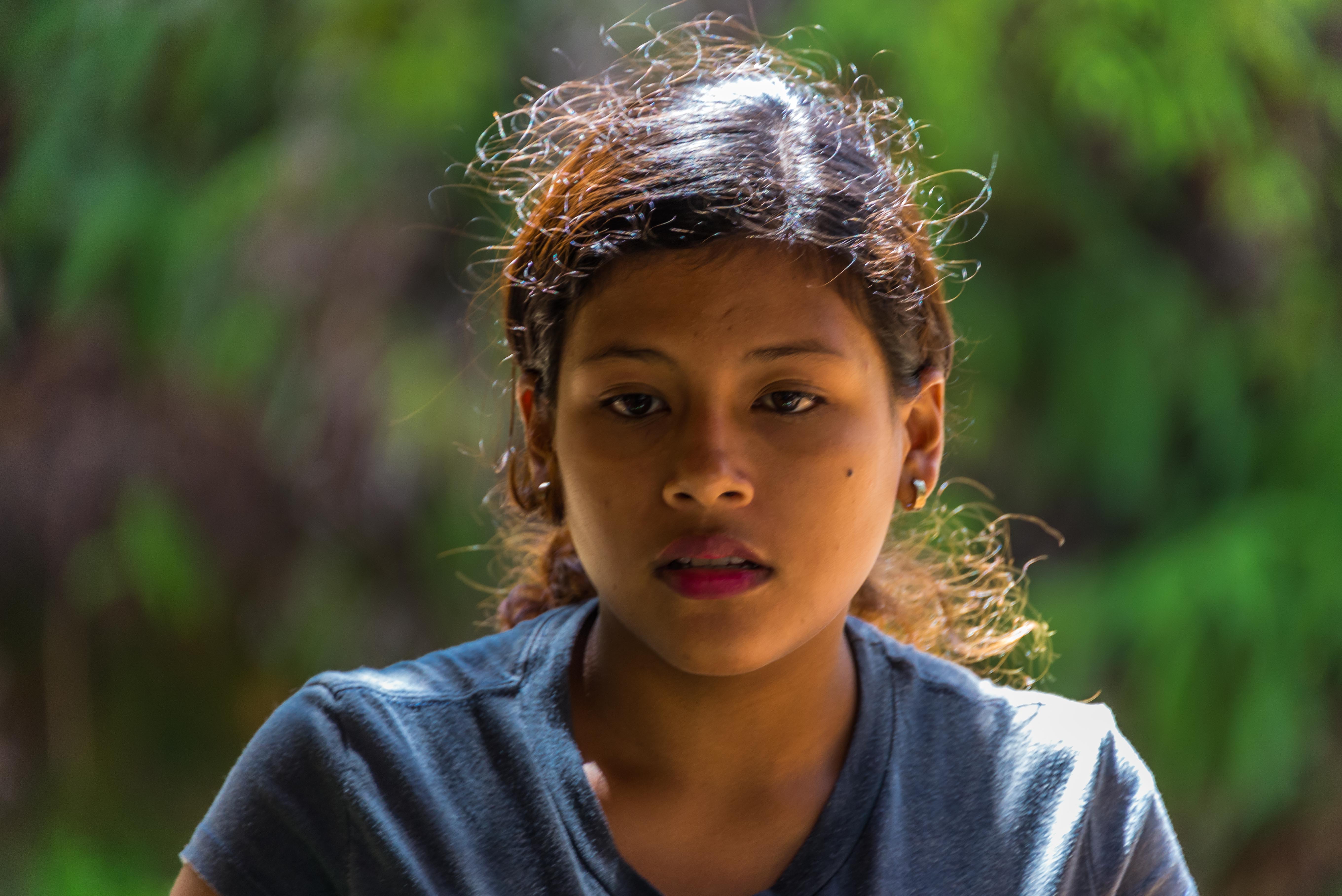
ANAM is the department of the Panamanian government that is responsible for national parks, like the Chagress National Park where we live. Within the park there are families who work for it as well as Melo, a household name in Panama that means chickens and agricultural products. Many of these families are on the low-end of the income scale and don’t have much to come and go on. Some time ago one of the members of the ANAM group of Los Altos de Cerro Azul got families together and formed an organization to begin teaching the kids and help with the trash and garbage problem, recycle as well as raise some funds to allow these kids to take part in activities that they otherwise would not be able to afford. An example of things they did is to hang out at the park’s garbage shed where people drop off their garbage on the way out of the park. This area can look pretty untidy at times as many people do not bother to put their trash inside the building, as they are supposed to. The kids, in their recycle t-shirts, greeted those stopping to dispose of garbage, helped them and gave them a big thank-you if they disposed of their trash properly. Of course, they collected tips from many of their customers, which were turned in to help fund other activities.

2016-JKH-Panama Trip

These kids are loosely called the ANAM Kids and they are about Awareness, Recycling, proper Trash/Garbage disposal, and having Fun!

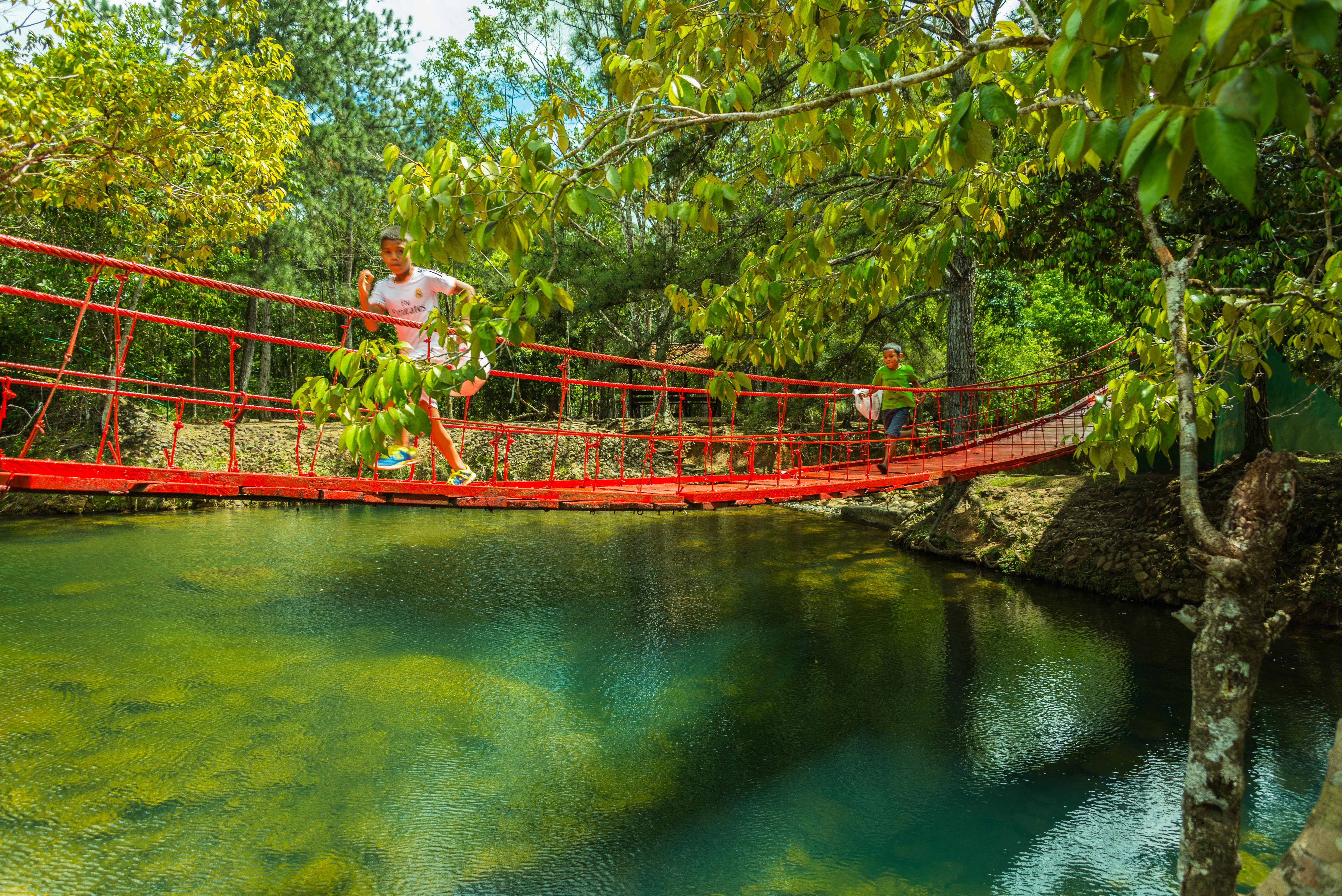
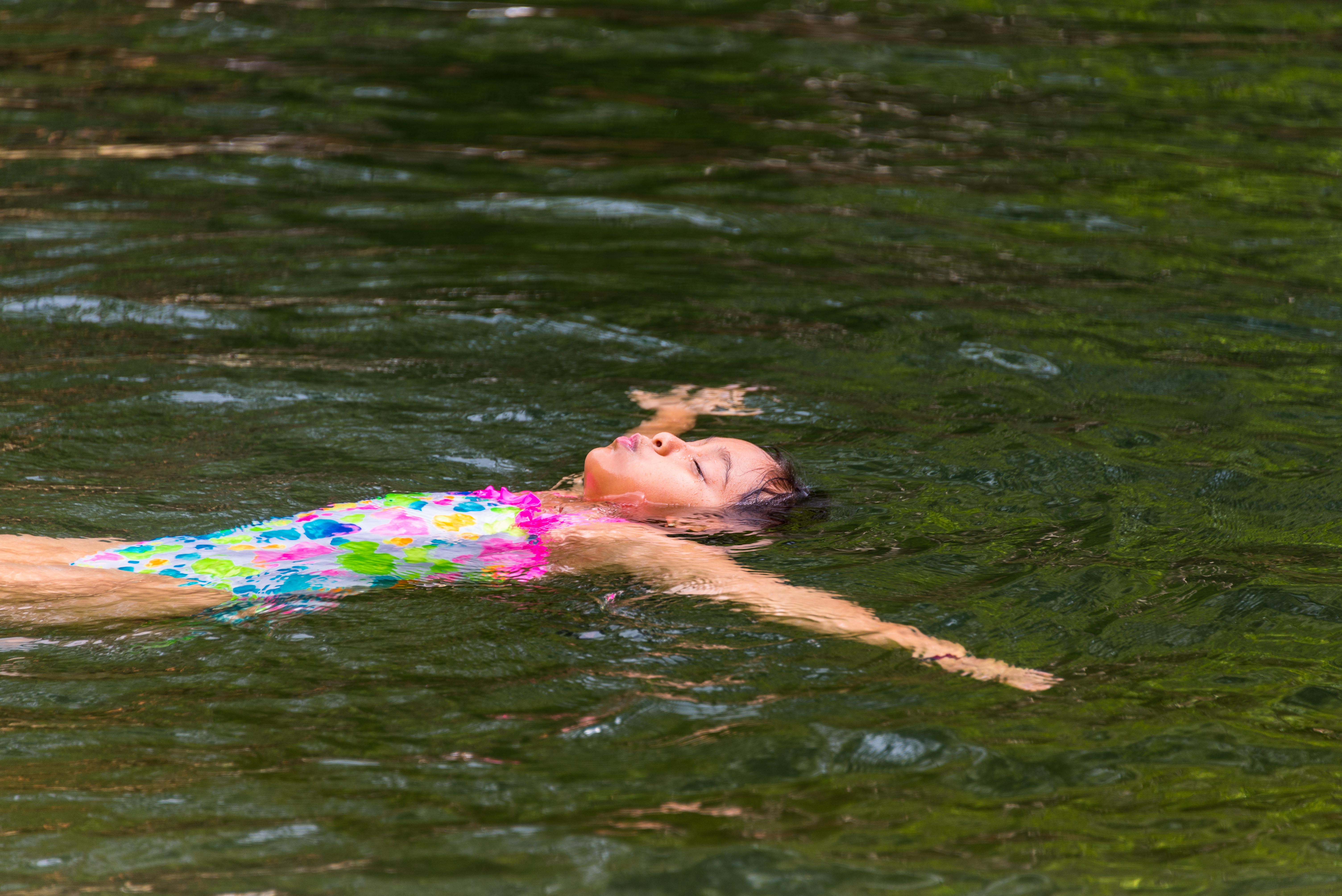
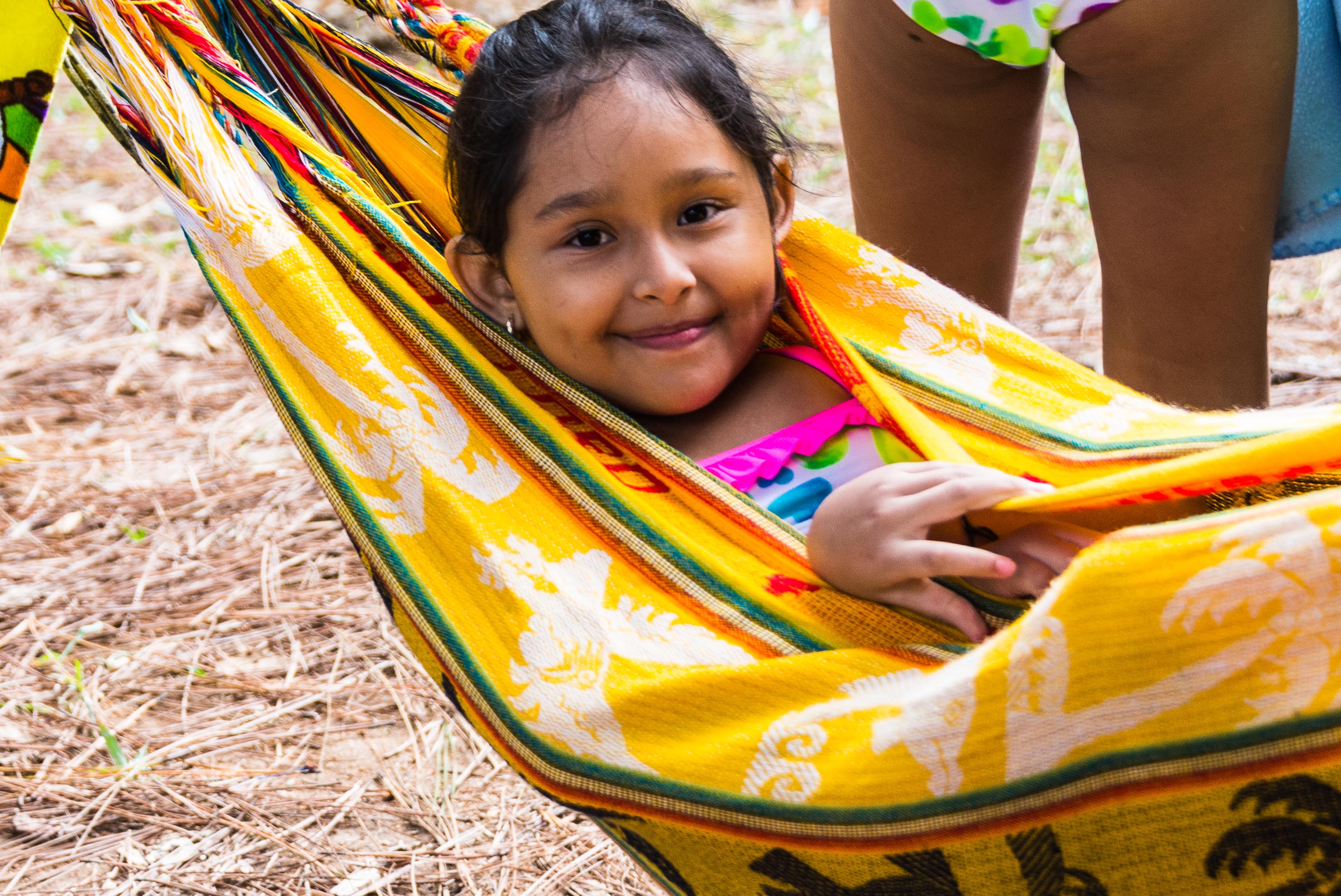
2016-JKH-Panama TripToday is a function for the ANAM Kids that will be held here in the park in one of the many recreational areas. Families and kids assembled to have a day of fun, sports, swimming and food.

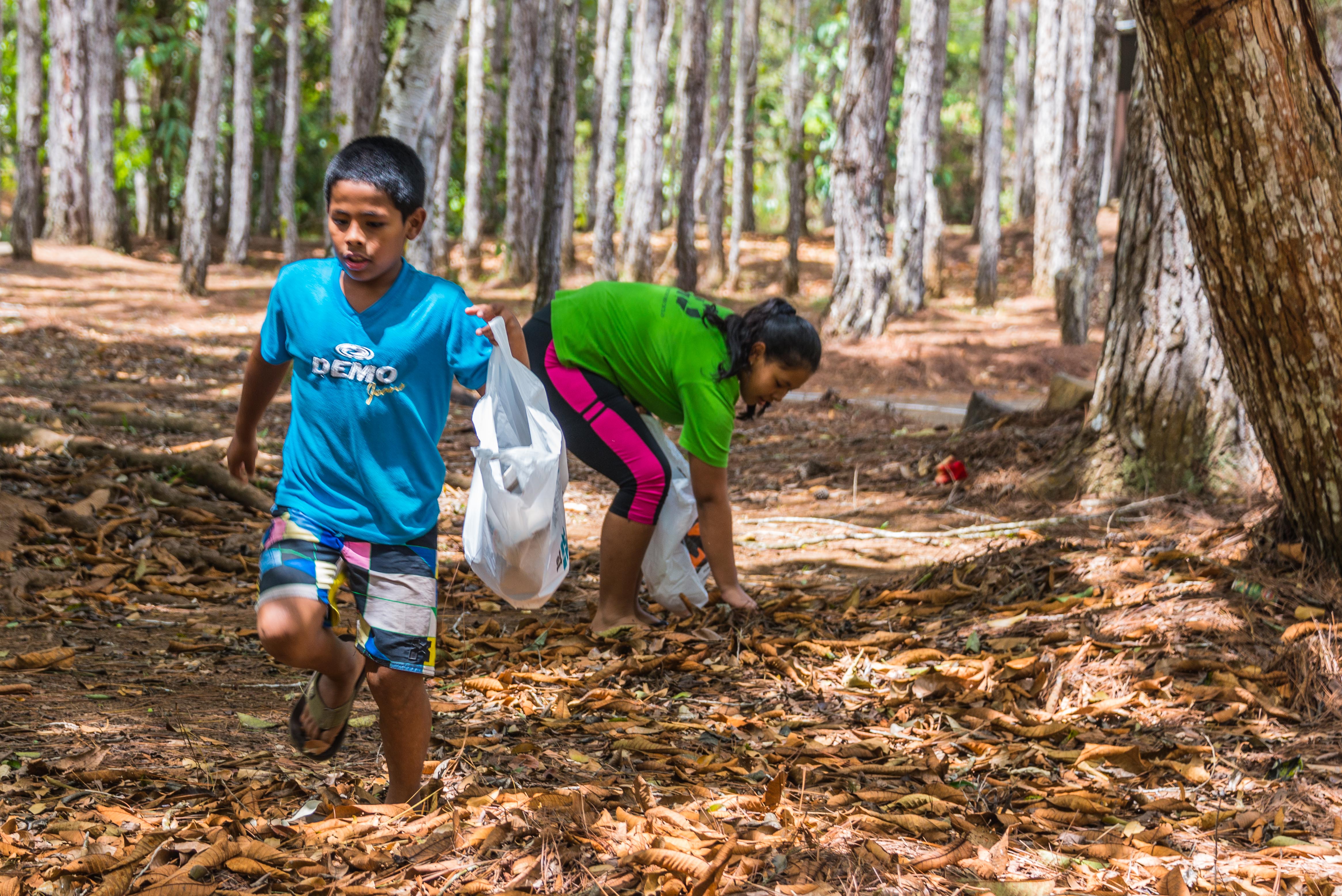
The first activity of the day was to hand out bags to put garbage in and tell everyone that the first person back with a full bag would get a piece of cake! These kids covered the whole park at a dead run and brought back an amazing amount of trash.

Meanwhile, a group of the women began preparing dinner. This involved several whole chickens, lots of vegetables, a mysterious blend of seasoning and, of course, rice. Everything was cooked over an open fire in a park barbecue and was eventually consolidated into one huge pot that barely held it all. Anyways, the result was a scrumptious meal, cooked just right.

2016-JKH-Panama Trip2016-JKH-Panama Trip

2016-JKH-Panama Trip


2016-JKH-Panama Trip

As the day came to an end and the cleanup was completed, it occurred to me that this little group is the future and making a great impact on the trash problem in our little community. They also help to impart a social consciousness that eventually will spread throughout the country. Great job!

2016-JKH-Panama Trip

Getting to Panama – Then and Now

Did you ever wonder how people like us got from Canada to Panama in years gone by? Today, it is a simple couple of four-hour flights from Calgary to Panama City, but for others the adventure is more about the travel than the destination. How about driving from Canada to Panama?

We have a couple of friends from Sudbury, who decided on just such an adventure to get to Panama this year. Tim and Sue were months in the preparation for driving their PT Cruiser pulling an enclosed cargo trailer carrying two dirt bikes all the way to Panama. They wrote a short blog to describe their adventure and called it Escaping Sudbury. View it here: https://escapingsudbury.wordpress.com/2016/01/07/day-1/.

I like the summary post for the trip, which I have re-blogged below.  Be sure you scroll down to the end of the post and check out the VIDEO link.  There is dash camera video of various parts of the trip.

It looks like pretty good roads today but if you ever wondered what it was like years ago, like in 1940, I found this amazing 30 minute video on YouTube that describes such a trip by some crazies at that time.  It will put travel through Central America in perspective and show you how much progress the road system has made since that time.  Check out the video here: https://www.youtube.com/watch?v=aj1Z5Jdw-is


panatim's avatarEscaping Sudbury

After being in Panama for a few days, I’ve had some time to reflect on the road trip from Sudbury, Ontario , Canada to Los Altos Cerrol Azul, Panama. So let’s interview me, lol.

  • Knowing what you do now, would you have done this trip the way you did it? NO! Travelling by car alone is stressful enough going through border crossings let alone pulling a trailer with 2 dirt bikes. The added inconvenience of not being more mobile, extra gas, and added inspections and bribes since most countries only allowed one dirt bike was really not worth the extra finances, stress and time involved.

Would you recommend this trip to anyone? No, unless you have unlimited time, money, patience an suv or 4×4 type vehicle and nerves of steel. Border crossings for me were from 2.5 to 6 hours, roads were terrible (you can lose a small child in some of…

View original post 439 more words

In the Great White North and Panama’s jungles

Here is a piece I wrote for the Canadian Red Cross blog. It is here and called Red Cross volunteering: in the Great White North and Panama’s jungles and it was published today on the Canadian Red Cross blog, which is here: http://www.redcross.ca/blog/author/talkredcrosstalk.

If you would like to see the World Disasters Report for 2015, go here: http://ifrc-media.org/interactive/world-disasters-report-2015/.  If you are thinking about printing it, go buy some paper because it is 263 pages long.

For more information about The IFRC Americas Zone, go here: http://www.ifrc.org/

2015-IFRC-World Disasters Report Launch2015-IFRC-World Disasters Report Launch

2015-IFRC-World Disasters Report Launch


2015-IFRC-World Disasters Report Launch2015-IFRC-World Disasters Report Launch


New Year’s Day at the Finca


2016 Phone 1054142016 Phone 105359

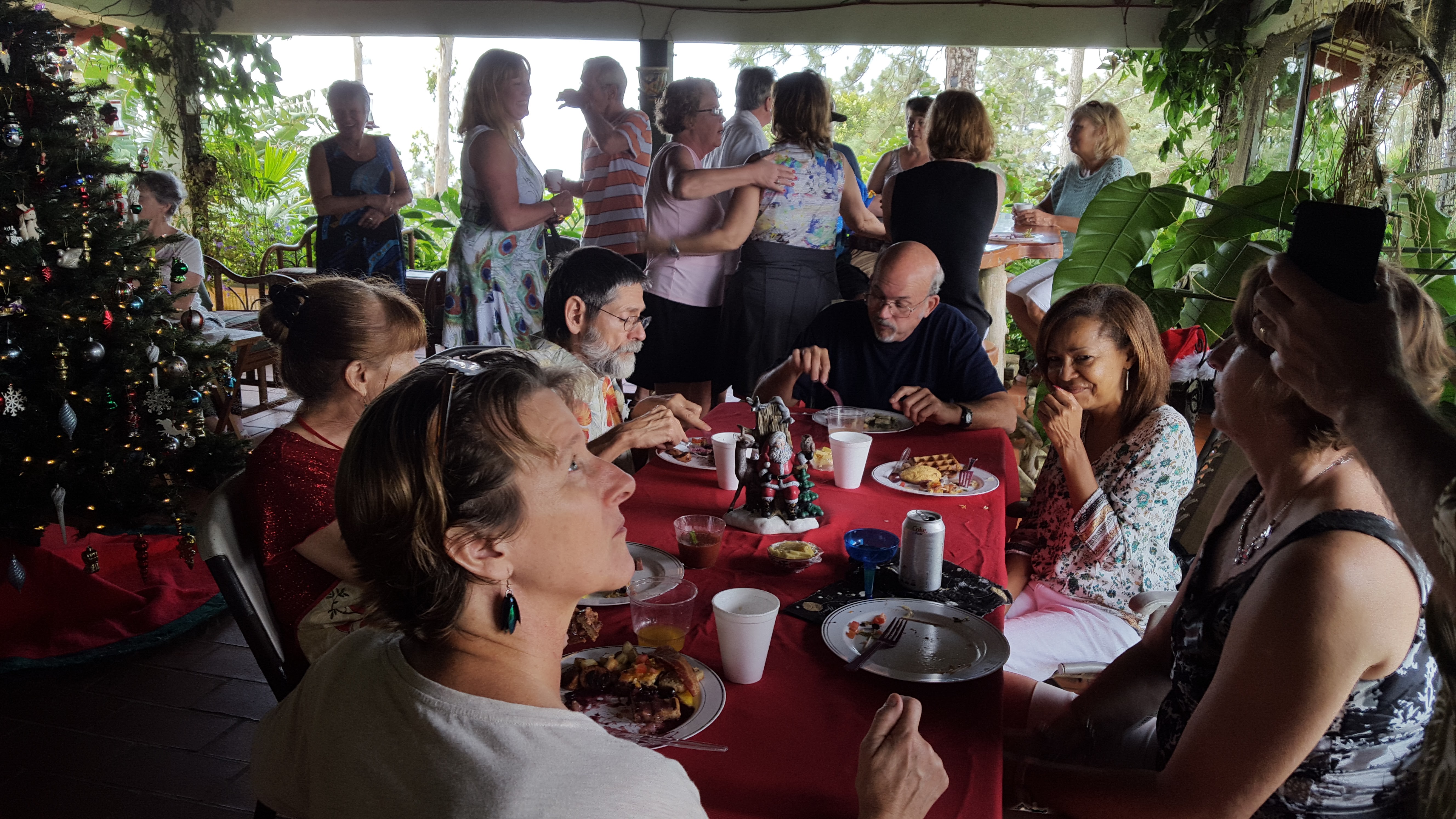
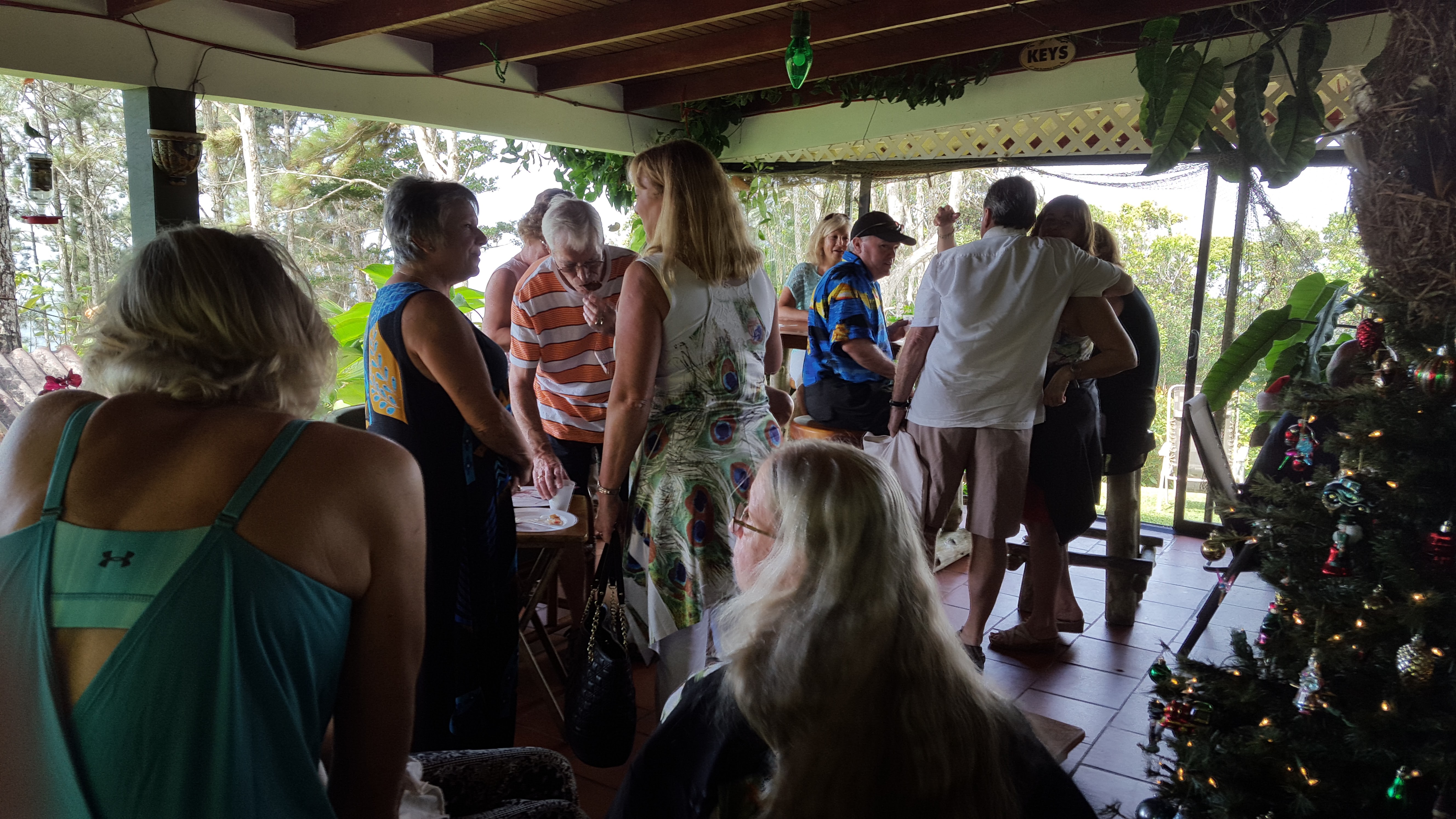
The start of another New Year for us, here in Panama, began with our little community of expats gathering for a scrumptious brunch, hosted by Smitty and Rochelle. These events are filled with opportunities to visit and catch up with friends we had not seen since last year. The food was great as well, lots of bacon!

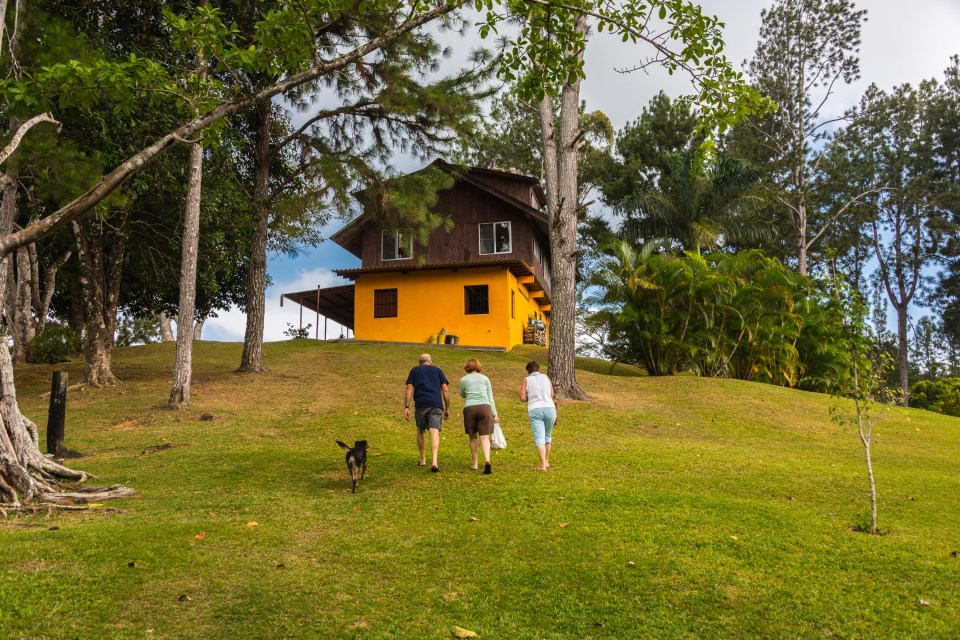
In the afternoon, we were invited on a little expedition to visit a four hectare finca (farm) of friends who live here full-time. The finca is further up in the hills than our community and requires a serious four-wheel drive vehicle and someone with the knowledge of how to use it, to get you there safely. The finca is for sale and they go up every week or so to check on things with their caretaker family. We agreed to tag along on the trip.

It takes 45 minutes to an hour of slowly pounding the suspension of the Toyota Hilux diesel four by four up a road that was more like a stream bed in some places. The first big hill was littered with two-wheel drive cars with no clearance trying to claw and scratch their way up the heavy gravel. Panamanian drivers seem not to understand that there are many places regular street cars just can’t go! All they knew was that it was a holiday and a perfect time to take the wife and kids on a drive into the back country. The first hill disposed of the cars and we were able to creep, lurch and bump around them to continue to our destination.

The terrain here is often along the ridge of the mountains. There is a wind farm in the process of being built up here but in true Panamanian style the road probably won’t be improved until after it is completed. We forded a couple of rivers and passed by some beautiful large estates. Views from up here would be spectacular if it wasn’t for the mist.

2016-JKH-Panama Trip

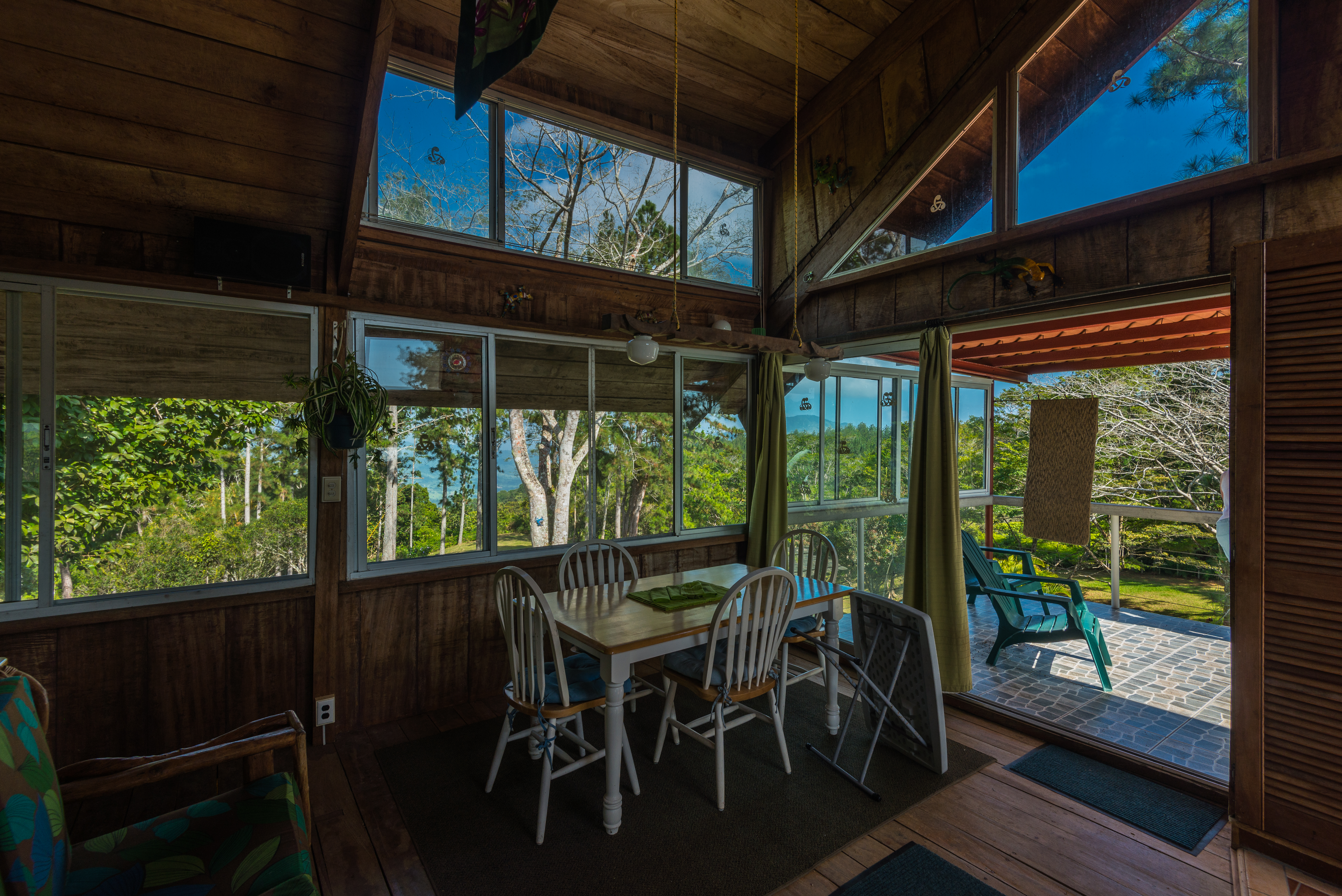
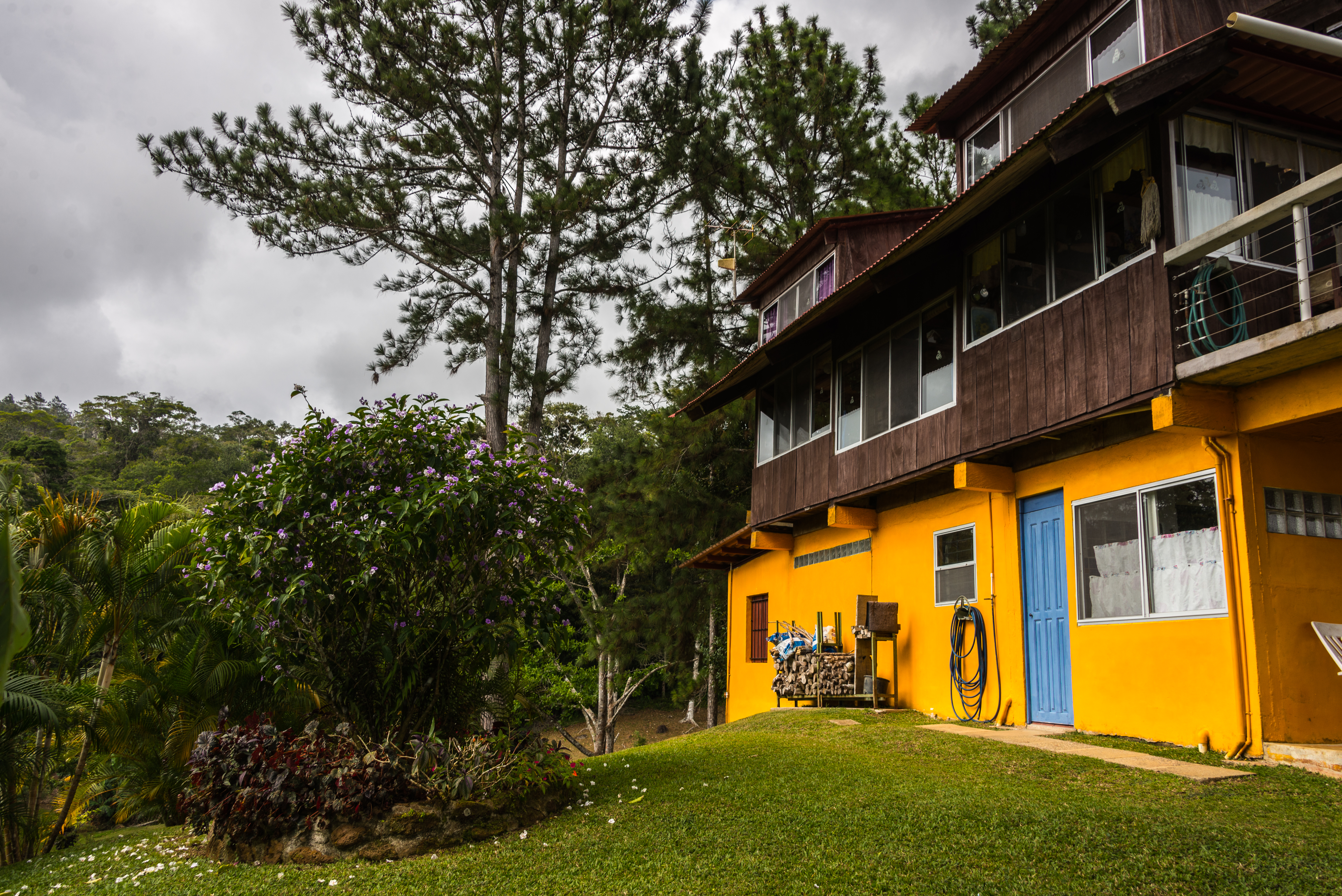
We arrived at the finca and let ourselves through the closed gate. The long entrance driveway was lined by dark red shrubs, defining the road. We pulled up to a nicely kept small house that was about 20 years old. The construction was wood and cement. All the wood was sour cedar which is a local hardwood that termites and other bugs leave alone. We were told that all the pine that had been used in construction had been eaten by the bugs.

2016-JKH-Panama Trip2016-JKH-Panama Trip

2016-JKH-Panama Trip

2016-JKH-Panama Trip2016-JKH-Panama Trip

2016-JKH-Panama Trip

2016-JKH-Panama Trip

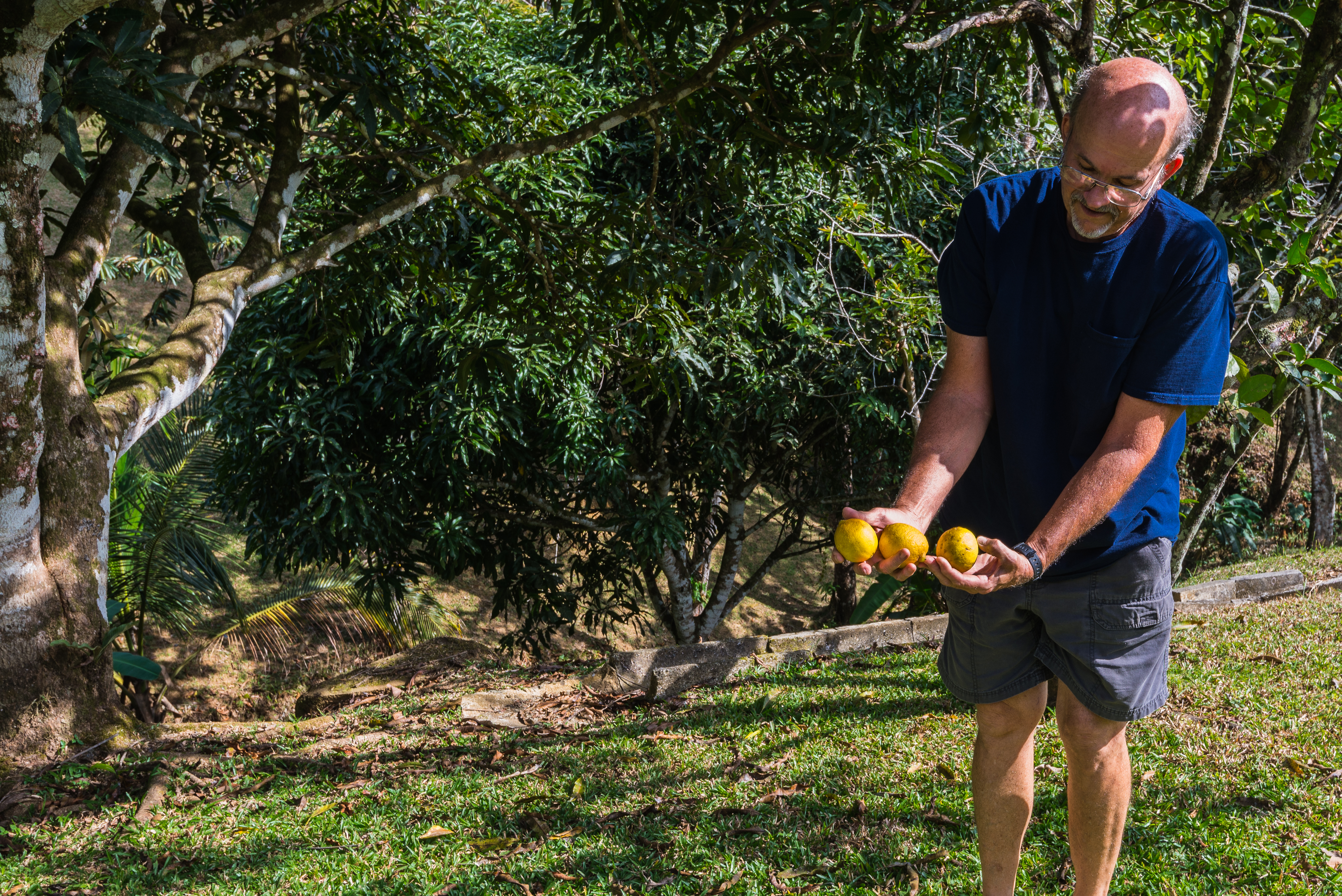
The finca is no longer a working farm but there are remnants of when it was. There are many orange, lime, mango and macadamia nut trees as well as lots of Caribbean pines. The grounds are immaculately kept. You would almost think you were at a golf course. We picked oranges and limes from some of the trees and enjoyed the Oriole nests. They look like a leg of a pantyhose with a softball in it. Just hang it in a tree!

2016-JKH-Panama Trip

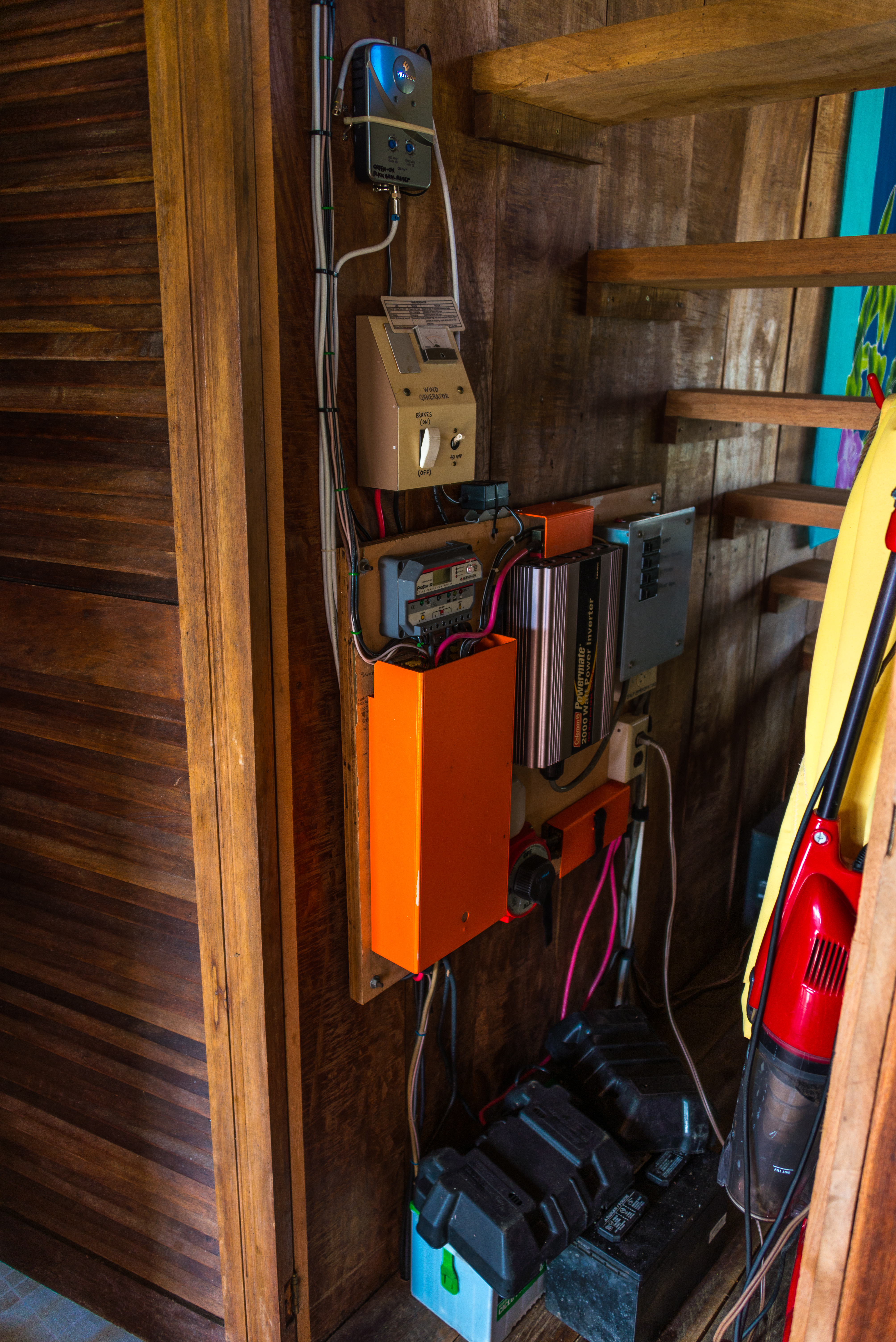
This is truly living off the grid. If you want electricity here, you have to make it yourself. The kitchen sports a propane stove and fridge. I didn’t know they made propane fridges until this trip. There are solar panels on the roof of the house and an inverter with a couple of batteries in the control room. They can even get an Internet connection via cell phone here if they boost the signal. It is fascinating that way out here in the middle of nowhere you can have all the comforts of home.

2016-JKH-Panama Trip2016-JKH-Panama Trip

2016-JKH-Panama Trip

2016-JKH-Panama Trip

2016-JKH-Panama Trip

2016-JKH-Panama Trip2016-JKH-Panama Trip

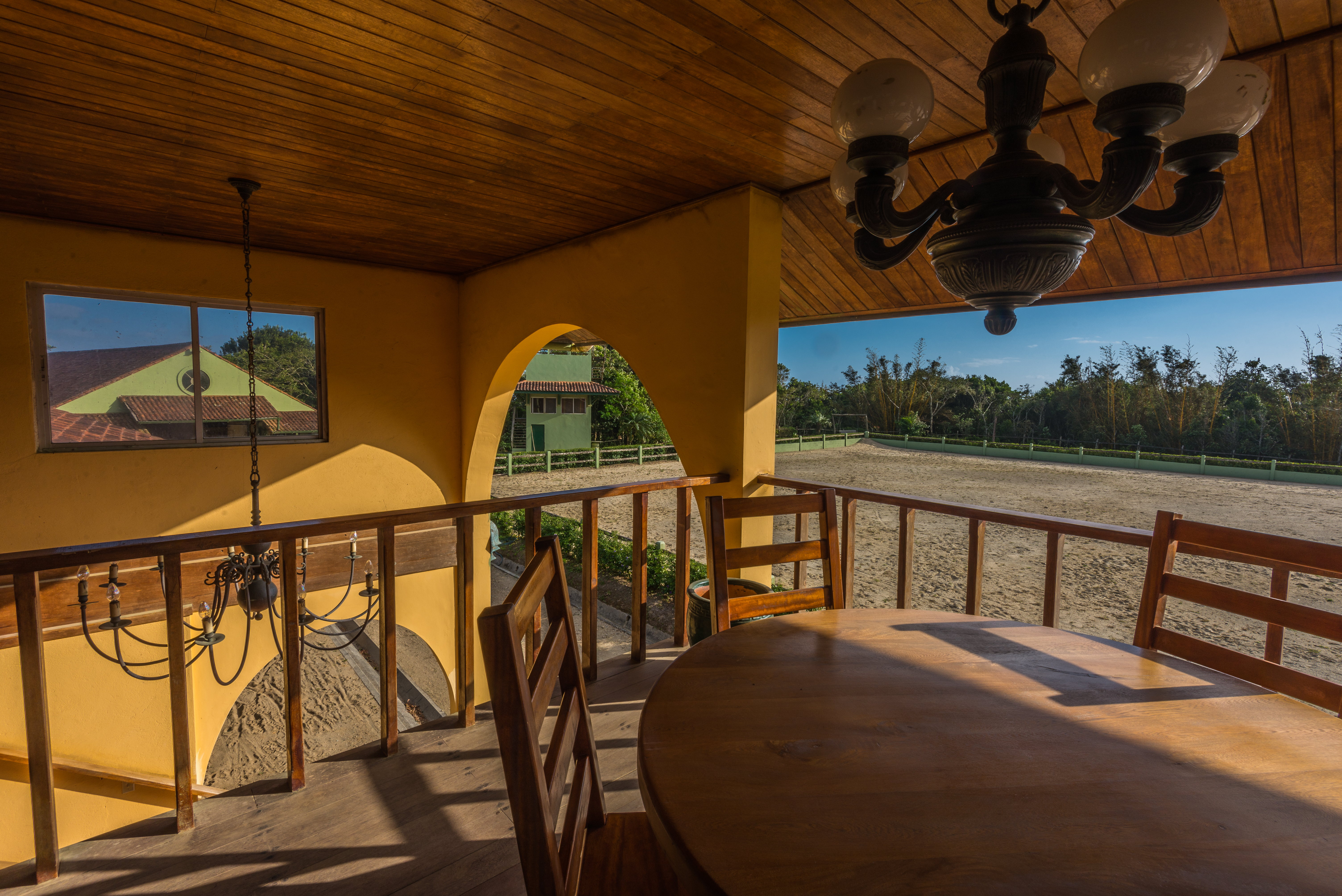
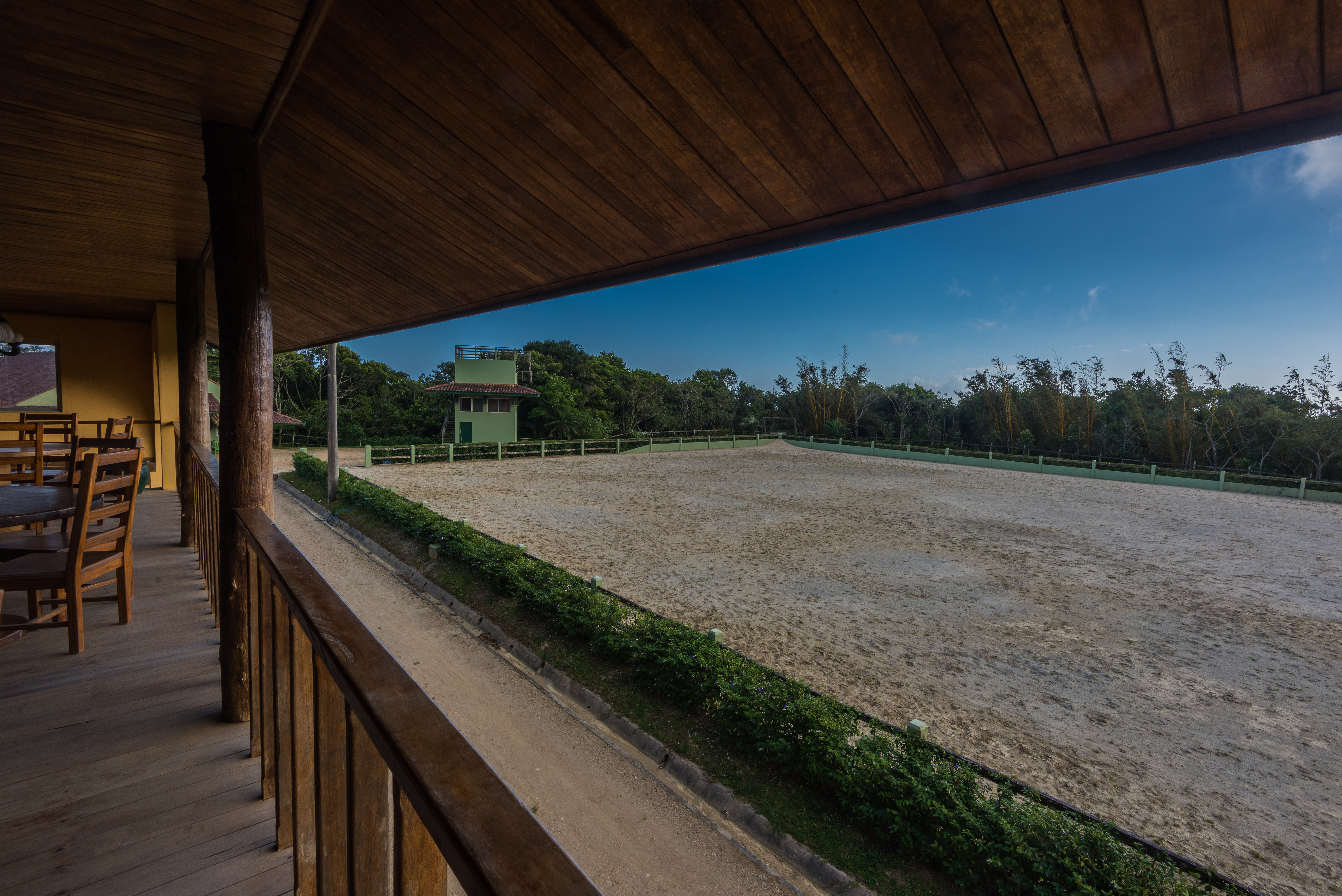
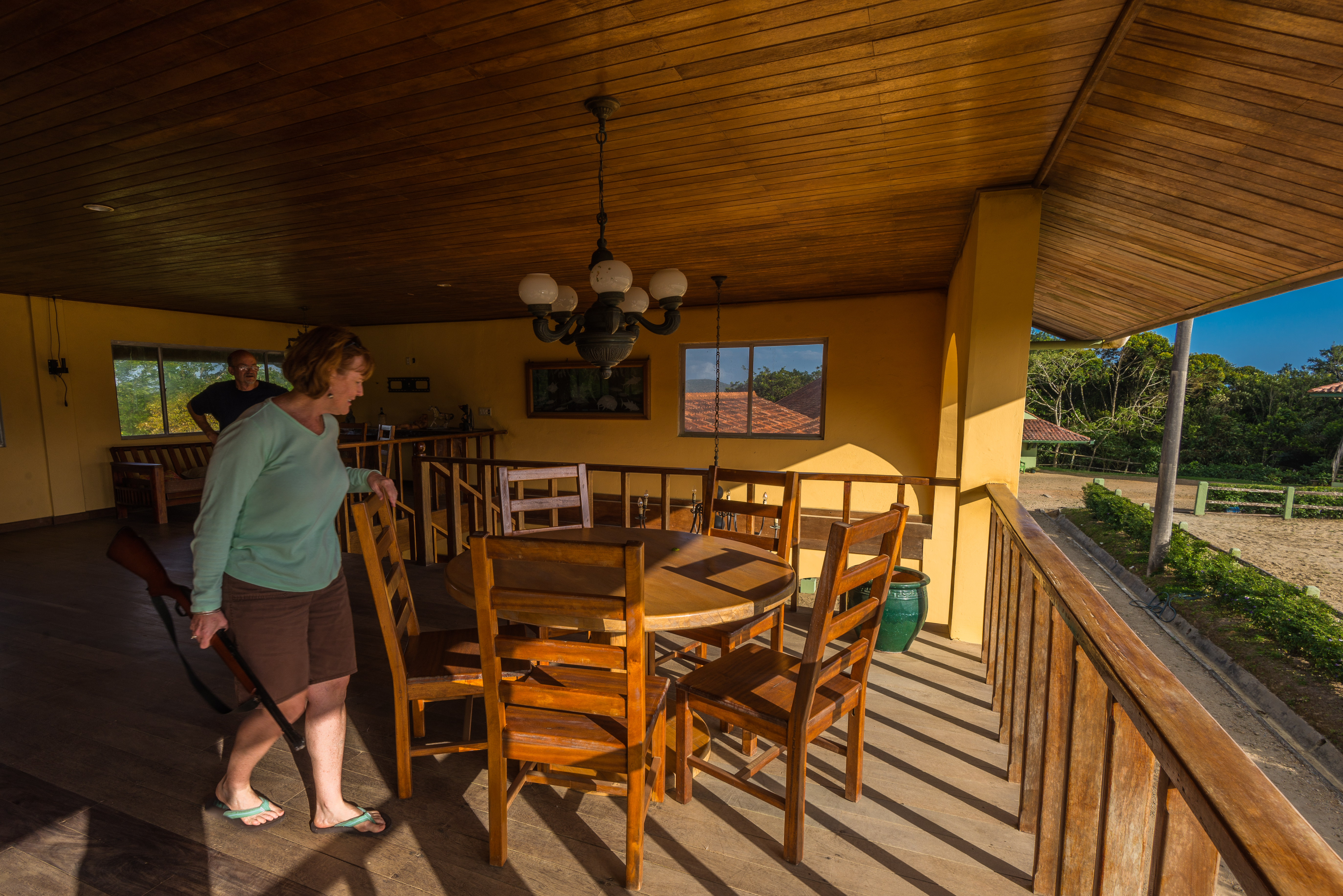
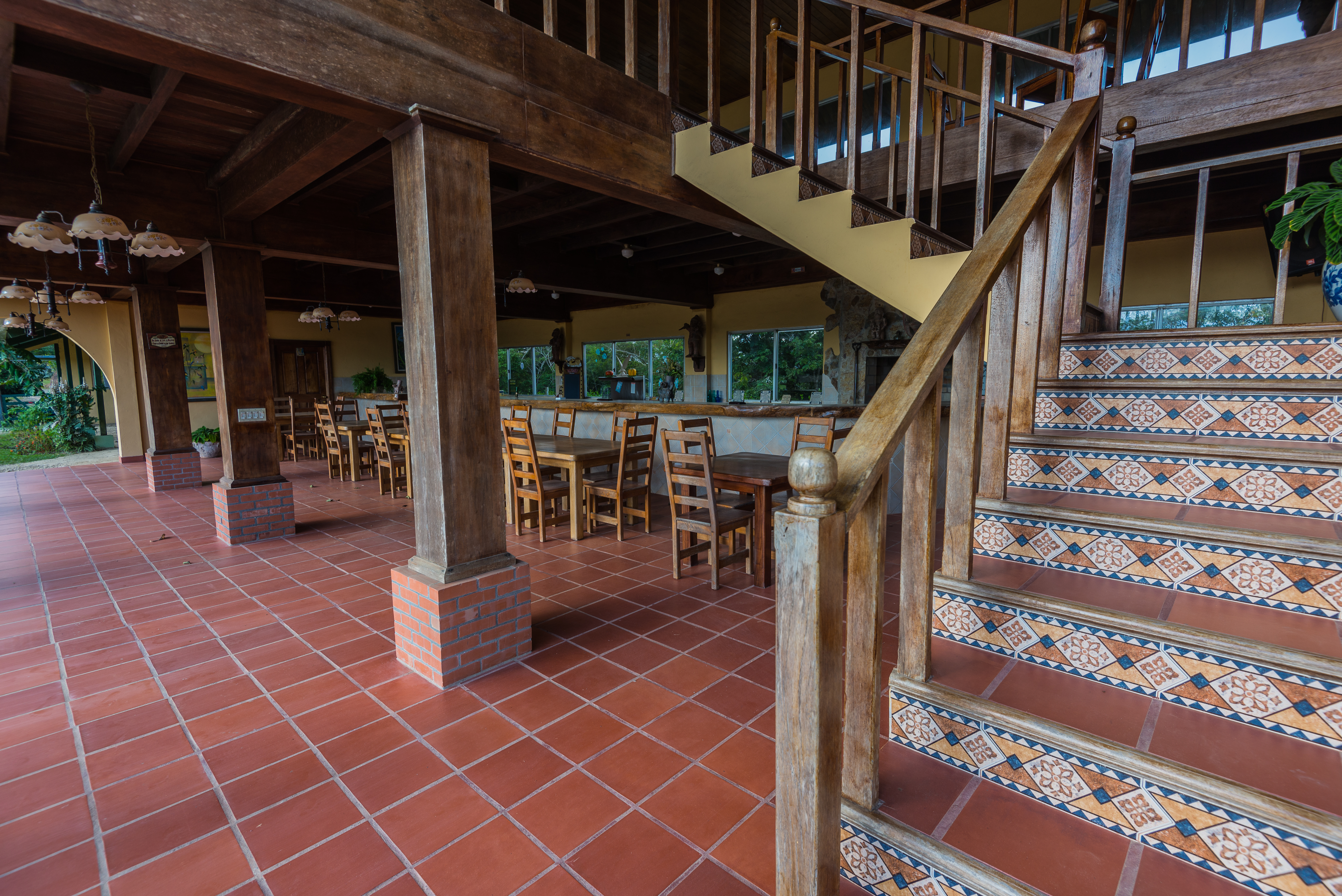
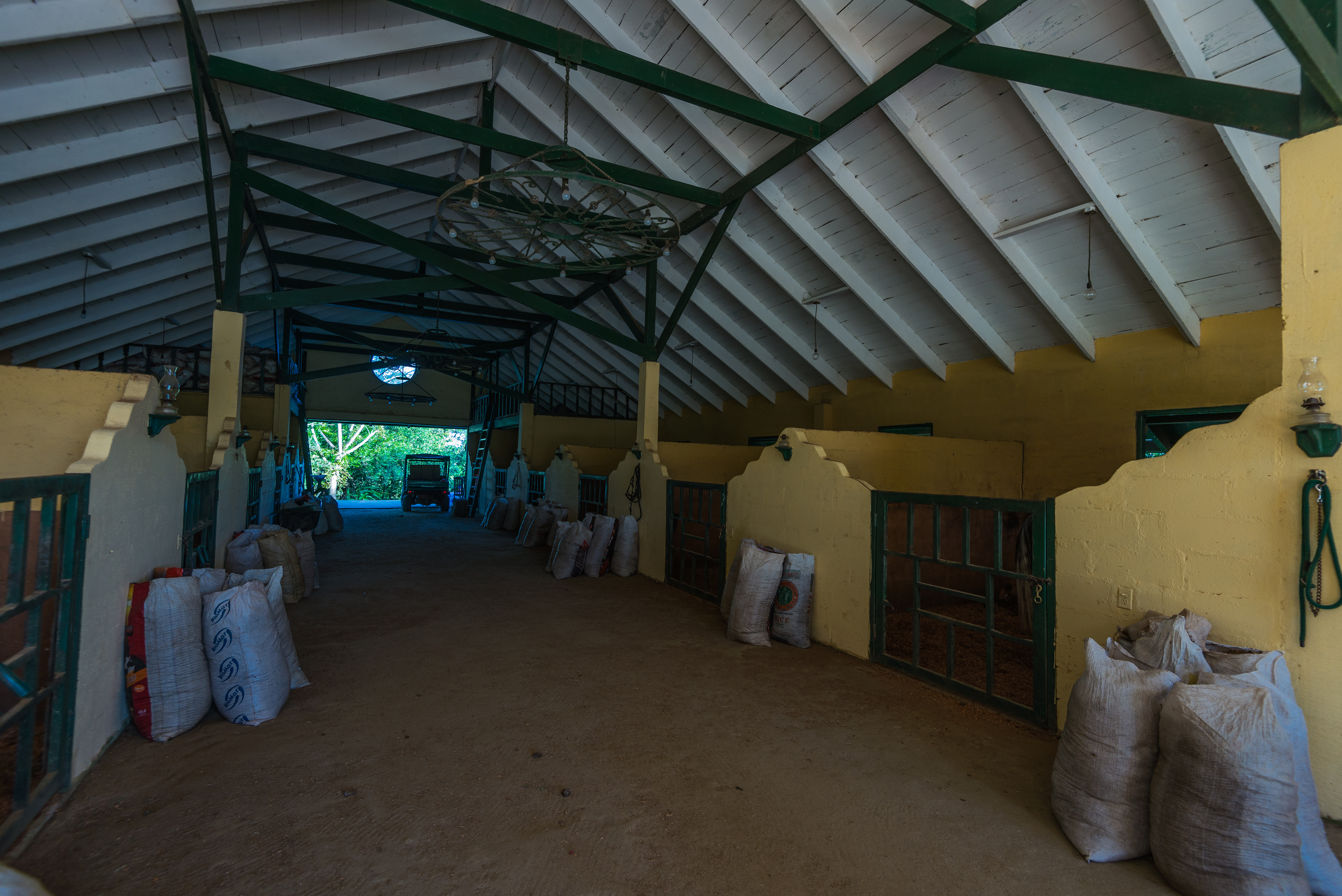
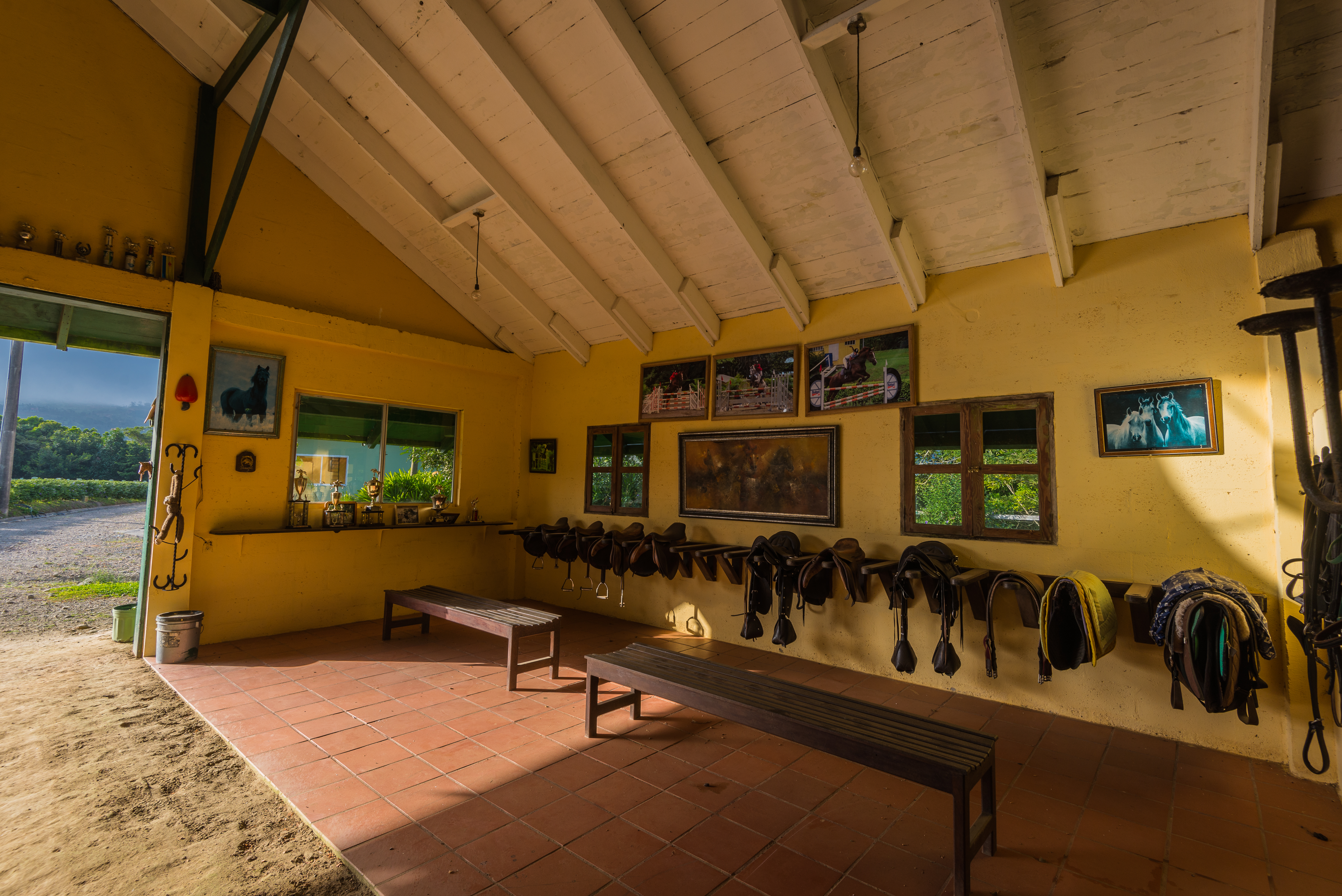
On the trip back we stopped to return a borrowed rifle that the caretaker had used for hunting. The place we stopped was unbelievable. It was like a miniature Spruce Meadows only a little further south. A large bar and restaurant that nobody had ever used were flanked by cement horse stalls. This complex was in front of a fenced open air horse arena performance field. The field was packed sand and there was a cement control tower at one end of the field. There was also a cement barn housing a number of horses. Apparently this facility was built to attract competitive horse competitions but it never got off the ground. Maybe part of the problem is the road you have to use to get there!

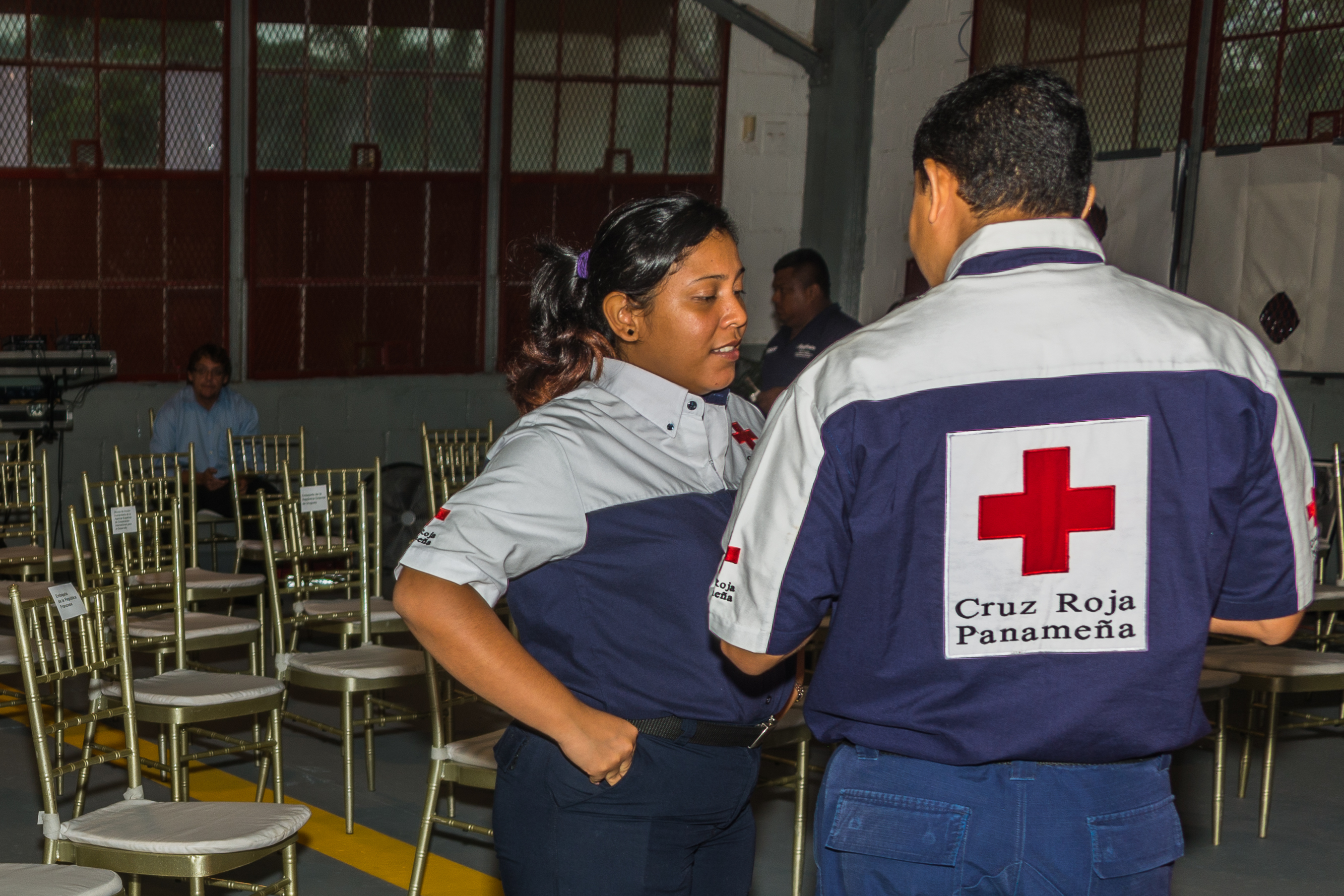
Red Cross – South

It has been my pleasure to be a photographer with the Canadian Red Cross in Calgary, Alberta for several years now. I get tremendous satisfaction from contributing my skills to such a worthwhile organization.

As many of you know, I spend five or six months each year just outside Panama City in a place called Los Altos de Cerro Azul. It is a great way to escape the Great White North and live a completely different way of life in the Chagress National Park, here in the jungle of Panama.

Last year I thought I would like to contact the Red Cross, here in Panama, to see if I could contribute photography to them. I was unable to make a connect, so when I got back to Canada last year, I asked for a contact in Panama through the official channels of the Canadian Red Cross and they made the connection for me.

2015-IFRC-World Disasters Report Launch

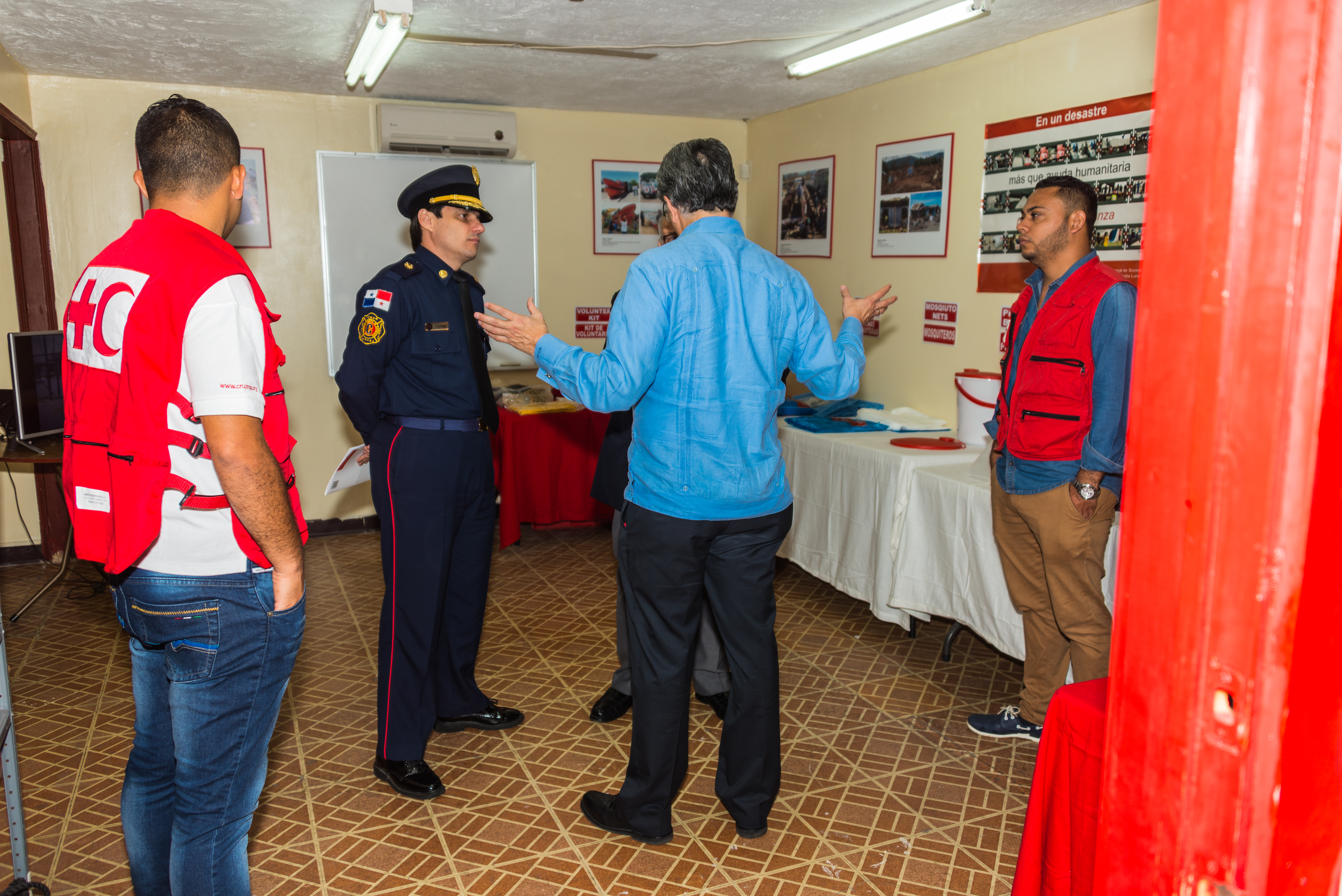
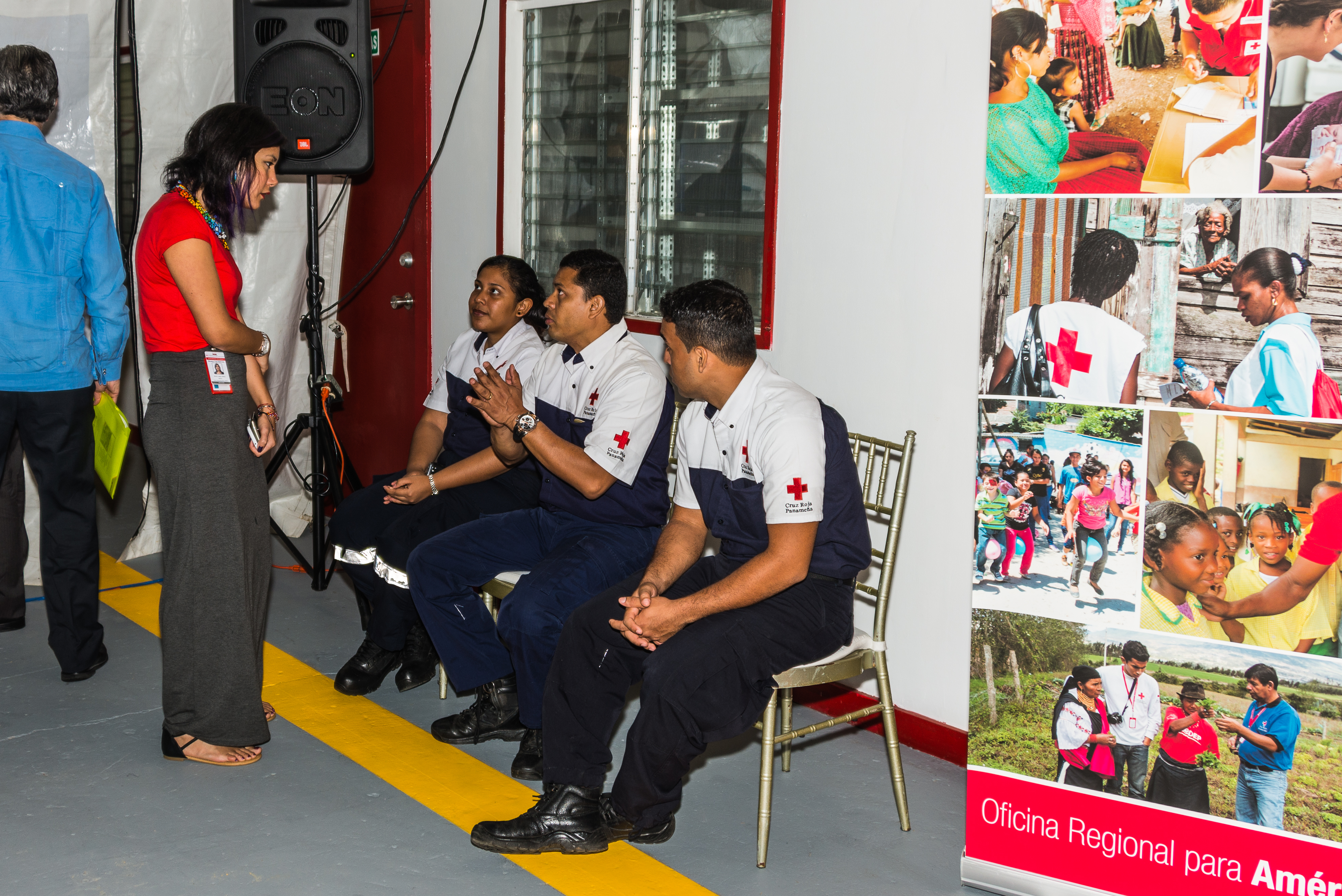
Beside the Panamanian Red Cross Office, here in Panama, the International Federation of the Red Cross and Red Crescent Societies (IFRC) has its office for the Americas Region, which covers North and South America as well as the Caribbean. (http://www.ifrc.org/americas) I bet you didn’t know that this office assisted in the Calgary Flood of 2013. There are actually members of the Canadian Red Cross and the American Red Cross embedded in the IFRC operation here. The office here is in the prestigious City of Knowledge, in Panama City, which requires that organizations qualify prior to opening operations there.

2015-IFRC-World Disasters Report Launch2015-IFRC-World Disasters Report Launch2015-IFRC-World Disasters Report Launch2015-IFRC-World Disasters Report Launch

2015-IFRC-World Disasters Report Launch2015-IFRC-World Disasters Report Launch

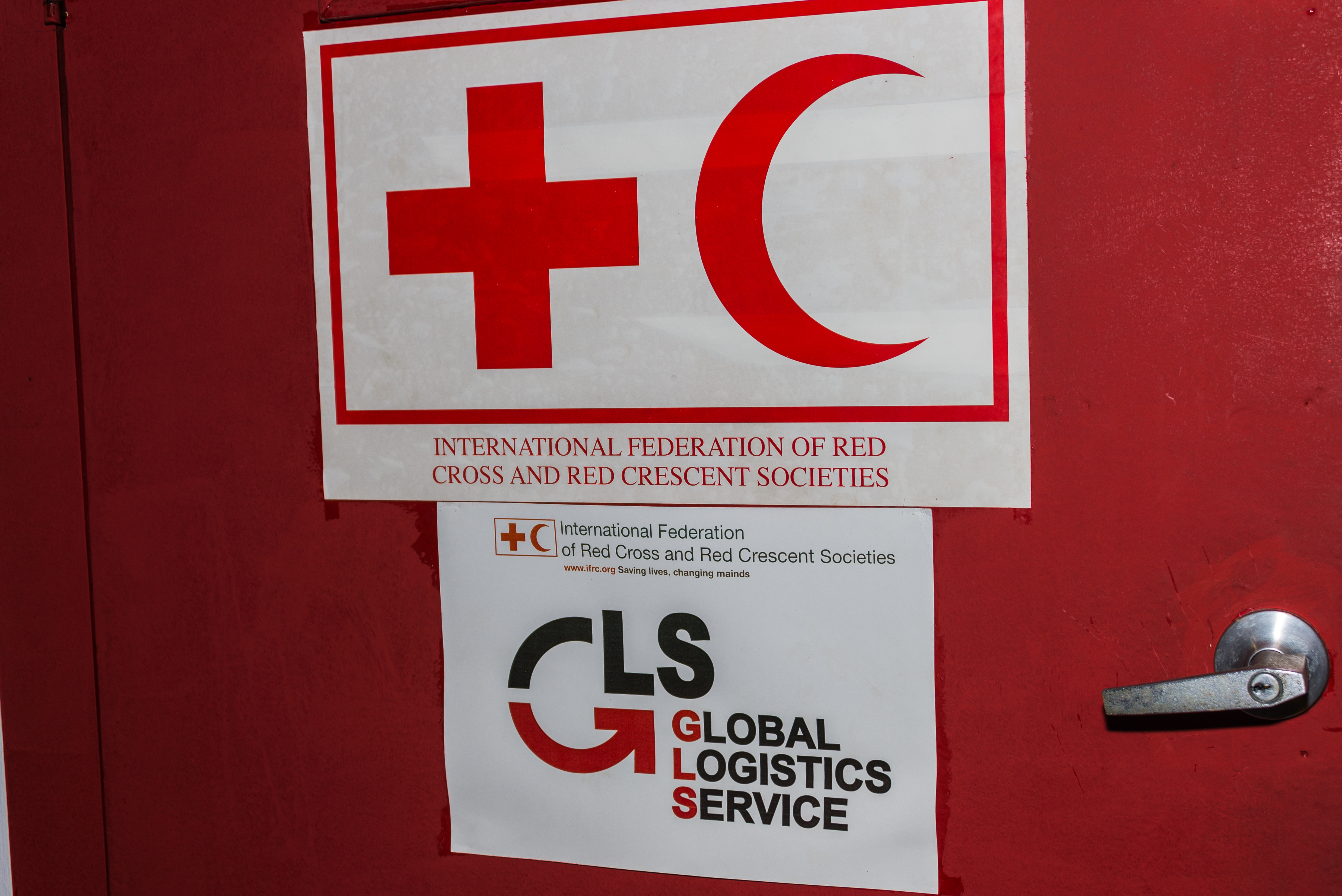
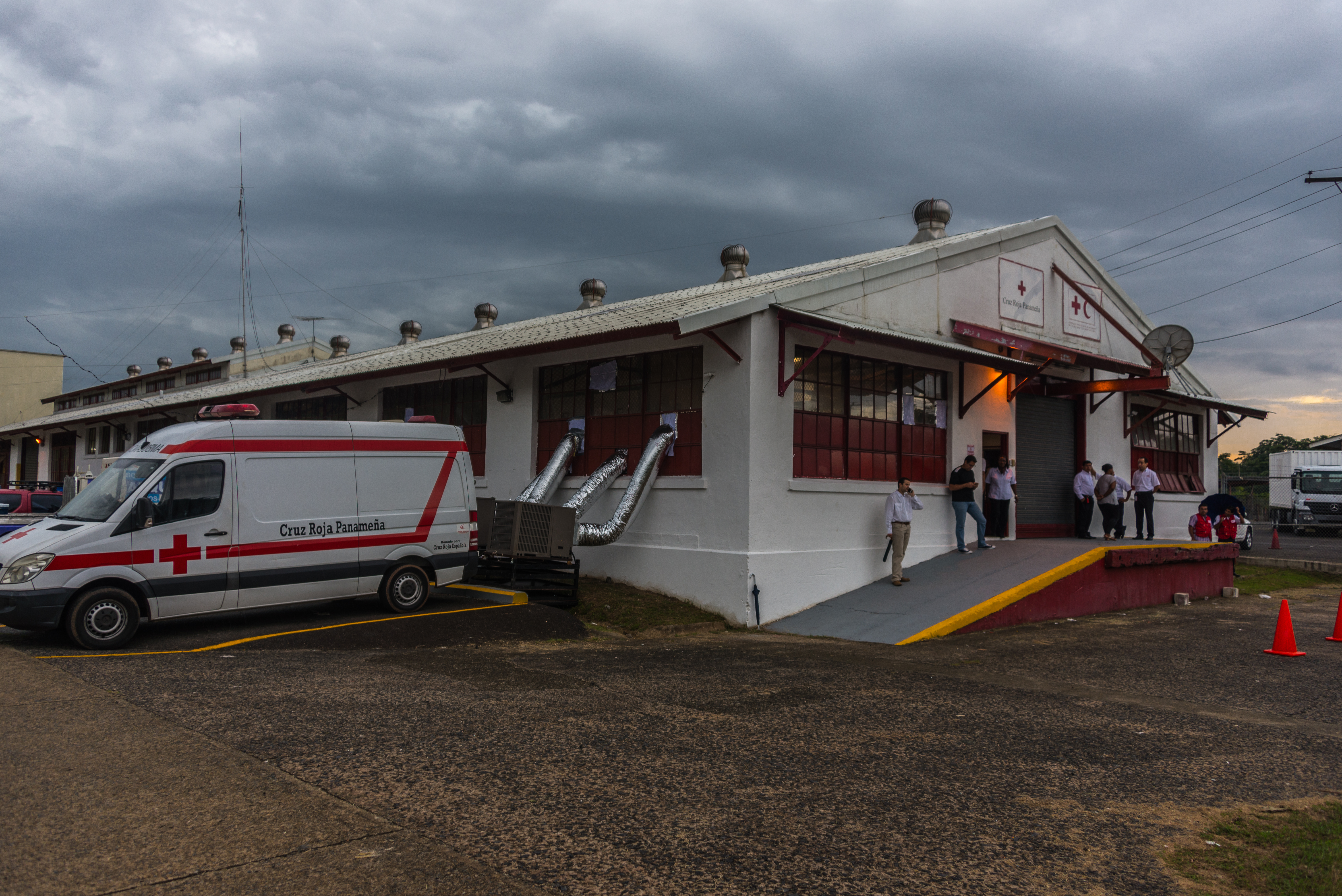
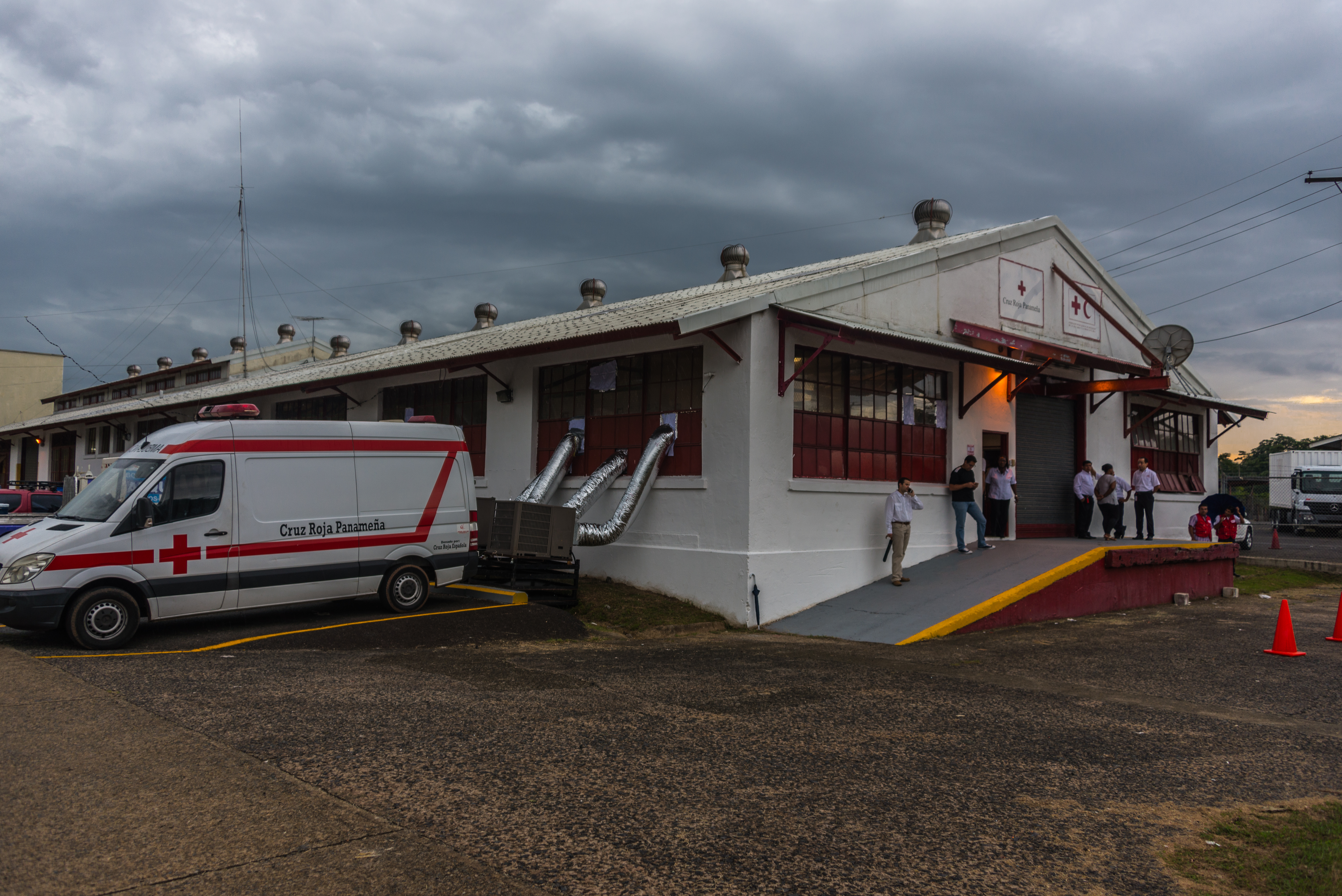
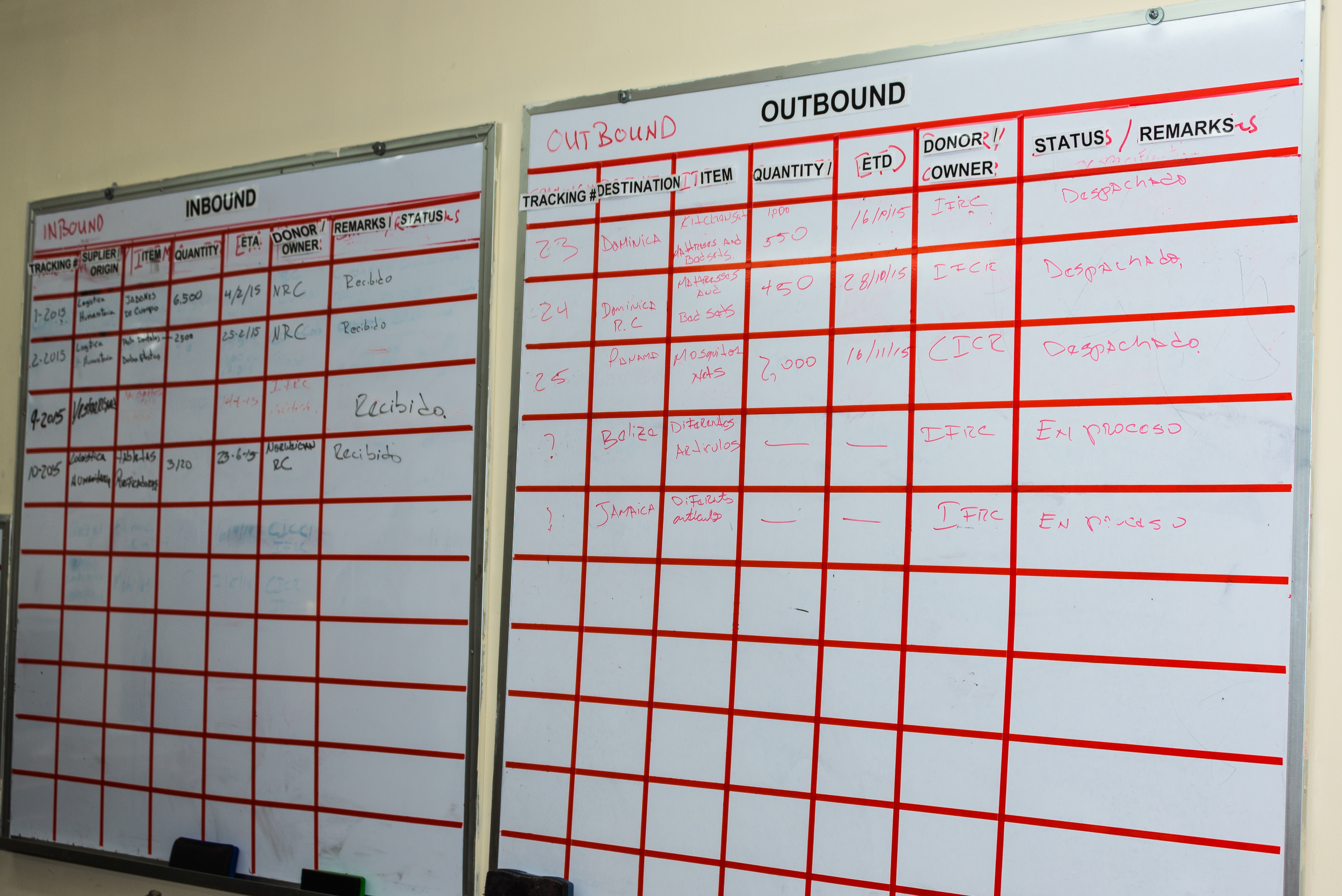
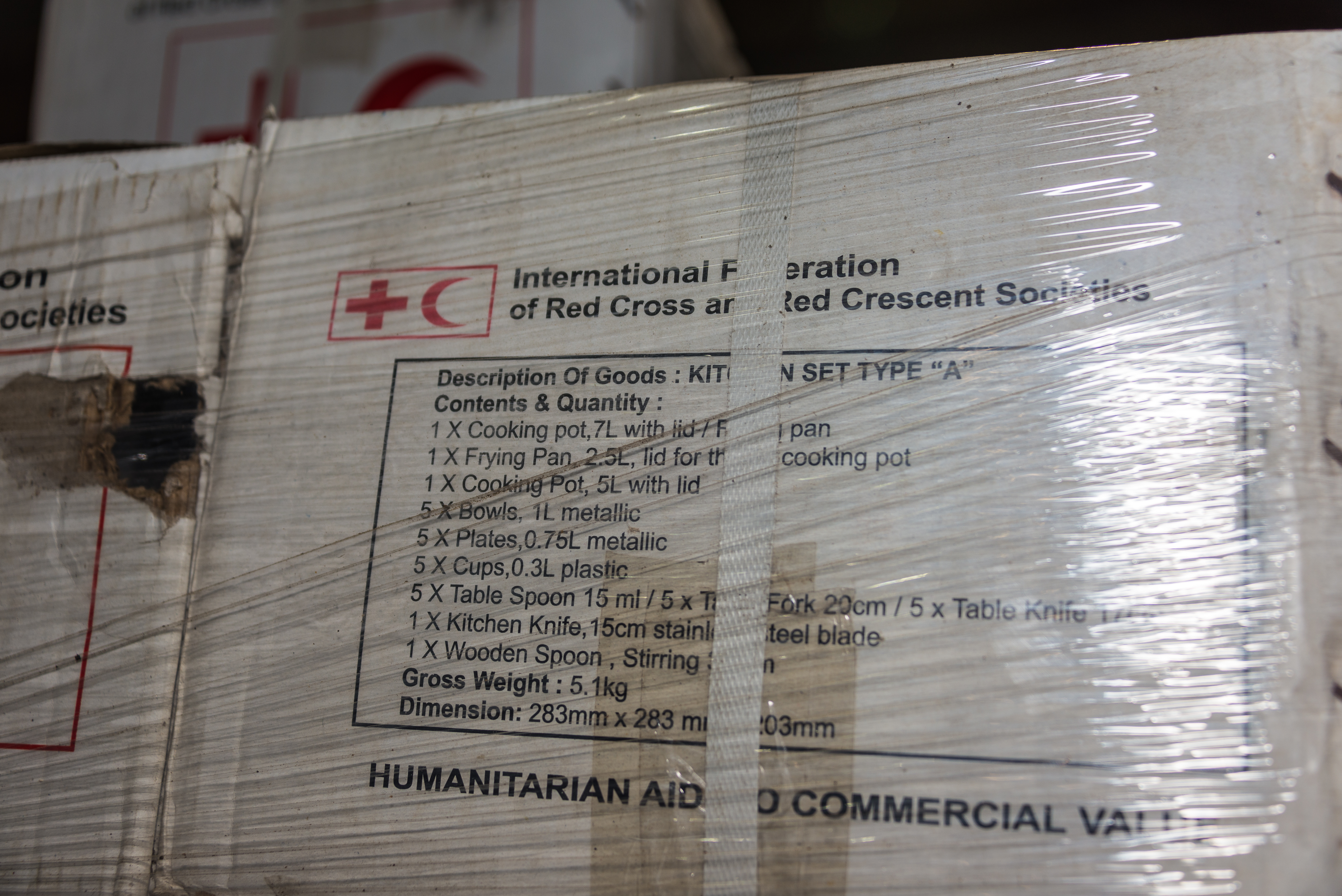
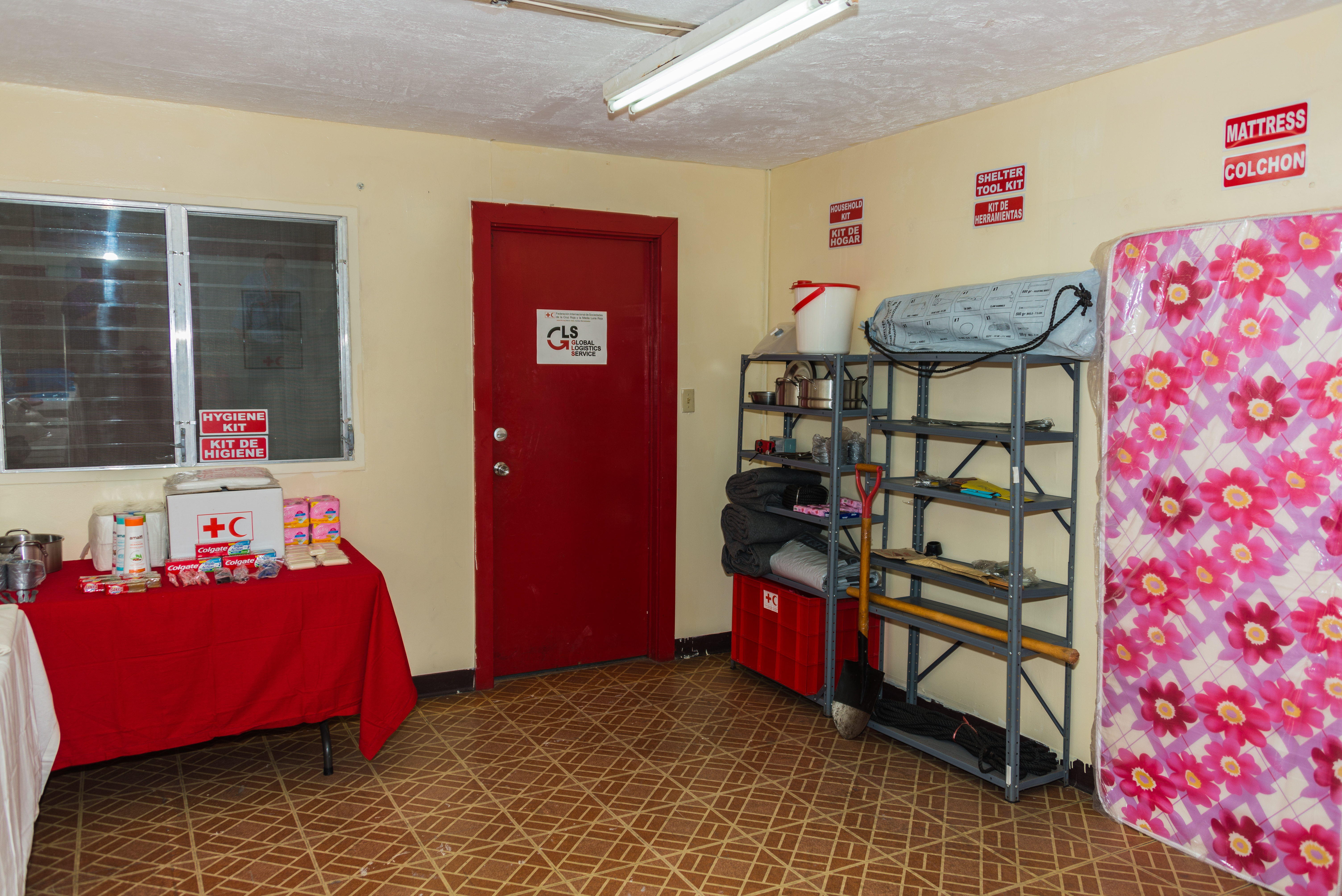
There is also a warehouse, run by Global Logistics Service, which is an arm of the IFRC with its head office in Dubai, UAE. The Panama warehouse is located in an area called Panama Pacifica, which has its own air strip, formerly the Howard Airforce Base when the Americans were here. That, with easy access to the Panama Canal, makes for logistical efficiencies that allow for easy movement of materials by ship or air.

2015-IFRC-World Disasters Report Launch

World Disasters Report 2015

2015-IFRC-World Disasters Report Launch

2015-IFRC-World Disasters Report Launch2015-IFRC-World Disasters Report Launch2015-IFRC-World Disasters Report Launch

2015-IFRC-World Disasters Report Launch

2015-IFRC-World Disasters Report Launch2015-IFRC-World Disasters Report Launch2015-IFRC-World Disasters Report Launch

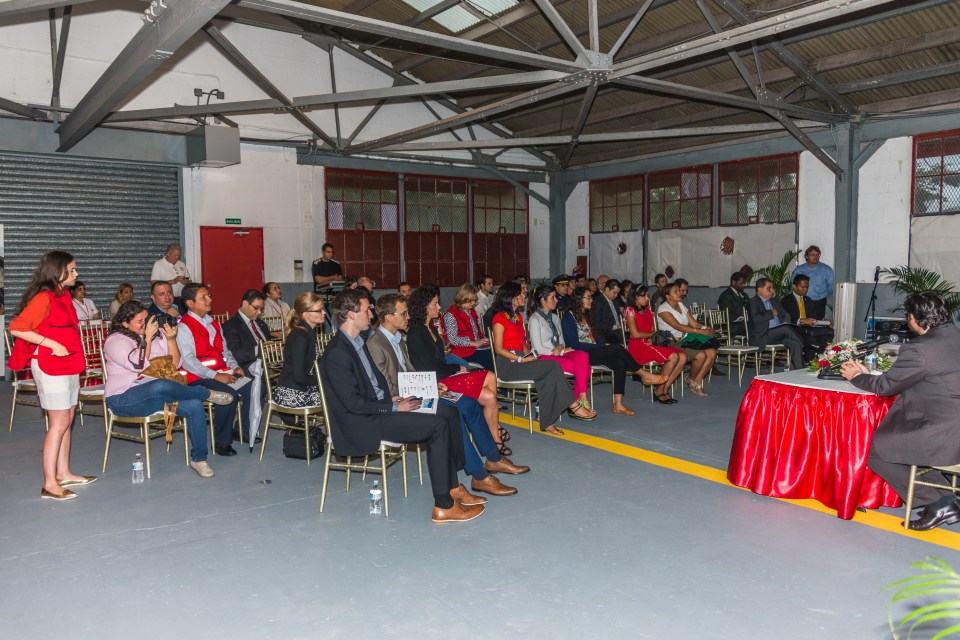
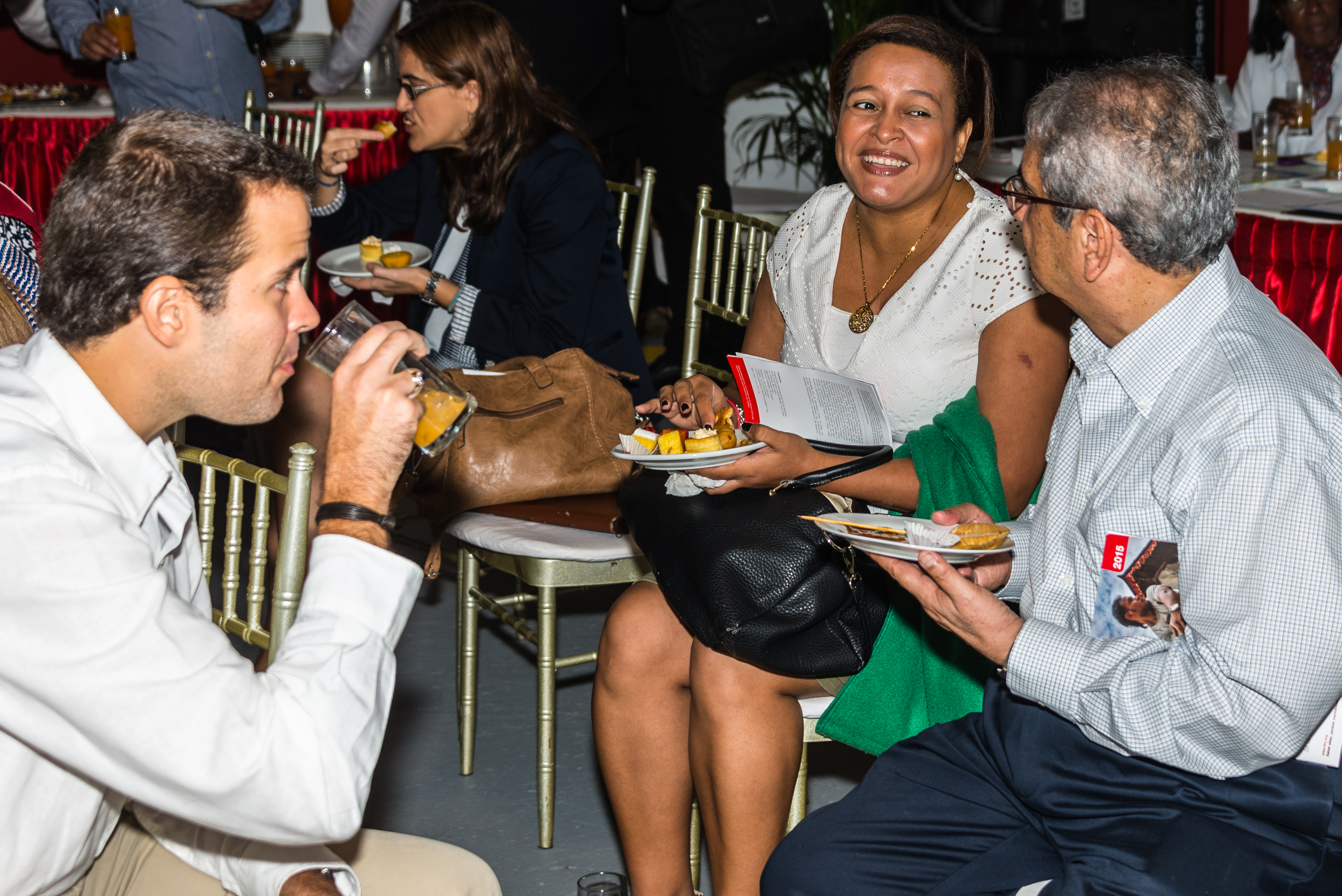
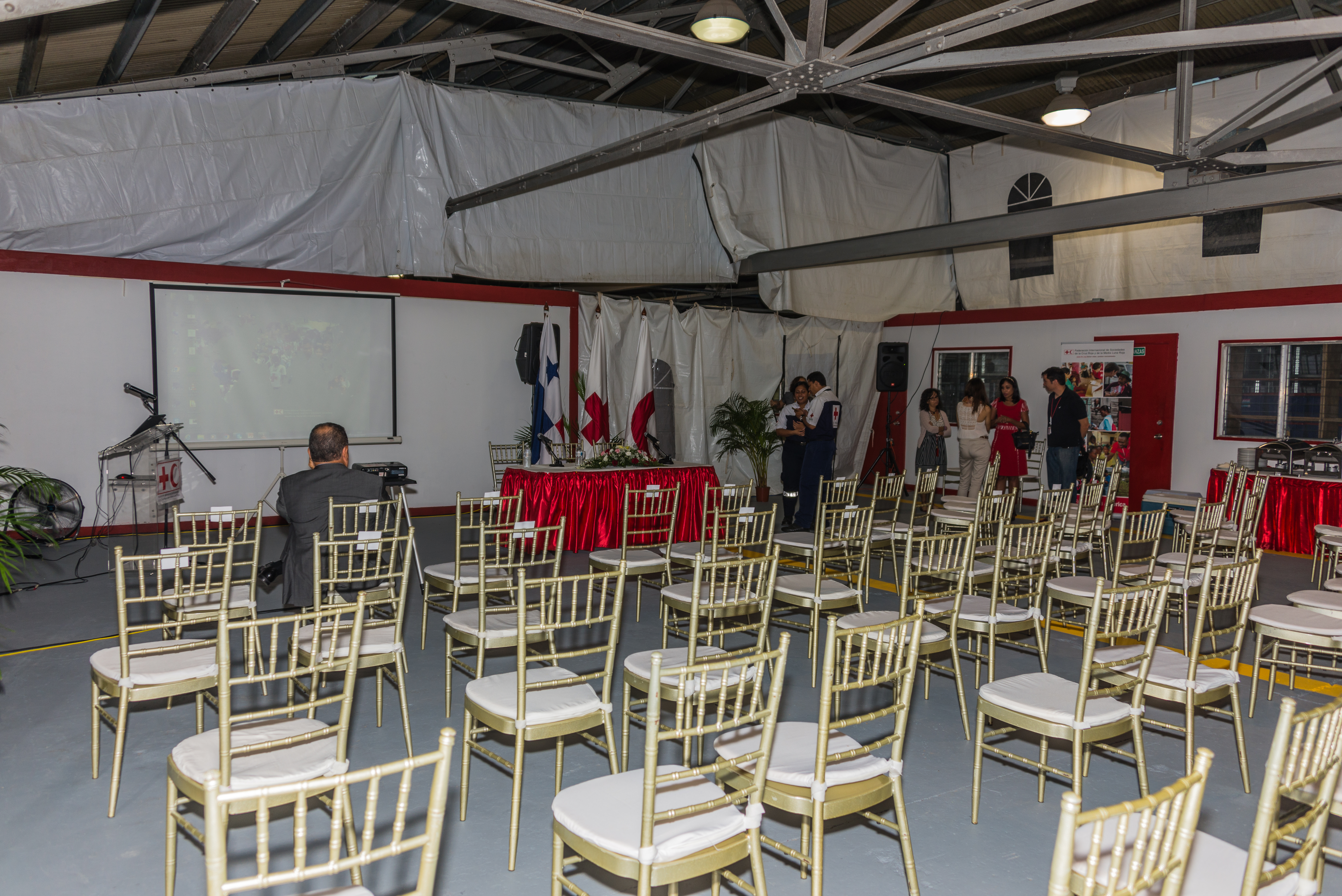
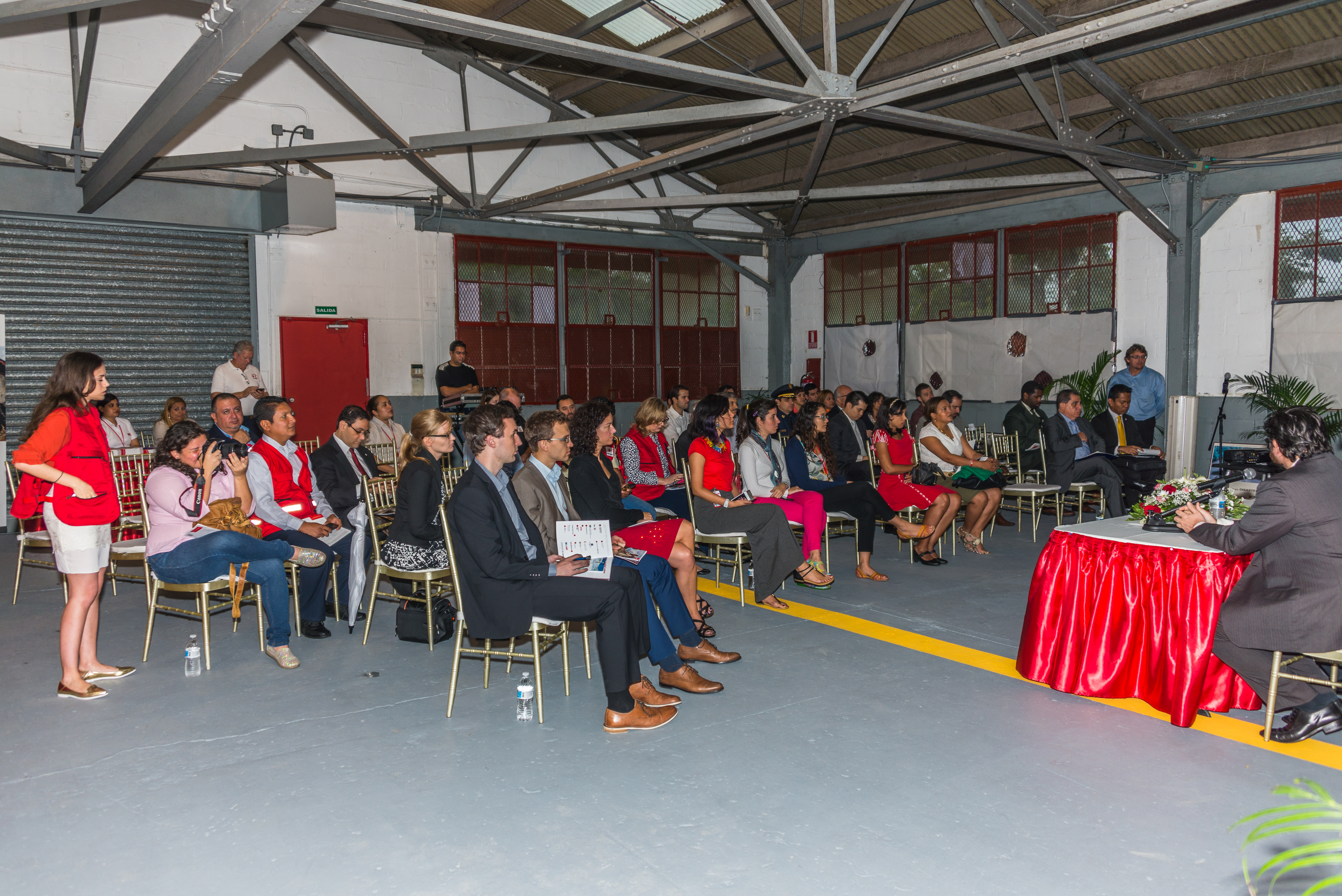
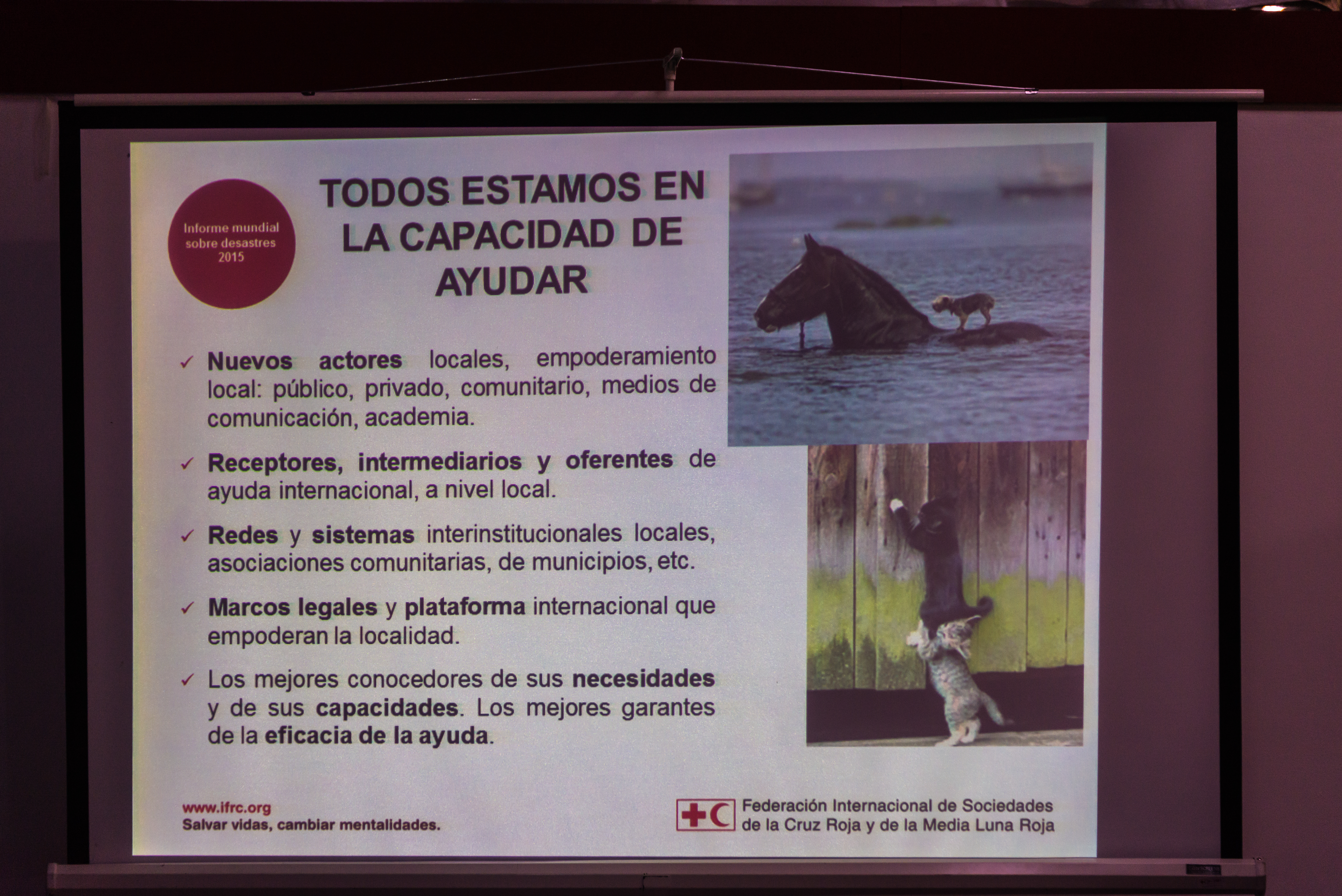
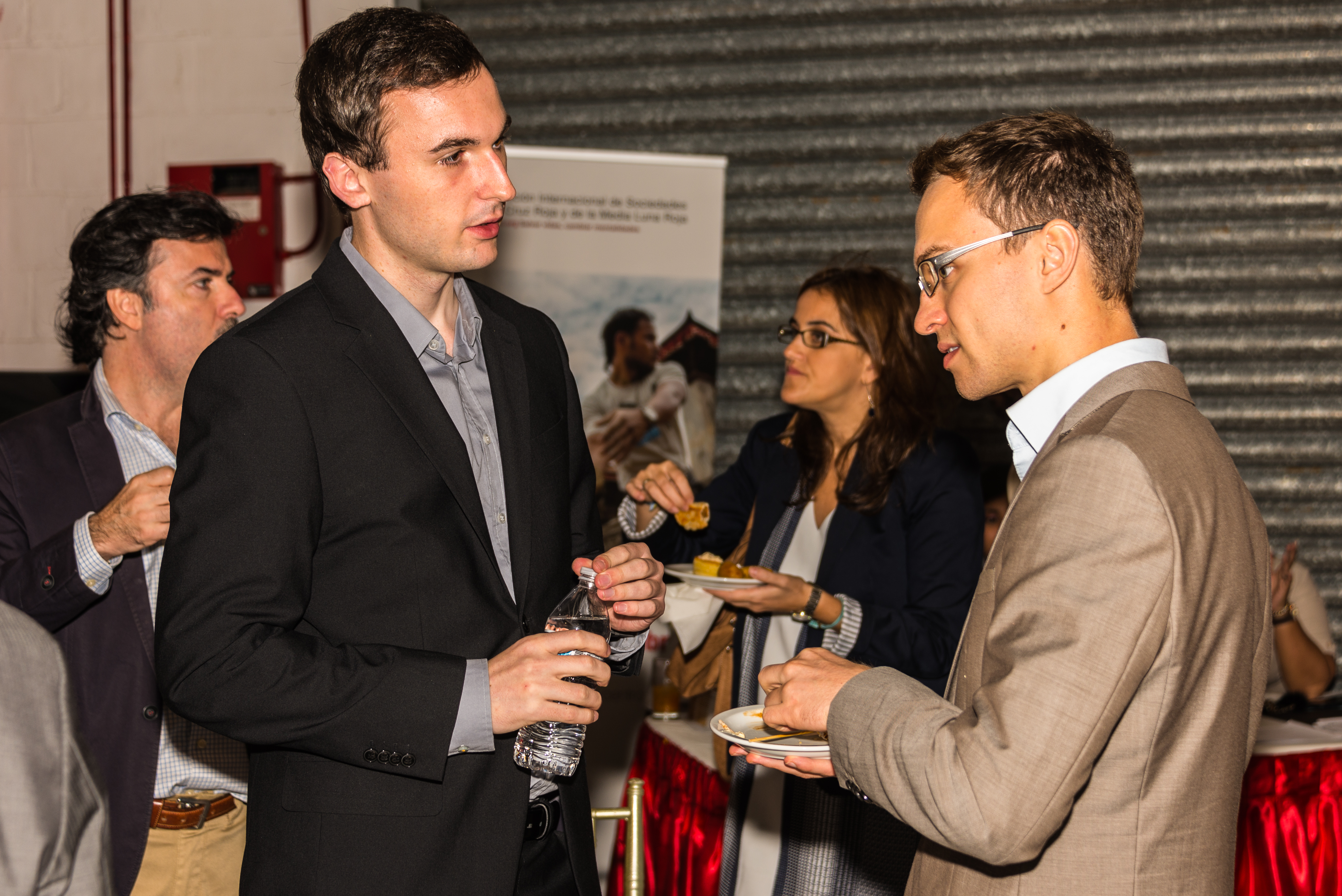
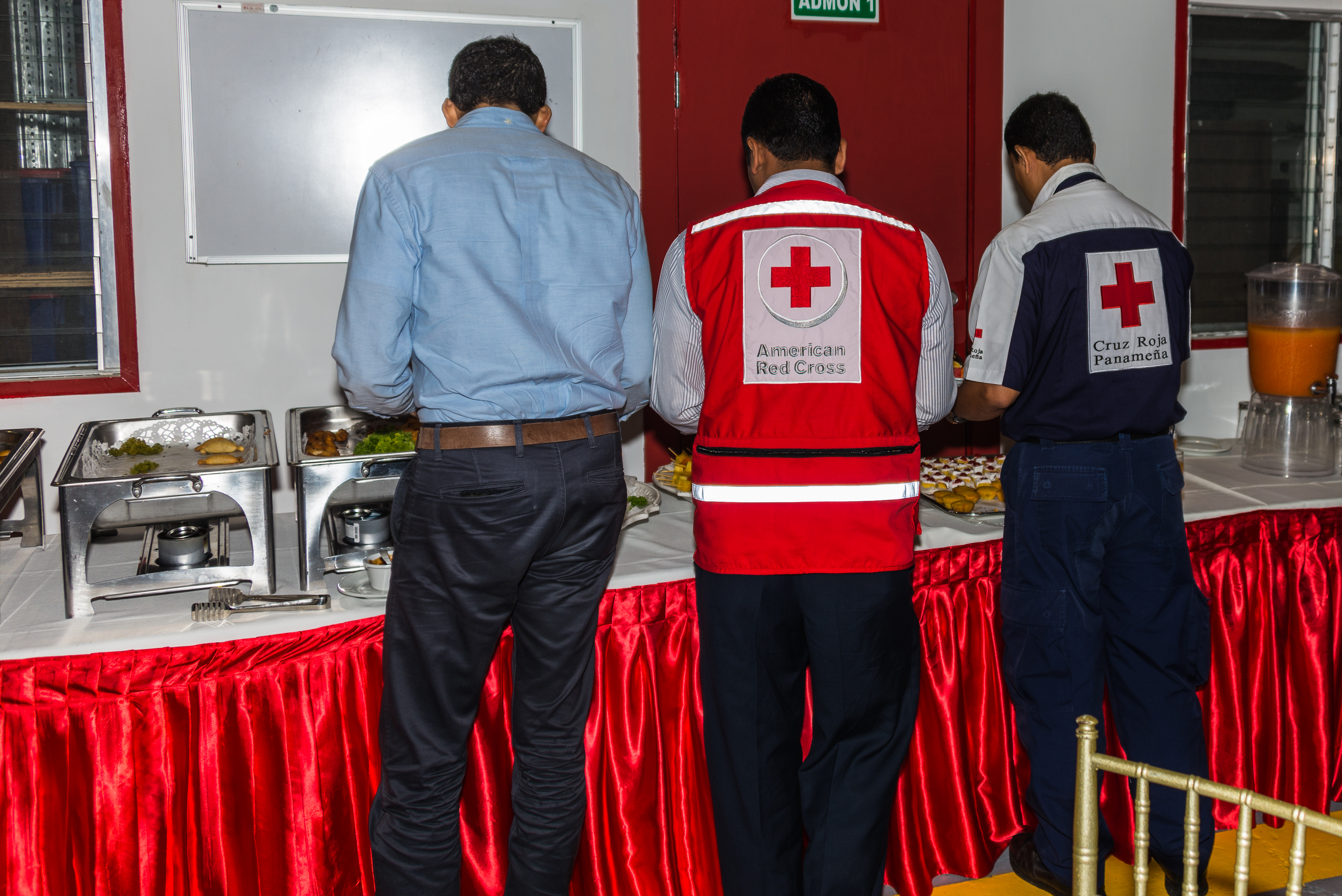
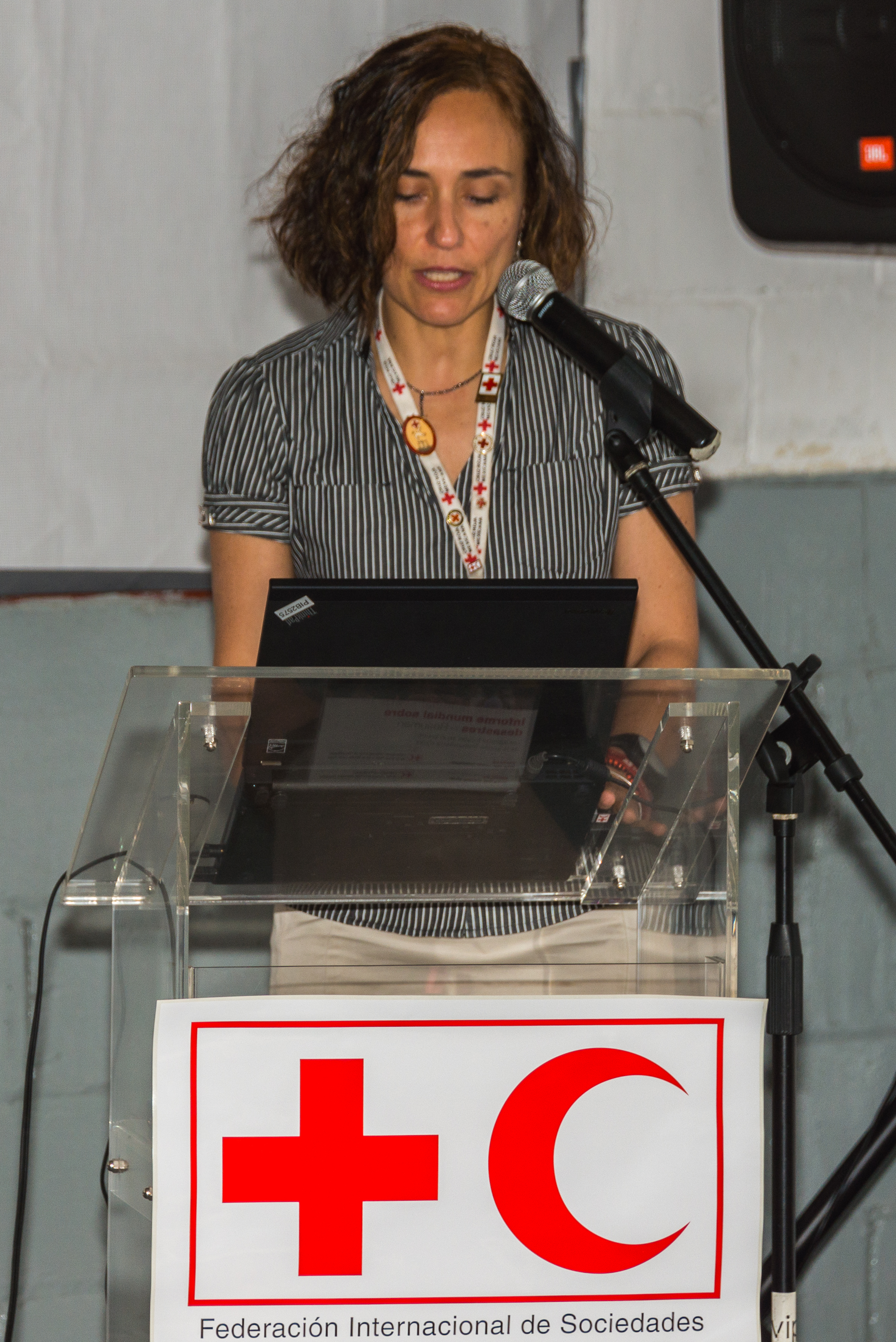
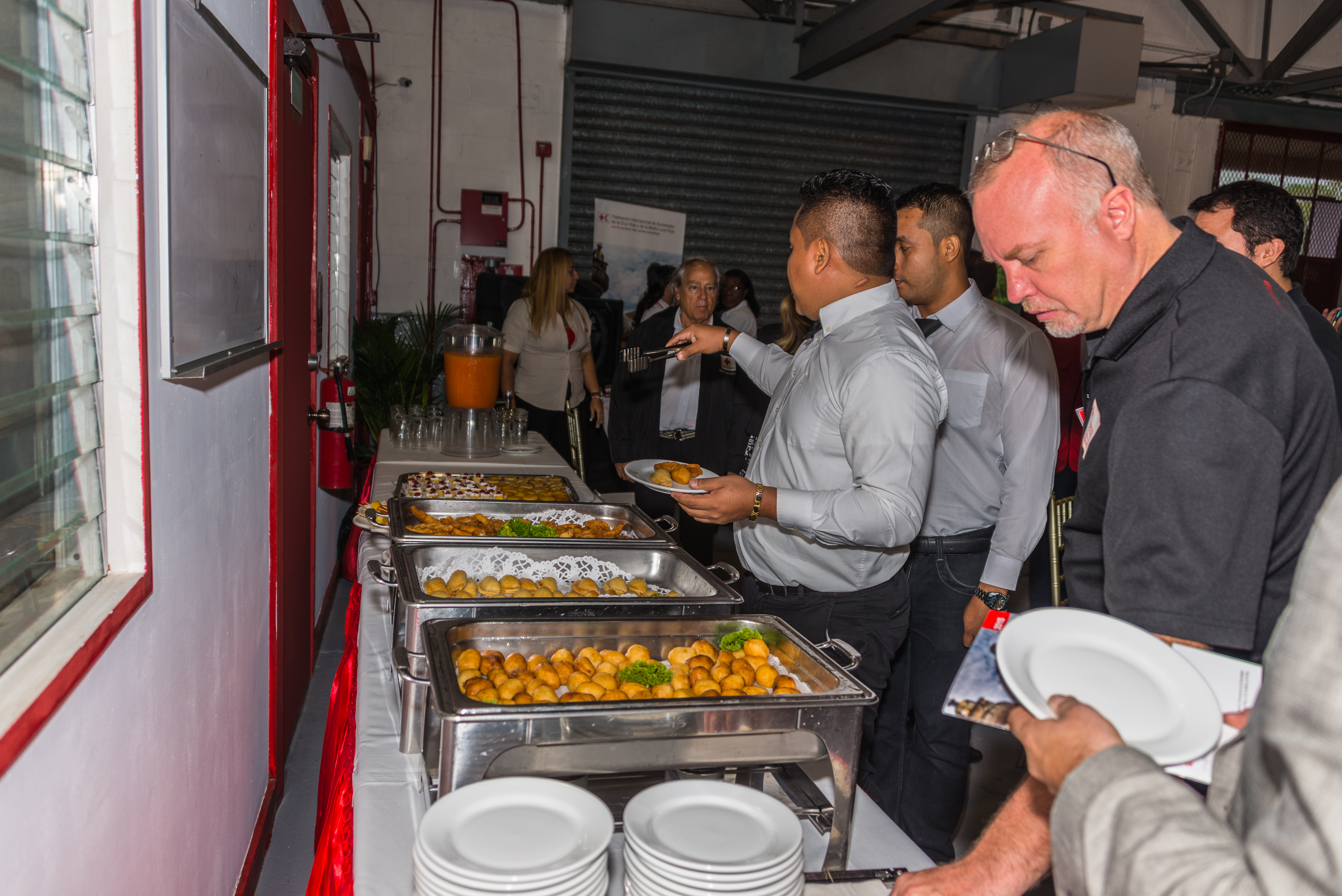
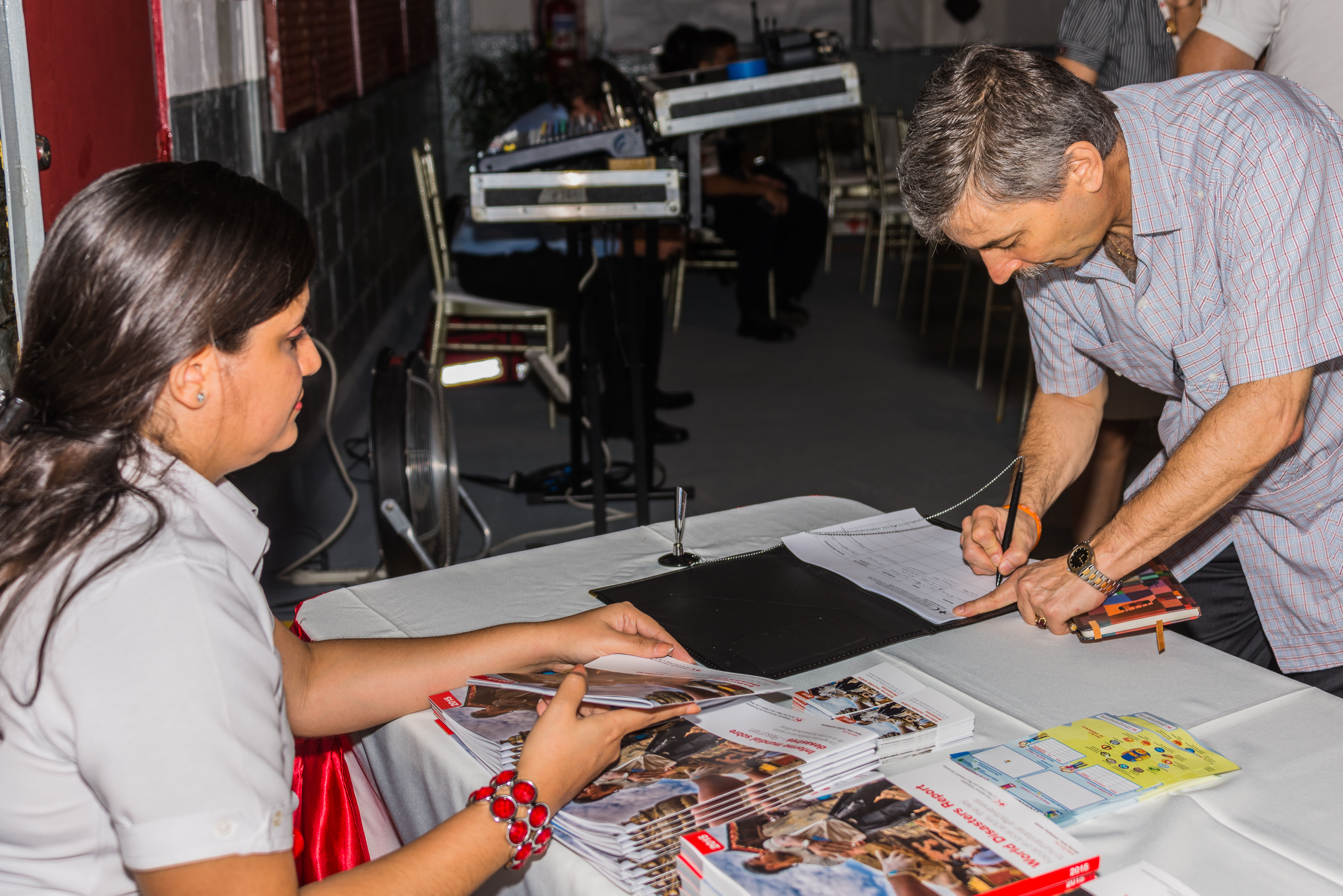
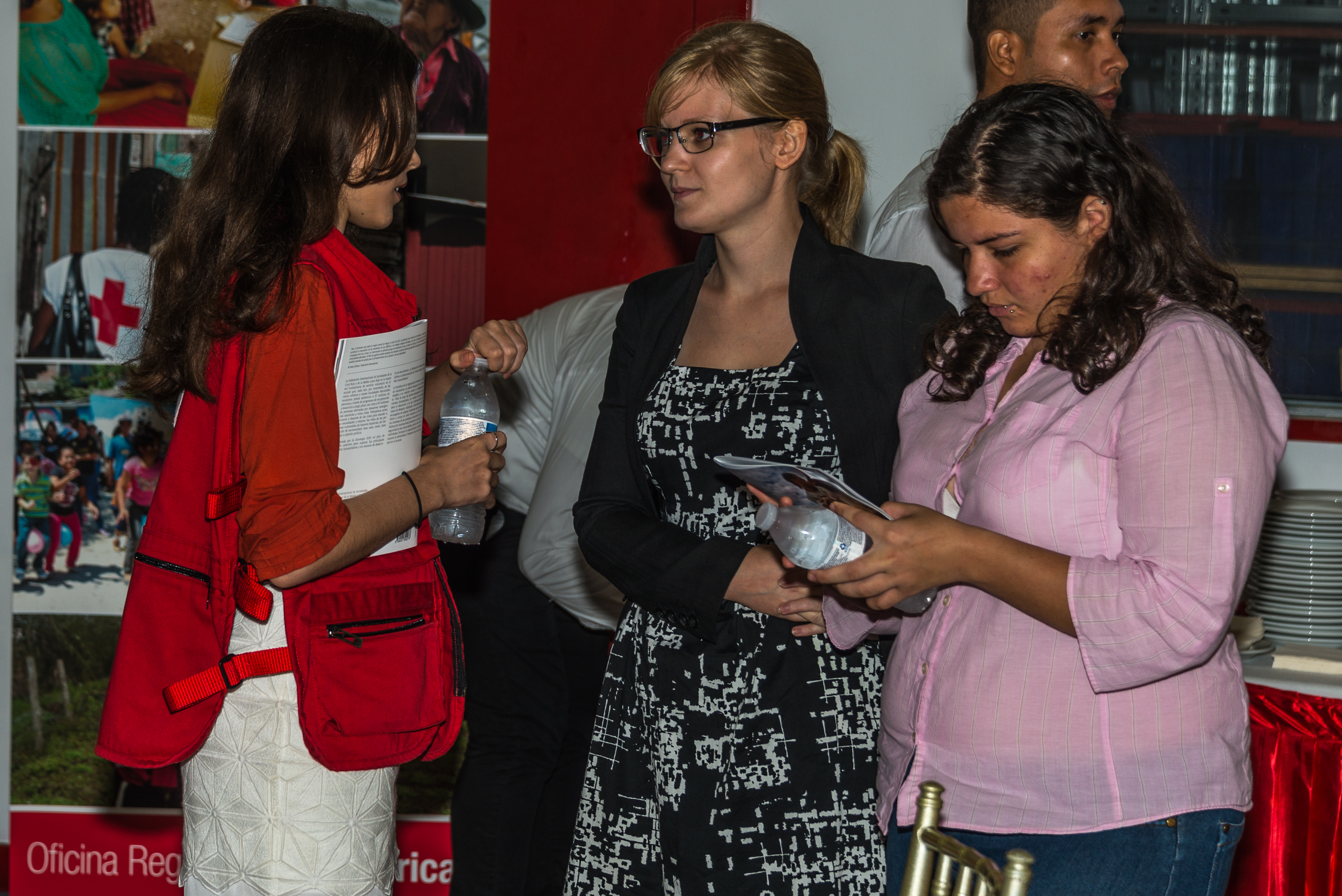
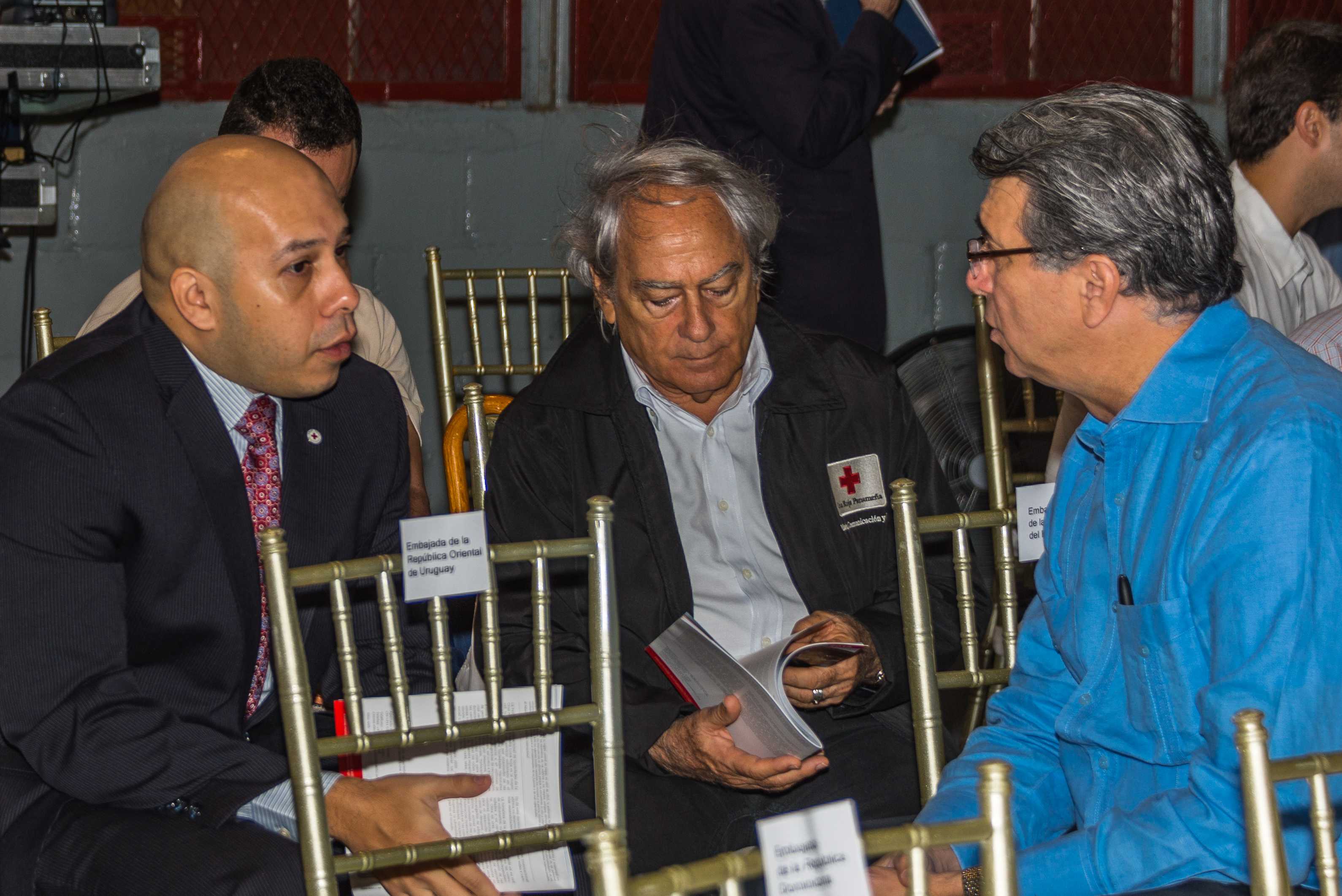
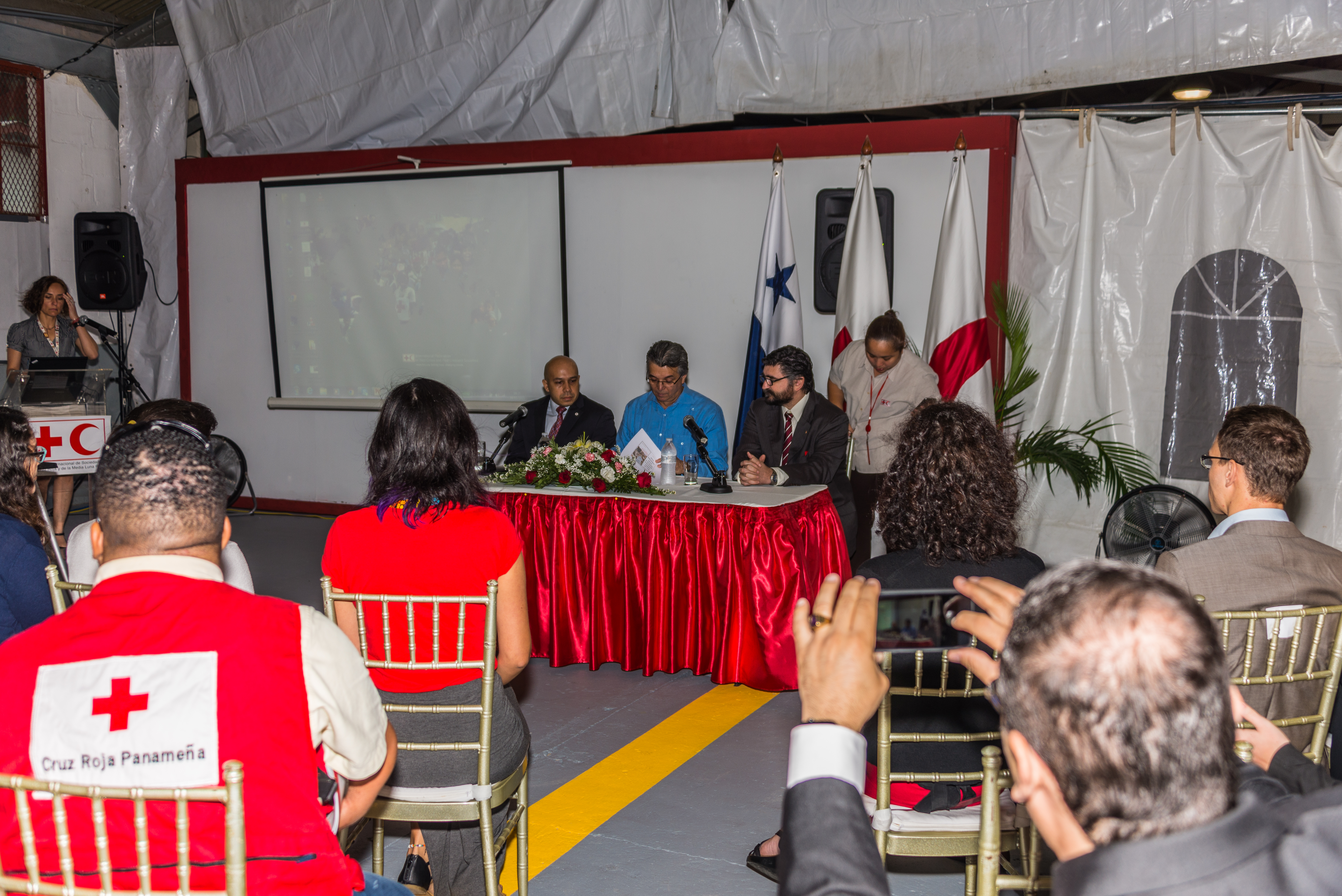
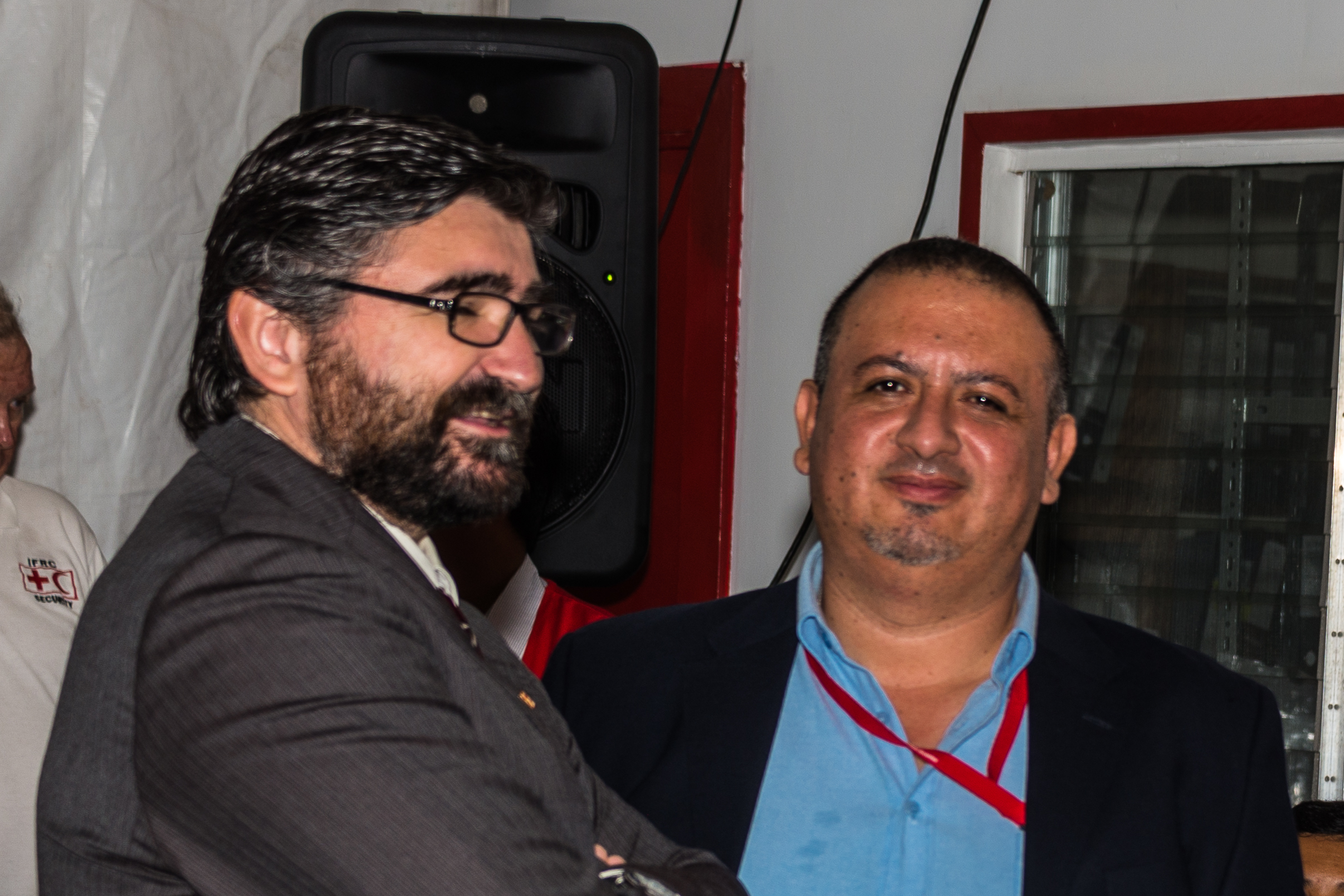
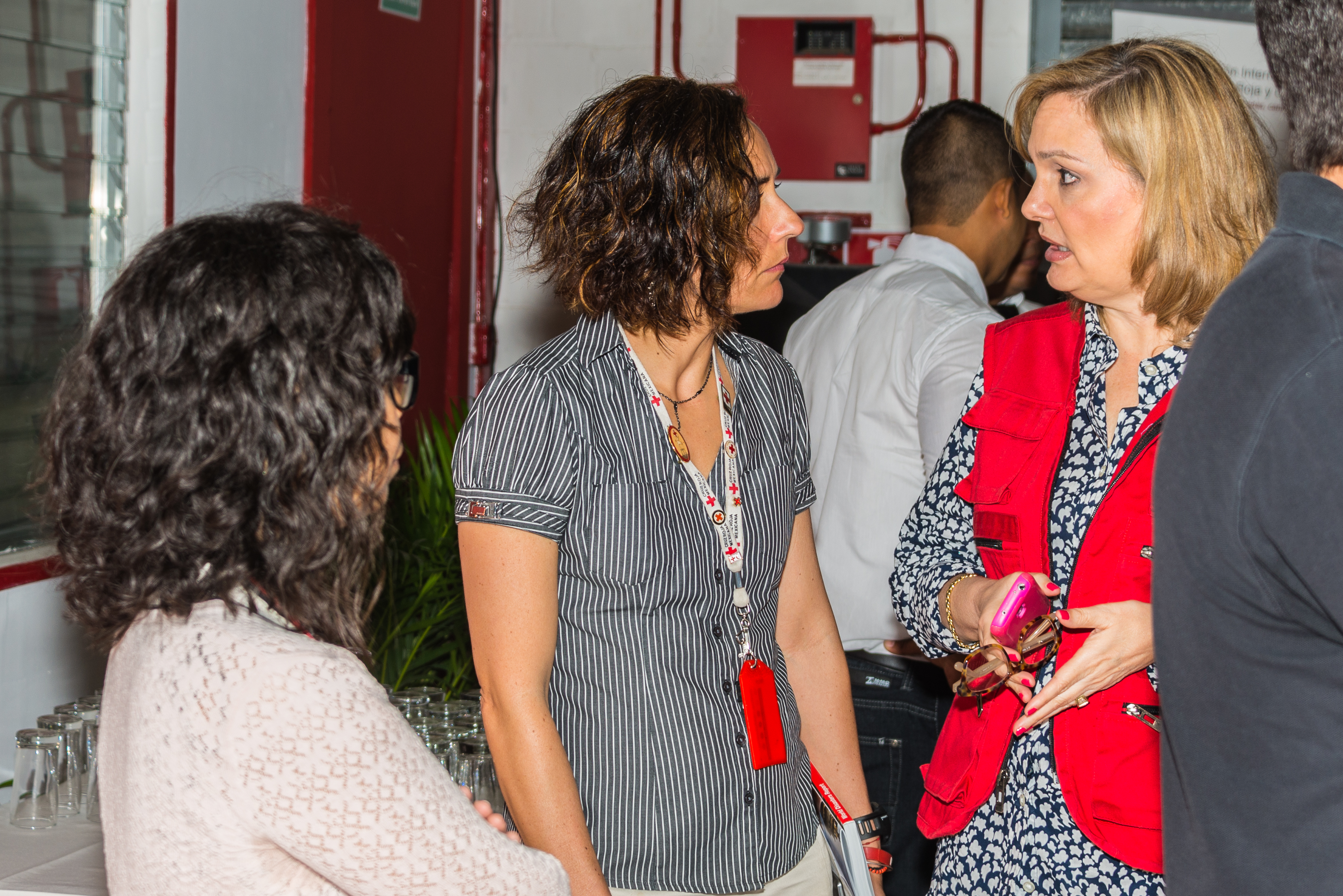
My first assignment for the IFRC was to shoot a meeting announcing the release of the World Disasters Report 2015, which is a serious 263 page report that is produced each year and covers disasters throughout the world. If you would like a look, go here. (http://www.ifrc.org/en/publications-and-reports/world-disasters-report/world-disasters-report/)  The event was held in the warehouse building and had invitees from many of the Embassies within the scope of the IFRC Americas Zone.

2015-IFRC-World Disasters Report Launch2015-IFRC-World Disasters Report Launch2015-IFRC-World Disasters Report Launch

2015-IFRC-World Disasters Report Launch2015-IFRC-World Disasters Report Launch2015-IFRC-World Disasters Report Launch

2015-IFRC-World Disasters Report Launch2015-IFRC-World Disasters Report Launch2015-IFRC-World Disasters Report Launch2015-IFRC-World Disasters Report Launch

2015-IFRC-World Disasters Report Launch2015-IFRC-World Disasters Report Launch2015-IFRC-World Disasters Report Launch2015-IFRC-World Disasters Report Launch

2015-IFRC-World Disasters Report Launch2015-IFRC-World Disasters Report Launch

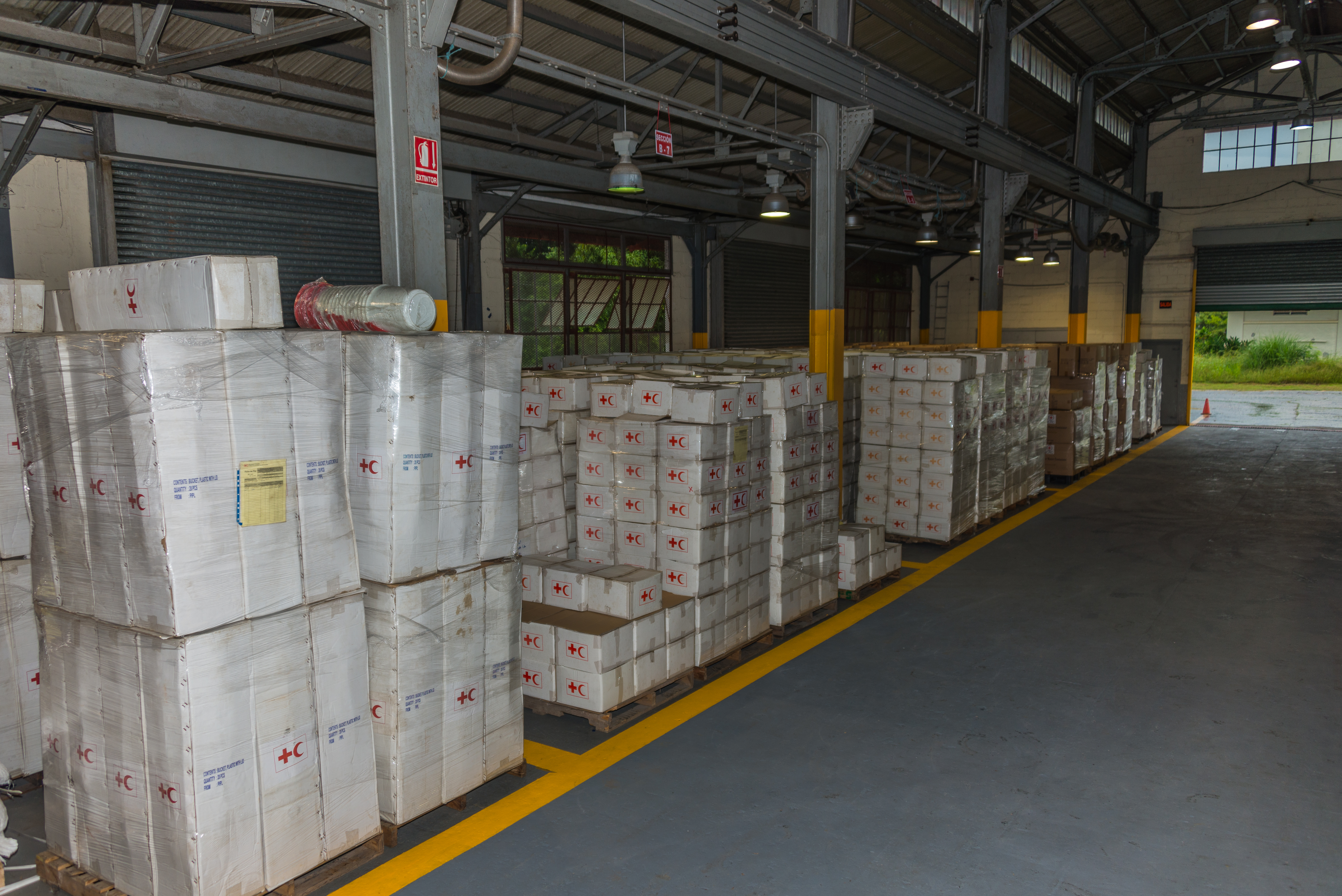
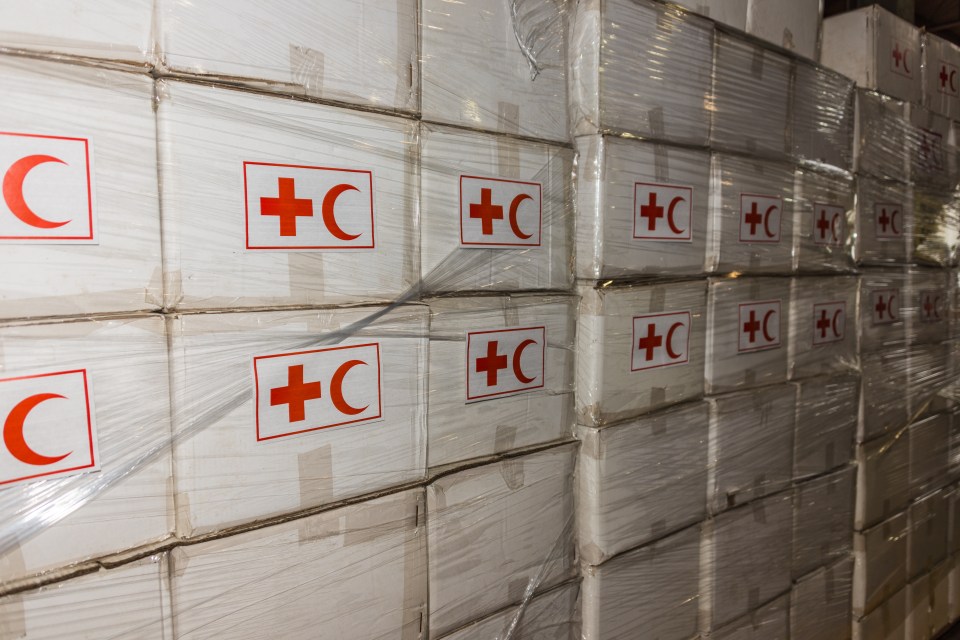
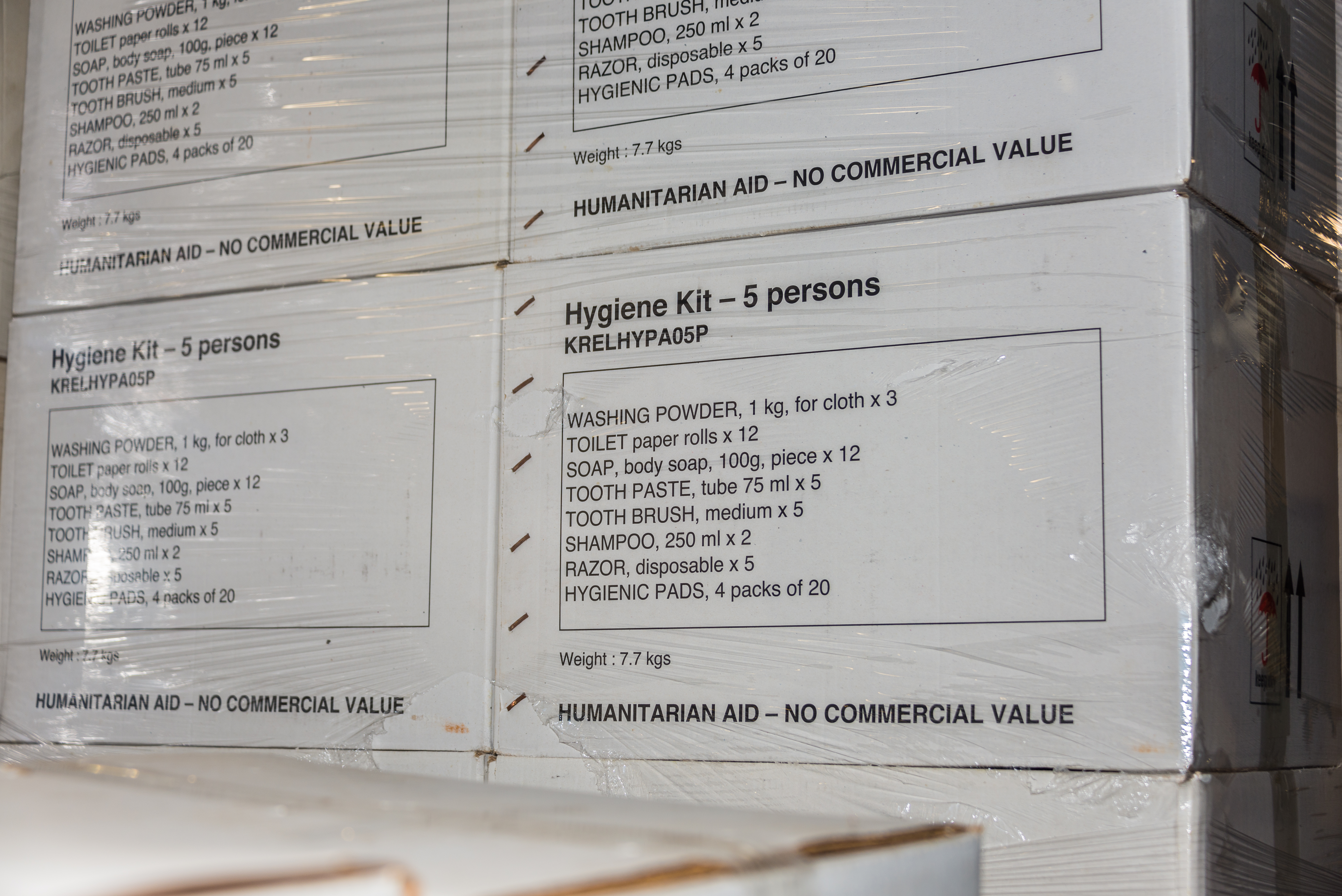
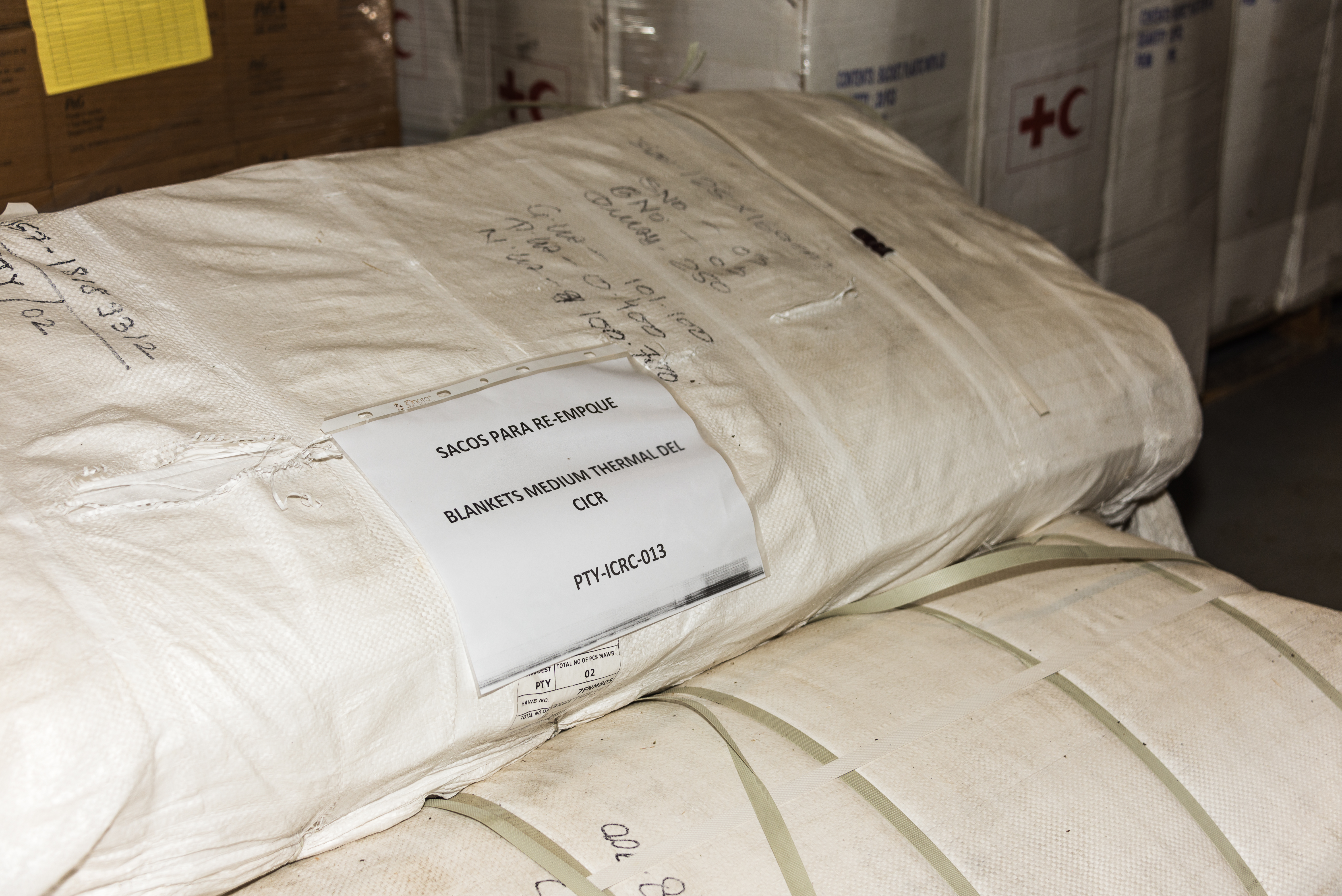
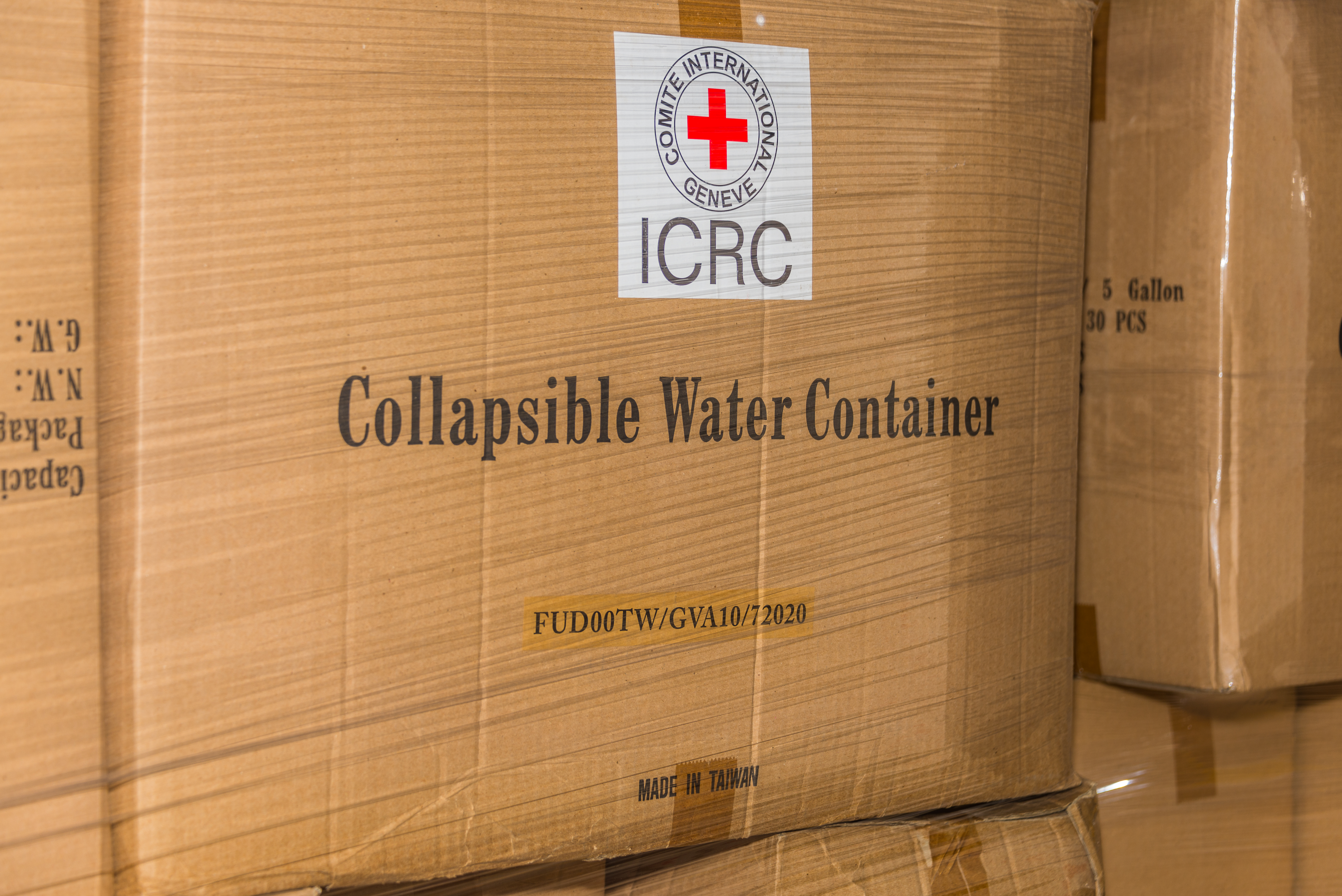
After the presentation, I took the opportunity to take my camera on a wander through the warehouse which was full of palletised non-perishable equipment and supplies that would be needed to quickly support any disaster. The warehouse is meticulously maintained. Pallets are all lined up, the floor is clean and painted, and caution areas are clearly marked with fresh yellow paint. An adjacent building, also a warehouse, had a number of very clean identical white three-ton trucks backed carefully into loading bays, all on the same angle, evenly spaced and with wheels carefully straightened. Very interesting, very neet and very cool!

2015-IFRC-World Disasters Report Launch2015-IFRC-World Disasters Report Launch


And Then It Was Time To Go Home

2014-JKH-Panama-D610-LR-2237

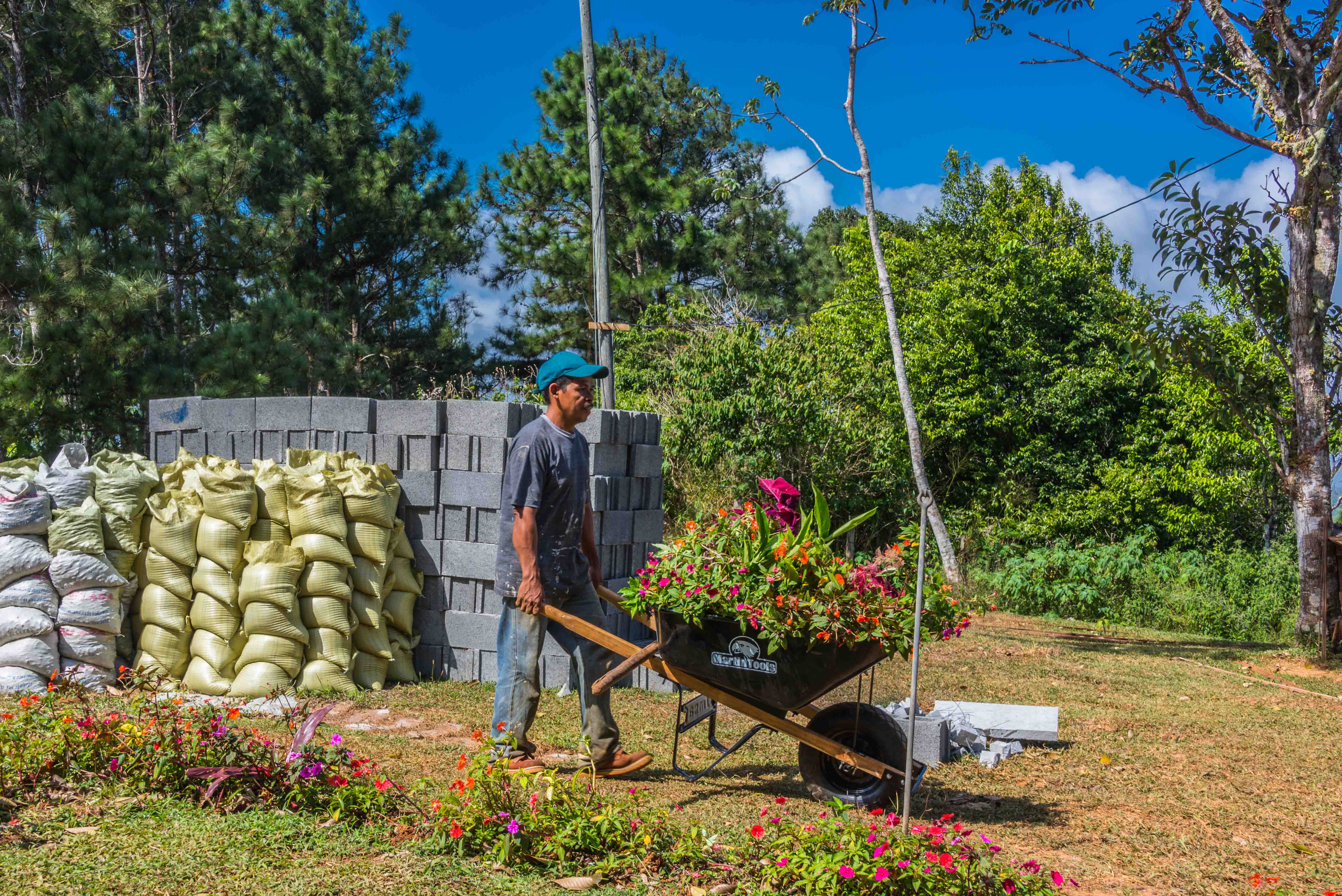
I cannot believe it is almost six months since I left Calgary. It all began last October with a visit with my cousin in San Diego on my birthday. Next, a fifteen-day Panama Canal cruise from San Diego to Ft Lauderdale with my brother. We stopped in Mexico, Guatemala, Nicaragua, and Colombia and had a long awaited Panama Canal transit to wind it up. My brother and I got our land legs back in Ft Lauderdale for a week before heading to Panama to meet up with our San Diego cousin again to show off a little bit of Panama. Andrea joined us in early November and after the family left, we moved up the mountain to Cerro Azul to begin building our house.

We bought a car, a Mango plantation, got my Pensionado visa, made some new friends and almost finished building a house. We hosted visitors, friends and family from home and shared our little knowledge of Panama with others. I completed my first paying freelance photography project and have been asked to do some freelance writing for Live and Invest Overseas. We took a side trip to Cartagena, Santa Marta and Tayrona National Park in Columbia using the unreliable Ferry Xpress service from Colon. Oh, and I took 4,221 pictures, some of which I have shared with you and wrote and posted 47 blog entries which are being followed by people from all over the world. My best day had 575 hits but it is more usually between 200 and 300 hits after posting a new entry. I am humbled by the following and would like to thank everyone for their support.

The only thing that comes to mind that I wanted to do but was unable to actually accomplish was to connect with the local Red Cross in Panama to offer them my photographic services. I tried several different ways and finally made a connection that went silent in February. I will have to try to do this one again next trip.

Last, but not leased is to update you on the house build. My first photo of the build looked like this:

2014-JKH-Panama-D610-LR-1923

As I leave for Canada, it now looks like this:

2014-JKH-Panama-D610-LR-4209

The finishing of the walls is under way this weekend and should be complete by early next week. This makes a giant improvement on the look of the house. This is the process, called plastering, where they apply a layer of cement to the walls effectively hiding all the blocks and services. If done right, the result will be as good as a layer of gyproc wallboard.
We have had some difficulty getting the proper build of the arches that will join up all the columns. A proper arch is half a circle supported by two verticals. You cannot tell where the arch ends and the columns begin. When complete, this will give the house the Spanish colonial look we wanted. We went through some iterations of what the arches looks like but now seem to be on track to build the correct shape. The arches over the windows are different to allow as much height as possible for glass.
Well, that pretty much winds it up for now. At home, I already have some photo shoots lined up for my regular clients and will need to wade through six months of mail. Oh, and then there is taxes! I want to go back to Panama.