Keith's Panamanian Travel Ramble

The wanderings of Andrea and Keith around Panama

Posts by Keith

Our House Takes Shape

Today is the last day of Construction before we head south to Cartagena, Columbia on Monday. The house is beginning to take shape as the walls ascent to the heavens. We can now begin to picture the size and shape of the rooms and discover the few shortfalls that need changing in the plumbing and electrical department. Three-meter ceilings are going to make for an impressive structure.

Our septic system is massive. Visitors to the site all offer a smart-assed comment of one kind or another about Canadians being full of s**t, if they need such a large system. Three holes, each large enough to bury a small car, will become the multi chamber septic tank. This would make a great place to hide a dead body. A slab poured in the bottom of the hole has walls growing up from there. I am curious about how this will be completed. The worker building the wall is inside the hole. How do you build the top of the tank without being inside it? Maybe this will be the dead body! I guess we will just have to wait and see.

The concrete blocks that we are using for the walls are problematic. They are breaking, causing quite a bit of waste. We were told that the plant making the blocks was scrimping on the cement part of the block so they crumbled too easily. In addition, the sizes are quite inconsistent. Some blocks are larger than others are. Some are thicker than others are. It makes for a situation where there will need to be more finishing on the walls.

Next week we will be in Cartagena with Alicia, the nurse who is visiting us for a week from Edmonton. Plans are to take the new overnight ferry from Colon and stay in the old city for a few days, then to move to the Santa Marta area, which is about a two-hour drive from Cartagena. I will give you some information about that part of the world as we return. In the meantime, does anybody want to supervise a construction site?

Mangos, Money and More!

2014-JKH-Panama-D610-LR-3090

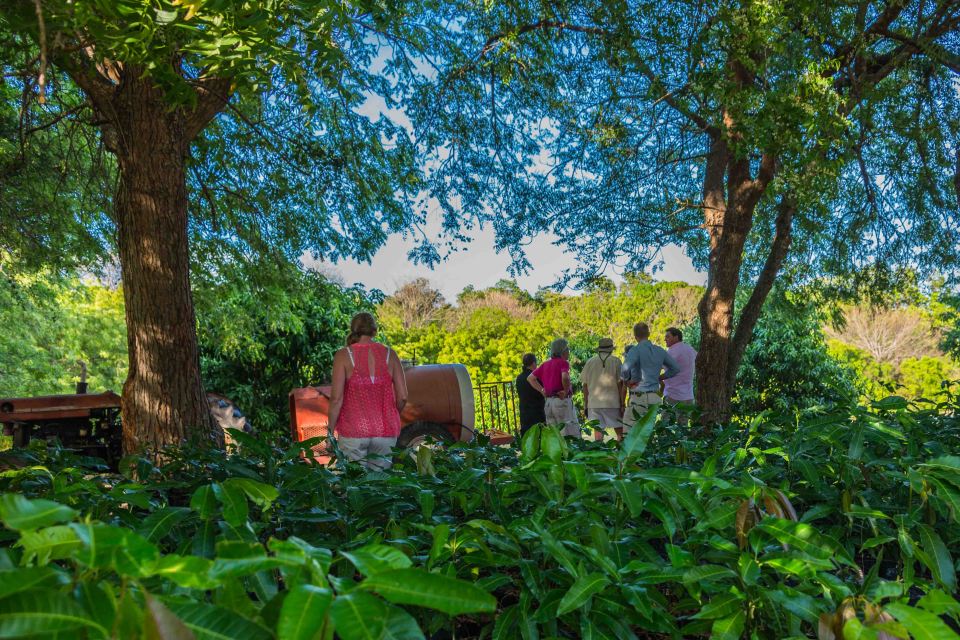
Last Tuesday, I realized I should have paid more attention to my science classes when I was in school. That realization struck me a few minutes into a presentation on Mango production that was skillfully provided by Alan, a fourth generation plantation manager; on the site of his current 525 hectare organic Mango project here in the Penonome area of Panama.

2014-JKH-Panama-D610-LR-3092

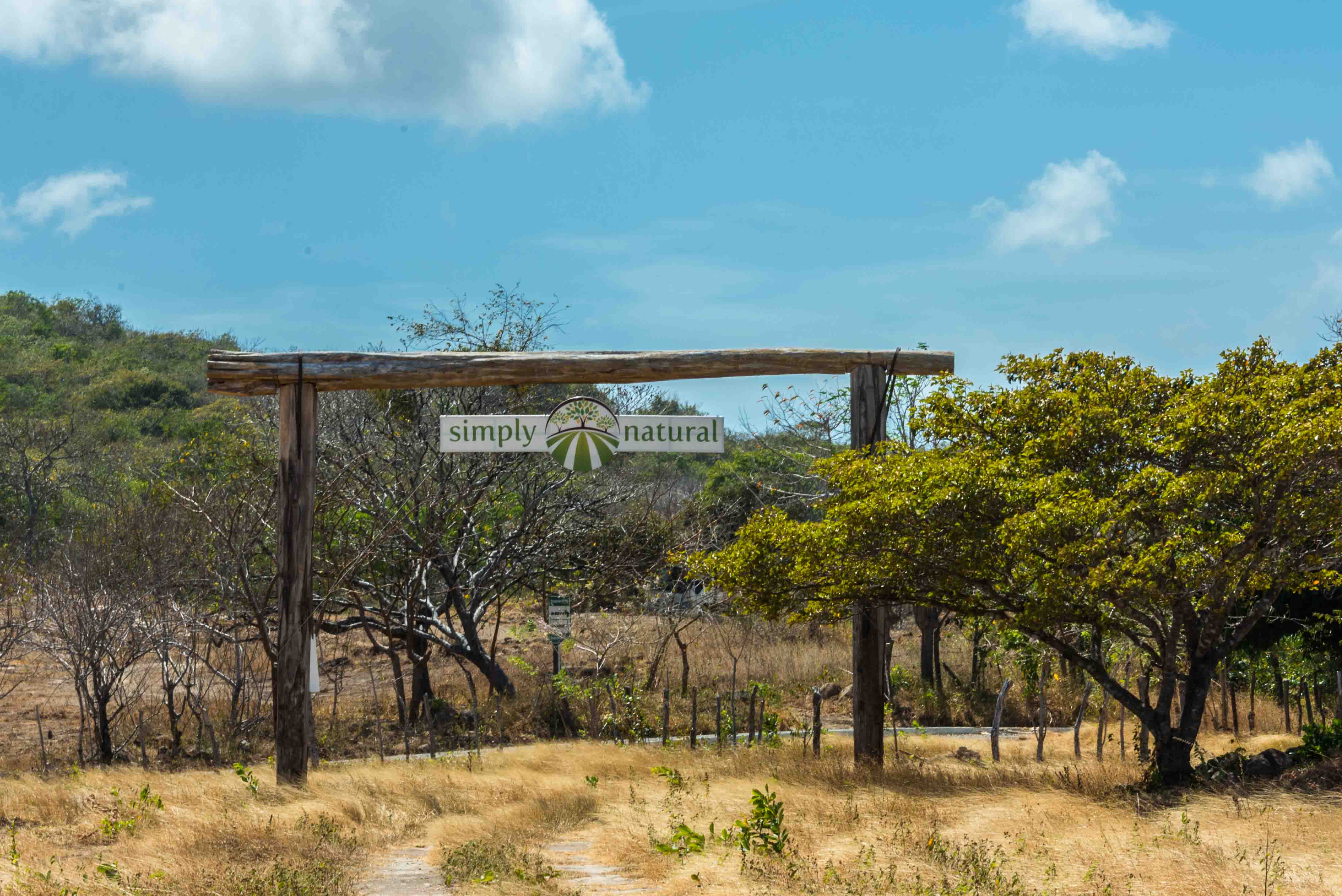
Penomome is an agricultural region around three hours’ drive, inland from Panama City. You turn off the Interamerican Highway a short distance west of Penonome and after a 15 minute drive on a well paved secondary roadway, you arrive at the plantation. “Do Not Spray” signs along the fenced perimeter of the property immediately eluded to its organic nature.

I do not know what I expected but what we found was not it. Maybe someday it will look like a luscious beautifully landscaped vineyard but presently this plantation is still under development. Rolling hills, gravel roads, and lots of dust and wind greeted our arrival. We were told that only four percent of farmable land is in production in Panama and that the government is encouraging agricultural development projects by allowing them to be tax-free.

2014-JKH-Panama-D610-LR-3055

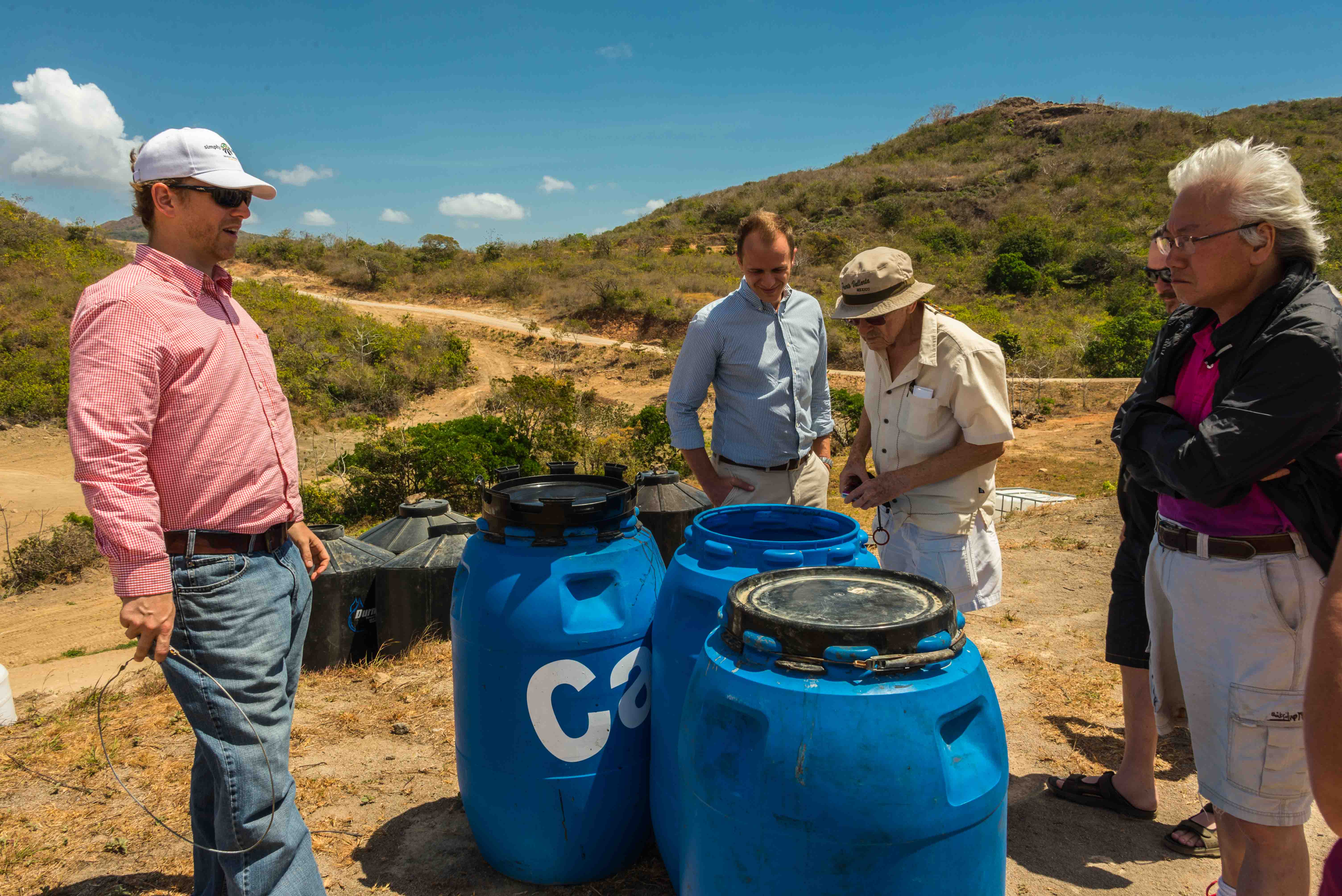
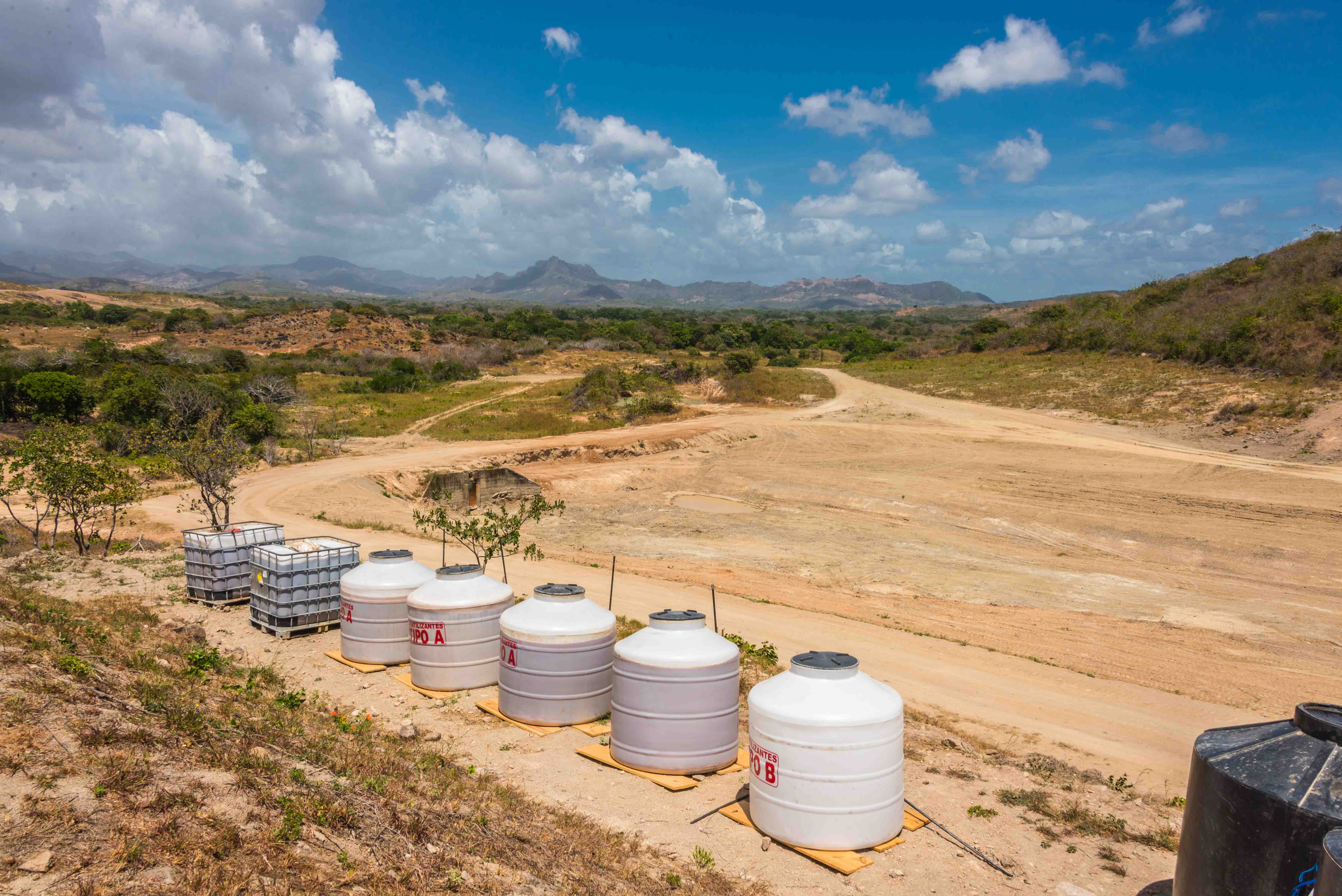
The land here is contoured to provide each tree with the best access to the natural gravity fed irrigation and fertilization systems that are presently under construction as well as to protect the Mango trees, which require well-drained soil. They use the term Permaculture to describe an agricultural management practice designed to align agricultural management with the laws of nature to increase profits and eco-sustainability. All these factors come together as a system to support the most efficient growth of the plants. Rivers and streams are modified to intercept and store large amounts of water that is received during the rainy season. During the development stage of this plantation, high tech drones were used to map the topology of the land to ensure that optimum drainage is achieved.

2014-JKH-Panama-D610-LR-30742014-JKH-Panama-D610-LR-3076

The plantation makes its own organic fertilizer and bug control from organic sources. Neem trees are companion planted around the perimeter and throughout the plantation. Neem trees, from India, provide a natural bug repellant and wind protection for the Mango trees. They develop at around the same speed as the Mangos.

Because Mango trees must be planted around 50 feet apart, there are plans to intercrop among the Mangos. Intercropping will produce profitability, beginning in year two. Appropriate products currently being researched, will result in an additional return of around two percent and a selection should be completed shortly.  The intercrops not only allow for an earlier and added commercial return but are specifically chosen to help the Mango trees reach the highest production as they help with nitrogen fixing the soil, among other things.


Mango is the second most consumed fruit on the planet. First born in India over 5,000 years ago, Mango trees have a 60 to 80 year productive lifespan. For the Simply Natural Brand, each Mango tree is grown and grafted in the organization’s own nursery. They have developed a unique Mango variety called the “Lady Victoria” which has an 85% fruit to seed and rind ratio, higher yield per tree and a stronger resistance to pests, fungus and bacteria infestation for all tropical climates. Success of the Lady Victoria has been proven over the last 20 years of research and development to be a superior product.

There are also plans to GPS tag each Mango tree so if difficulties of any kind surface in the plantation, they can be specifically located. The tagging also identifies each tree so that production during harvest can be accurately allocated from each tree to each owner.

This project is being sold to investors for US$36,500 per hectare. For your investment, you receive full and clear title of the land, ownership of all irrigation systems installed on the land, ownership of all improvements to land, and all trees and crops planted on the land. Earnings from the property are calculated and defined within a complete management agreement. With income returns from year two onward and an annual ROI from year 5 onward of 29+%, this project has our attention.

Because most of the investors are from North America, there are plans to build an investors lodge on the banks of the Rio Grande River. Here you can come and visit your Mangos while enjoying a beautiful location.

I like this project from a return standpoint. It is also comes with a fully managed hands off operating contract where the developer of the plantation continues to hold and operate around 50% of the total hectares. In addition, purchases made through an independent investment organization with a history of going to bat for their investors should anything go wrong, offers an additional level of protection.

If anyone is interested in more information about this project, please contact me by email (khowie@shaw.ca). I would also be pleased to provide you with a contact who can handle your investment and any further questions. By the way… if you are Canadian, Loblaws is currently in discussion with Simply Natural to supply the Lady Victoria Mango to their stores.

2014-JKH-Panama-D610-LR-3093

A Stroll through the Hood

Yesterday awoke as a beautiful mountain day. The clean fresh mountain breeze, along with warm tropical sunshine motivated us to get out of the house and explore a bit of our mountain community on foot.

The development in which we are living is named Los Altos De Cerro Azul, which means “The High of the Blue Mountain” (I think). This community is subdivided into a number of smaller neighbourhoods, each with its own name. We are renting in a neighbourhood called El Castillo and building in one called El Alcazar 2, which is simply one mountain ridge closer to Panama City than our rental house. Anyways, we decided to head out and have a look at some of the houses in El Castillo and a neighbouring area called El Fortin.

Houses up here vary in age, size, shape, color, and style. Each concrete structure is tucked away on its own lot that usually takes advantage of the topography of the land. Some houses are cantilevered out over the side of the mountain while others have had their property leveled before being built. All are interesting to see as the owners creativity often shows in the layout of the building. People from all over the world own property here so styles will often reflect the heritage of the owners.

Really Bad Hair Day

Really Bad Hair Day

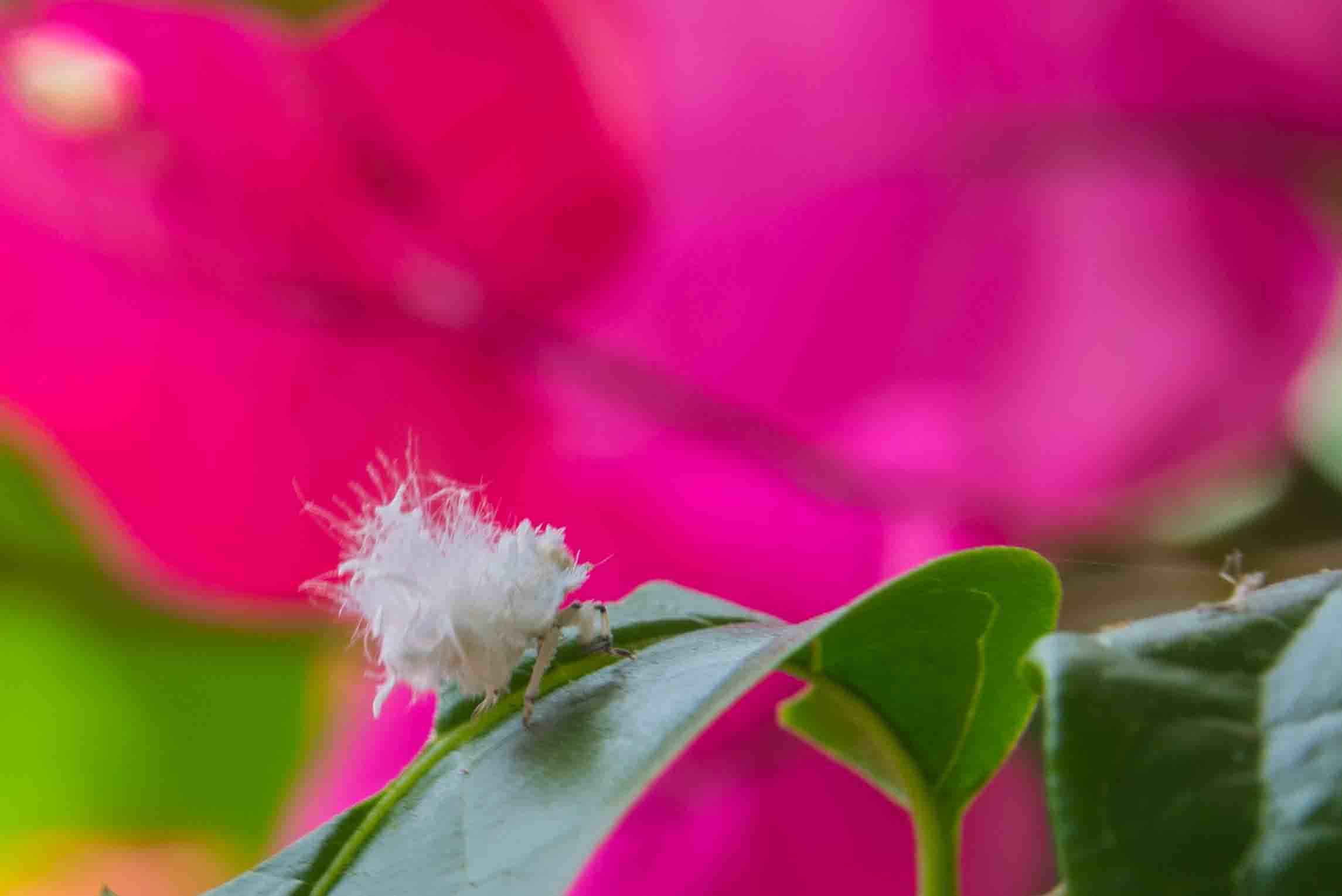
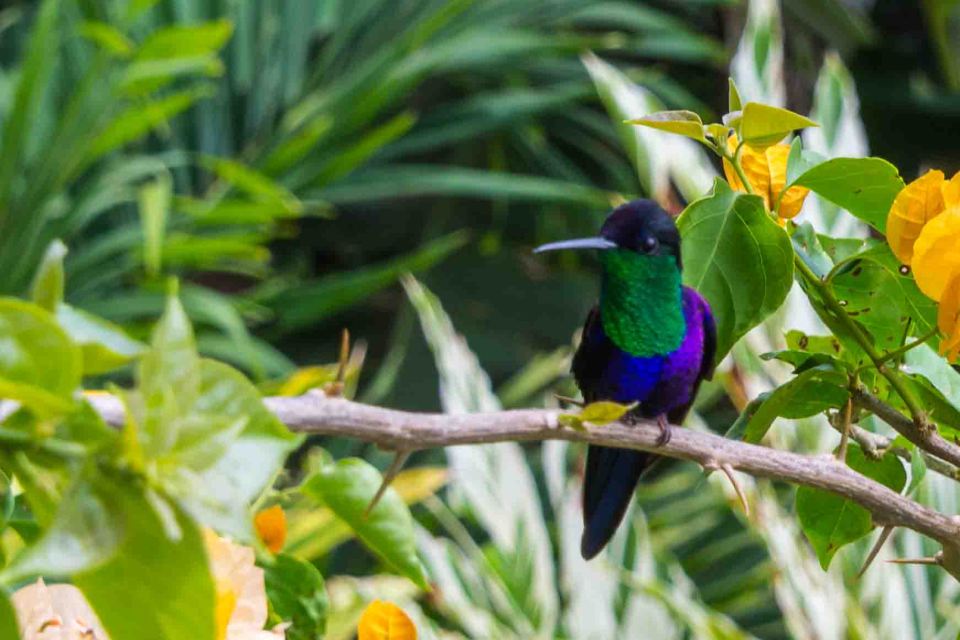
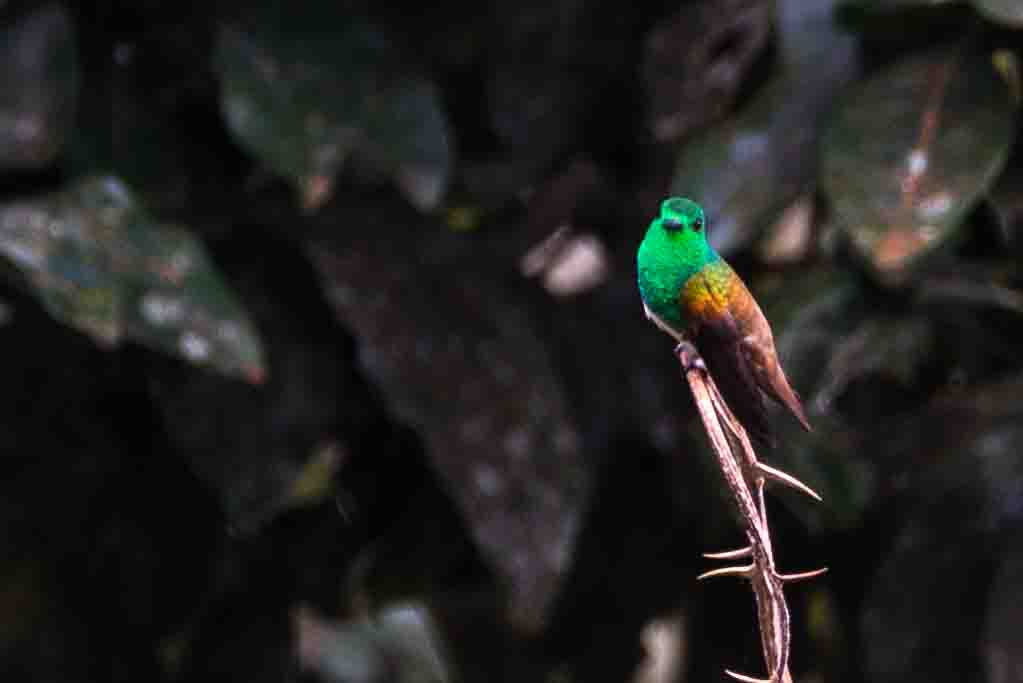
We start our exploration with a walk around the exterior of our rental house where we find an unusual little white bug on one of the plants on the deck. It turns out to be a Cochineal Bug (I am told) that has some interesting uses. See http://www.texasindians.com/coch1.htm. Anyway, I think our little bug is really having a bad hair day. The deck was also full of Hummingbirds, squabbling over one of our feeders and flies working over one of the plants.

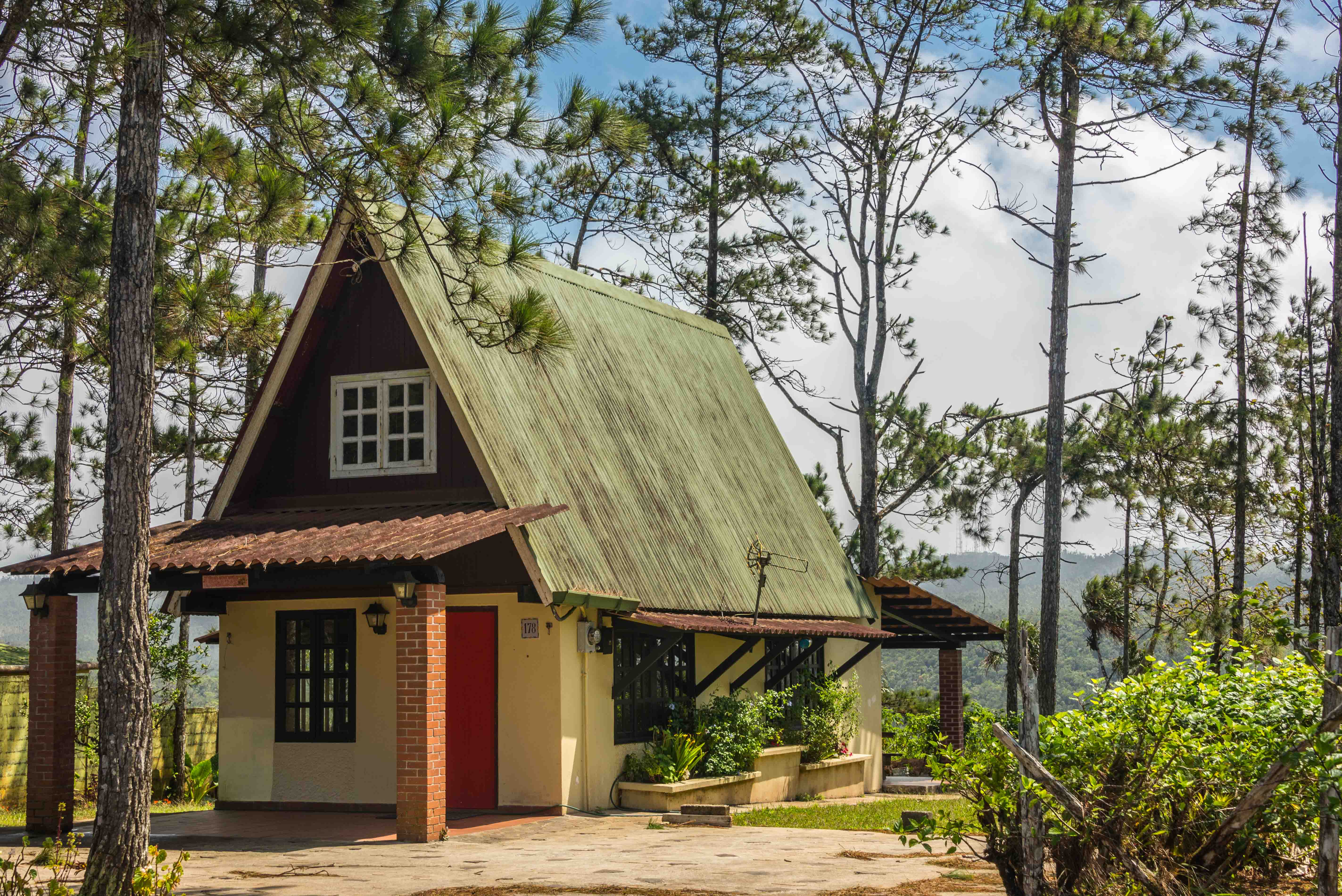
As you can see, there is quite a variety of homes. I really like the little A-frame cottage. It looks like a playhouse.

My Favorite Little Mountain Cabin

My Favorite Little Mountain Cabin

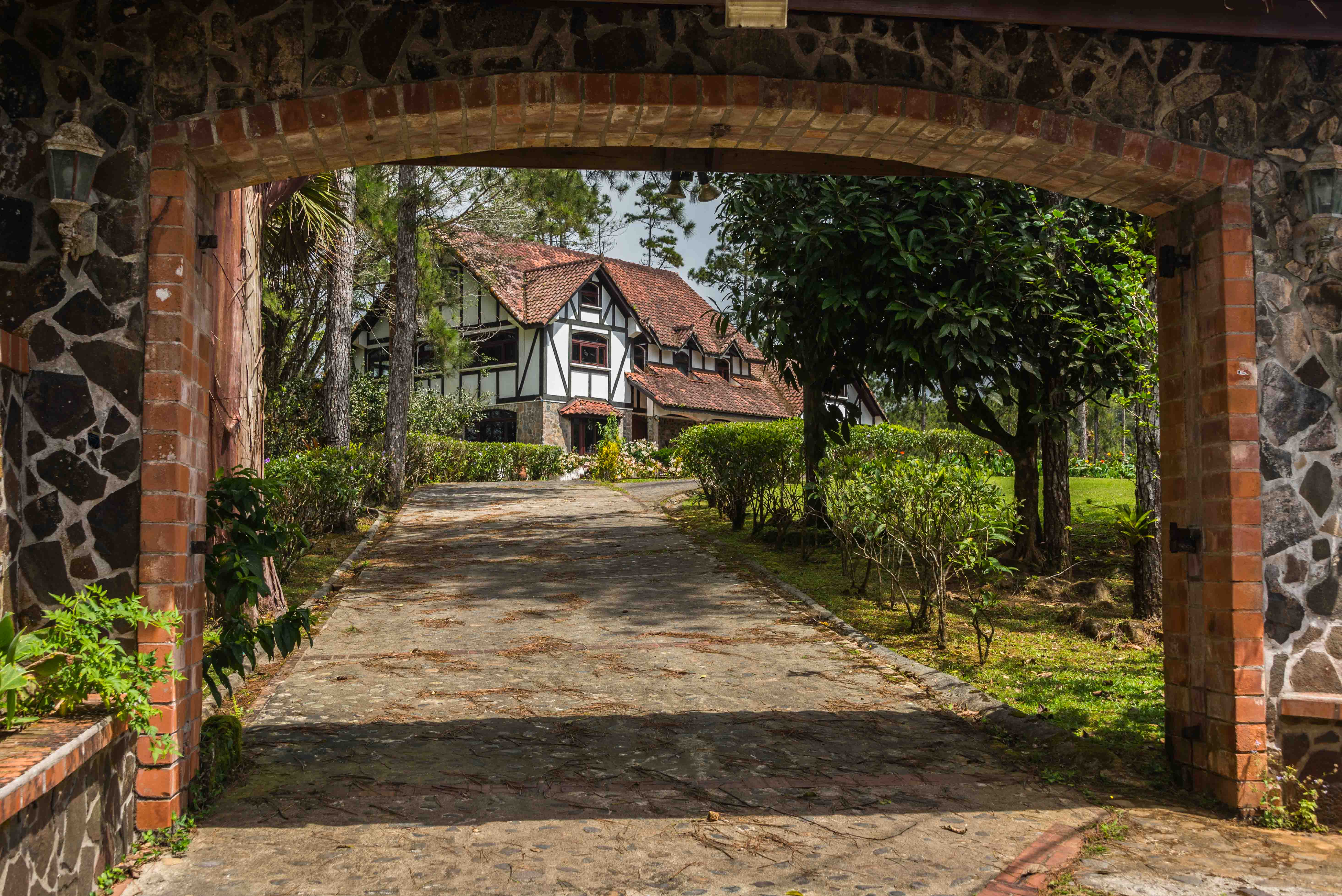
This community has been here for many years. Before the inland beach areas like Coronado started to develop in Panama, Cerro Azul was a popular place for people in Panama City to escape the heat. As such, there were some beautiful estates built here. One such place is the mountain home of the owners of the Novey chain of stores, which reminds me of Canadian Tire stores without the automotive components. On our walk, we noticed the place was empty so we took advantage of the opportunity, walked right in and had a look around.

The Novey Estate

The Novey Estate

This place is massive and beautiful. It reminds me of an English country estate. The majestic two-storey Tudor style structure with its well-maintained neatly manicured lawns, multiple decks, water feature, and ample vegetable garden says “old money” right from the main gate. It is a truly beautiful place. It really is amazing what you find in the jungle!

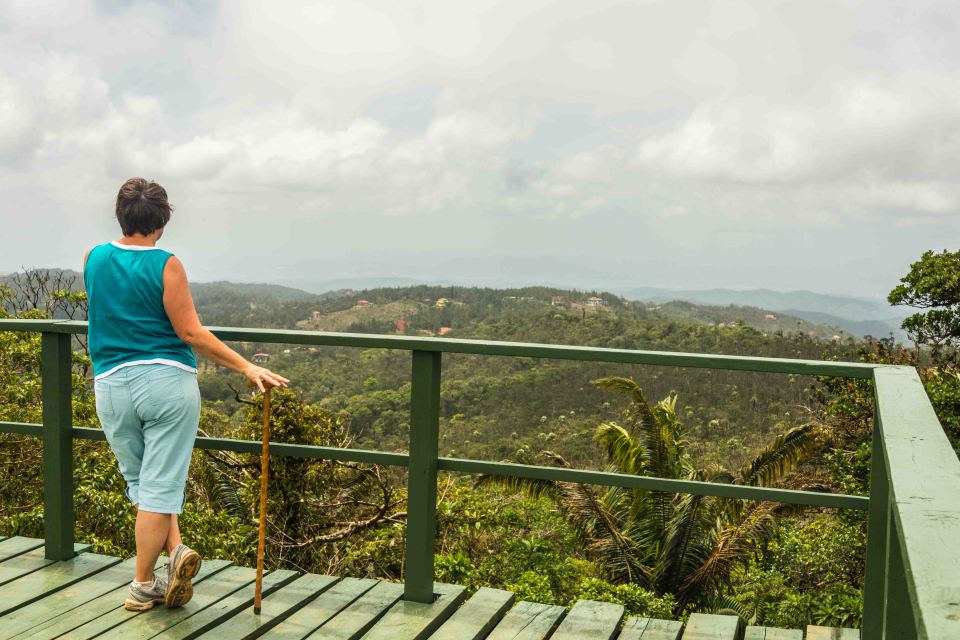
As we proceeded further down the roadway, we eventually came to a gate marking the entrance to a four by four or walking trail that we were not familiar with. We walked for another thirty or so minutes and eventually came to lookout built on the top of the hill. It looked like a weather station with a wooden deck and freshly painted fence. Impressive!

After a brief stop to take in the scenery, we headed back towards home, stopping to check out some interesting floral material, a small frog and a thieving squirrel!

Major Milestone, Major Effort, Empty Pantry

Panama is about to get out of control for about a week. If you ever want to party, this is the place to come. It is Carnival time and the whole country actively participates. For our little project, and us Carnival means a week of work lost! Next week everything shuts down until Thursday but it is common in the construction industry for workers to get the whole week off.

2014-JKH-Panama-D610-LR-2878

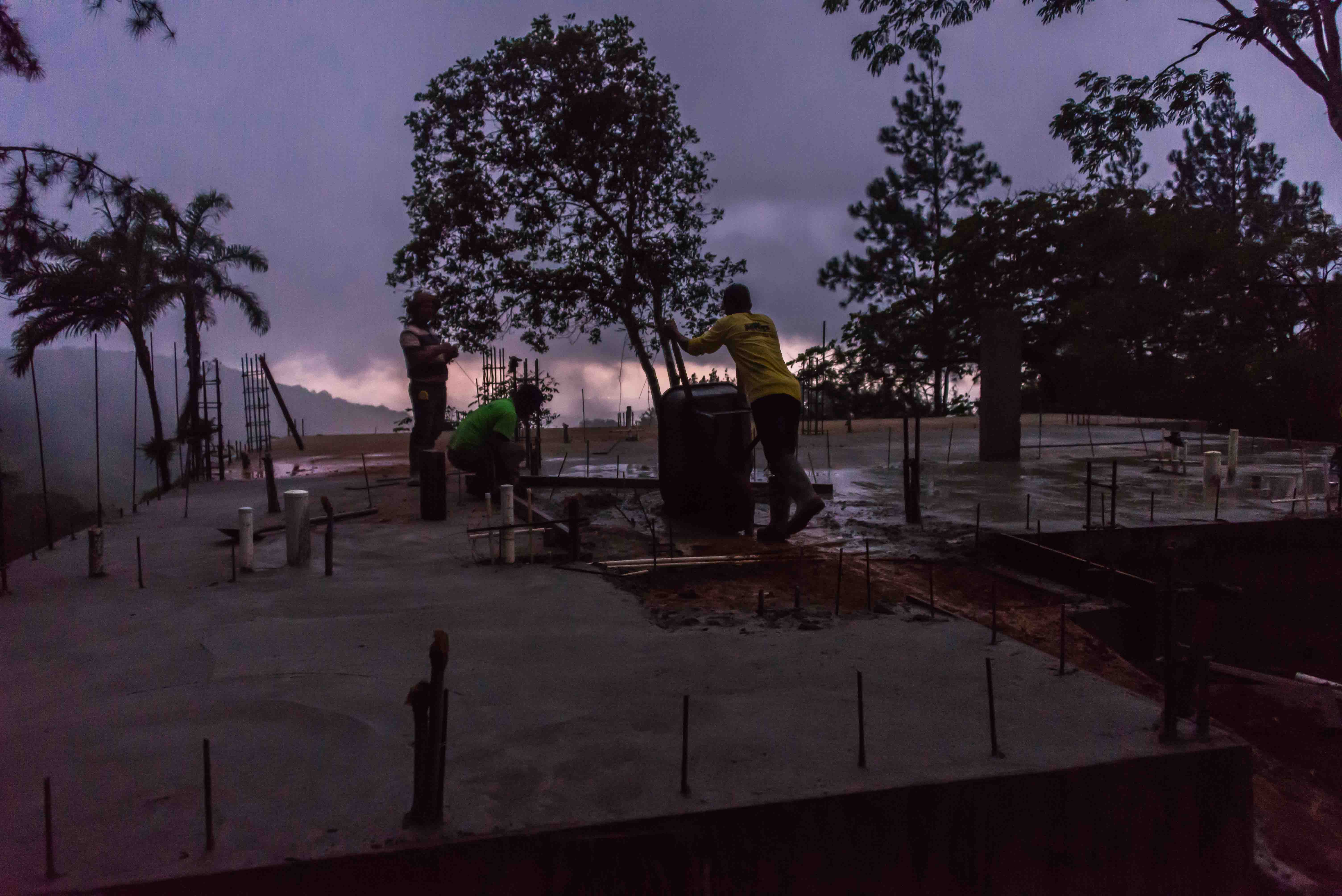
Our plans had included completing the main floor slab by the start of Carnival, which would give us a week for the concrete to cure before work resumed on it. A week ago, it looked like that would never happen. Caterina, our builder, had a talk with the workers and made a deal with them that if they worked the extra time to complete the slab before leaving for Carnival, they could have the Thursday and Friday off, otherwise they would have to return to the job on Thursday. She said she gave them “homework” and they rose to the challenge immediately. We found them working at sunset on more than one day. Lester, one of the workers gestured with his index finger circling his watch communicating that they were working around the clock.

Work time in Panama for construction normally runs from seven to three and seven to noon on Saturday. Our crew lives on the property and so do not have to worry about travel time. They work an extra hour each day and get all day Saturday off. They also work an extra hour per day for food that we provide them.

Weather the last couple of days up here has been miserable! It is as if the rainy season is back. The wind is up, the sun is gone, fog and mist hides views of the next ridge on the mountain and all of this is interspersed with heavy bouts of torrential rain. It is great for the plants and flowers, which were starting to dry out as is common in the dry season, and the ducks seem to like it. It does make outside construction extremely uncomfortable, though.
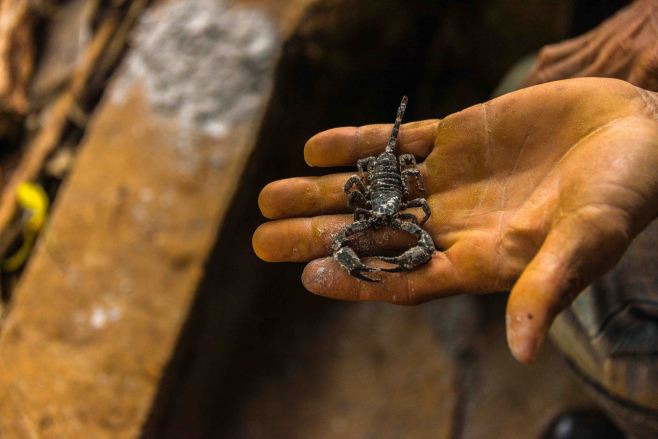
2014-JKH-Panama-D610-LR-2908

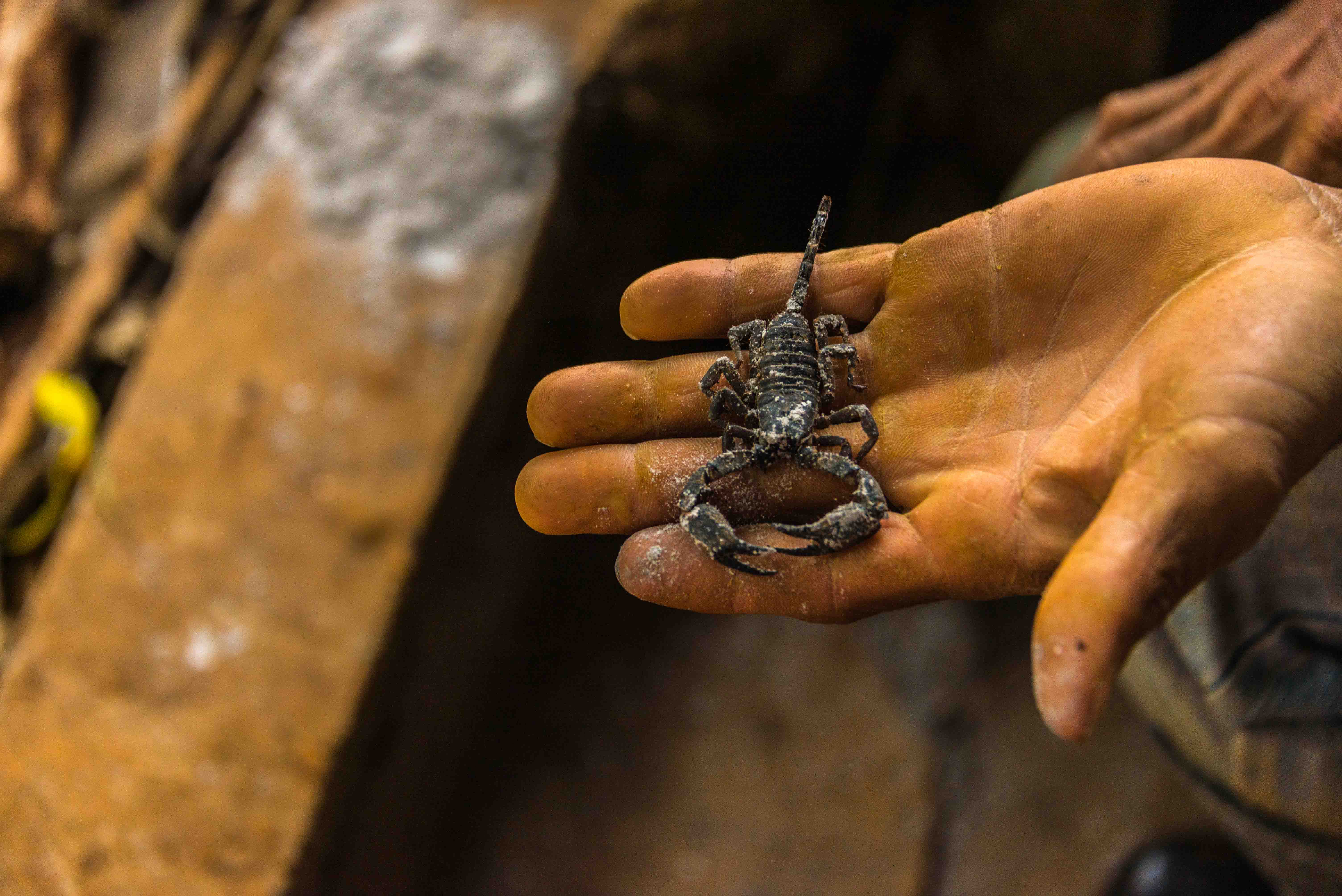
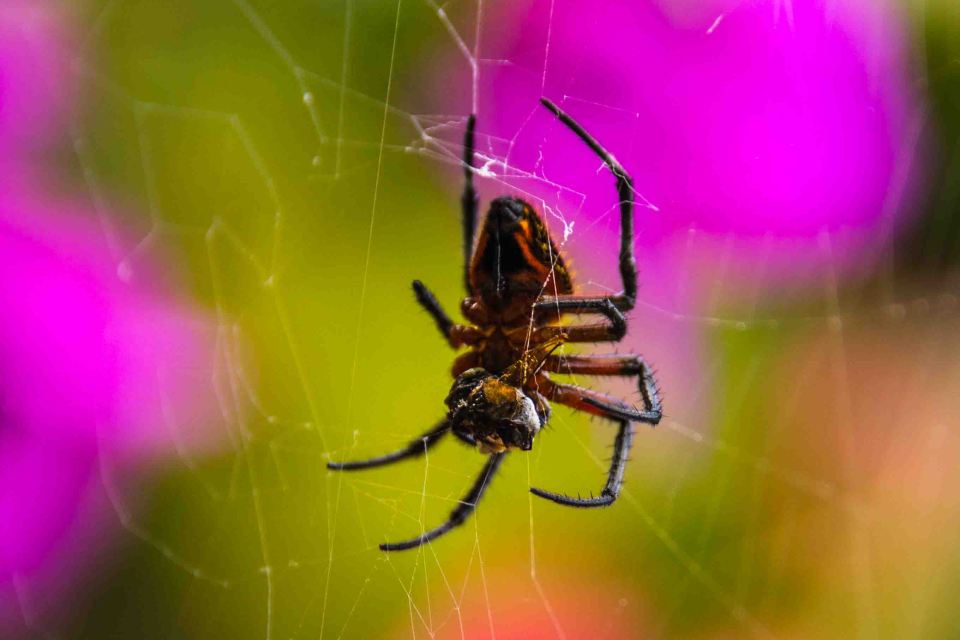
Today, the critter count increased by one small Scorpion. This makes a total of two Scorpions and one Coral Snake that have been located and destroyed by the workers.
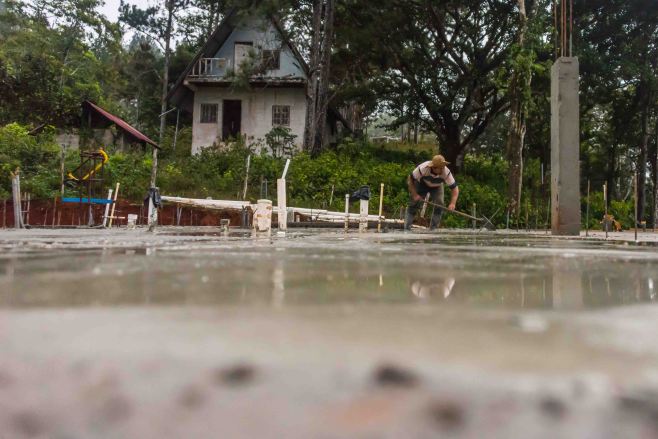
2014-JKH-Panama-D610-LR-2925

Looks like a curling shot


The main floor deck across the front of the house was completed a few days ago but the rest of the floor on the main level remained outstanding. Cement cannot be poured until the electrical contractor and the plumbing contractor visit the site to run water, sewer, and electrical conduit on the ground, which will be poured into the floor. Our builders have worked a few hours a day extra to get ready for the main floor slab pour. Sunset here runs about 6:30PM and it gets dark quickly after that.

The status yesterday morning was that all the foundation walls were up and the interior was back filled with earth and compacted. The electrician had come and gone and the plumber was due to complete the balance of his work. A quick check of the site revealed that the electrical had not been run in the master suite and the plumber had not arrived by ten AM. They were ready to mix and pour the cement but could not until the other trades had completed their work. You could tell the team was getting anxious.

The job superintendent decided to complete the electrical conduit in the master bedroom and so the concrete mixing, delivery and pouring began in an area away from the missing plumbing work. The plumber eventually arrived and completed his work by around four PM. The concrete work continued.

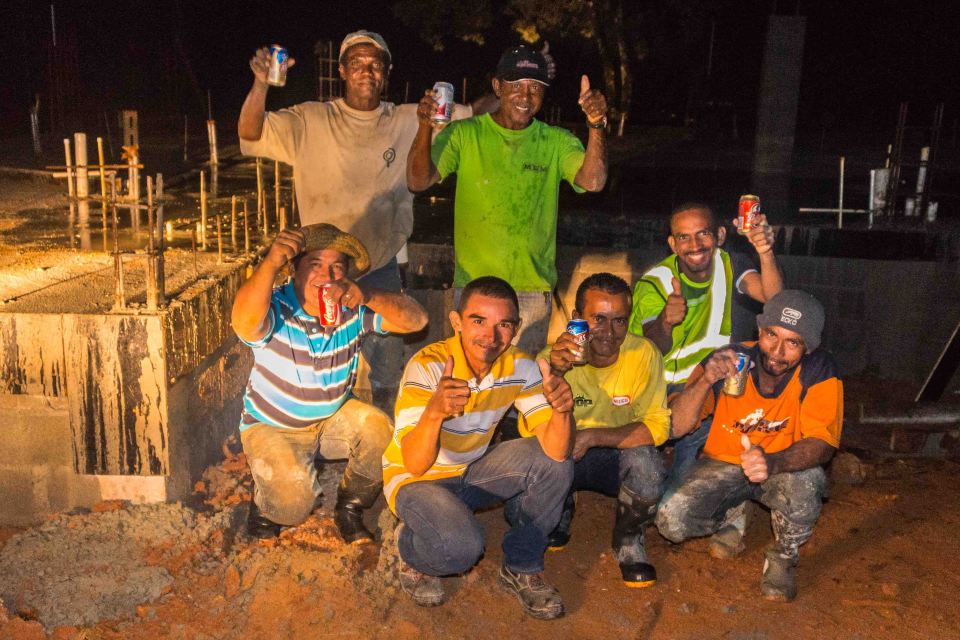
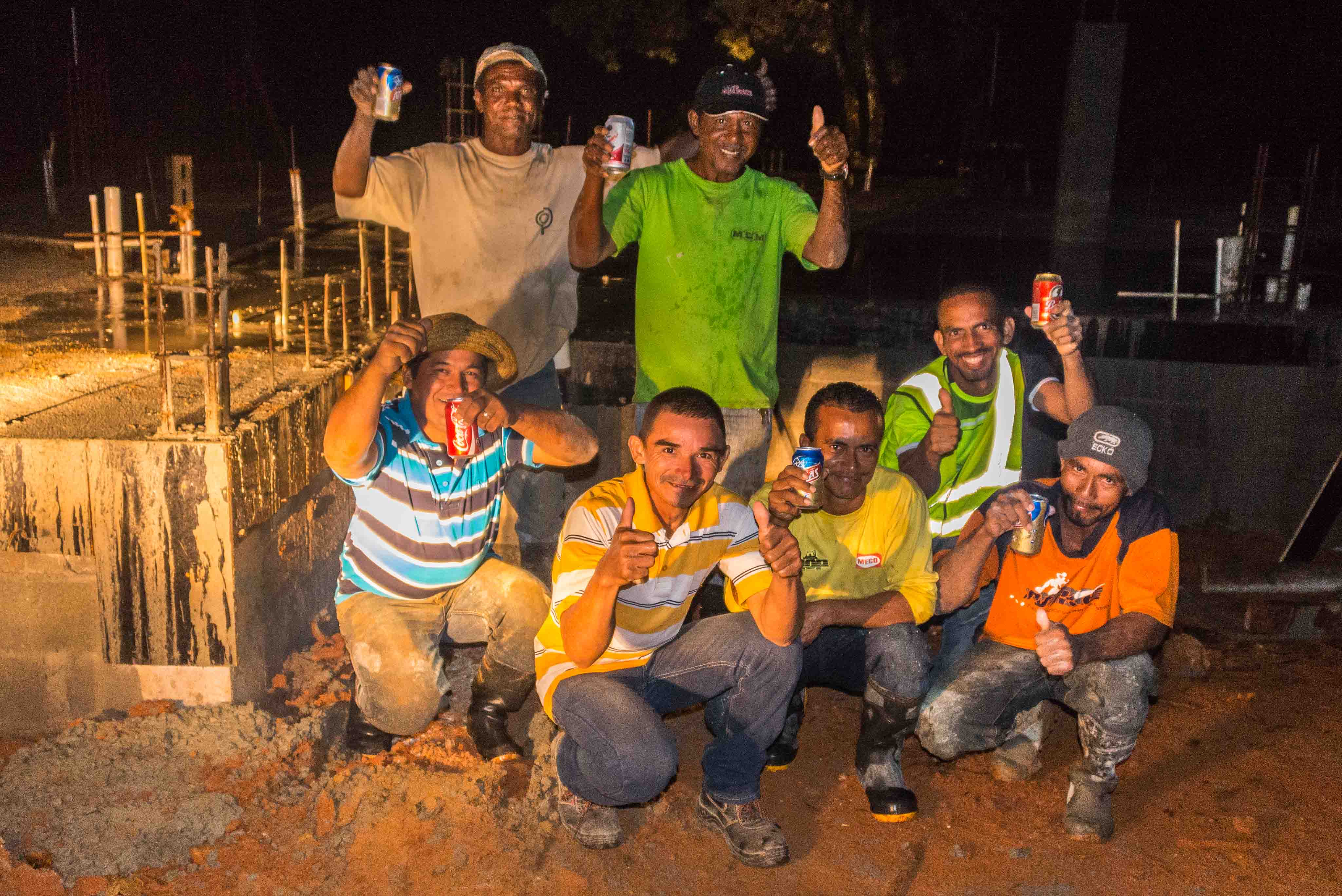
It is customary to have a celebration to mark the completion of the main floor slab so we had planned a late lunch, some junk food, and a cooler full of beer and pop. We had asked what the workers wanted for food and we had arranged with a local restaurant to prepare the food, which we picked up around noon. We were ready to go about two in the afternoon but the concrete work continued in the wind and rain. The word “frio”, which means “cold”, was used often but the work continued.2014-JKH-Panama-D610-LR-2926
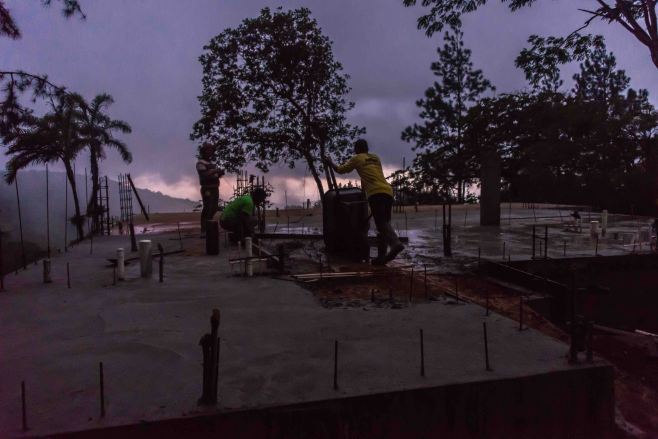
Sunset came and went but the work continued. Cars had to be moved into place to light the concrete mixing area and the corner of the slab where they were working. Eventually, the work completed at around seven-thirty, in the dark and in the rain.

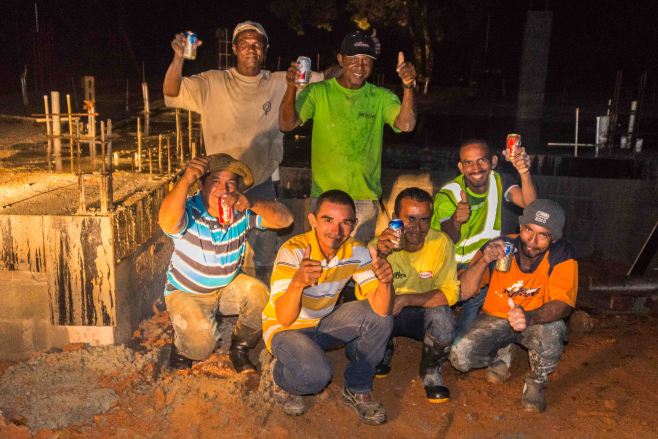
Everyone adjourned to the “deposito”, the room where tools and cement is stored, for our little slab party of food and drinks. Everything was consumed, food, cake, junk food, and a cooler full of beverages. Now, we were warned that there would be nothing left after the party and true to form, what they did not eat or drink; they asked if they could take home to their families. The pantry was empty. Of course we said yes!
2014-JKH-Panama-D610-LR-2940

Panamanian workers have a bit of a reputation for being clock-watchers and lazy. Our experience has been just the opposite. Our workers start early, finish late and are always willing to go the extra mile. We give lots of credit to our builder, Caterina and the job supervisor, Dario for their motivational skills and working effectively with this group of guys. Great job!
Construction Progress Update

Progress on our new house here continues. Due to the high US dollar, we made a decision to revise the floor plan and remove the second floor. We now will end up with a single level bungalow with a large closed in storage area that can become a future suite, if desired, below the main level deck on the front of the house. The living room and kitchen remain facing our view of Panama City and we juggled the bedrooms to all fit into the main floor. We think it will be a good solution.

Major changes in floor plans during the build are common here, we have been told. The secret is to make the changes without impacting the construction that has already been completed, which we were able to do.

The construction progresses and it often seems like a long time between significant events. We have averted a couple of small problems by being there each day but overall, the work continues smoothly. We have moved back to the first house we were in so are really enjoying the views and sunshine. At our rental house we have had a visit by a rather large stick bug who hung out for the evening but moved on during the night. We get continuously beautiful sunsets here. Here is one that I call “Last Call” because the hummingbirds are busy at the feeders just at sunset. There are many orange trees growing up here and we have found the fruit deliciously sweet and juicy. There are also mandarin orange trees that are now bearing fruit. They are much better than the ones you get in the store at Christmas time. We have two mature mandarin trees on our lot but the workers have taken a liking to the fruit and keeping the tree stripped. We went to a neighbour’s house the other day and managed to get a few mandarins for ourselves. Very nice!

2014-JKH-Panama-D610-LR-2788


2014-JKH-Panama-D610-LR-2759

Last Call


Carnival, a weeklong party that encompasses the country here, starts this weekend and goes through next week.  Our workers are off all week to celebrate. Our builder has told them that if they get the whole of the main floor slab poured before Carnival, they can have all week off but if not, they must return to work on Thursday. This is motivation for them as they have stepped up the work hours to make sure they meet the deadline. In addition, there is normally a party for the workers once they have the main floor slab completed and they are working toward this goal as a great kickoff to a week of partying at Carnival.

The first thing to do is to pour the main floor deck. This will be done in two parts because the deck is unsupported below so there must be supports erected to hold the concrete up while it cures. Once the support system is in place, plywood with a black finish on it (special for concrete work) is placed on top of the supports to complete the forms for the deck. While the supports are being rigged, the balance of the foundation is laid. The foundation for the house is then brought up to the main floor level using concrete blocks.

The assembly line for making the concrete involves up to seven workers mixing the concrete on the ground. Once it is mixed, three wheelbarrows are loaded and shuttle to the slab, dump their load and return for the next load. With this kind of production line, concrete can be made all day.

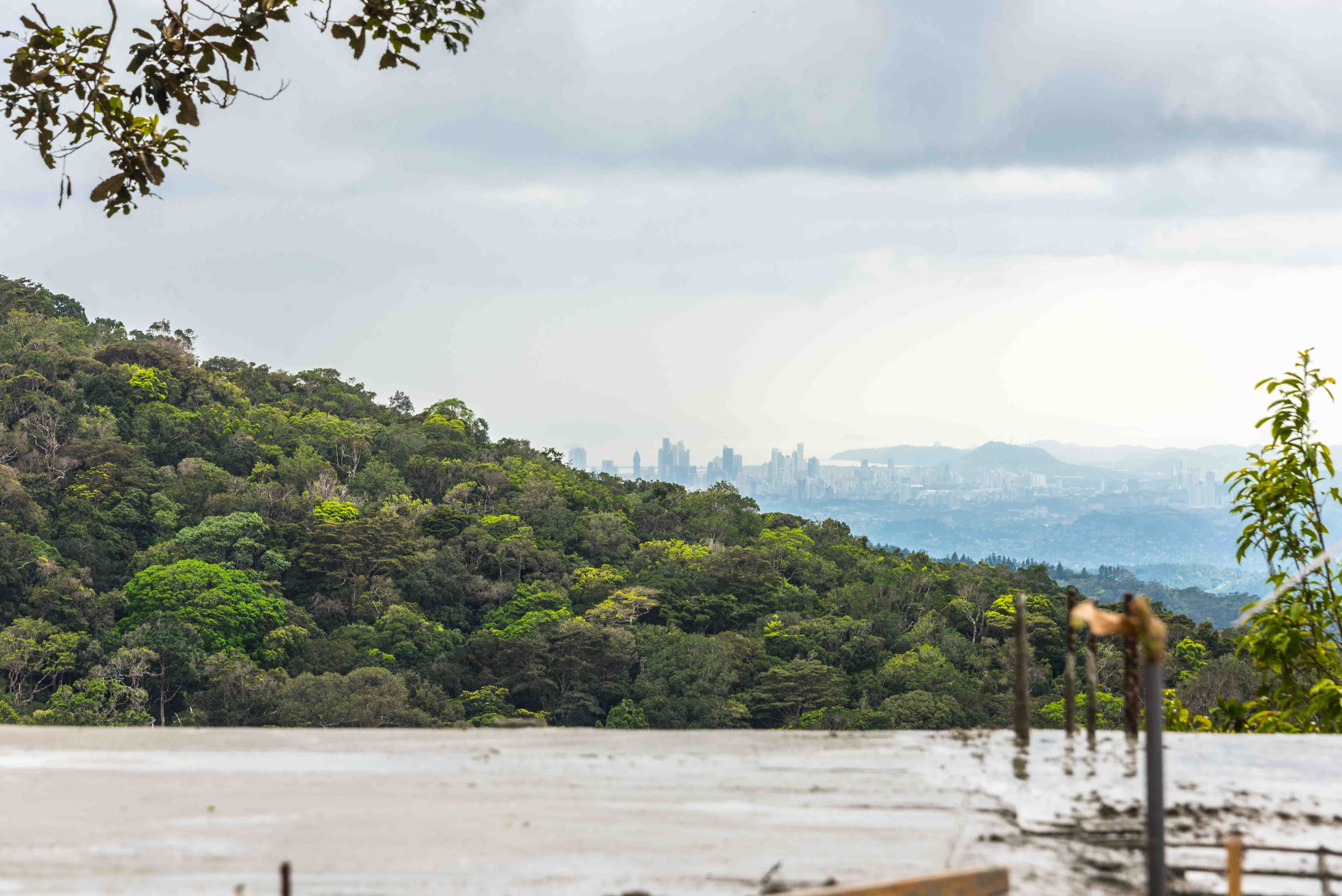
Completion of the deck slab is great progress.  Here is a little preview of our distant view of Panama City even though it is a bit hazy.

2014-JKH-Panama-D610-LR-2893


Pensionado Status and a New Car

Today, I received my Panamanian Pensionado identification. Let the discounts begin!!! It was always one of my goals to get Pensionado status, here in Panama during this trip. I was surprised how simple and quick it was to achieve, with the right help. We found a good lawyer who made the process quick, simple and painless.

Temporary Pensionado ID card, valid for one year, with a terrible picture.

Temporary Pensionado ID card, valid for one year, with a terrible picture.

Pensionado status here gives you the following discounts:

  • One time Duty tax exemption for household goods up to a total of $10,000.
  • Duty exemption for importing a new car every two years.
  • 50% off entertainment anywhere in the country (movies, concerts, sports)
  • 30% off bus, boat, and train fares
  • 25% off airline tickets
  • 50% off hotel stays from Monday through Thursday
  • 30% off hotel stays from Friday through Sunday
  • 25% off at restaurants
  • 15% off at fast-food restaurants
  • 15% off hospital bills (if no insurance applies)
  • 10% off prescription medicines
  • 20% off medical consultations
  • 15% off dental and eye exams
  • 20% off professional and technical services
  • 50% reduction in closing costs for home loans
  • 25% discounts on utility bills
  • 15% off loans made in your name
  • 1% less on home mortgages for homes used for personal residence

We are planning a little side trip to Cartagena in Columbia next month. A new overnight ferry runs from Colon to Cartagena two days per week so we thought we would try it out. We will be travelling with our niece so we booked a cabin on the ferry for the trips both ways. This was my first opportunity to use my Pensionado discount, so I presented my card and found that the fare dropped by about $100.00. Very nice! We went to the Hard Rock for lunch to celebrate but I forgot to present my card when the bill came so we did not get the restaurant discount. Oh well!

We discovered that Canadians entering Columbia are subject to a tax of $80.00 per head in retaliation for visa penalties imposed by Canada on Colombians visiting Canada. Thanks Mr. Harper! I think I should be able to use this as a tax deduction on my next income tax return.


On another front, we have been looking for a used vehicle to buy here. The cost of rental cars is extreme and the quality of those cars leaves much to be desired. I wrote a post on this blog explaining the difficulties we have had with maintenance. See it at https://jkeithhowie.com/2015/02/01/six-tips-for-renting-a-car-in-panama/

We have been following a couple of local websites where used cars are posted for sale but typically find anything of interest to be high mileage and older than we wanted to buy. Toyota has a big presence here and everyone we talked to has advised us that parts and repairs are easy to get for Toyota, while many other brands are difficult. We went to a used Toyota car lot and looked at a couple of vehicles. For our budget, they showed us a 2004 Toyota Prada, which is “The Car” here if you are into status symbols. It is a full-sized SUV and comes in both gas and diesel models. A new one will run you up to $80K. The 2004 that they showed us had about 150,000 kilometers and they wanted way too much money for a vehicle of that vintage. They also showed us a 2012 Toyota Rav4 AWD but it had almost 70,000 Kilometers on it and they wanted almost $18,000. Too many kilometers!


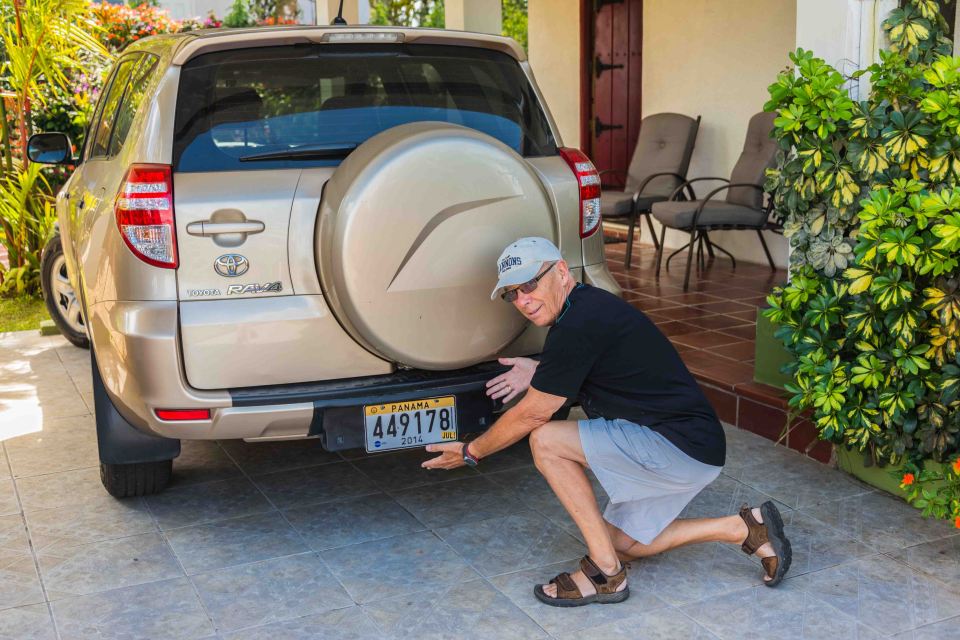
Eventually, we found an entry on one of the websites for a 2011 Toyota Rav4, 4 by 2, with 44,000 Kilometers at a decent price. We called and found that the owner could speak more English than he thought he could and after looking at the car, agreed to buy it. He was very helpful and even went to the Municipal Office and did the transfer into our name for us.

Obtaining insurance was not as difficult as we thought it would be. We were recommended to Kevin Bradley, an insurance broker, who spoke English. We were quoted insurance for a year at less than $400. It included coverage for both Panama and Costa Rica, road side assistance, ambulance, comprehensive, collision, liability, replacement rental car, loss of contents due to theft, towing, legal assistance at the accident scene and afterward. Oh, and the deductible is reduced by 50% if the driver is female or the accident is not your fault.  Everyone we talked to at Kevin Bradley’s office closed the phone or email conversations with the phrase “standing by to serve you”.  Cool!

So now we are finally mobile in our own vehicle.

Portobello, a Must See!

2014-JKH-Panama-D610-LR-2726

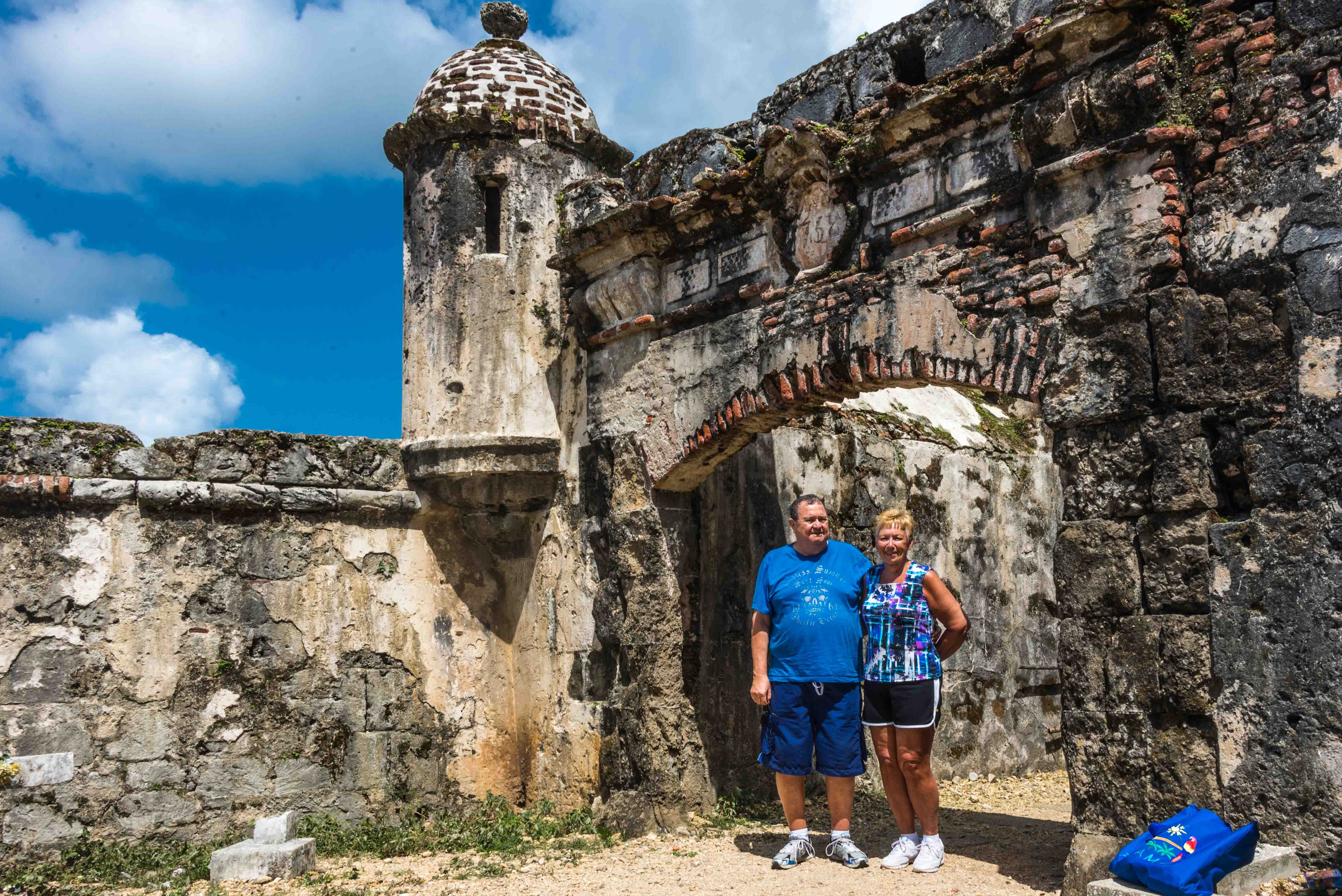
Just before our friends left to return to Canada, we decided to take a day trip and show them Portobello. This is one of my favorite places in Panama and I have written about it before, both in this blog and for International Living Magazine.

https://jkeithhowie.com/2012/02/17/the-beauty-of-the-caribbean-side/

https://jkeithhowie.com/2012/02/20/pizza-in-the-portobelo-national-park/

http://internationalliving.com/2012/07/the-pirates-of-panamas-beautiful-port/

The new toll road, off Corridor North, makes the trip to the Caribbean side quick and easy. You turn off the highway just before Colon and make your way east for around an hour to your destination. The nicely paved two-lane road winds along the coast past beaches, houses and the odd restaurant, eventually landing you in Portobello.

2014-JKH-Panama-D610-LR-2724

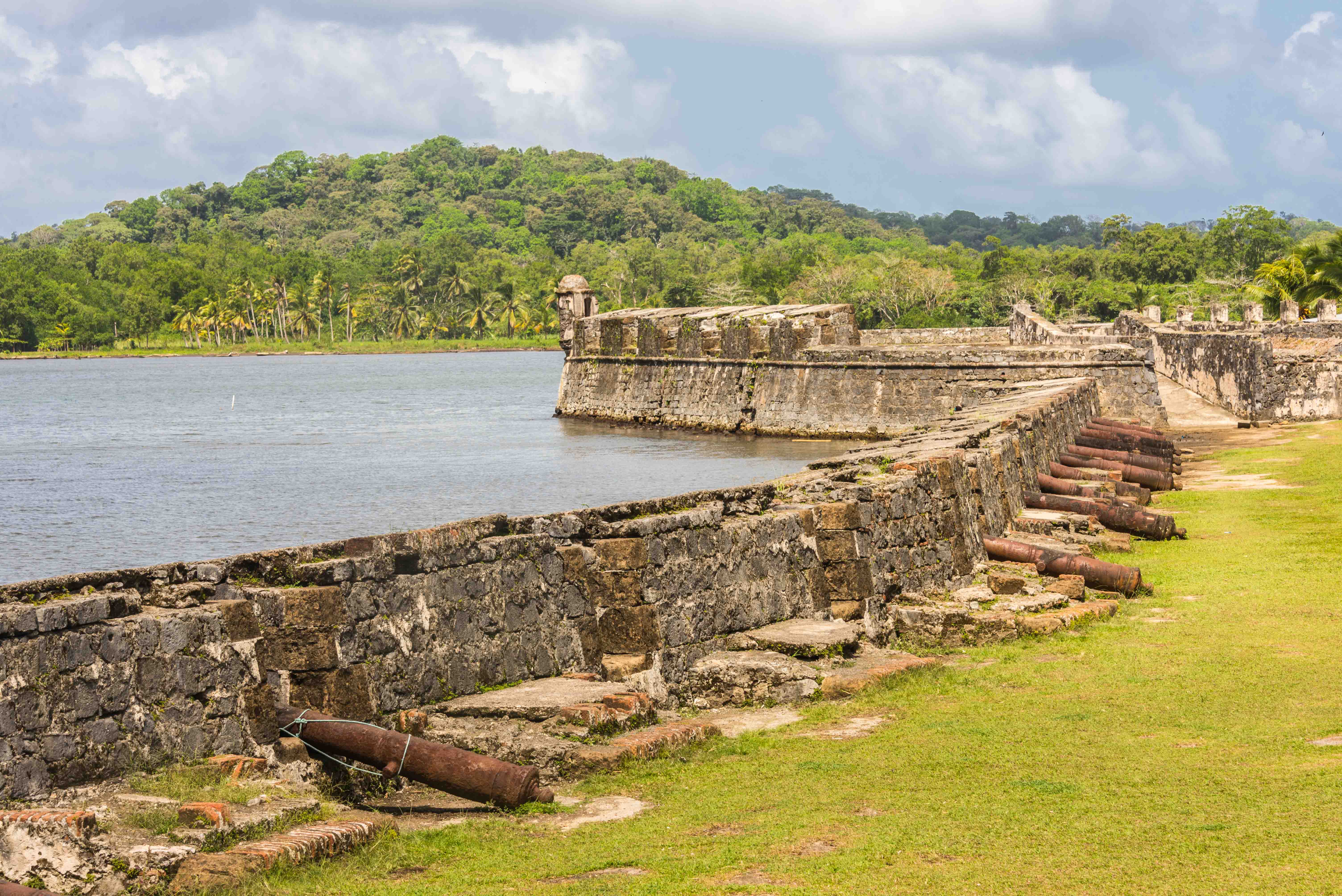
When I visit this beautiful place on the Caribbean, I cannot help but think about the rich and plentiful history told by the remnants of this former Spanish deep-water port. It is a fascinating story about gold plundered from Central America, which was consolidated here for shipment back to Spain. This, not surprisingly, attracted Pirates and eventually Britain who decided they needed Portobello more than the Spanish or the Pirates. Finally, Portobello returned to Spanish control but sadly many people died here as history played out over the years.

This place has been a UN World Heritage Site for several years now, but only recently are you seeing evidence of reconstruction and restoration. I cannot say that I like the results at this point. The restored work is overly obvious as the patina of the old stonework is lost to the bright white rocks, cement and bricks of the restoration. It will be years before nature finally completes the work by weathering everything to the same color.

The ever present highly noticeable scaffoldings, barricades and caution tape will forever mar many tourist’s pictures for a long time to come. You really have to pay careful attention and plan your shots to avoid capturing the modern stuff spoiling the old.

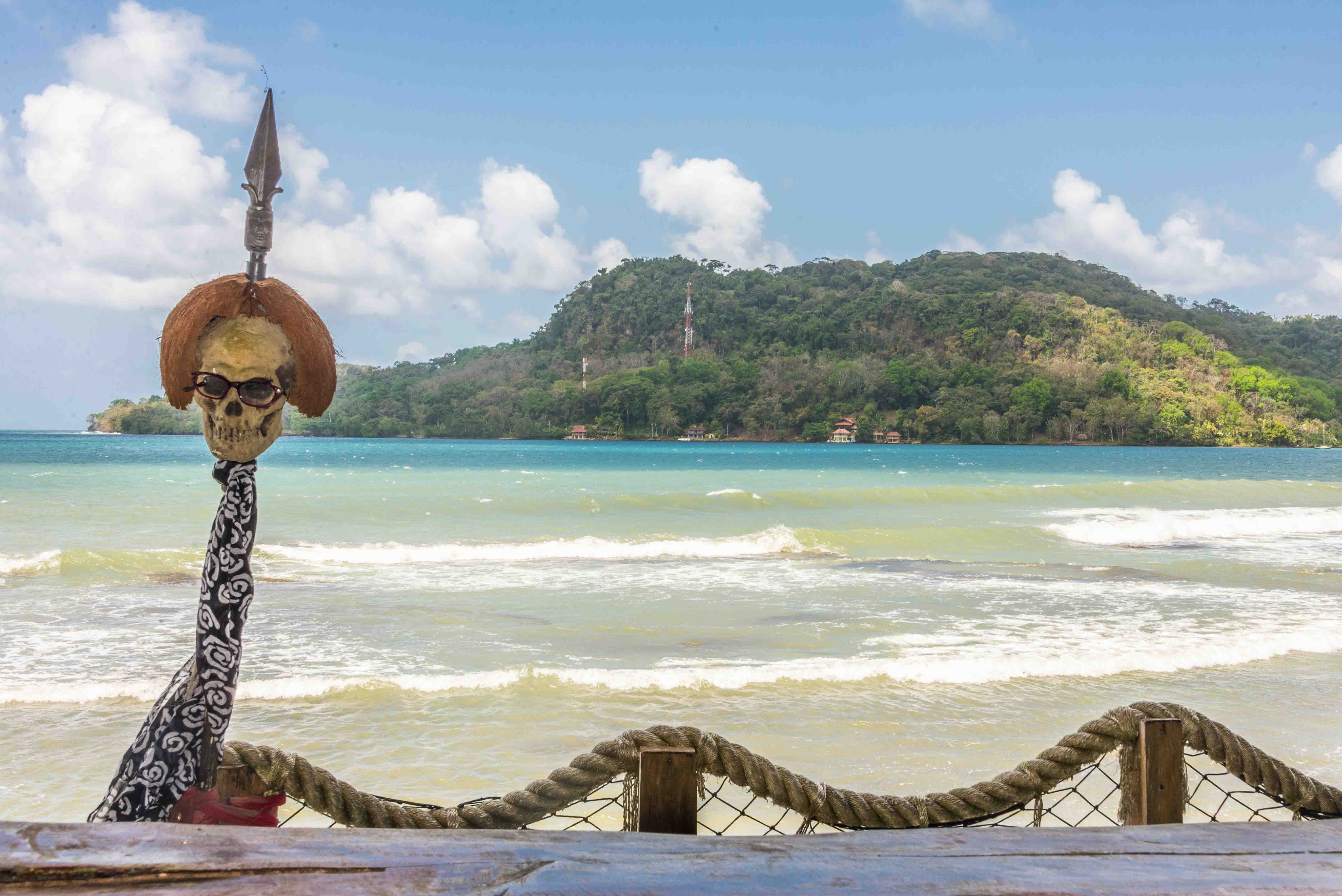
The scenic splendor of this area will take your breath away. The small boats moored in the protected waters of the inlet add to the Caribbean atmosphere, ever present in this area. We stopped at one of the growing number of restaurant we had not seen before. The start of the tourist season has seen a number of places come to life with bright signs and colorful paint jobs. We stopped at one built out over the Caribbean where you could see the sea between the floorboards. The atmosphere was perfect, the views spectacular and the breezes gentle. The food was not particularly good but the rest of it made the stop worthwhile.

2014-JKH-Panama-D610-LR-2730

When you visit Panama next, do not miss Portobello.

Six Tips for Renting a Car in Panama

Today I think it is time for a little rant about car rentals here in Panama City. For the traveller, unfamiliar with car rental rip-offs in Panama, I will give you an actual example of what we have experienced here. Most agencies are the same because they can get away with it. Caution, never believe the booking information, including the rates, when you book an online vehicle! We have been renting cars here by the month until we can find a suitable used car to buy.

Over the years we have travelled here, we have used several agencies and I can tell you that they are all pretty much the same. The biggest problem is that, with one exception, you get a big surprise when you arrive to pick up your car. That nice rate you were quoted is for the car only! Here in Panama you must have liability insurance by law and the rental agencies charge it to you. We have seen rates up to $22.00 per day for the minimum liability insurance, which is not very much ($10,000). So if you are a budget conscious vacationer expecting to get the car for the rates that are quoted to you, forget it! Your car rental cost will be up to double what you expect! (The exception is Sixt who include your insurance choice in the booking process so the prices are included)

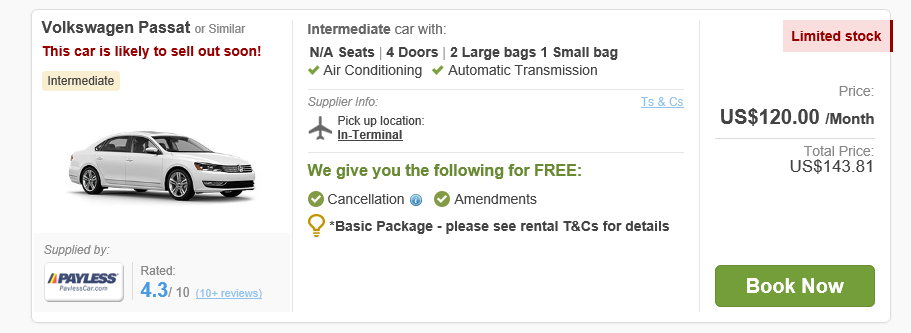
Payless Ad

Misleading Advertising

For a car rental here, you need to book it on line and in advance. If you do not, you can expect walk up prices to be up to double the rate you will get online. My biggest complaint is about directly misleading advertising. This example is a real transaction with Payless. Here is an actual screen shot of an online car search on RentalCars.com. We were looking for in an intermediate sized car for a month and I was drawn to the ad for a Volkswagen Passat. This is a pretty nice car and we know it from Canada. See the small print on the ad that says “or similar”? We booked it online and when we went to pick it up, we were told that they did not have that brand of car here and Head Office in the US placed the ad. We were offered the two brands that they have here, Hyundai and Kia. Now I don’t know about you but I could never in a million years equate those brands with a Volkswagen Passat. Now because the car is different, the insurance is different and so on and on it goes! The quote you got is not worth anything.  Now this screen shot if for next month but the ad has been in place for several months now so it is not an isolated example.

Our next problem was with the condition of the cars available to rent here. Most rental cars here are the most basic models and maintenance is not up to North American standards. This was our experience with both Sixt and Payless. Be very careful about checking the car our during your acceptance inspection. Be sure to fill the damage sheet up with all of the dings, scrapes, and scratches, because there will be lots of them. More importantly, check the tires and wheels closely. All of the tires we have seen should have been replaced long before we rented them. Uneven tread wear and lack of tread is very common. I would not drive tires like most of these at home. Next, check that all the wheel nuts are present and there are no broken studs. We had one car with a missing wheel nut and broken studs. Check out the windshield washers too. It is common to be given a car with nothing in the washer reservoir. Now you may think that you can just fill it yourself from the water hose at the service station but in our case, when we tried to do that, it leaked out the bottom as fast as we put water in the top. Then there was the car that was issuing scrape sounds from the wheels! Yes, the brake pads were low enough that the warning scrapes were pretty obvious, oh, and that one had an air conditioner that could not keep up too!

Here, in summary, are my six tips to survive renting a car in Panama, particularly at the Airport:

  1. Make on line reservations with several different car agencies before you travel. This will give you the ability to walk away from one agency without suffering the wallet abuse of walk up pricing at another;
  2. Expect and try to find out the prices of the insurance surcharges when you book. You will have to dig on the website but sometimes you can find them. The exception is Sixt, who states the charges openly. Print the insurance rates off, if you find them, and take them with you. They are often not kept up to date. Also, don’t phone the agency’s toll free number to check on insurance prices. It will be a call center somewhere with staff unfamiliar with the insurance requirements out of the US;
  3. Be ready to spend an hour or so at the car rental desk while you check in, more if there are people ahead of you. We have seldom experienced less time to check in;
  4. You will get an emergency number to phone if you have difficulty with the car. Assume it won’t work. That has been our experience;
  5. Don’t be afraid to refuse a car that does not meet adequate safety standards; and
  6. Be very careful about doing your acceptance inspection and include things that you would not need to include if renting at home. Be sure to cover scrapes, marks, dings etc. on the body in detail. Check tire wear and expect to find below standard tire condition. Check that all the wheel nuts are in place and that there are no broken studs. If the brake tabs are scraping, continue driving around the airport back to the agency and demand a replacement vehicle. If you are renting during the rainy season, be sure the washer system is full and working! You will need it.

Well, that is the long and short of car rentals here. Pay attention to the details and you shouldn’t find it too bad. We have had to return every single car we have rented on this trip for some problem or other. Some were replaced more than once. Just drive it back to the airport, show them the problem and ask for a new car.

Steel, Footings, Columns, Water, Electricity and a Honkin’ Big Slab

2014-JKH-Panama-D610-LR-25942014-JKH-Panama-D610-LR-2591

Today a sloth managed to stop us on the road to our site.  They are so slow but managed a slick smile before getting across the road.  Well, it is time to report on a little construction progress. You might find it of interest to see just how some of the things are done here, compared to home. It is a bit different!


Here in Panama, everything for water is plastic. White plastic pipe with grey glue is for the cold water supply lines. Off white plastic pipe with yellow glue is for hot water supply lines. Drainage is also white plastic pipe but larger. Because we have decided to enclose the room below the main deck as a potential future guest suite, we are roughing in a washroom with shower and a kitchen. Rough in work is done in two stages. First, the pipes are laid under the floor before the concrete is poured. Those pipes are spliced off at places where water is required such as the shower, sink, etc. The main lines are cut and an individual line is placed that will be fed from the main line. The secondary line is placed into a broken out section of the block wall. The secondary part of the rough in takes place after the floor slab is poured so the concrete secures the pipes. At that time, the 90-degree fittings and stops are installed before the wall is skim coated with concrete, filling the holes and leaving a finished install.

Electricity cable is similar although it is run through grey plastic conduit. Because the conduit is buried inside concrete walls, the conduit is placed but must be moulded to include gentle smooth curves so the cable can be pushed into the conduit later. This is done by filling the plastic conduit with sand then setting fire to an empty cement bag and heating the end of the conduit where a bend is desired. Eventually, the plastic sags into a gentle rounded curve. Allow the conduit to cool for a few minutes and pour out the sand and you end up with a piece of conduit that is properly shaped to fit the need. Later, wire is pushed through the conduit and properly terminated in a junction box in the wall.

This house involved a lot of steel to meet the seismic requirements of the Panama building code. The footings for the house are buried two meters deep. Rebar must be cut to the proper length, configured, fit together and then wired together to hold it in place. Rebar must not be permitted to sit on the ground so it is raised from the bottom of the hole by placing a spacer under the rebar and above the dirt.

At the bottom of the footing, a horizontal grille of rebar is placed. Next, the column is wired to the horizontal grill and forms are placed around the column. Last, the concrete is added. Simple? Yes, but lots of work! Here is a footing and column being put in place. When I look at the size and depth of the hole, I can appreciate why this kind of construction might be a good way to make someone disappear! Maybe Jimmy Hoffa will be found some day at the bottom of a footing for one of those tall buildings in Vegas.


Making concrete here is also a bit different. We can’t get a cement mixer to come up the mountain. The roads won’t support it. Next, I thought we would get a cement mixer but you need a mixer that will mix four or more cubic meters at a time to keep up to a large slab pour. All we could find was one and two meter mixers to rent. Back to the old ways… mix it on the ground by hand!

Today we poured a large four-inch thick concrete floor for the basement room that will be under the main balcony. I was amazed at the process. Four guys continually mixed cement, sand, gravel and water to make concrete. Two more guys ran that concrete from the mixing area to the pour site. The last two workers finished the concrete and ensured it was level. Using this process, they never stopped once they started the pour. Concrete flowed continuously. Who needs technology!


Another Weekend of Tour Guiding

It is Saturday morning, the 17th of January and we are heading back out to Coronado to show our friends, Pam and Brian, more of Panama. After some discussion, we decide to head out to a small historic town called San Francisco, which is a couple of hours drive west from Coronado to Santiago where we turn inland.

San Francisco’s claim to fame is a beautiful old Spanish Catholic Church that has an interior that was recently carefully restored, mostly by hand. It took several years to complete the work and today it is a spectacular example of the intricate beauty and detail that was part of this historical building.

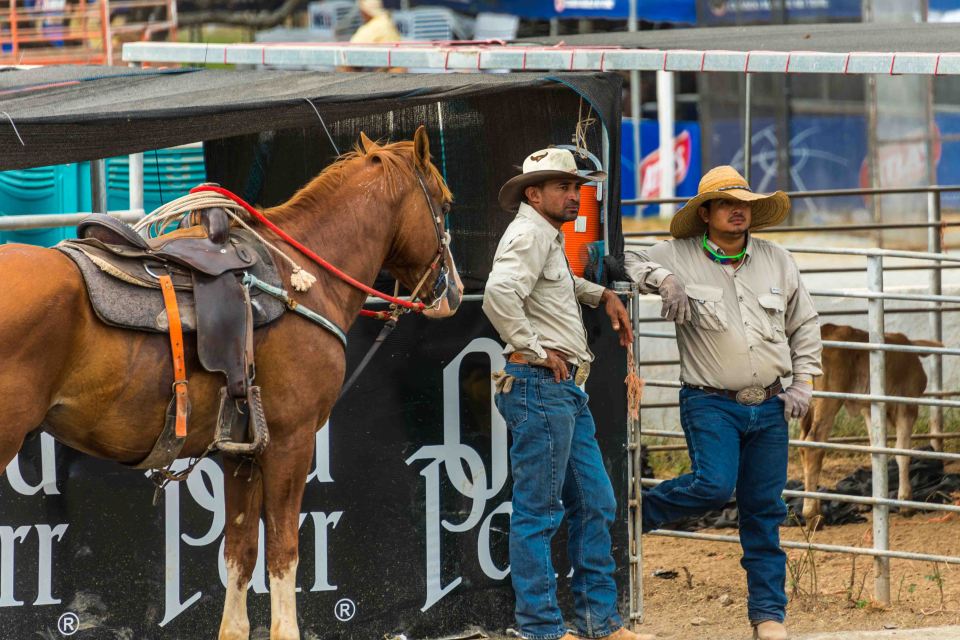
Away we went, in search of something interesting to visit and photograph. A few kilometers short of Santiago, we noticed a large busy fairground set up on the south side of the highway. The sign said it was the National Roping Competition. A quick change of destination found us looking for the next returno (where you can make a u turn) and we headed for the fair grounds.

2014-JKH-Panama-D610-LR-2445

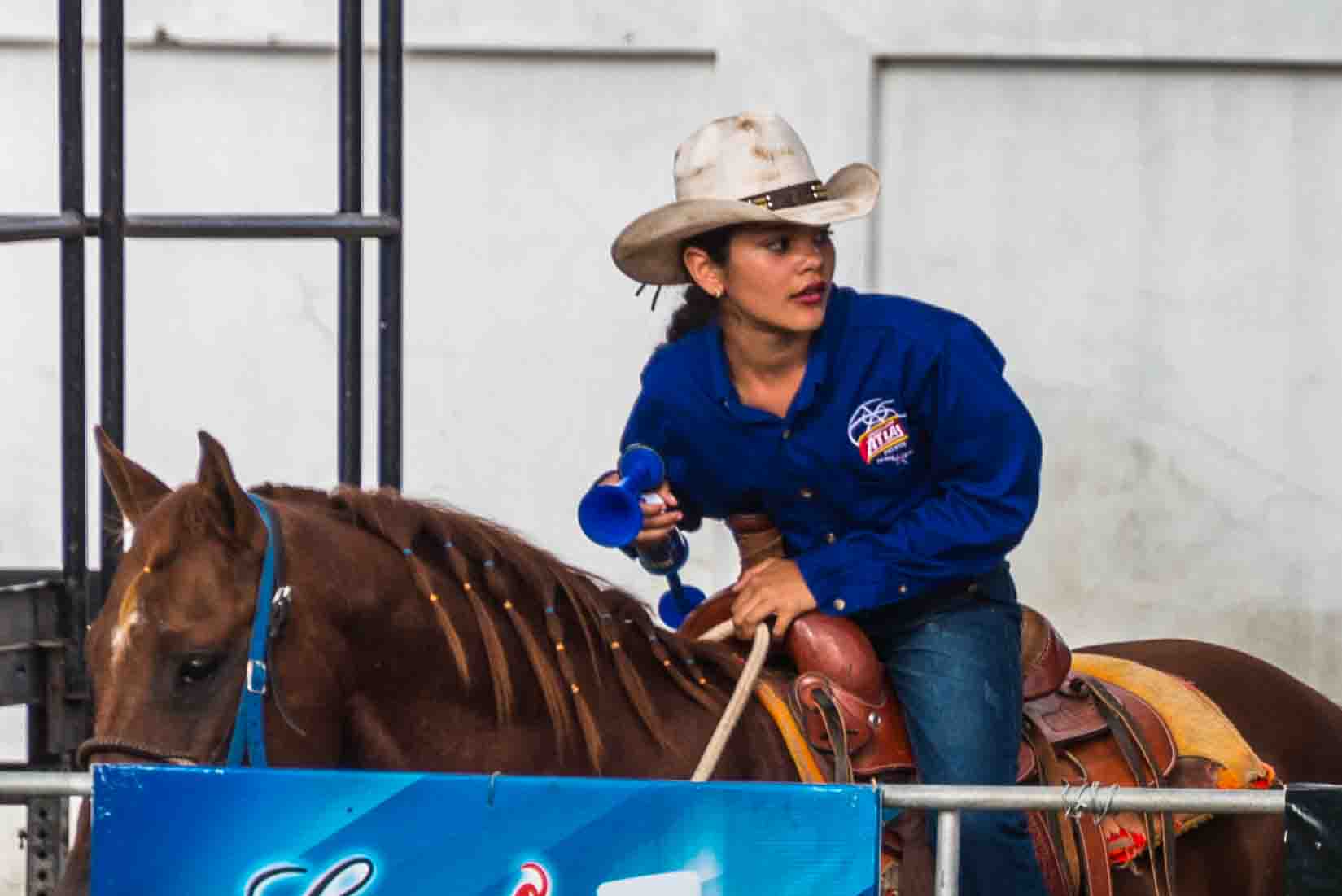
Noisy Horn


2014-JKH-Panama-D610-LR-2476

Beautiful Markings


Once parked, we walked through some of the stands selling food and western gear. It was like a small Calgary Stampede. We took some seats in the bleachers and began watching the event. They seemed to have two teams of ten to fifteen riders competing against each other.

A calf was released from a shoot and a rider from one team lassoed it as quickly as he could while the time was recorded. Calves were just roped and stopped. There was no rider dismount and leg binding as we would expect to see at home. Riders from both teams alternated until everyone completed the competition at which time the winning team was determined. It was an interesting competition of skill and a great demonstration of the capabilities of some beautiful horses.

We returned to Coronado after stopping in Penonome for dinner.


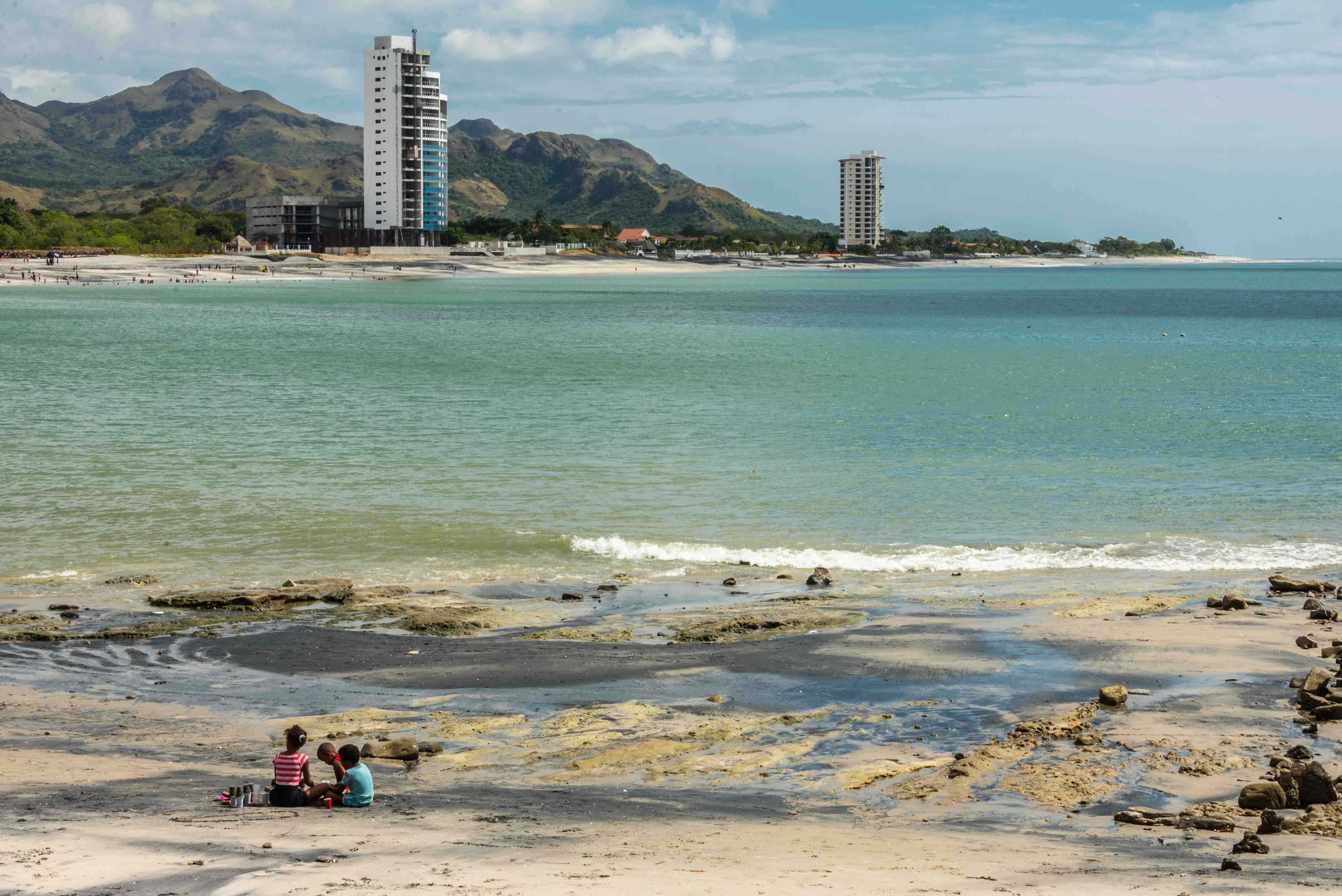
On Sunday, we started with a tour of Gorgona, which is directly east of Coronado. It is the next beach community toward Panama City. We stayed there a couple of years ago and enjoyed the quiet and solitude of the area. Today, being a weekend day, the locals were out enjoying the beach and it really was a busy place.

2014-JKH-Panama-D610-LR-2505

Later, we headed further east, toward Panama City to Punta Chame. This involved a leisurely drive 25 or so kilometers south from the Interamerican highway to the tip of the Chame peninsula. The development at the tip is known as Punta Chame. There are a couple of small resorts here and a Kite Board School called Nitro whose recent claim to fame was hosting a big name small personality entertainer called Justin Beber. We were glad to find he was not there, and enjoyed a pleasant poolside lunch before strolling down to the beach to take in the insanity of Kite Boarding before returning to Coronado to drop our friends.

We will be back to Coronado next weekend again.