Keith's Panamanian Travel Ramble

The wanderings of Andrea and Keith around Panama

Posts by Keith

No Kites Today

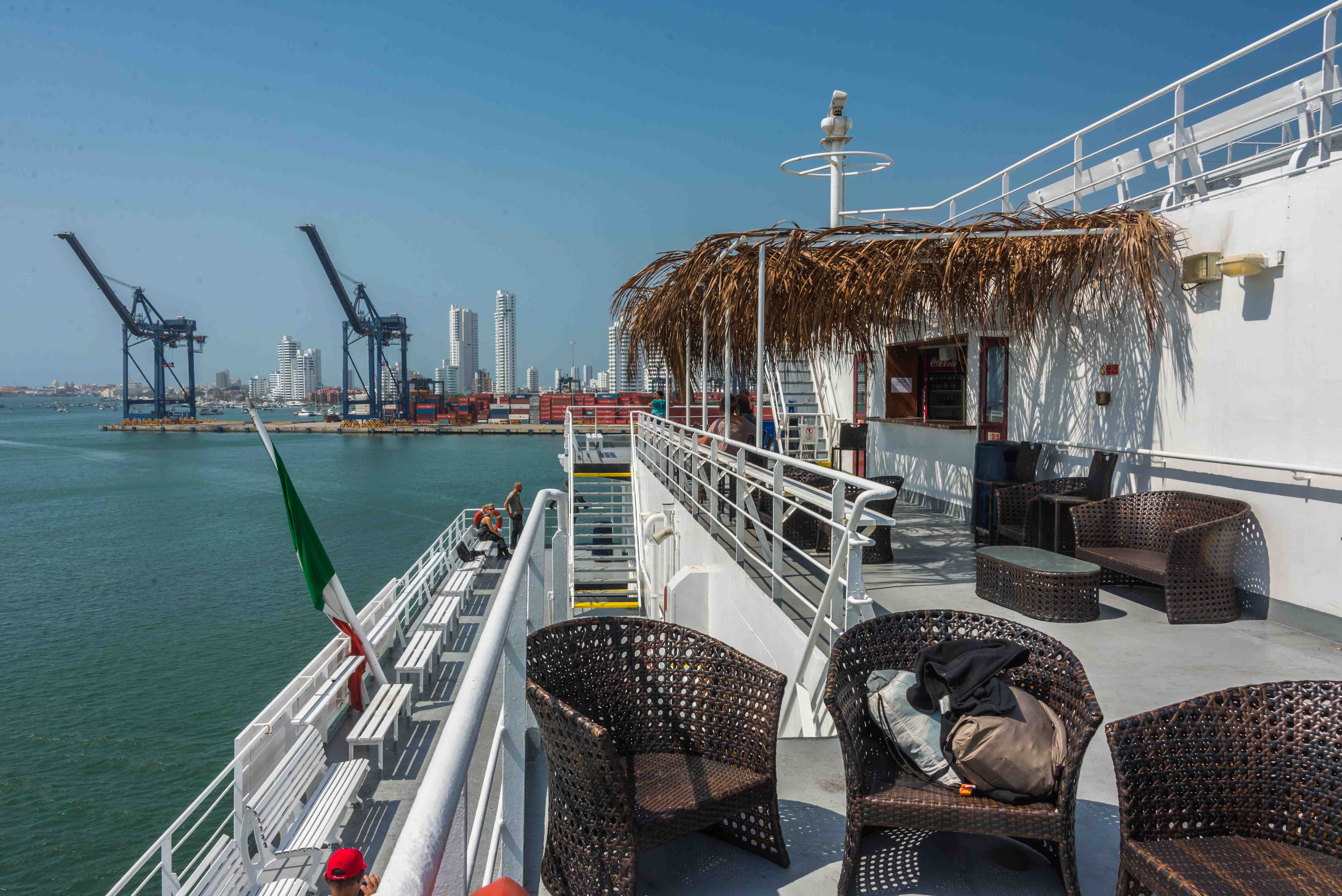
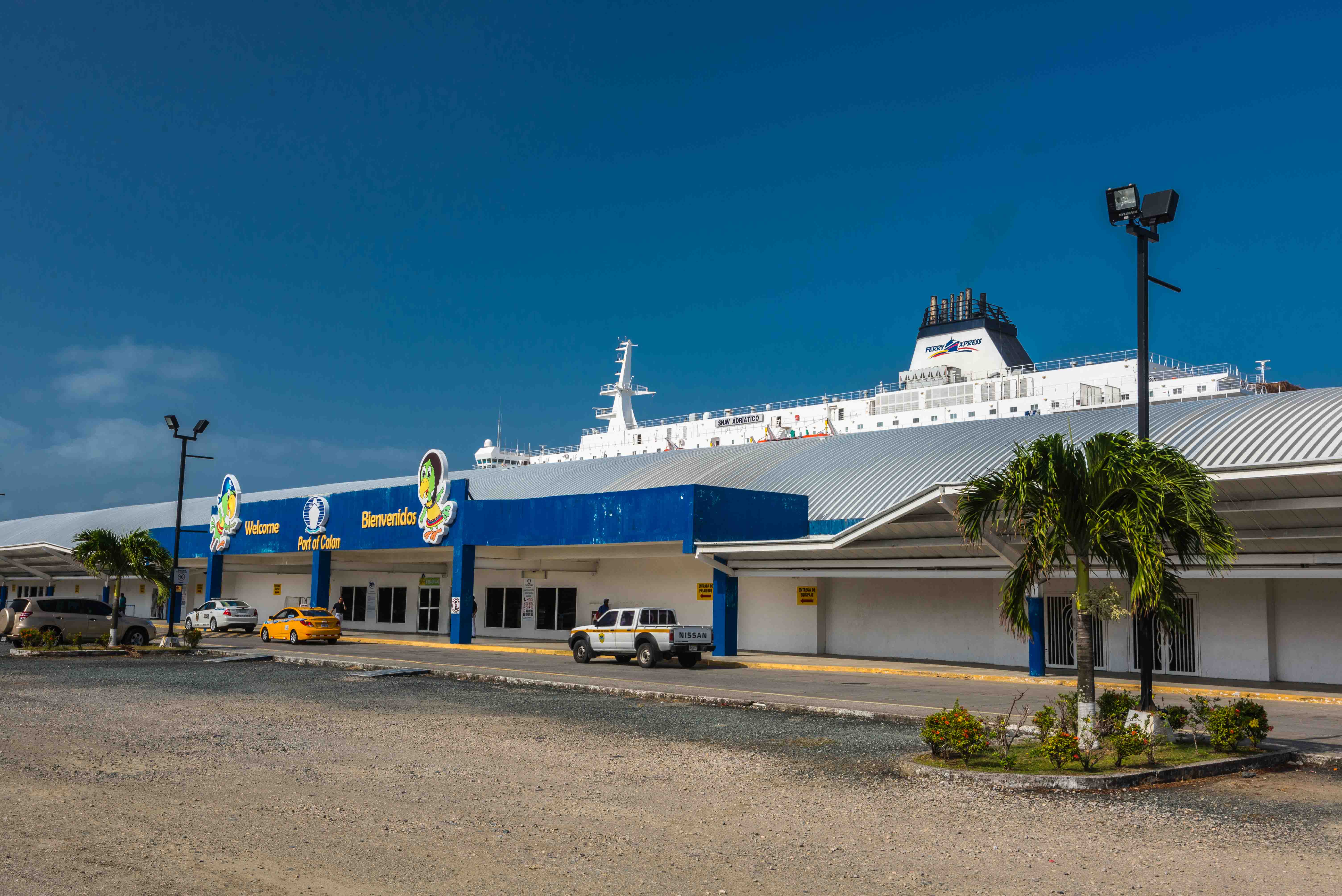
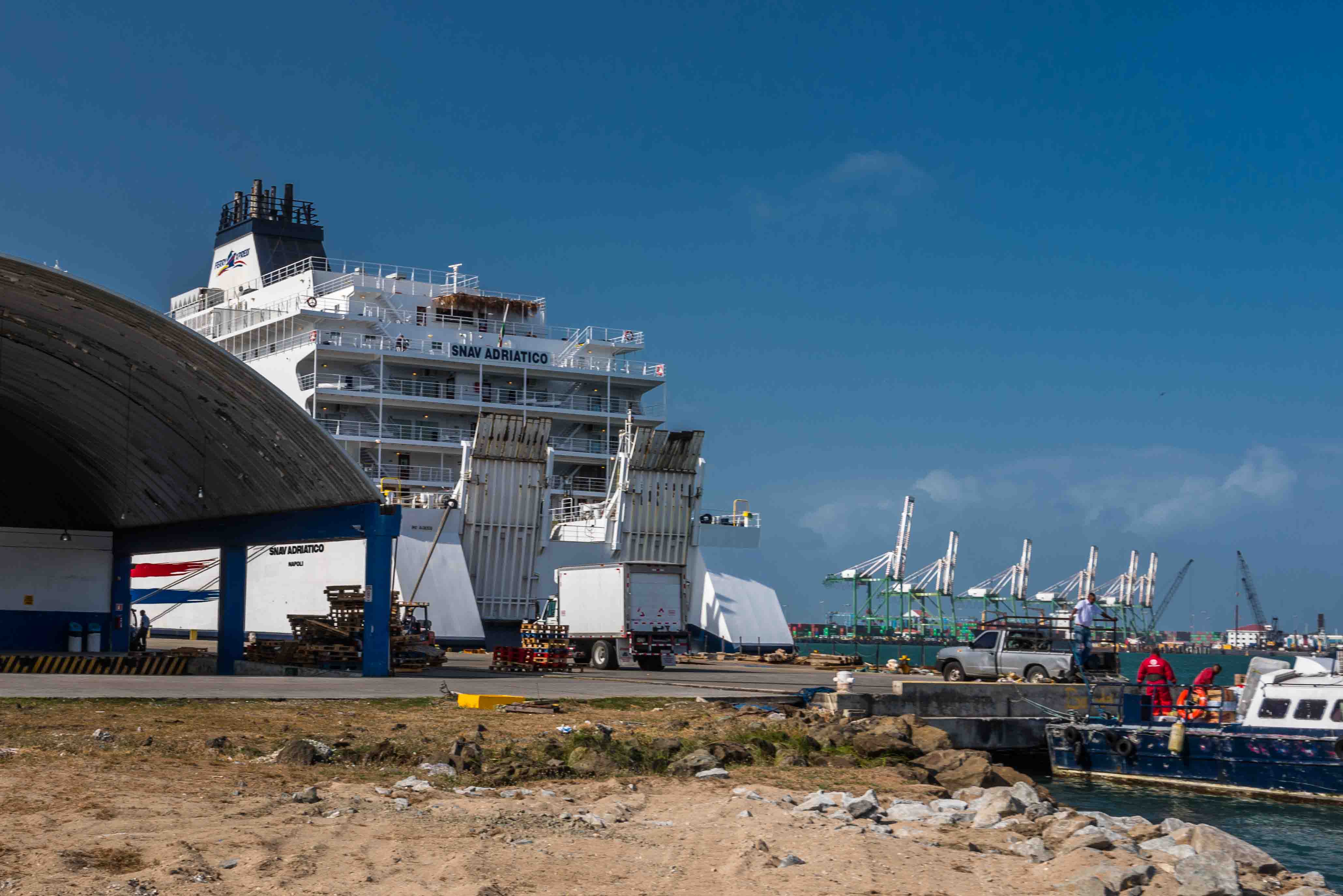
Today we arrived back in Colon aboard the mysterious Ferry Xpress from our trip to Colombia. The mystery comes from never knowing when the ferry will sail.

2014-JKH-Panama-D610-LR-3971


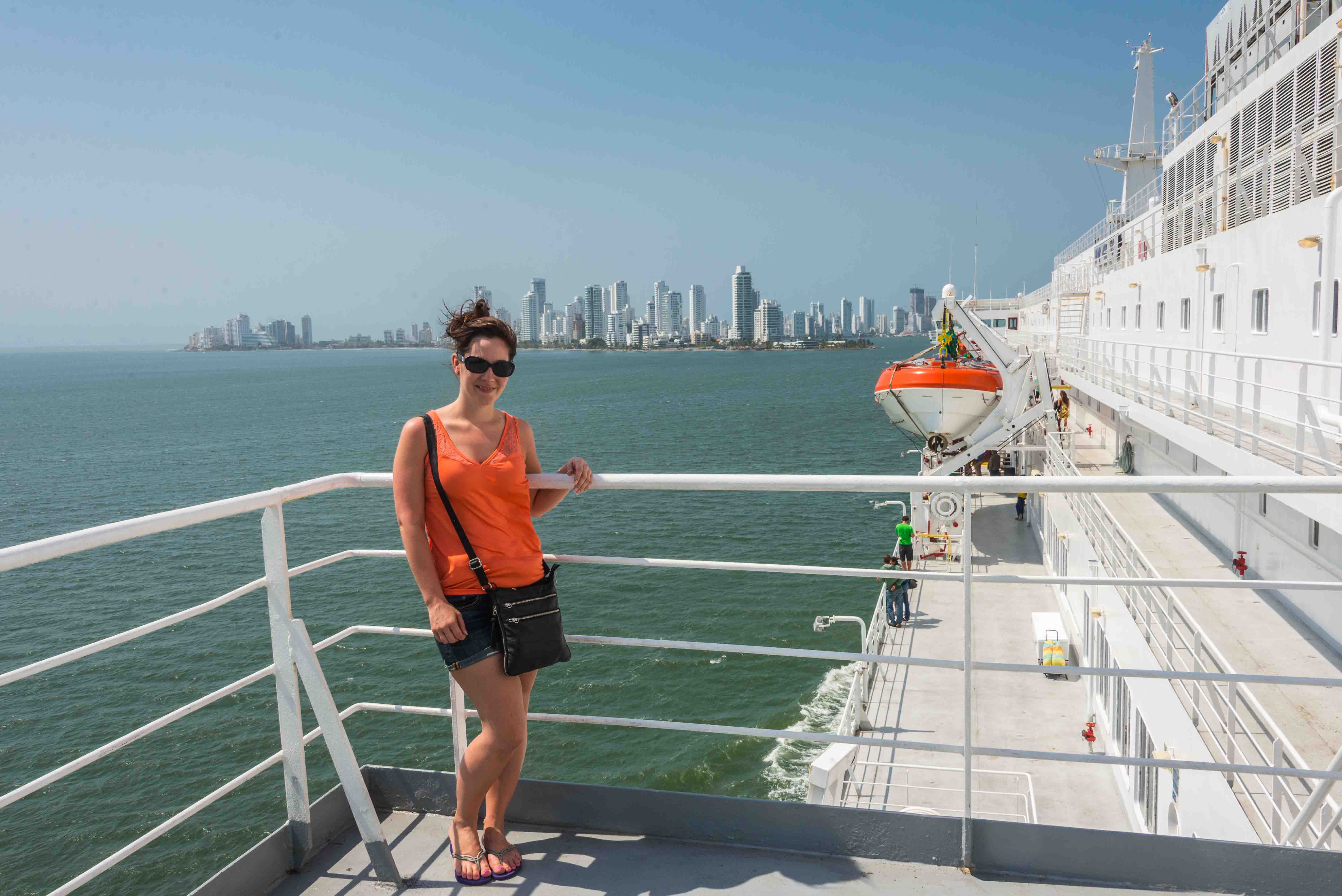
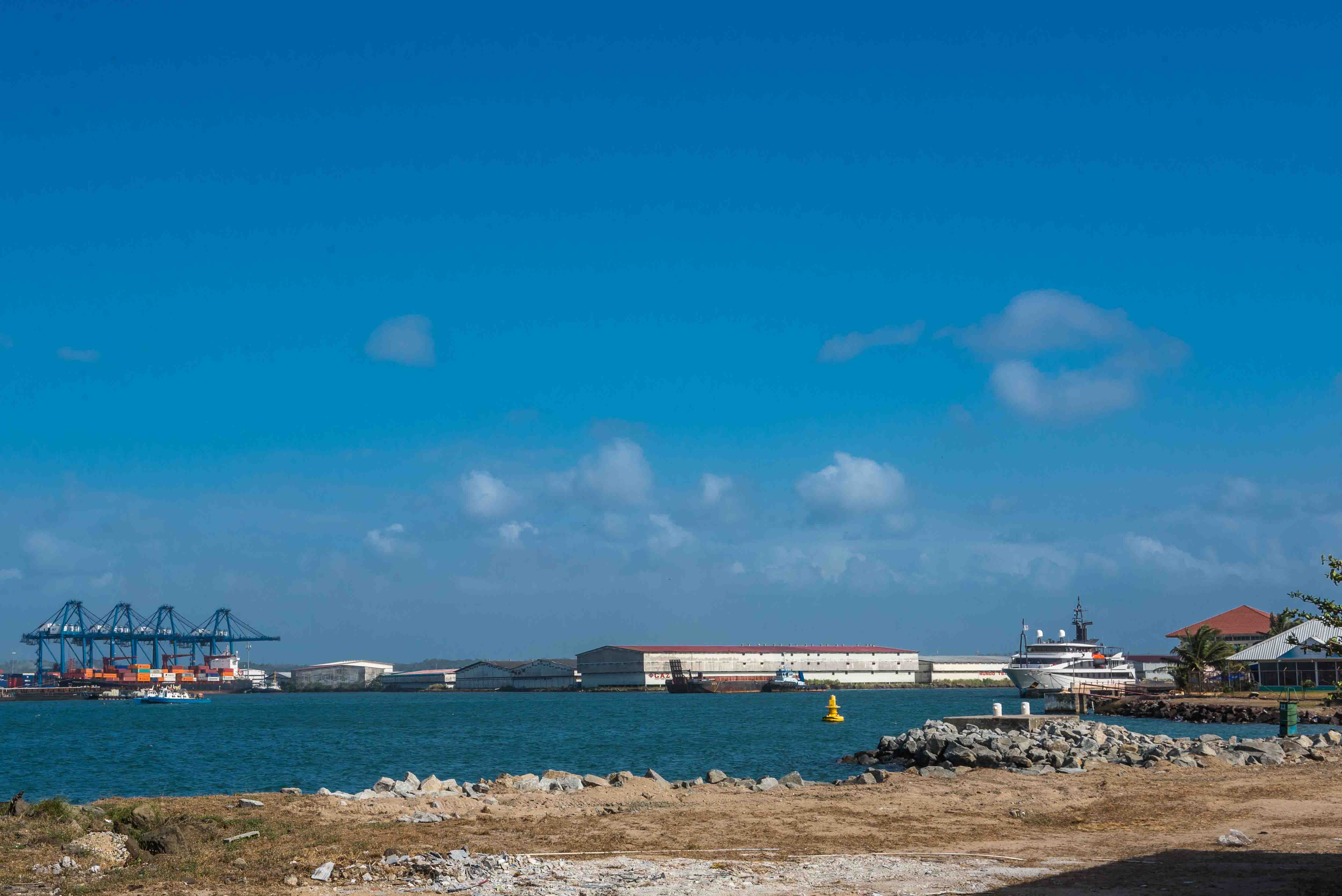
As we pulled into the port, a pilot came aboard to make sure the ferry found the right place to dock. Again, we had an enjoyable sea trip but would caution anyone considering using the Ferry Xpress to be very careful. Our experience, while good onboard, was very bad from a scheduling standpoint. Our round trip to Colombia batted a 100 % schedule failure, as sailings in both directions did not occur on the scheduled days.
2014-JKH-Panama-D610-LR-4183

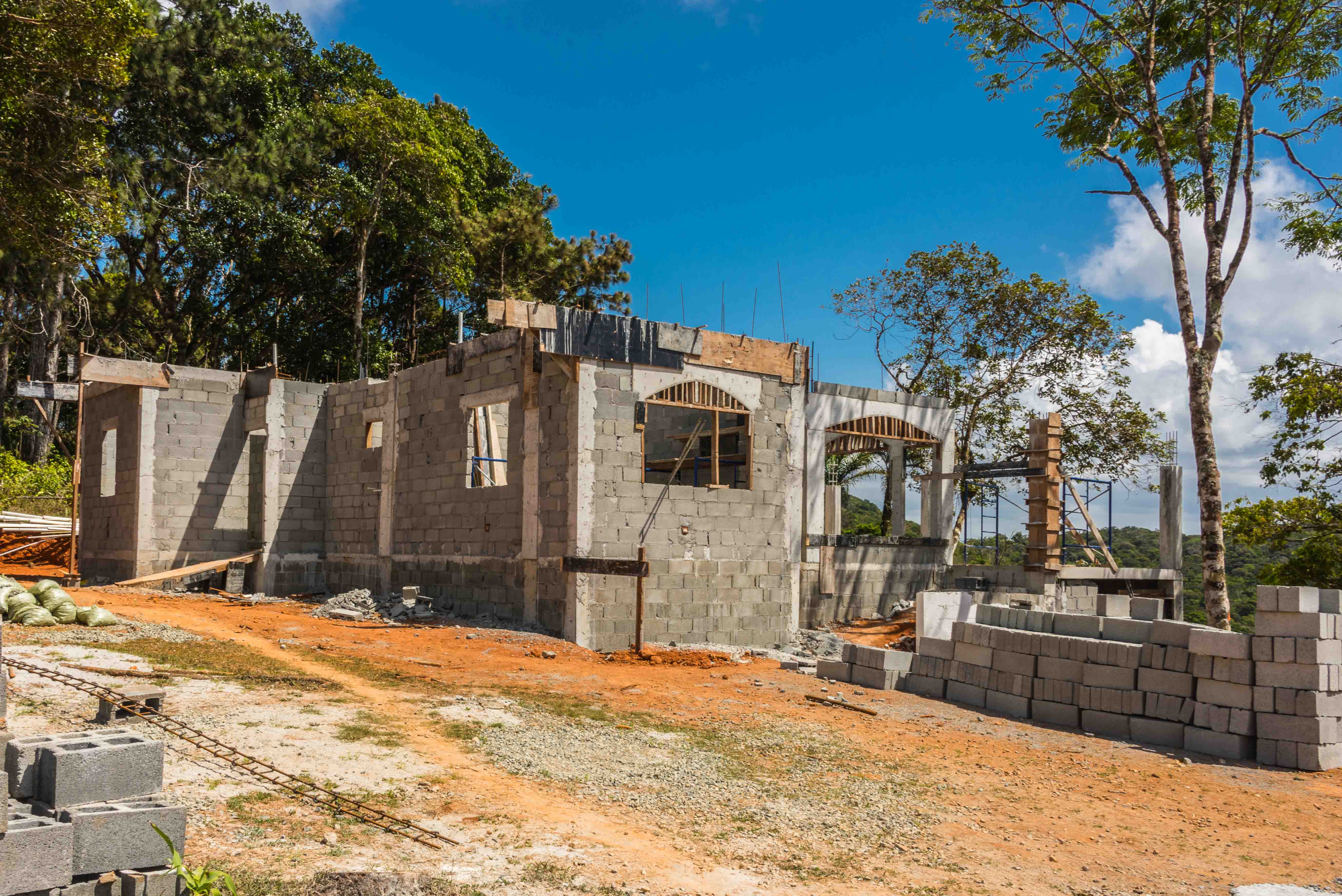
Back at home, in Cerro Azul, we checked on our house construction. Progress seemed slow, although things were happening. Walls are pretty much up, the septic system has both tanks completed but the drainage area is still waiting for rock. The area under the front deck has been closed in and the workers have moved their sleeping area here to stay out of the wind.
Still to come are windows, doors and the roof, all under way on paper. Pricing and delivery are now both considerations as I return to Canada on 4 April while Andrea holds things together until the end of April. We have told the builder that work must stop when Andrea leaves, but we will permit the installation of windows, doors and the roof under Caterina’s supervision, with the proviso that if we are not satisfied with any of that work it will be addressed when we next return. This will allow us to secure the downstairs area and use it for storage of some of the stuff we are starting to accumulate. No finishing work will begin until we return next season.
Whenever I get frustrated with the progress of our house build, I have to remind myself that we have been at it only since mid-December, which is just coming up to four months. Numerous people have told us that our progress is spectacular compared to what normally happens when a house is built here.
Well, Alicia is still here and thanks to our screwed up schedule complements of Ferry Xpress, she has a couple of days here in Panama before she returns home. We decided to head out to Punta Chame, to enjoy some beach time and see the colorful kite surfer crowd tear up the ocean.
Punta Chame is a very small remote community at the tip of the Chame peninsula about one and a half hours drive west from Panama City. Once you turn south off the Inter American Highway, you travel on a well-paved two lane road through very lightly developed terrain. It reminds me of a mangrove marsh in some areas and in others the beachside dune areas, you see while driving the Florida coastline.
Punta Chame’s claim to fame is a kite surfing school called Nitro! Justin Bieber put it on the map last year by tearing up the place. The main activity here is kite surfing, which is a crazy person wearing a surfboard and harness connected to a large kite. To make this work, you need steady slightly less than hurricane strong winds and a large body of water so you will not crash into the other crazies doing the same thing. The result is fascinating! The higher the winds the more daring the stunts. Airborne somersaults and high-speed travel are common to see when the ocean is full of kite surfers. It is a great spectator sport.

2014-JKH-Panama-D610-LR-4024

2014-JKH-Panama-D610-LR-4014

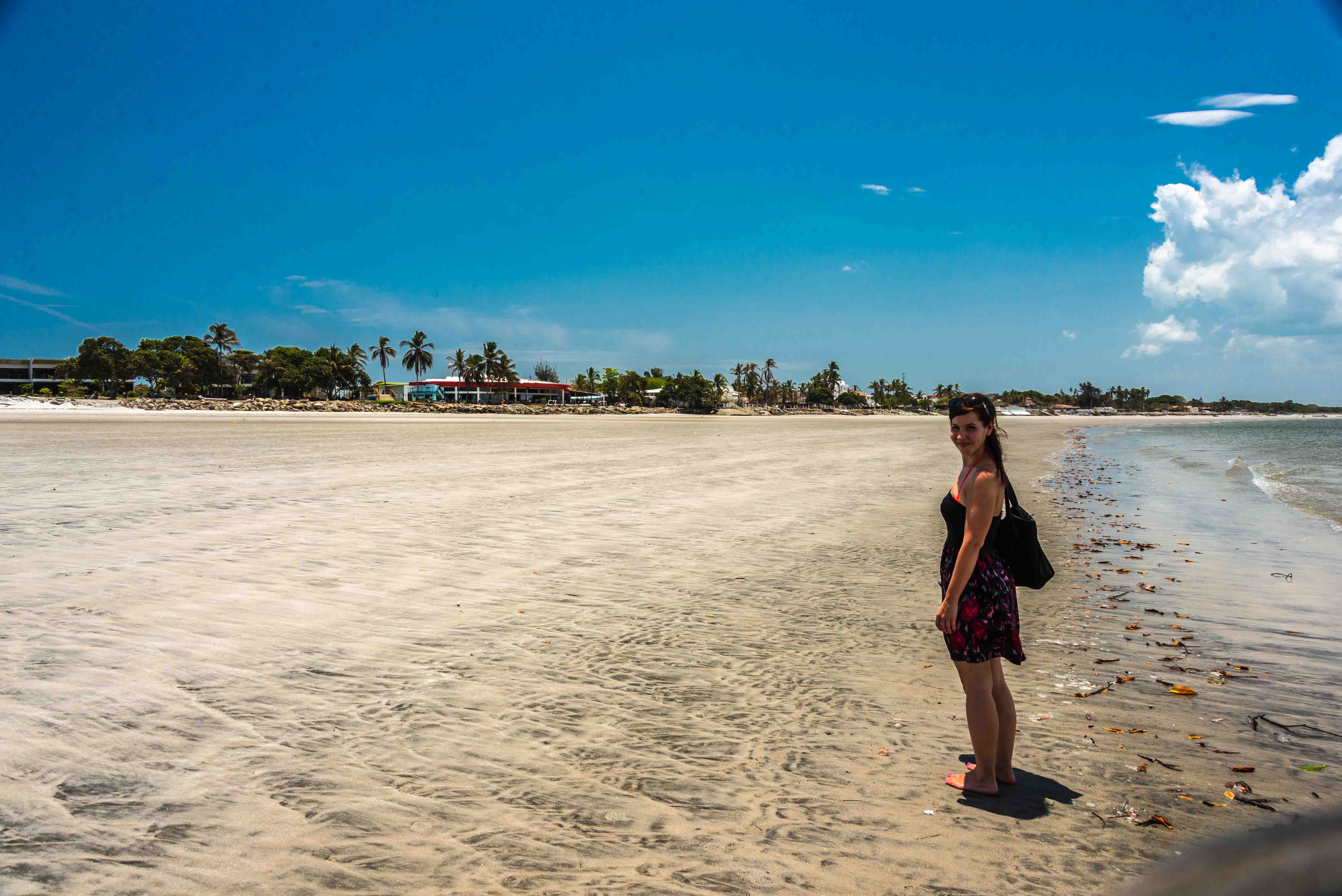
We arrived just at lunch time so had some food at the small resort at the tip of the peninsula, followed by a stroll to the beach. The tide was out and there was not a kite to be seen. Apparently, when the wind is not blowing, nobody comes to the beach. Not a single person! We were told that the forecast was for the winds to return later in the afternoon… after we left.

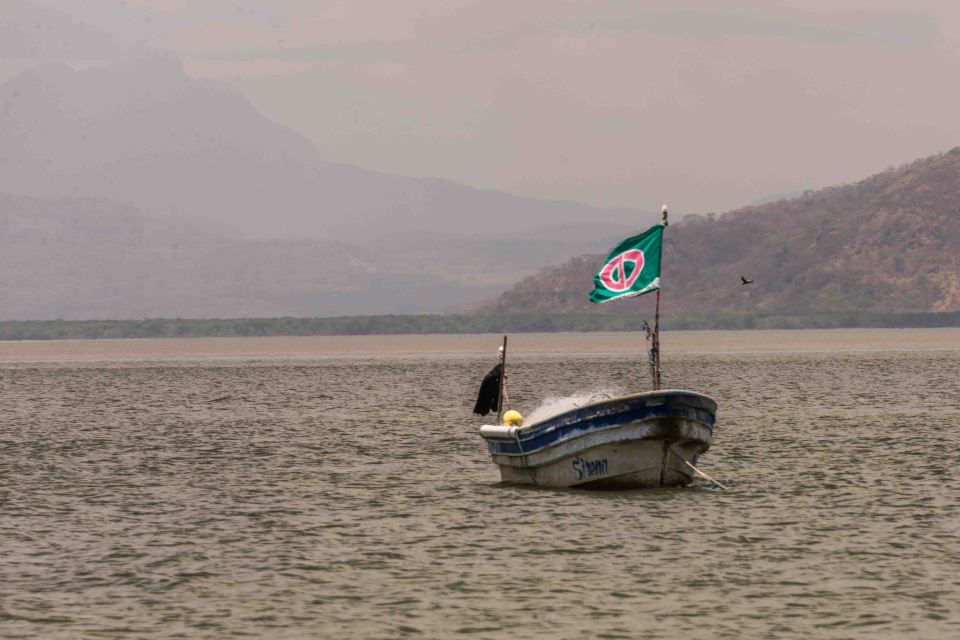
With the tide out and the sun shining, the empty beach needed some people to walk on it so we took a stroll down past the fishing boats moored waiting for the next tide to cycle. Occasionally, we came upon a group of sea birds feeding at the water’s edge, who flew off out over the water, protesting the disturbance with varying calls.

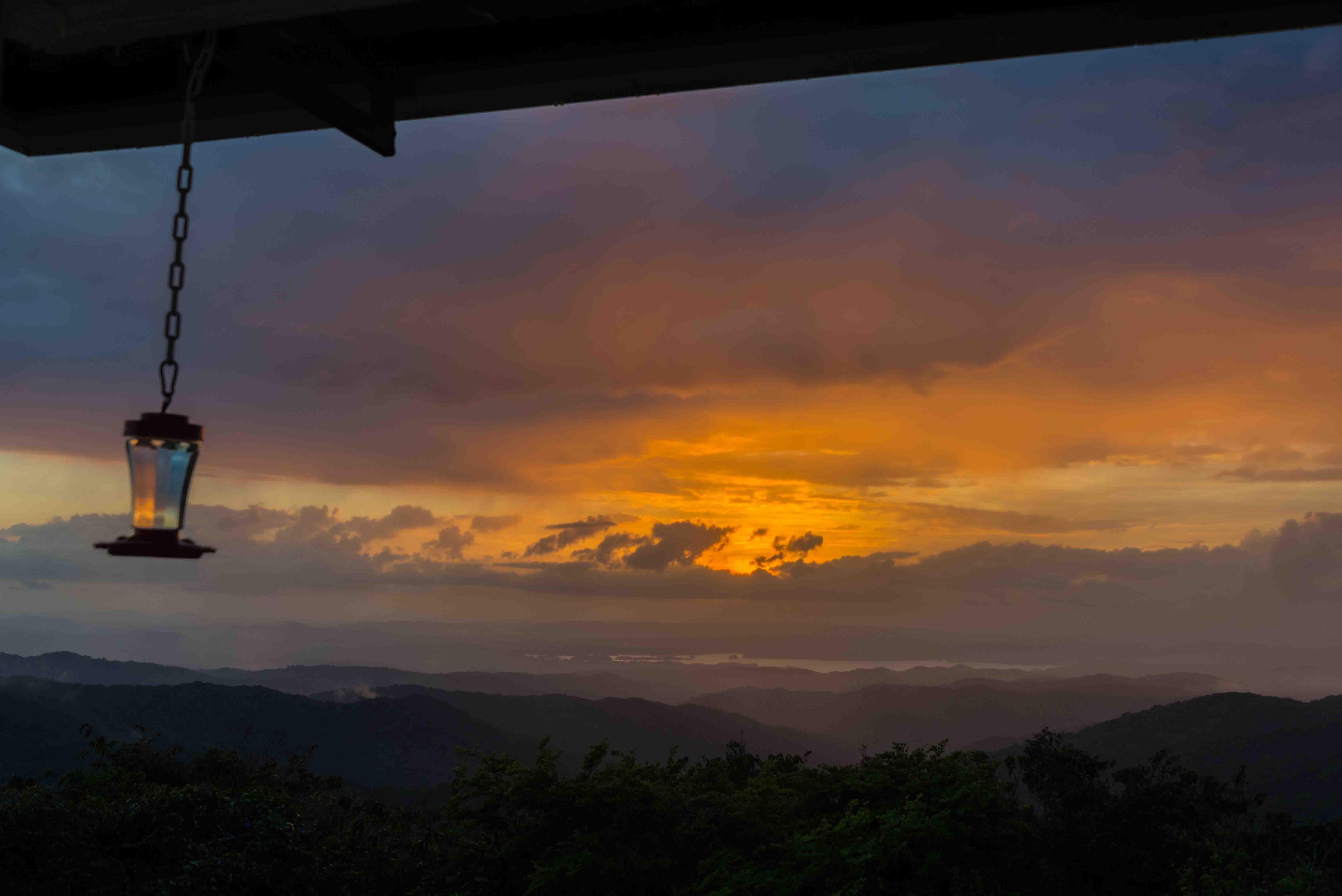
We returned to the mountain for a spectacular sunset and a visit from our neighbours, the toucans who live in the tree behind the garage next door. We also had a visit from a honeycreeper, who took residence in the bush next to our pool area. This place, the land of endless sunsets, has such beauty in everything we see. I am going to miss it when I head back to the great white north.
2014-JKH-Panama-D610-LR-4006

The Missing Casino and Our Return to Panama

We left the Ecohabs with our luggage and walked the ten minutes back to the central point where we would find the bus that would take us down to the Park entrance. As we waited, an empty tourist bus passed us and went up the dusty road toward the Ecohabs.

We had met an older couple from England who were staying at the Ecohabs and they were leaving today as well. We guessed that the bus was for them. After a short time, the bus returned carrying the British couple. They waved out the window and then the bus stopped and they invited us to come with them back to Santa Marta, where they would be catching a flight to Brazil and then home.

We enjoyed their company and their generosity, in allowing us to help them fill the otherwise empty bus. The bus even dropped us right at out hotel in Santa Marta which is once again a converted Spanish Colonial building but done up a little bit differently. Here are some pictures to give you the idea.

After we settled in the hotel, we were off, eager to find another great restaurant for dinner. In the meantime, Andrea and I had booked a $25.00 massage at a nearby hotel, just to see how good a massage that cheap could be. (It was worth just about $25.00) Later, we found Alicia dressing up a rooftop restaurant next to the square, enjoying an appetizer and waiting to meet up with us for dinner.

2014-JKH-Panama-D610-LR-3888


After scouting the local restaurants around the town square, we settled on a Greek restaurant called Ouzo. Part inside and part out, we ended up sitting inside because it was a busy restaurant. Frankly, the main thing that drew our attention to this place was a fig and goat cheese pizza on the menu. After a little wine and an appetizer, the pizza arrived and it tasted as sumptuous as you could ever have imagined. Amazing!

Of our best three meals in Colombia, two were right around the town square. The third was fine dining in the jungle at the Ecohab’s restaurant.

The next morning, after a full hot breakfast by the hotel, we set out for one last stroll around Santa Marta before our bus arrived to take us back to Cartagena. The city was just getting underway for another day. People were heading for work and the street vendors were beginning to set up. This is a great little city to prowl and I would like to come back to spend more time here to investigate it further.

Our bus to Cartagena dropped us at the clock tower gate to the old town so some last-minute shopping could occur before we headed to the Ferry Xpress for our voyage back to Panama. Needing someone to look after the luggage, I volunteered and parked myself at the San Alberto coffee store to await the return of the women, loaded with packages. I had a great cappuccino while I waited.

Now, if you have been paying attention, you will remember that when we got off the Ferry Xpress from Colon last Friday, we found out by accident that our expected return voyage on Tuesday was going to be cancelled, due to weather. We confirmed that this was a fictitious excuse, but the sailing was cancelled none the less. Now this was to be our second voyage on the Ferry Xpress, a very pleasant way to spend a day to make the crossing but I must say that the reliability of the schedule can be very costly.

We lost a guaranteed hotel reservation due to not being able to travel, Alicia lost two days of work and got a couple of hundred-dollar bill from her airline to change her flights home along with having to shorten our stay in Colombia by several days. On the positive side, each time we complained, our room accommodation improved. We had booked an inside cabin for the trip over which became an outside cabin. This time the inside cabin turned into a suite which was nice but I would rather have had the time in Colombia. It seemed it was the least they could do.

2014-JKH-Panama-D610-LR-3929


The ship in the sunset may have more significance than just a beautiful image. We discovered that the ship’s casino was missing on the way home. Maybe it did not make enough money for the operator. Maybe it was repossessed. There was also a sign that I had not noticed on the trip from Colon. All of this and the erratic scheduling along with the downsizing of inventories onboard suggested to us that the ship’s owners might soon be planning on sailing the SNAV Adriatico off into the sunset and the Ferry Xpress will once again be no longer in service.

Tayrona National Park– Nature’s Best

After a great breakfast and packing down to a small overnight necessity bag, we checked out of our little boutique hotel called la Casa del Piano in Santa Marta and headed to the local bus stop. The short three dollar cab ride landed us on the corner where the bus leaves from and we boarded for the one hour journey to the Park. We are here for one night, so the early start will maximize our time there. Alicia had chosen this place to visit after many recommendations from co-workers.

2014-JKH-Panama-D610-LR-3840

Colombia’s Tayrona National Park is a protected area, 34 kilometers from the city of Santa Marta. The park covers about 30 square kilometers of maritime area along the Caribbean and about 150 square kilometers of land. It has some of South America’s loveliest coastline.

Created in 1864, it has not only an immense natural importance in the region, but it is also a cultural treasure. Before the arrival of the Spanish in the 1500s, small groups of hunters and gatherers, called the Tayrona tribe, inhabited both the coast and the mountain areas of the park.

The park has limited services, which is one of its greatest assets. Do not come here if you are looking for numerous hotels, fancy restaurants and paved roads. You will be disappointed. Accommodation ranges from nothing, to hammock rental, to tent rental, to a very expensive hotel. Food will run you about double of what it would be outside the park.

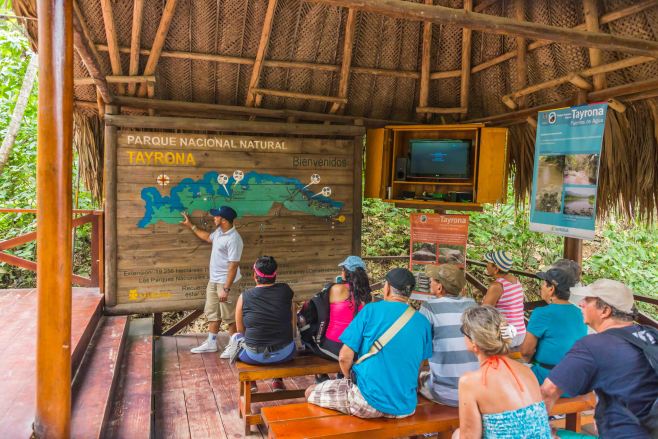
This place is for people who appreciate nature and the rustic beauty it imparts. On arrival, we went through the mandatory orientation session, provided only in Spanish, and purchased our ticket to the park. Next, we loaded onto a small bus for a short ride to a central location where we proceeded ten minutes or so by foot to our accommodation for the night.

2014-JKH-Panama-D610-LR-3746


2014-JKH-Panama-D610-LR-3842

Ecohabs or the Hotel Tayrona Park is a pricy small bit of accommodation in a spectacular place. On a treed hillside next to a small beach overlooking the ocean, there is a small group of personal round two storey wooden structures with palapa roofs.

Each structure has a generous sized single room finished in local hardwoods, a king sized bed, TV, and a large set of folding wood doors that, when opened, allow a panoramic show stopping view of the beach and ocean below. Down the exterior stairway on the first level, a fully equipped private bath with giant towels and abundant hot water shares space with a conversation area with hammocks and a small table and chairs. It is perfect!

Our next task was a small hike to one of the beaches. This park has a number of beaches and a couple of ways to get there. You can rent a horse or you can walk. Our instructions were to hike to the third beach, called Al Cabo. The trail was in nice shape and in a number of places contained wooden walkways and stairs to aid in transit.

Part way to the first beach, an entrepreneurial genius, was selling ice cream, as fast as he could to the never-ending line of hikers heading down the trail. This was the perfect product at the perfect place and sales would be close to 100%.

The trail was not too difficult. There was some up and down but there was lots of level as well.

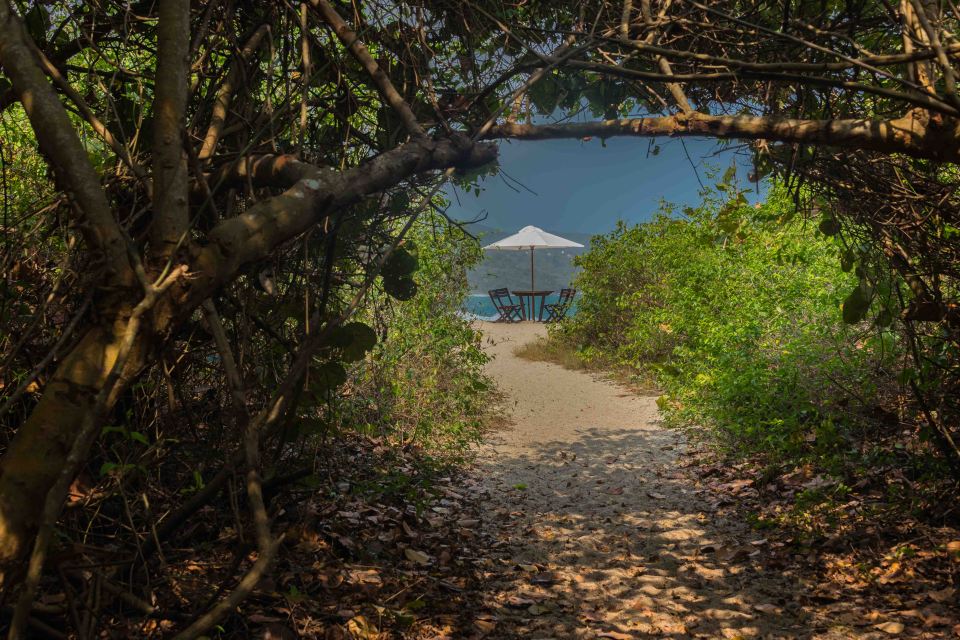
The first beach we passed was unoccupied. The rugged landscape fringed a palm lined white sand beach, that was being pounded by large, white-capped waves rolling in from the Caribbean after travelling unobstructed for miles. This beach was not good for swimming as the red warning flags suggested.

The second beach contained a small community of park workers. A reef protected swimming, some 100 meters off the shore. This beach had a collection of sun worshipers but really no food services.

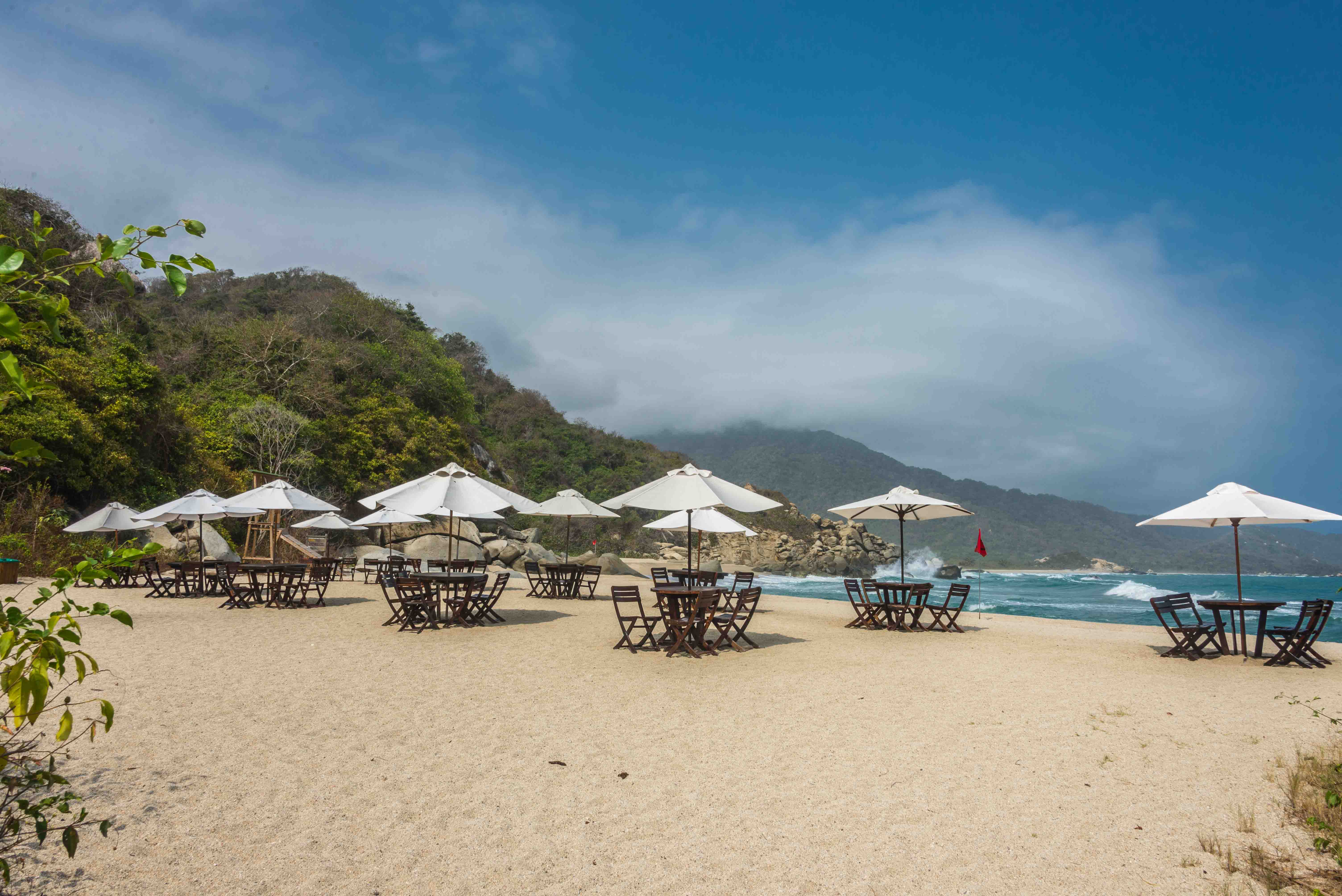
We continued on to the third beach, arriving around two hours after our departure from the hotel. We could see immediately why the advice we had received was to go to this beach. There was a city of tents for rent and a large palapa roofed restaurant on the beach full of plastic tables and chairs on the sand. The curved Caribbean blue cove protected by a small peninsula and covered with people enjoying the day attested to this being the “best” beach to come to. This place is so scenic!

There are no roads here, only trails. While we were there, a pack train of around a dozen or so horses loaded with foodstuffs for the restaurant arrived to resupply the business.

After a couple of hours of beach and sun, we started the two-hour return walk so we would be back to the hotel before dark.

After a nice cleanup, we were ready to head to dinner. There are nine cabins on this hillside and we are in number eight. The restaurant was at the bottom of the hill. From unit eight, this equated to 144 stairs. This was not too bad going down but after a four-hour hike and a nice big dinner, going back up the stairs after dinner was a bit challenging.

We settled into the palapa-roofed restaurant with its white tablecloths and ordered a bottle of wine from the ample wine list. Off in the distance you could hear the drone of the generator occasionally interrupted by the crash of a large wave. The dinner service and food was exceptional. This was one of our best three meals in Colombia. Maybe it was the over exposure to oxygen or the four-hour hike or the ambience of fine dining in the jungle. Whatever the reason, this place is magical and not to be missed.

2014-JKH-Panama-D610-LR-3848


Why Go To Santa Marta

Today we are headed to a place called Santa Marta, the third largest city on the Colombian Caribbean. It is about a four-hour trip, northeast of Cartagena by bus on modern not so well-kept highways through a mix of industrial development, small towns and rural farmland. The commercial traffic on this route that follows the coast is heavy.

We found a bus service by a company called Marsol Transportes that offers a door to door service between hotels in Cartagena and Santa Marta that can be booked through most hotels. The older equipment had air conditioning that worked and reasonably comfortable seats.

Santa Marta lays claim to being the oldest European settlement in South America and the oldest colonial town in Colombia. Today it is a major port on the Atlantic with a population of nearly 500,000 people. The Spanish planted their flag here in 1525, deliberately choosing the site as a convenient base to support the acquisition of the reputedly incalculable gold treasures of the Tayronas.

The Tayronas were a very advanced civilization that built incredible cities and roads all over the area. As soon as the plundering of the Sierra began, so did the natives’ resistance, and frequent clashes followed.

By the end of the 16th century the Tayronas had been wiped out by the Spanish gold thirst and the various diseases they brought with them and many of the Tayronas’ extraordinary gold objects were, melted down for rough material, for the Crown’s coffers.

Engaged in the war with the Tayronas and repeatedly ransacked by pirates, Santa Marta didn’t have many glorious moments in its colonial history and was soon overshadowed by its younger, more progressive neighbor, Cartagena.

We have stayed in a number of colonial building conversion hotels on this trip and I thought you might be interested in what they are like. They are usually smaller boutique type hotels of a dozen or so rooms. Reasonably priced at around US$70.00 per night, our stay in Santa Marta was in a delightful little place called la Casa del Piano. This is very typical of this style of accommodation. It was located in the older part of town, clean, well-kept, renovated old construction with comfortable beds and modern conveniences, dressed up with current lighting and a design that incorporates the old Spanish Colonial architecture. Large fluffy towels, hot water, blow dryer, personal toiletries, wireless Internet, air conditioning, TV, telephone, a small pool, and an area where a full multi course hot breakfast is served to your specification which is included in the room rate.

2014-JKH-Panama-D610-LR-3735

The careful attention to detail in the la Casa del Piano extended to little touches like snow-white walls, black and white floor tiles to mirror the keys of a piano and rooms named for composers and the keys come attached to a wooden musical note. The lobby had an old upright piano long past its playing stage. Also, the front desk was staffed by well dressed, attentive, knowledgeable, helpful and English-speaking staff who were eager to assist.  We were assigned to the Liszt room while Alicia got the Beethoven room. Her key was missing the “h” in the name so she said she was in the “Beet Oven” room!  Maybe nursing training should include a class on classical music.


We were just a few short blocks walk from the beach, through one of the town squares that was full of restaurants and presently sporting a wedding in the square. I helped myself to some wedding shots as we moved toward the ocean. Eventually, we emerged from the city to a beautiful wide beach on the bay. Sunset was approaching so we headed for a structure out on the beach which turned out to be a marina. There was an open upper floor bar where we settled to take in the sunset.

As the sunset bloomed the pier below filled with people enjoying the spectacular sight, including this thirsty one.

2014-JKH-Panama-D610-LR-3706

We decided on dinner in the square we had passed through on the way to the beach. The hotel had recommended a restaurant called Donde Chucho Restaurante for seafood. We elected to sit outside, next to the square, in one of the dozen or so tables all set with white tablecloths and fine china. We had an excellent meal with very good service at a reasonable price. Later, we all agreed that this meal was one of the most impressive of the whole trip to date. We had three remarkable meals in Colombia and two of them were here in Santa Marta.

Tomorrow, we head for Tayrona National Park for a night. This side trip was the reason we came to Santa Marta as the Park is only an hour by bus from the city. Alicia had “inside” information from people at work that this was a must for any trip to Colombia. So that is the reason we came to Santa Marta but we all agreed that we could easily spend more time here trying restaurants and poking around the city.  We will be coming back for another night after our trip to Tayrona National Park.

A Hedonistic Sunset

Here in Cartagena, the day is waning and tourists are returning to their busses for a return to somewhere but the three of us, we have a plan! Some businesses are closing while others are changing shifts to accommodate the flood of night people who will descend on the city. Our visit to the Old City has turned up an Idea that we are about to execute.

2014-JKH-Panama-D610-LR-3584

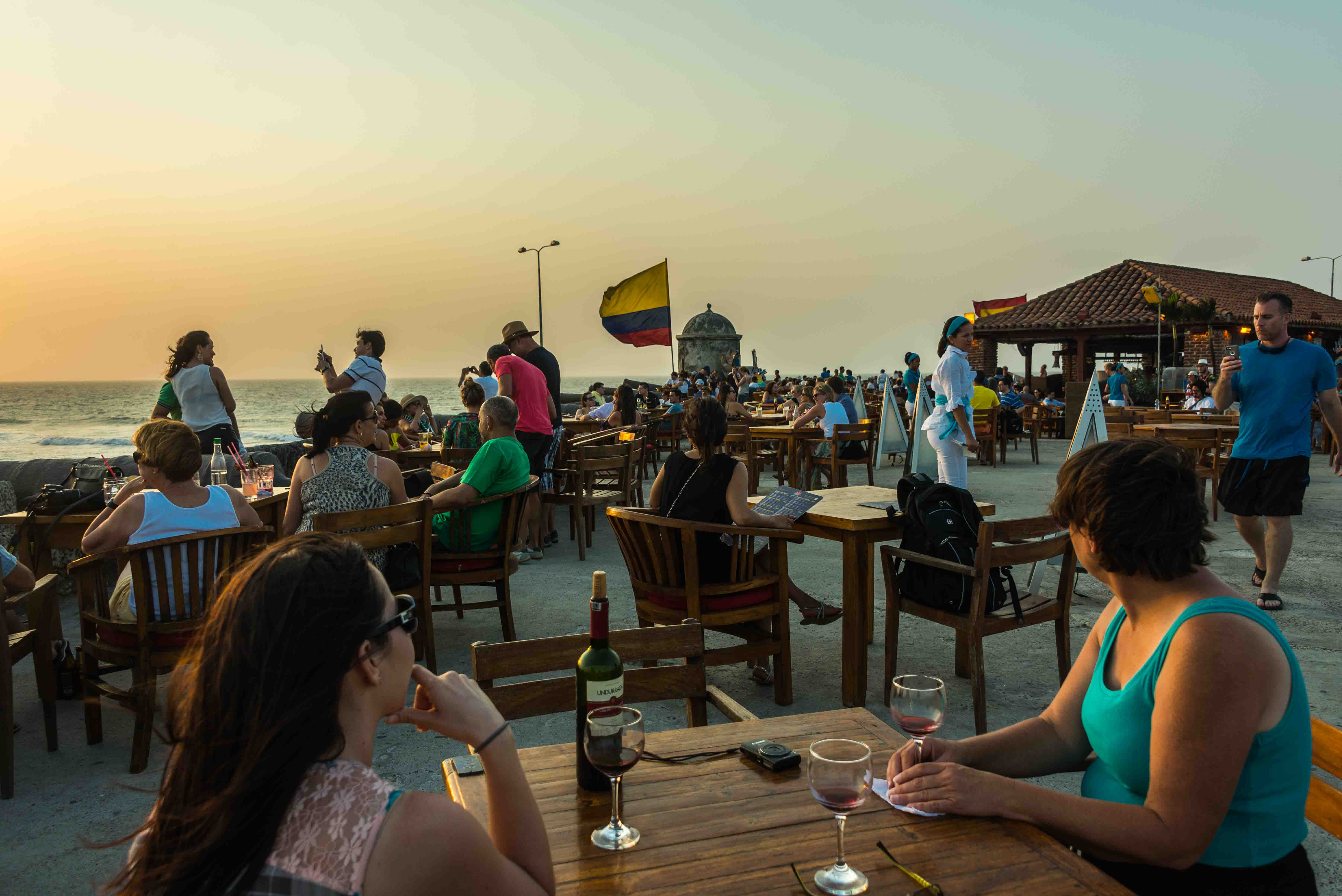
Around the Old City, there is a wall, which once contained soldiers and canons to defend the city. Now, hundreds of years later, it has tablecloth-covered tables and comfortable chairs in a beautiful open-air restaurant and bar called Café del Mar. I wonder what the old Spanish soldiers would think of the transition.

Our tour book does not recommend it for food but they do heartily urge you to go for a drink and the sunset. After our extended day of wandering, we thought that would be a good idea. We arrived at about 6:00 PM to get a good table in preparation for the 6:30 PM or so sunset. In this part of the world, you get about 12 hours per day of sunlight, year round.

2014-JKH-Panama-D610-LR-3583

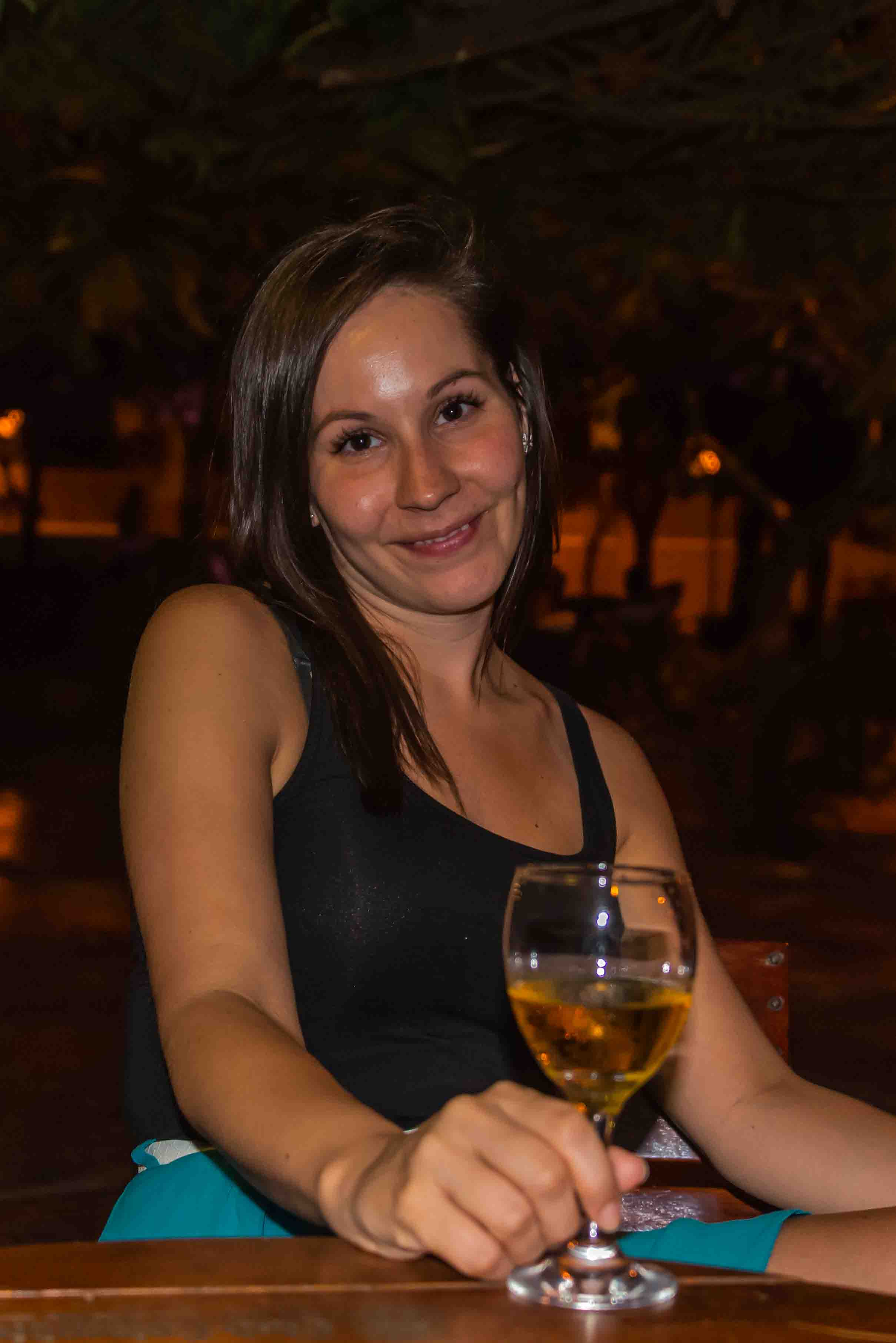
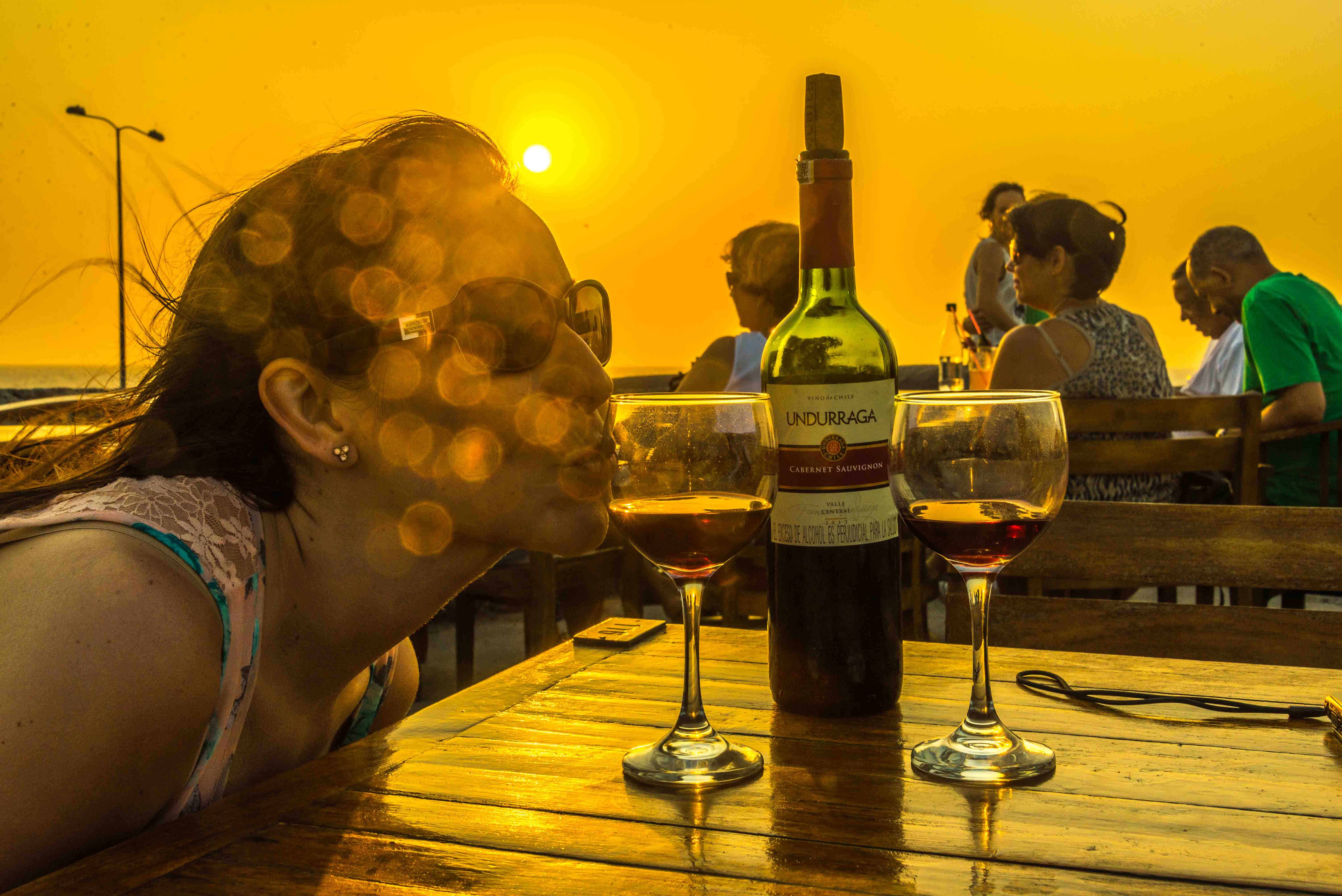
Our server delivered a nice bottle of an Argentinian Malbec, that Alicia seemed to like according to the image above and we settled back to wait for the sunset in the half-full facility. The city skyline was to our left and the sun was directly in front of us, sinking towards the horizon. The sky was clear which generated a clear and colorful sun as it ended its day.

By 6:30 PM, the place was full. It seems that everyone else had a tour book with the same recommendation. Groups of people loaded up memory cards with pictures of their friends with the falling sun in the background to the sound of perfect sunset music. The atmosphere, charged with laughter, beauty, and people having a good time was electric. The word that came to mind was Hedonism.

According to Wikipedia, ethical hedonism is the idea that all people have the right to do everything in their power to achieve the greatest amount of pleasure possible to them, assuming that their actions do not infringe on the equal rights of others. It is also the idea that every person’s pleasure should far surpass their amount of pain. That was exactly what was happening. The only pain that I could see might be the odd hangover but for most I think that the pleasure outdid the pain.

2014-JKH-Panama-D610-LR-3609

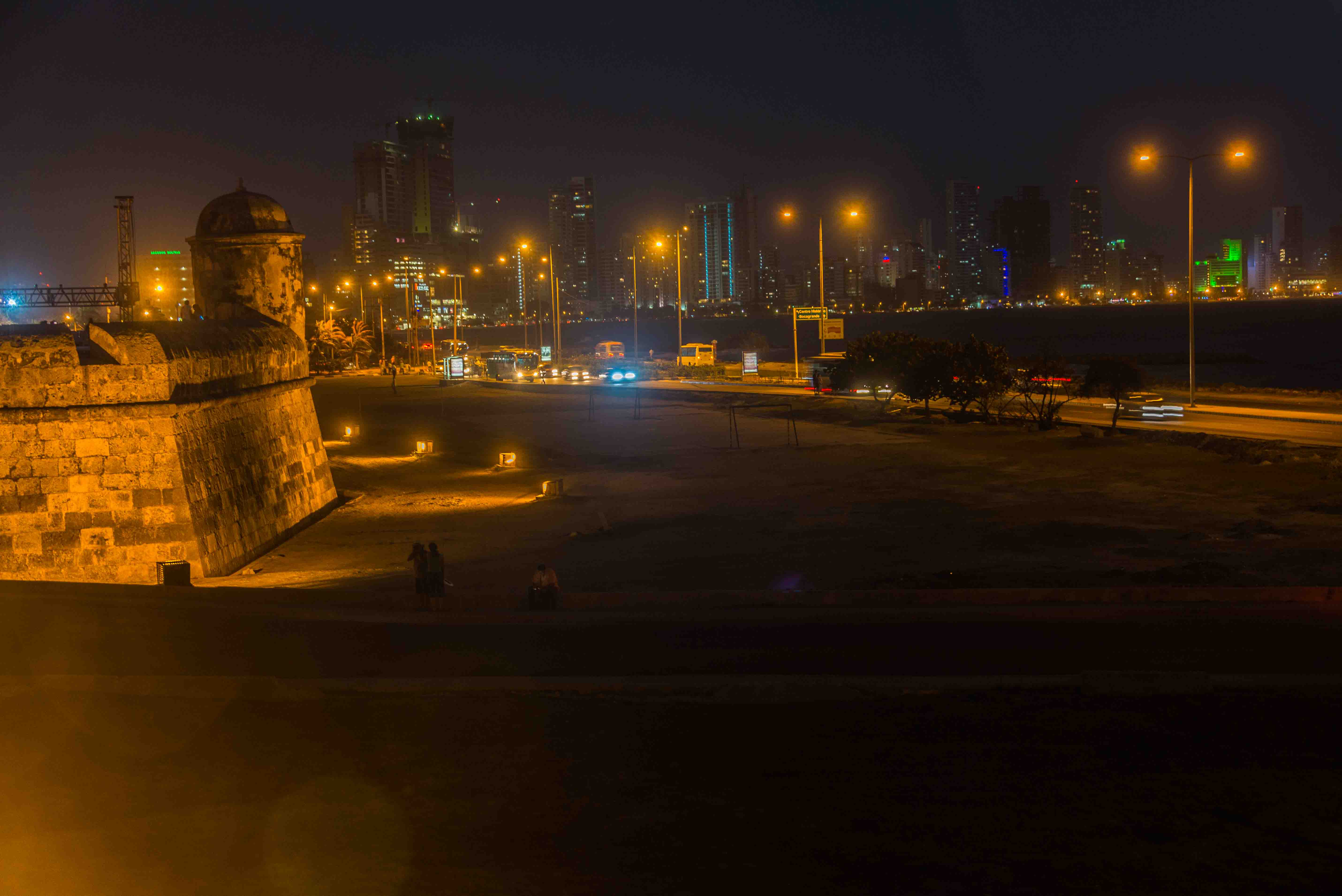
As the sun disappeared, the city lights began to welcome the night. It was a beautifully executed relaxing end to our day.

Wandering in Cartagena

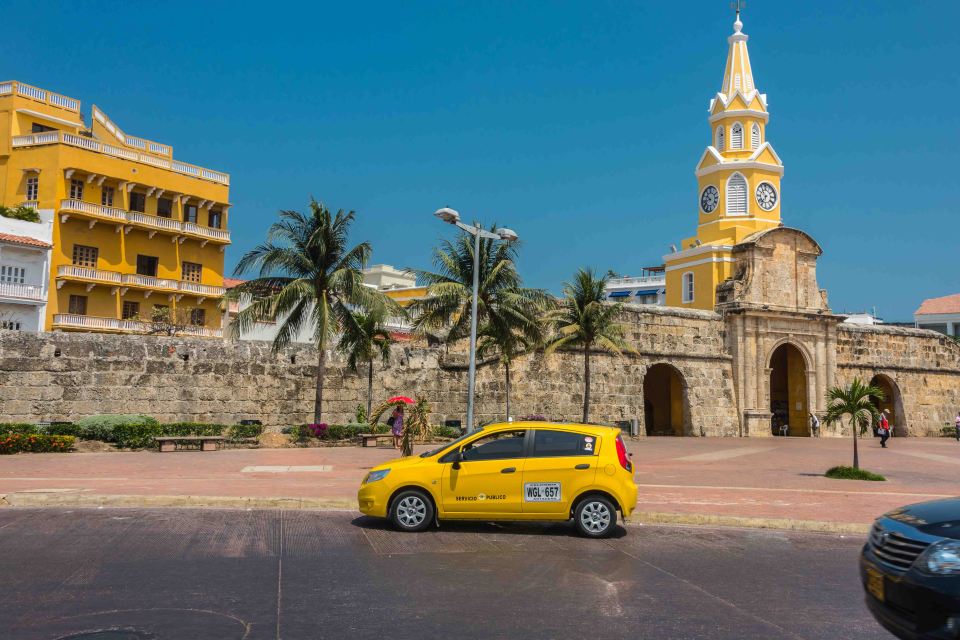
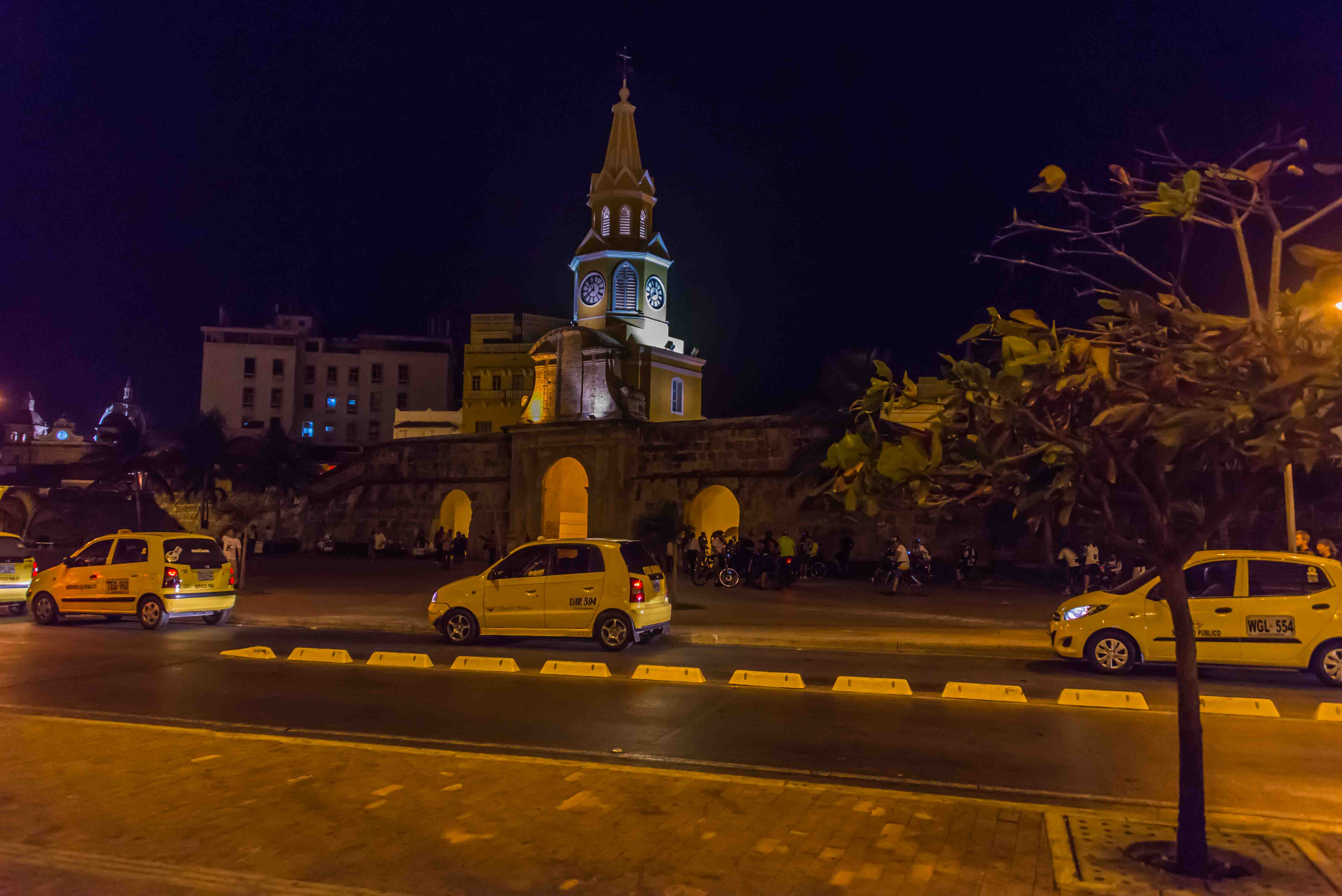
The sun was hot in the cloudless sky as we pointed ourselves in the direction of the Clock Tower Gate in old Cartagena, three blocks from our hotel. Street vendors were beginning to unpack their stores and prepare for a day of business. Busses with protesting brakes screeched to a stop to allow people to make their way to work. A new day in an old place was underway.

2014-JKH-Panama-D610-LR-3515


The Spanish Colonial Architecture, with its never-ending arches is usually beautifully detailed and a bit mysterious. The high walls with oversized doors on the front of buildings might hide the interior of a house or an empty space being used as a parking lot or outdoor work area. Elaborate street art on the exterior of buildings appears from time to time, dressing up the aging patina of old stone and concrete. Most old Colonials have a huge set of front doors, large enough to permit a horse and carriage to be driven into the interior of the building. Walls typically follow the exterior perimeter of the property line, often allowing for an open area courtyard in the center of the building. In this part of the world, second floor balconies, hanging out over the street are commonly adorned with oversized flowering plants providing a riotous display of color.

2014-JKH-Panama-D610-LR-3570

Wandering Cartagena is a leisurely and thought-provoking activity. The place is full of statues, art, hotels, restaurants, and specialty stores, all nicely integrated into the ancient landscape of narrow cobblestone streets and colorful buildings. Every street corner provides a new vista to absorb. Large and small squares, historical churches and government buildings, ramparts of the remaining walls, and museums all come together with the occasional view of the adjacent ocean thrown in for good measure. All of this is provided in a vibrant, busy and functioning city that is devoid of heavy traffic and modern structures. You can stand anywhere, close your eyes and feel the history!

2014-JKH-Panama-D610-LR-3523

The scale of the squares is “Grande” and they often house large bronze statues of historical people. One square sports a number of sheet metal renditions of people at work. The city walls contain old cannons that integrate well into photographs, even with the wind.

2014-JKH-Panama-D610-LR-3626


2014-JKH-Panama-D610-LR-3544

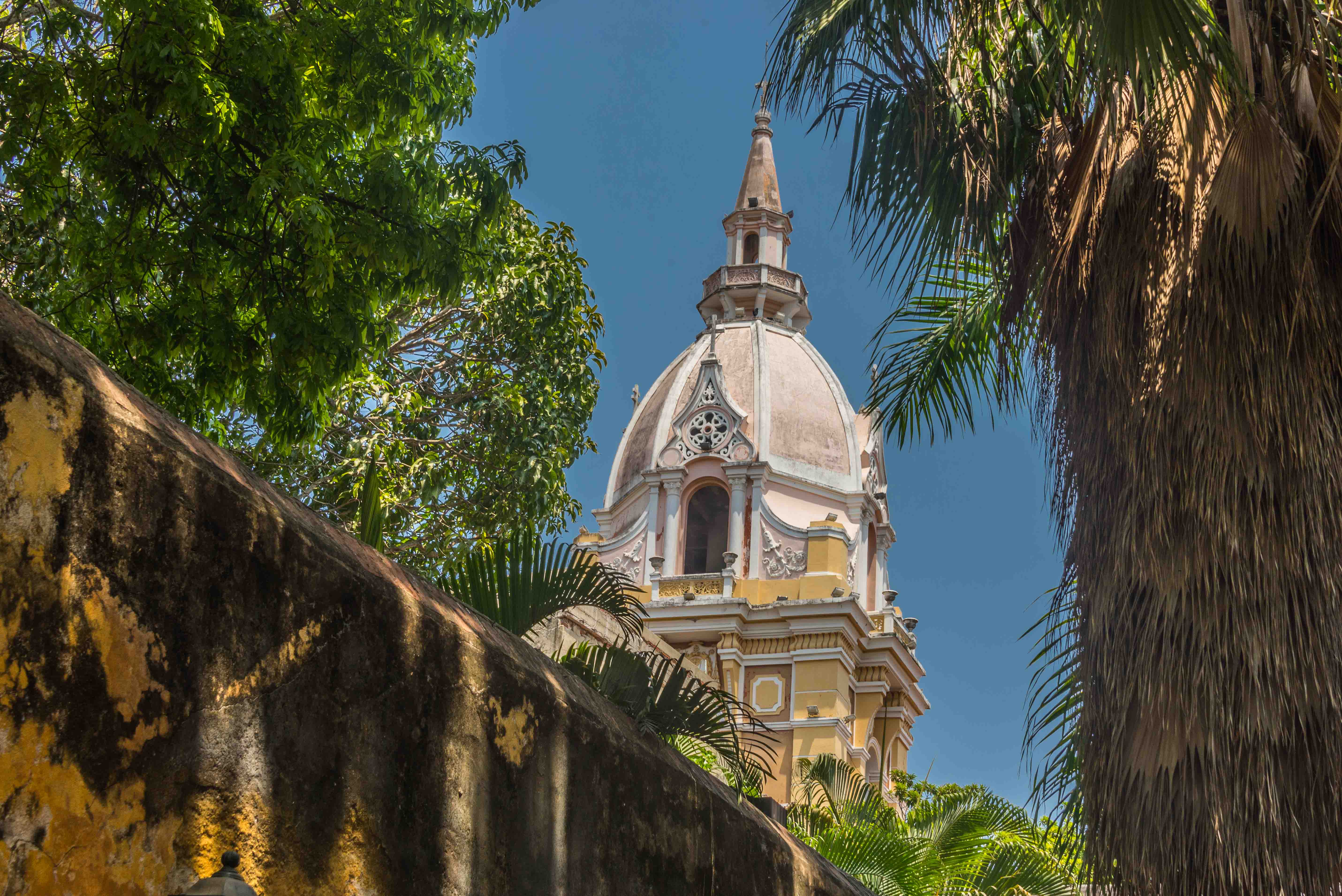
We stopped to take in the Palace of the Inquisition, a museum about torture and the atrocities carried out by the Catholic Church in an attempt to extort money from citizens by getting them to admit they were witches. The place is full of gruesome devices that, I am sure, produced the desired results. They even had an actual guillotine on display, which we were assured, was never actually used. The place was so hated by the local citizenry that it was burned to the ground within a week of the Church officially stopping its witch hunting. Nevertheless, this place produces one of the most beautiful views of the steeple of one of the old churches from one of the exterior courtyards.

We found a small specialty coffee store that sells coffee from a private Columbian plantation under the name of San Alberto Coffee. Their testing is so stringent that they end up only putting the San Alberto name on about 25% of their production, while the other 75% is sold into the open coffee market. This coffee is some of the smoothest coffee I have ever tried. Too bad it is not obtainable in Canada.

Tomorrow we move on to Santa Marta, a coastal town known to be the burial place for Simon Bolivar. In case you did not know, Bolivar was a Venezuelan statesman and military leader. Widely regarded as one of the most influential figures during the Latin American Wars of Independence of the early nineteenth century, he led Venezuela, Colombia (including Panama, at the time), Ecuador, Peru, and Bolivia to independence from the Spanish Empire, dramatically changing the political landscape of South America for the next two centuries.

I have absolutely no idea of what to expect!


The Castillo San Felipe Investigation

We started our day with breakfast at our hotel before heading off on foot to explore the massive Castillo San Felipe in Cartagena.

2014-JKH-Panama-D610-LR-3496

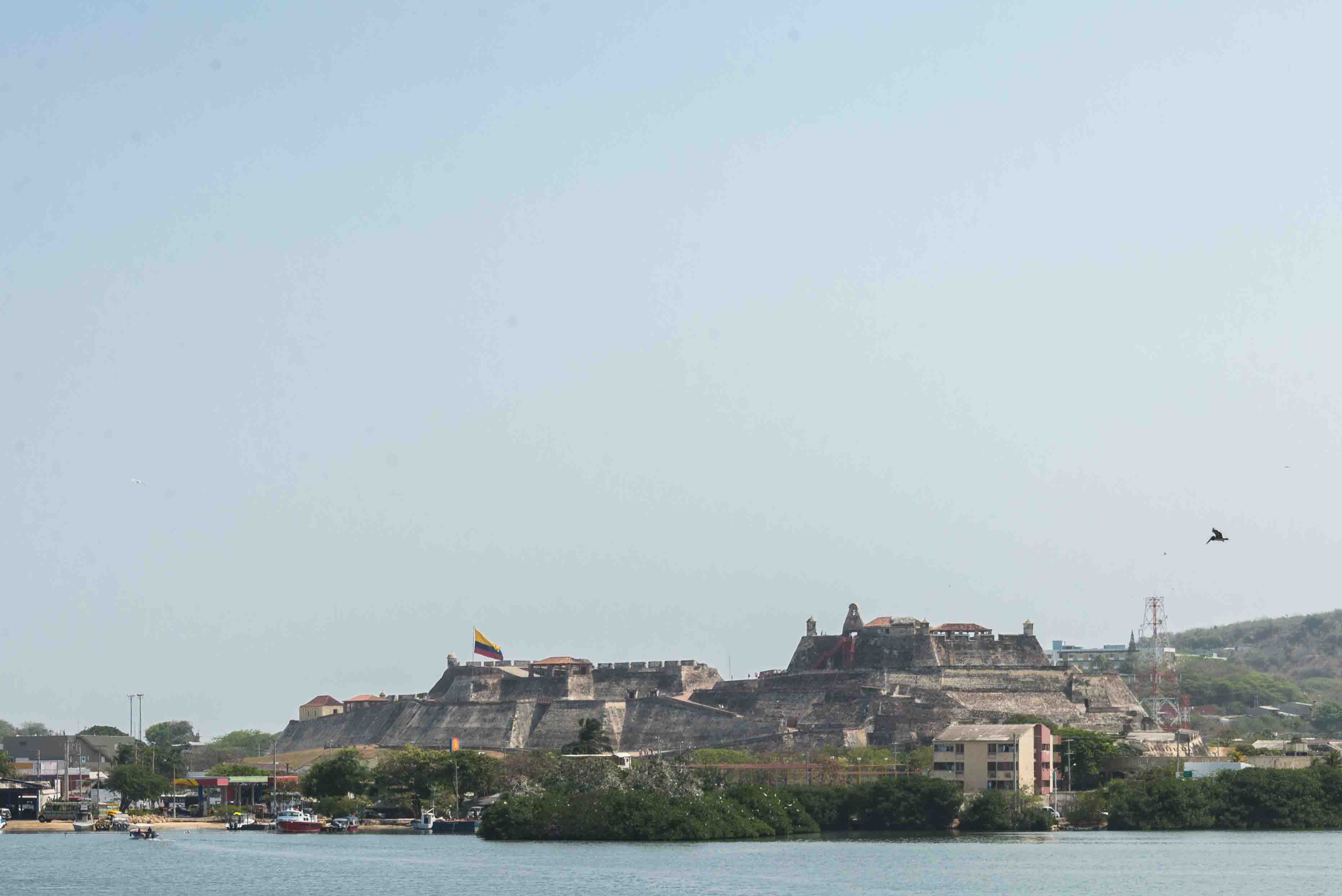
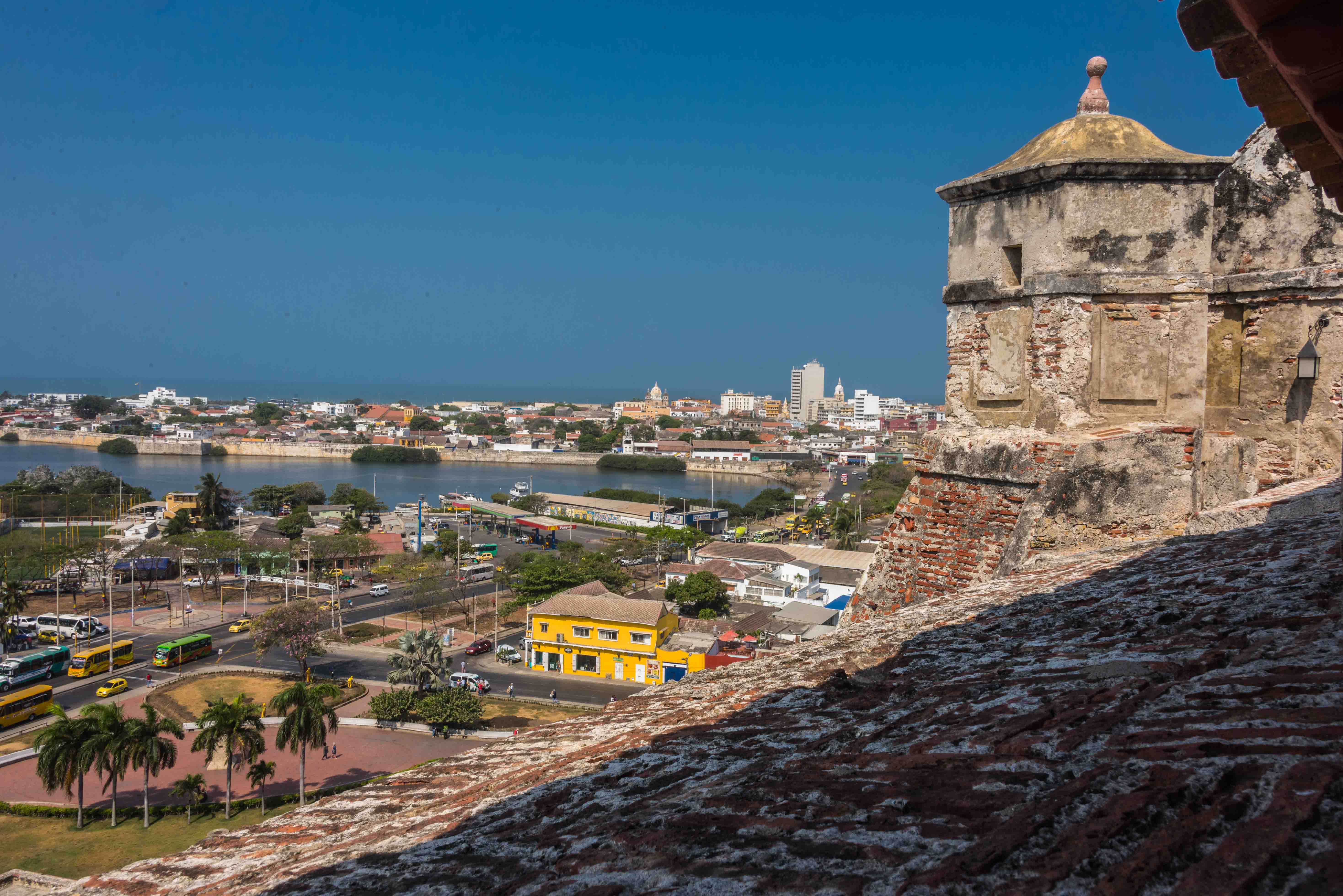
You can’t miss this crown jewel of the Cartagena defense network as it covers a 130-foot-high hill towering over the city. The castle (Castillo) is located .in a strategic location, dominating approaches to the city by land or sea. Originally built in the mid 1600s, it was rebuilt and enlarged several times over the years. The fortification consists of a series of walls, wide at the base and narrow toward the parapet, forming a formidable pattern of bunkers. The batteries and parapets protect one another, so making it practically impossible to take a battery without taking the whole defense system. The castle is striking for its grand entrance and its complex maze of tunnels. It is the most formidable defensive complex of Spanish military architecture anywhere in the world.

Brimming over with profits from the shipping business — and from a marketplace for incoming loads of slaves from Africa — early Cartagena was an attractive target for pirates roaming the Caribbean. It was likely the most looted port in the New World until Spain got its act together to defend the city, circling it with a seven-mile-long wall studded with gun turrets backed up by forts in key locations

English Admiral Edward “Old Grog” Vernon, fresh from a victory at another Spanish port at Portobello, Panama, literally ran into a stone wall at Cartagena in 1741 when he tried to invade the city. He showed up with a force of 23,000 men and 186 ships bristling with 2,000 cannons, but Castillo San Felipe — defended by just 3,000 Spanish troops and six ships — stood off a month-long siege of the city.

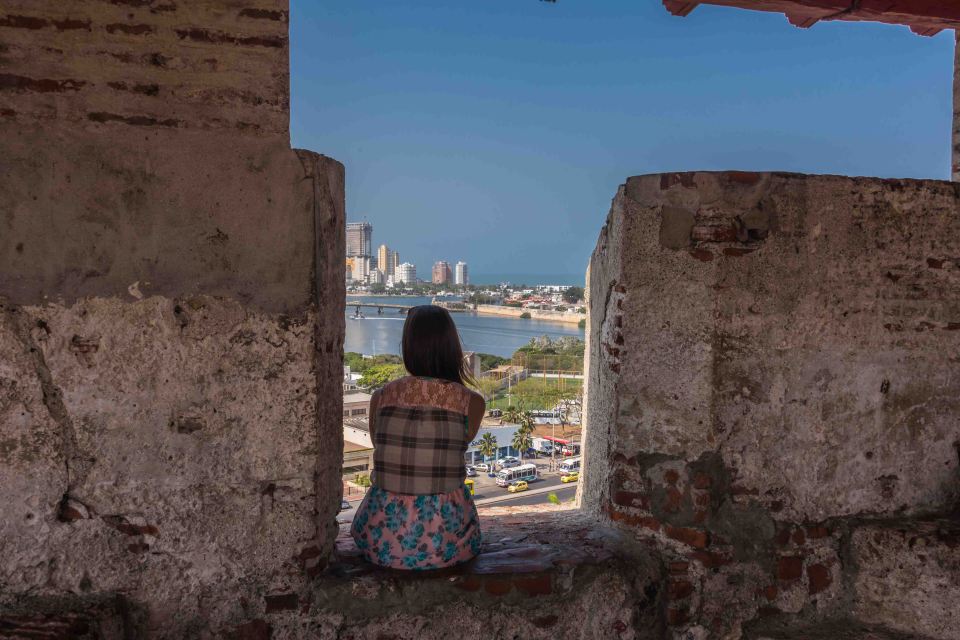
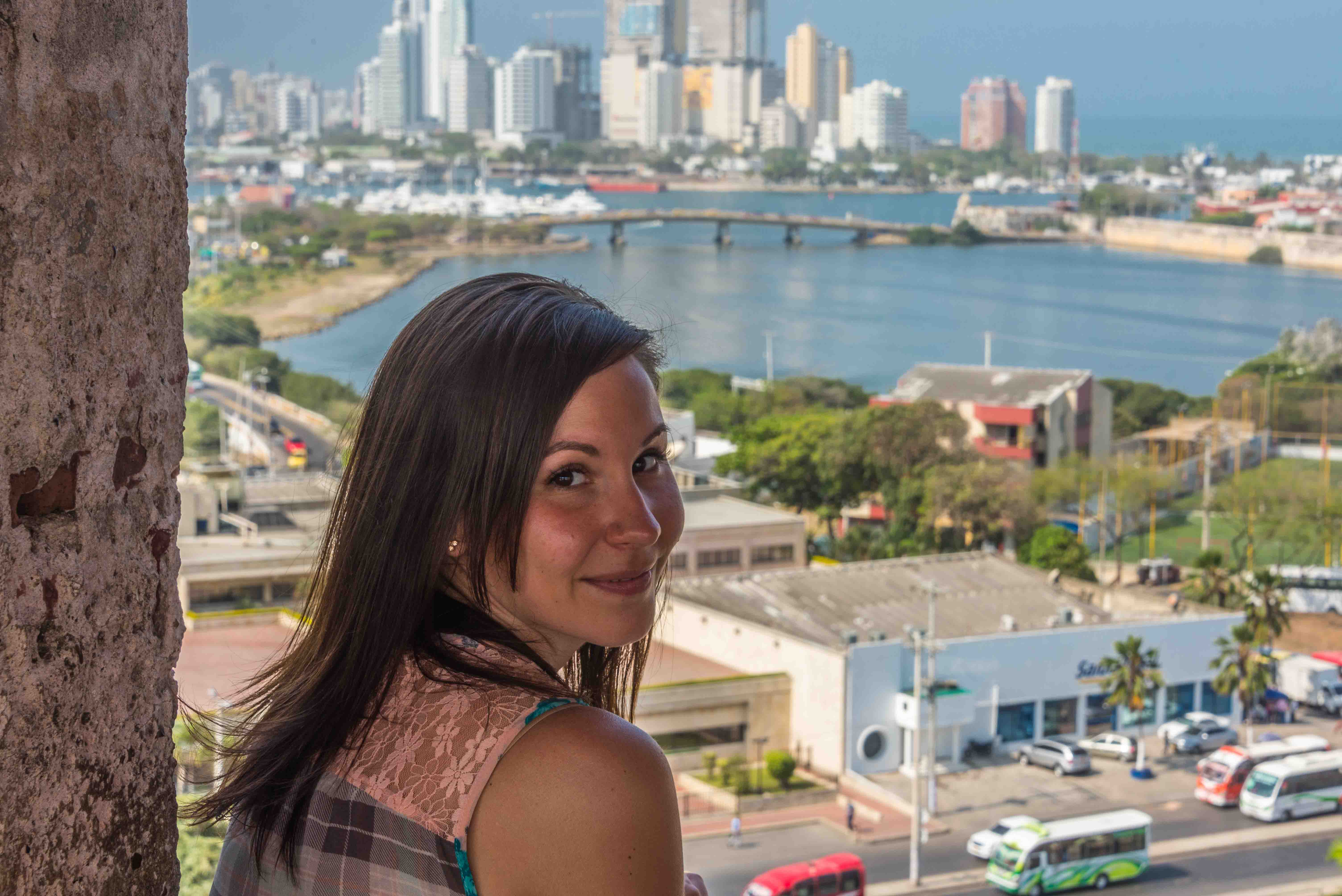
The eye-popping view from the top of the fortress is a panorama of this city of a million or so people and the biggest flag I have ever seen. In one section you’ll spot modern high-rise condos, in another the domes and soaring crosses of historic churches, and in another rows of glassy office buildings.

It was great to visit this place before the never-ending supply of busses started their daily tourist haul. In addition, without a cruise ship in port, there was ample room to walk the fortress undisturbed.

2014-JKH-Panama-D610-LR-3478


We are travelling in style on this trip with Alicia, my model and an OR nurse! (Just in case) She is the one, natural in front of a camera, dressing up some of the photos here.

A small hospital, at the upper levels, has recently been restored and turned into a small theatre where you can find a short movie about the history of the Castillo and a small gift shop is available at the very top of the structure.

2014-JKH-Panama-D610-LR-3449

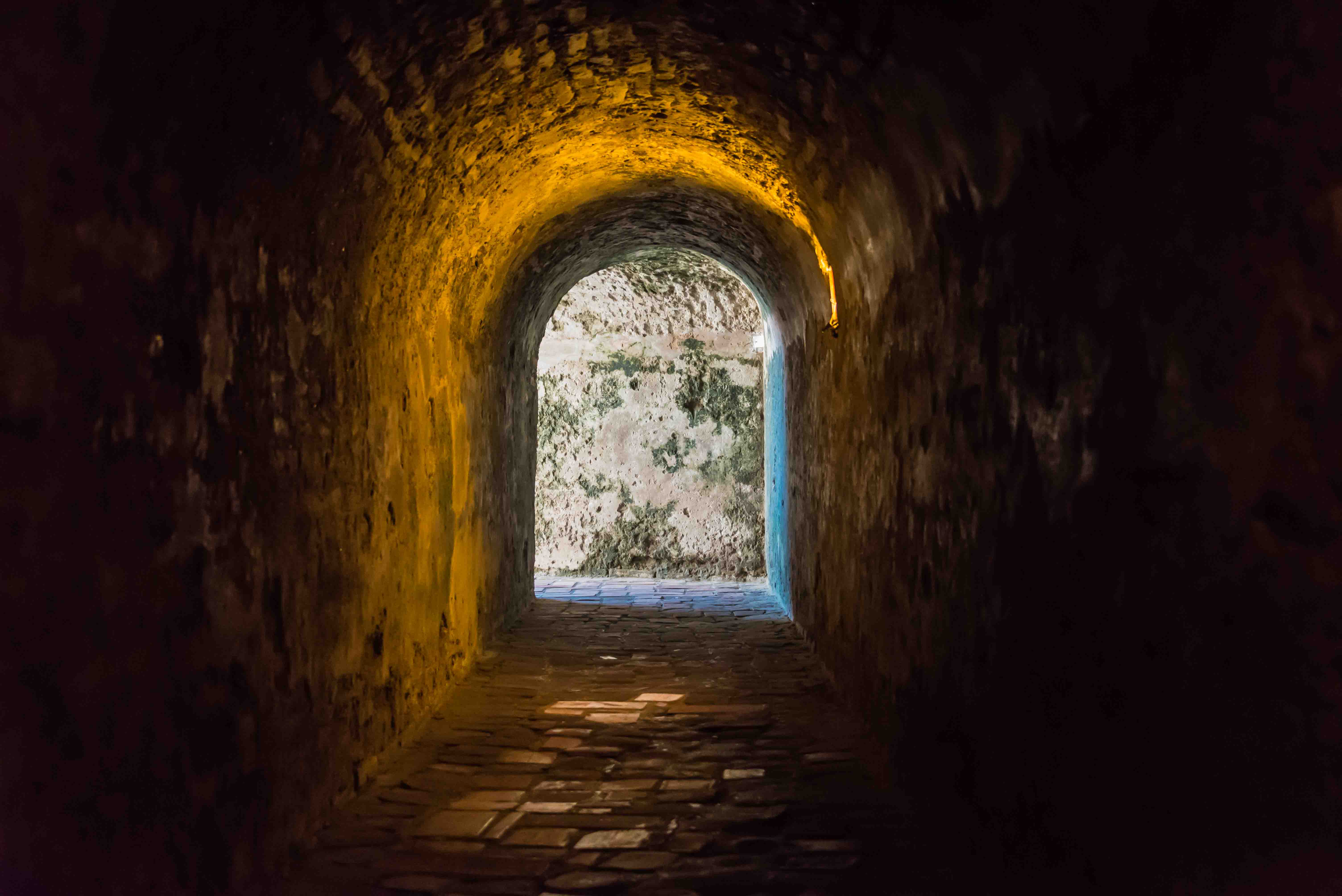
With an endless network of tunnels, it was truly impregnable and was never taken, despite many attempts to storm it. The complex tunnel system connected strategic points of the fortress to distribute provisions and to ease evacuation. The tunnels were constructed in such a way that any noise reverberated all the way along them, making it possible to hear the slightest sound of the approaching enemy’s feet, and making it easy for internal communication.

You can immediately see the beauty of this place. Some of the tunnels are lit and are open to the public providing an eerie walk and beautiful lighting, not to be missed. When you think of what history tells us went on in this place, it sends a chill up your spine.

2014-JKH-Panama-D610-LR-3479

When you come to Cartagena, put this place at the very top of your list to see and allow a few hours to absorb it.


Cartagena by Night (A Photo Essay)

A rich active history has created and shaped this place so it is impossible to talk about Cartagena without giving you a little context and sharing some of that information with you.

One of the most beautiful cities in Colombia, with over a million inhabitants living right on the Caribbean Sea, Cartagena, was named after the famous Spanish City of Cartagena which, in turn, takes its name from Carthage, the great merchant city that once rivaled Rome itself. During the colonial period, Cartagena was the most important bastion of the Spanish overseas empire and influenced much of Colombia’s history.

It is a beautiful Colonial gem founded in 1533. The fame and wealth of the city grew dramatically to the point where it became an attractive plunder site for pirates just 30 years after its founding.

Another reason that enabled the city to develop rapidly was the slave trade. In fact, at the beginning of the 17th century, the King of Spain granted the colony a monopoly on this form of commerce. At the time, Veracruz, Mexico was the only other center of this kind.

All of these activities made it possible for prominent locals to amass enormous fortunes and build superb homes and mansions, which still accounts for some of the towns charm today. Thus, within a few years, Cartagena reached a level of prosperity that aroused the interest not only of other colonial powers, but also of the many pirates lurking in the Caribbean in search of riches.

During the 16th century, Cartagena suffered five sieges by pirates. One of these occurred in 1543 and involved a French lieutenant-general and pirate by the name of Robert Baal (aka Roberval). He launched a successful raid on the city and in a surprise attack, the pirate managed to extort 310 kilos of gold from the city while the governor was attending a banquet. This was only the beginning of a long list of attacks by pirates of all different nationalities on the city. They included Englishmen John Hawkins (in 1576) and Francis Drake (in 1586), as well as Frenchmen Jean-Bernard Desjeans and Jean Ducasse (in 1697).

In 1741, English troops tried to overthrow the Spanish. The English attackers were in for a surprise since the small garrison, led by General Basco de Lezo, managed to drive them back to sea. This brave general continued to fight even after losing an arm, a leg and an eye in previous battles. With 2,500 poorly trained men, General Basco de Lezo managed to fend off 23,000 English soldiers and their 186 ships. He lost his other leg and died soon after, but is now regarded as the savior of Cartagena.

Irritated by the loss of capital to the privateers and other Colonial powers, the Spanish crown finally decided to fortify the city and its surrounding area. The scale of the project soon converted Cartagena into one of the most well protected colonial cities in all of South America. Spain invested millions every year into the protection of the city, planning and building walls and forts. The magnitude of this subsidy between 1751 and 1810, equates to the sum of 20,912,677 Spanish reales, the equivalent of which is about two trillion dollars in today’s currency.

In recent decades, Cartagena has expanded dramatically and is the fifth largest city in Colombia. It is now surrounded by vast suburbs and high-rise buildings. It is Colombia’s largest port and an important industrial center specializing in petrochemicals. Despite increasing urban sprawl, the walled Old Town has remained virtually unchanged. It is the most visited city in the country by local and international tourists. In 1984, the Port, Fortresses and Monuments, including the old town of Cartagena were designated a UNESCO World Heritage Site. Mystified in romance, legends and beautiful colonial era antiquity, this city captivates visitors and travelers with its cobbled alleys, enormous balconies draped in Bougainvillea and horse-drawn carriages.


Our visit to Cartagena started around 3:00 PM, by finding a hotel. We had lost our reservation due to our departure, delayed five days thanks to our Ferry Xpress sailing from Colon, Panama. Eventually, we located a nice little converted Colonial house at a reasonable price and at a place just a short walk to the Old City. Our plans were to clean up and find a restaurant for dinner, then wander the Old City in the evening.

2014-JKH-Panama-D610-LR-3394

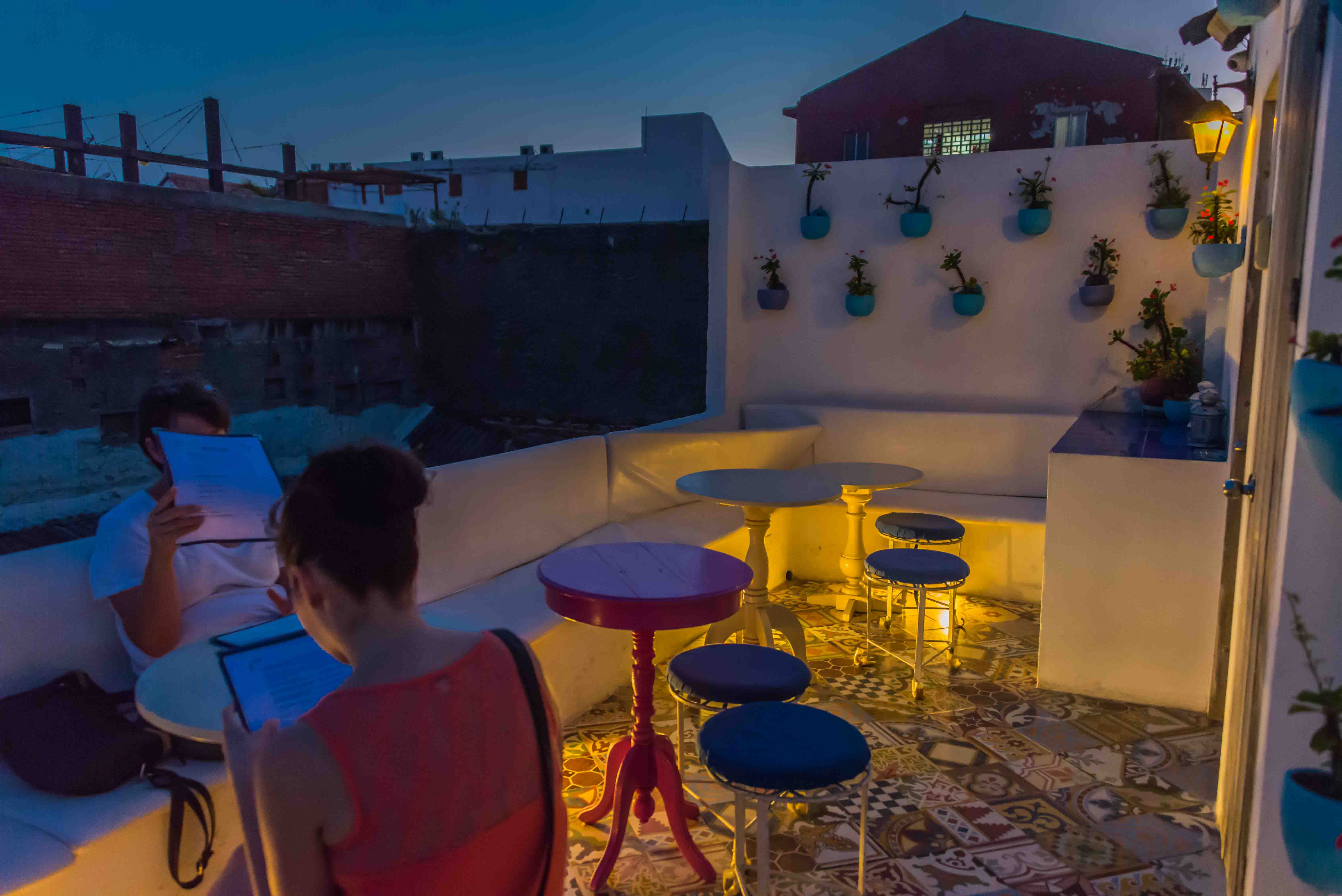
We located a small restaurant that had a nice little roof top dining area and had an unremarkable meal followed by our first visit to the Old City.

I love taking photos at night!  They offer an atmosphere that doesn’t exist during daylight.  I will let the photos tell the story of this beautiful active place bathed in spectacular lighting. Enjoy!

2014-JKH-Panama-D610-LR-3398

Finally, the Ferry Xpress to Cartagena

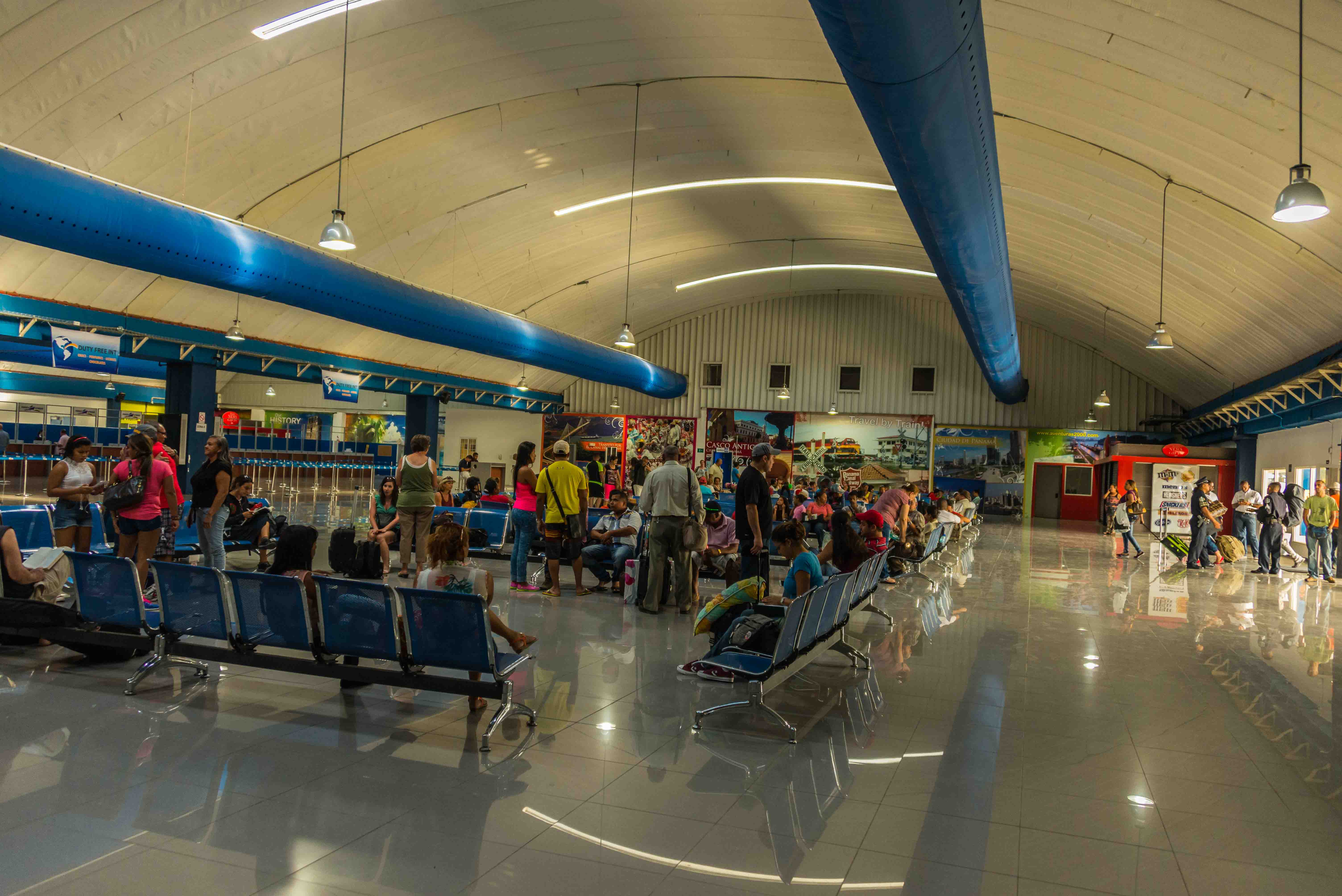
On Wednesday, the three intrepid travellers set out for Colon to attempt the second boarding of the new overnight RoRo Ferry Xpress service from Colon to Cartagena. This time, they started processing passengers for boarding around 5:00 PM for a 7:00 PM scheduled departure. 2014-JKH-Panama-D610-LR-3293 The mandatory process takes each person through several steps to gain access to the ship. First, you go to a wicket and show your ticket to receive a boarding pass that, in our case, contained our upgraded cabin number. I was surprised to learn that I was considered a “Bambino” on the boarding pass as I guess my Pensionado discount gave me the kids fare. Next, we moved on to the immigration lines where passports were slowly checked and eventually stamped. This was followed by the security step where all luggage was scanned and you walked through the metal scanner. We were now permitted to board the ship after ducking the ship’s photographer who was trying to capture images just outside the terminal door. The ship’s crew conducted the last step once we came off the gangplank and entered the ship on one of the car decks. They simply checked boarding passes and directed us to a couple of miniature elevators that took us to the sixth deck where we were emptied out into the lobby.

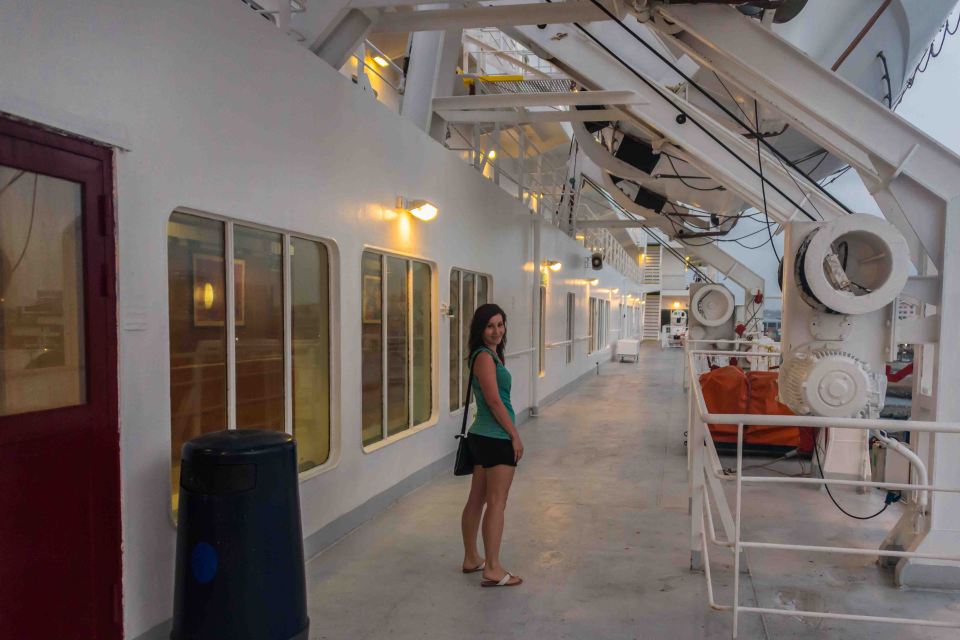
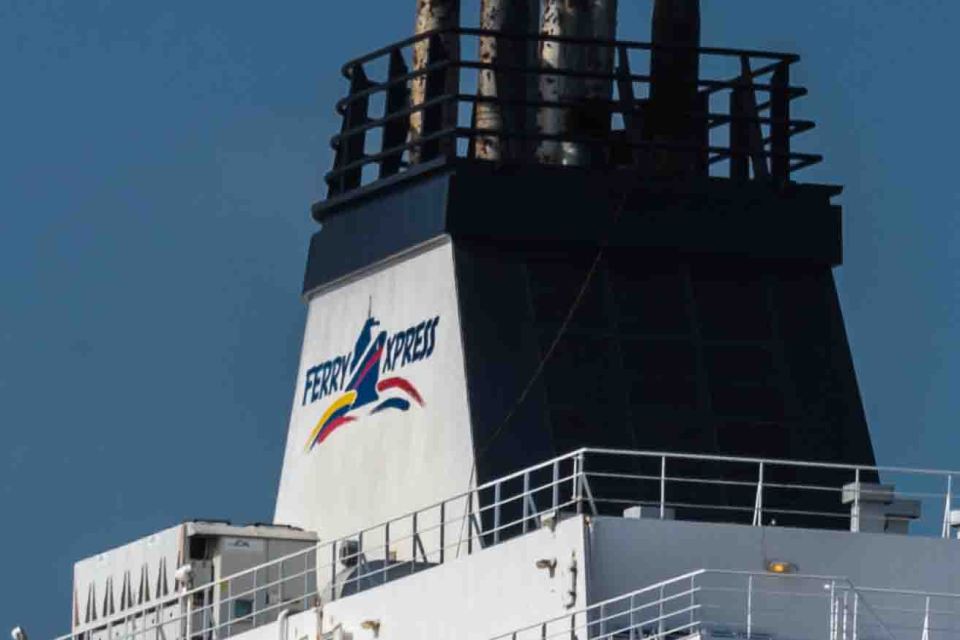
Now, this ship is not as luxurious as a cruise ship but it is neat, clean, and quite large, with three of the total of nine decks being for autos. The name on the side of the ship and on the funnel is SNAV Adriatico. Its home port is Napoli, Italy and the crew is Italian. It sails under the Italian flag. Built in 1986 in the Netherlands, it carries 1,200 passengers and 524 autos. Stena RoRo Navigation Ltd., based in Limassol Cyprus, owns it and it is under charter to SNAV S.p.A., Italy who leased it to Ferry Xpress Panama in October 2014 to run Colon – Cartagena – Colon and Colon – Bocas del Toro – Colon routes. Our partially obstructed view outside cabin was located on the sixth deck and was configured like a train cabin for four. Two lower beds and two-fold down uppers separated by an ample walkway, along with a compact head with sink and shower were ours until the next afternoon.

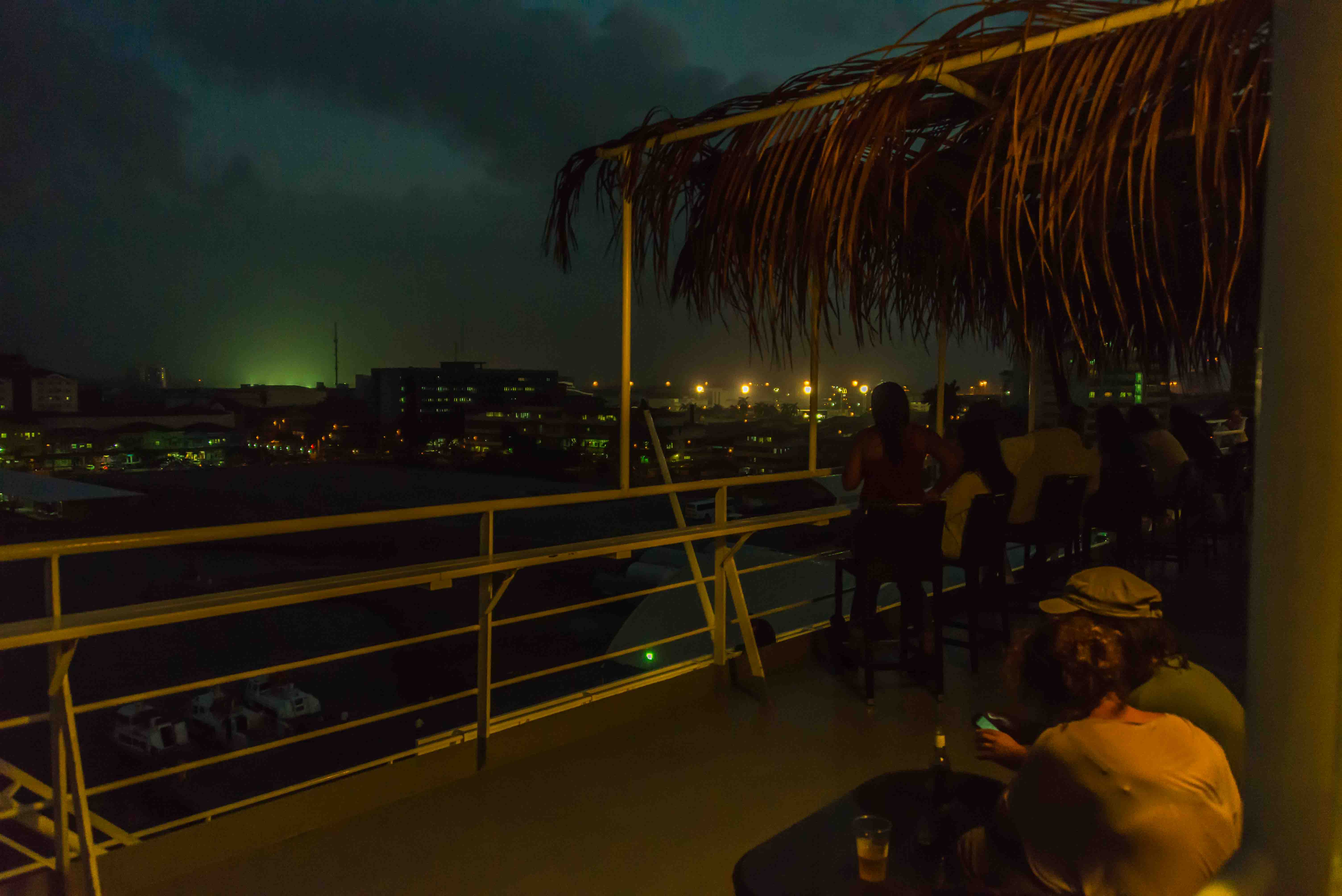
Our exploration of the ship revealed an outside palapa bar at the rear of the ninth deck where we settled to watch the departure with a very nice cold beverage. What with it being an Italian ship sailing out of Panama, the departure was not on time but we were in no rush! 2014-JKH-Panama-D610-LR-3311 Investigating the other areas of the ship, we found deck six contained the lobby and photo store. Deck seven was the food deck with a coffee bar, small cafeteria with a screened off area for full service, a large cafeteria restaurant used for breakfast, and a very nice high-end oriental restaurant. Deck eight contained a duty-free store, a casino consisting of slot machines, disco, and a small massage operation. We headed to the sixth deck restaurant screened off from the small cafeteria and had a nice leisurely dinner. The food was well prepared, delivered promptly, and the attentive servers spoke enough English for us to get by. Very nice!!   Our passenger load would be estimated at around 300 people, many being back packers and local Panamanians or Colombians looking for less expensive fares than the $600 to $700 airfares we found online. There were a group of bikers on board but really not much in the car department. Fares are as low as $99.00 for a coach seat and around $300 for an automobile. Cabins run from $300 and up. The majority of the passengers were using seat accommodation so I would wonder about the practicality of the large variety of restaurants. Other than the odd tourist housed in a cabin, I do not think many would be using the restaurants. The bars did seem to be a bit busier, but not much. Andrea was the only casino visitor we saw until they started giving out free $2 coupons for the slots. 2014-JKH-Panama-D610-LR-3357 The trip was enjoyable, though a bit rough.

While checking out at the end of the voyage on Thursday, we said, “See you next Thursday” to the front desk clerk, who corrected us saying “We were just advised… that voyage for next Thursday has been cancelled…”. 2014-JKH-Panama-D610-LR-3367

The Not So Ferry Xpress

On Monday, we were off to Colon to catch the new overnight ferry to Cartagena, Columbia. A relatively short one-hour drive took us to the cruise ship facility in Colon, called Colon 2000, where we found the new Ferry Xpress ro-ro ship MS SNAV Adriatico waiting to take us to Cartagena.

2014-JKH-Panama-D610-LR-3270

We milled around the cruise ship terminal trying to figure out what was happening and where to go. We figured out how to get a parking permit for the nine days our car would stay in the secure parking area and then settled in to wait for the ticket wickets to open. The ferry, scheduled to leave Colon each Monday and Wednesday at Seven PM, arrives the next day at about one PM. Our instructions were clear! We must be at the terminal by four PM the day of the sailing and we had arrived just after three.

2014-JKH-Panama-D610-LR-3271

Just before five PM, a public announcement was made, advising everyone that the ferry would not be sailing that night due to a storm that was directly on our course and that the Captain had determined that it would not be safe. Now this is a serious decision to take, however proper, as the ferry schedule calls for a return voyage from Cartagena on Tuesday evening and the ship would not be there to make the trip. Hundreds of people would be inconvenienced by the decision!

One passenger was trying to round up support to approach the ticket agents with a demand to go anyways, because, after all, it was a large ship and it would be OK! The Captain didn’t know what he was talking about. Another was heard to say that the ship had been damaged on the last trip and that they were just afraid to tell the passengers. Now there were people that “had” to get to Cartagena for a wedding and others who needed to travel but did not have the money for an airline ticket, which by the way carries an insane price of well over $US 600.00 for a one hour flight. Still others complained that they did not have the cost of a hotel for the two days they would have to wait for the next ferry. Eventually everyone broke out in applause, which we later found out was for the senior manager who had just arrived from head office, to aid the two ticket agents trying to handle the developing chaos! Police presence increased… just in case!

2014-JKH-Panama-D610-LR-3273

Next, we found out that they would open the ship to passengers, who could sleep onboard and would get meal vouchers redeemable at some of the local restaurants! I thought that was an exceptionally generous move given that the delay was weather related.

This whole situation caused us to reflect on how lucky we were to have the means to be able to rearrange our travel while others could not afford either a low cost hotel or food for two days.

This morning we went downtown to the Ferry Xpress office to adjust our tickets to travel to Cartagena on Wednesday, this week and return on Thursday, next week. In the process, we discovered that we had been upgraded, at no cost, from an inside cabin to an outside cabin for both trips. After a glass of wine, our vacation was salvaged!

2014-JKH-Panama-D610-LR-3280